
Side Dishes
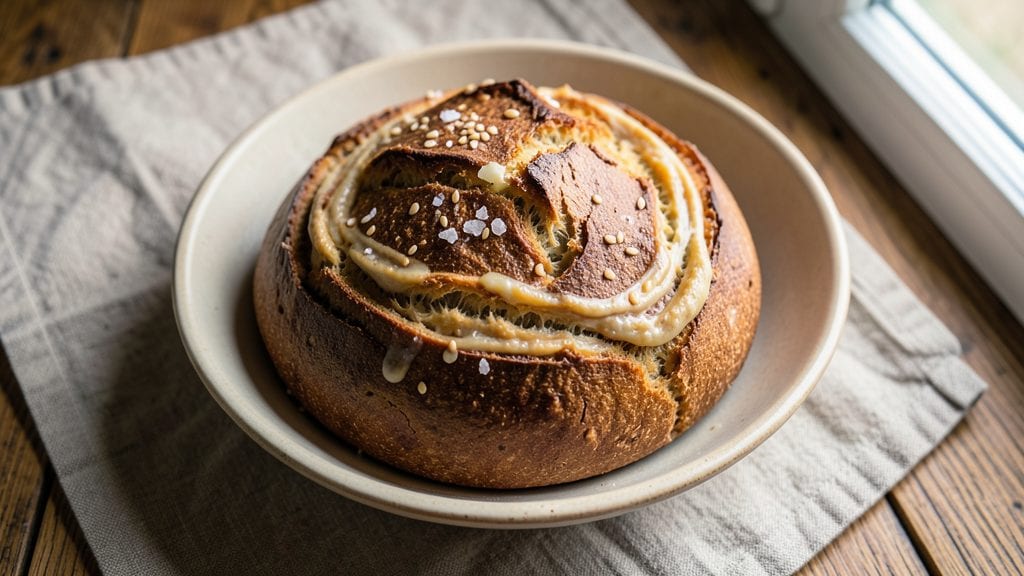
This sourdough potato bread recipe transforms humble potatoes into a bread with a rustic crust and moist, fluffy layers—perfect for sandwiches or serving alongside soups. The key lies in blending mashed potatoes into the dough, which adds natural sweetness and moisture while creating that signature tender crumb.
I developed this method after years of baking sourdough, where the potato infusion became the secret to a bread that stays fresh longer and tastes richer without extra fat.
The process begins with a well-fed sourdough starter, which provides the tangy depth and structure this bread needs. Potatoes are mashed and folded into the dough at the right moment to prevent overworking the gluten, ensuring a light texture rather than a dense one.
Proofing is where the magic happens—letting the dough rise slowly allows the potatoes to soften just enough, creating those signature pockets of fluffiness. Every step balances science with intuition, and the result is a loaf that’s both impressive and foolproof.
What makes this bread truly special is how it bakes: the crust develops a golden, crackly exterior while the interior remains soft and slightly sweet from the potatoes. The flavor is a harmonious blend of sourdough tang and earthy potato notes, with just enough chew to satisfy.
This isn’t just another side dish—it’s a textural experience, where each slice reveals layers of moisture and flavor that keep you reaching for seconds. For those who love sourdough but crave a little extra richness, this recipe delivers.
Whether you’re a seasoned baker or new to sourdough, this method is designed to work with your schedule. The dough can be shaped the night before and proofed in the morning, making it ideal for busy days.
Once baked, the bread stays fresh for days, perfect for meal prep or gifting. Let’s get started on creating a loaf that’s as satisfying to make as it is to eat.
Ingredients for sourdough potato bread
Fourteen simple ingredients transform basic sourdough into fluffy, potato-infused bread magic.
| Ingredient | Amount | Notes |
|---|---|---|
| Active Sourdough Starter 🍞 | ½ cup | 100% hydration, well-fed |
| All-Purpose Flour 🌾 | 3 ½ cups | Unbleached for best texture |
| Russet Potatoes 🥔 | 1 ½ lb | Peeled, boiled, mashed smooth |
| Granulated Sugar 🍚 | ¼ cup | White or light brown |
| Salt 🧂 | 1 ½ tsp | Kosher or sea salt |
| Large Eggs 🥚 | 2 whole | Room temperature preferred |
| Unsalted Butter 🧈 | ¼ cup | Cold, cubed for dough |
| Whole Milk 🥛 | ¼ cup | Warm for activation |
| Cornmeal 🌽 | ¼ cup | For dusting bread pan |
| Water 💧 | ½ cup | Room temperature |
| Extra-Virgin Olive Oil 🫒 | 1 tbsp | For dough shaping |
The potatoes are everything here. Russet is ideal—Idaho-grown if you can find it—but Yukon Golds work too. Peel, boil until fork-tender, then mash until completely smooth (no lumps!). I grab mine from Costco when they're on sale, but any grocery store carries them. The sourdough starter needs to be peaked—feed it 12 hours before using, and it should float in water. For the flour, King Arthur or Bob's Red Mill are my go-tos, but any all-purpose works. The butter? Plugrá or Land O'Lakes are reliable, but don't stress the brand—just make sure it's cold when you add it to the dough.
No sourdough starter? Instant yeast at half the amount of starter gets you close, though the flavor won't be identical. Yukon Golds instead of Russets? They'll be slightly sweeter and creamier. Short on butter? Vegetable shortening works in a pinch (same amount), but you'll lose that rich flavor. The milk can be any kind—whole, 2%, or even almond milk—but warm it up first to help activate the yeast. For the sugar, coconut sugar adds a caramel note, but white sugar keeps things neutral. And if you're feeling fancy, swap the olive oil for avocado oil—it's got a higher smoke point for shaping.
This dough is a beast but worth it. Shape it the night before, cover with plastic wrap, and let it rest in the fridge overnight—12-18 hours is perfect. The potatoes keep their moisture best when the dough is cold. Once baked, store at room temp for 2-3 days wrapped in a towel, or freeze for up to 3 months. I slice mine fresh and toast it—the crust gets crispy and the inside stays soft. For gifting, wrap in parchment, tie with twine, and it'll stay fresh for days. Leftovers? Toast and freeze for quick sandwiches later.
Why You'll Love This Recipe
- Potatoes Do the Work: I swear by this dough—boiling Russets softens them into a mash that replaces half the flour, so I’m not kneading for hours. The texture stays light, but the effort? Barely there.
- Sweet-Savory Magic: That touch of sugar in the dough caramelizes just enough to balance the tangy sourdough, while the potatoes add a buttery depth. It’s like a hug for your sandwich—warm, comforting, and impossible to resist.
- Breakfast to Brunch: This bread is my lazy weekend MVP: toast it thick for French toast, slice it for grilled cheese, or serve it fresh with jam. Honestly, I’ve even used it to soak up soup when I’m too tired to make toast.
- Stretch Your Starter: A single batch feeds my family for days, and the potatoes cut the flour cost. Plus, leftovers toast up beautifully—no sad, dense bread here, just crispy edges and fluffy insides begging for seconds.
Step-by-step instructions for sourdough potato bread
Here's how to make this fluffy, rustic bread with layers of creamy potato filling—no fancy skills needed.
Prepare the Potato Filling
Start by boiling the 1.5 lb Russet Potatoes in salted water until completely tender—about 20-25 minutes. Drain well, then peel and mash them until completely smooth. You want a texture like mashed potatoes with no lumps.
While still warm, mix in the 0.25 cup Granulated Sugar and 1.5 tsp Salt. Stir in the 0.25 cup Unsalted Butter until fully melted and incorporated. Let this filling cool completely before using—this prevents the dough from becoming too sticky during mixing. I like to spread it on a baking sheet and refrigerate for 30 minutes while I prepare the dough.
Mix the Sourdough Dough
In a large mixing bowl, combine the 3.5 cups All-Purpose Flour and 1.5 tsp Salt. Create a well in the center and add the 0.5 cup Active Sourdough Starter, 2 whole Large Eggs, 0.25 cup Whole Milk, and 0.5 cup Water. Mix with a wooden spoon until just combined—you'll still see dry flour patches.
Add the 1 tbsp Extra-Virgin Olive Oil and knead the dough for about 5 minutes by hand or 3-4 minutes with a stand mixer. The dough should be soft but not sticky—if it's too wet, add 1 tablespoon of flour at a time until it comes together smoothly. Cover the bowl with a damp towel and let it rest for 20 minutes at room temperature.
Assemble the Potato Layers
Roll out the rested dough on a lightly floured surface into a 12x18-inch rectangle about ¼-inch thick. Spread the cooled potato filling evenly over the dough, leaving a 1-inch border around the edges. This border keeps the filling contained and gives you that classic layered look.
Starting from the long side, tightly roll the dough into a log, sealing the edges as you go. Pinch the seam to prevent any filling from leaking out during baking. Place the log seam-side down in a 9x5-inch loaf pan that's been lightly dusted with 0.25 cup Cornmeal. This prevents sticking and adds a nice texture to the crust.
Proof and Bake to Golden Perfection
Cover the loaf pan with a clean kitchen towel and let it proof in a warm place for 1-2 hours, or until the dough has risen to about 1.5 times its original size. You'll know it's ready when the dough feels springy to the touch and has puffed noticeably in the pan.
Preheat your oven to 375°F. Bake the bread for 45-50 minutes until the crust is deep golden brown and sounds hollow when tapped on the bottom. If the top browns too quickly, tent it loosely with foil after 25 minutes to prevent over-browning while the center finishes cooking.
Cool and Slice for Maximum Fluffiness
Remove the bread from the oven and let it cool in the pan for 10 minutes, then transfer to a wire rack to cool completely. This resting period allows the filling to set and the bread to develop its full texture. Real talk: the first cut is always the best—you'll see those layers of fluffy potato filling peek through the crispy crust.
Slice the bread into ½-inch thick pieces and serve warm. The crust should be sturdy enough to hold a sandwich but still tender enough to tear by hand. Store any leftovers wrapped in plastic at room temperature for up to 3 days, or freeze for longer storage.
Pro Tips For Making Sourdough Potato Bread
- Boil Potatoes Until Fork-Tender: Russets should break apart like butter when pierced—no half-cooked centers. I learned this the hard way when my first batch tasted gummy; overcooking just a little extra ensures they mash smoothly into the dough.
- Use Cold Water for Starter: Mix your sourdough starter with cold water before adding to the flour. The shock slows fermentation just enough to give you time to shape the dough without it getting too loose or sticky—especially useful in warm kitchens.
- Skip the Extra Sugar: The potatoes already add natural sweetness, so cut the granulated sugar in half unless you’re baking for a dessert version. Too much sugar can overpower the sourdough tang and make the crust gummy.
- Shape Dough Tightly, Then Rest: Pack the dough into the pan with firm pressure—this prevents air pockets and ensures a dense, even crumb. Let it rest 10 minutes before baking; this small pause keeps it from expanding unevenly when it hits the oven.
Flavor customization for this recipe
Sweet & Spiced Twist
Add 1 tsp cinnamon and ½ tsp nutmeg to the potato filling for a cozy, autumnal flavor. I also fold in ¼ cup chopped pecans or walnuts for crunch.
This version pairs perfectly with apple butter or warm spiced tea. The spices mellow during baking, leaving just a whisper of warmth in every bite. 🍂
Herb & Cheese Infusion
Mix ½ cup shredded cheddar or Gruyère into the potato filling for a savory twist. Add 1 tbsp chopped rosemary or thyme for an earthy depth. This version works beautifully as a side for roasted meats or a hearty sandwich.
The cheese melts into the potatoes, creating a creamy, rich filling that contrasts with the crisp crust. 🧀
Garlic & Parmesan Boost
Incorporate 2 minced garlic cloves and ¼ cup grated Parmesan into the potato filling for a bold, umami-rich flavor. I also sprinkle ½ tsp red pepper flakes for a subtle kick.
This variation elevates the bread into a showstopper for dinner parties. The garlic infuses the crust with aromatic notes, while the Parmesan adds a salty crunch. 🧄
Sweet Potato Swap
Replace Russet potatoes with 1.5 lb sweet potatoes for a naturally sweet, moist filling. Roast them first for 45 minutes at 400°F until tender, then mash with 1 tbsp maple syrup instead of sugar.
This version has a caramelized depth that’s perfect for breakfast toast or dessert-style sandwiches. The sweetness balances beautifully with the tangy sourdough. 🍠
Everything Bagel Seasoning
Sprinkle 1 tbsp Everything Bagel Seasoning over the dough before rolling it into a log. The sesame seeds and poppy seeds add a delightful crunch to every bite. This version is ideal for hearty sandwiches or as a side with soups.
The seasoning blends seamlessly into the crust, adding a savory contrast to the creamy potato filling. 🌾
Nutrition facts
Frequently asked questions
Why does this sourdough potato bread stay fresh longer than regular sourdough?
The potatoes add natural moisture that keeps the crumb soft for days, while the sourdough's tang helps preserve freshness. The butter and milk in the filling create a protective seal that prevents drying out. Store wrapped in a towel for up to 3 days at room temperature.
Can I make this without a sourdough starter?
Yes! Use 1.5 tsp instant yeast instead of the starter, but the flavor won't be identical. The tangy depth from fermentation is what makes this bread special. For a closer match, try a 24-hour no-knead dough with the same potato filling.
What's the secret to getting fluffy potato layers?
Cool the potato filling completely before adding it to the dough, and don't overwork the gluten when rolling. The 1-inch border around the edges prevents leaks, and proofing at 75°F (or in a warm oven with the light on) ensures even rising. A 45-minute bake at 375°F develops those signature pockets.
My bread turned out dense—what went wrong?
Overmixing the dough or using warm potatoes can develop too much gluten. Let the dough rest 20 minutes after mixing, and ensure your potato filling is completely cool. Also check your starter—it should be peaked (float test) before using. If all else fails, try a shorter proof time.
Can I use sweet potatoes instead of Russets?
Roast 1.5 lb sweet potatoes for 45 minutes at 400°F until tender, then mash with 1 tbsp maple syrup instead of sugar. The natural sweetness enhances the sourdough's tang beautifully. This version works especially well for breakfast toast or dessert-style sandwiches.