
Side Dishes
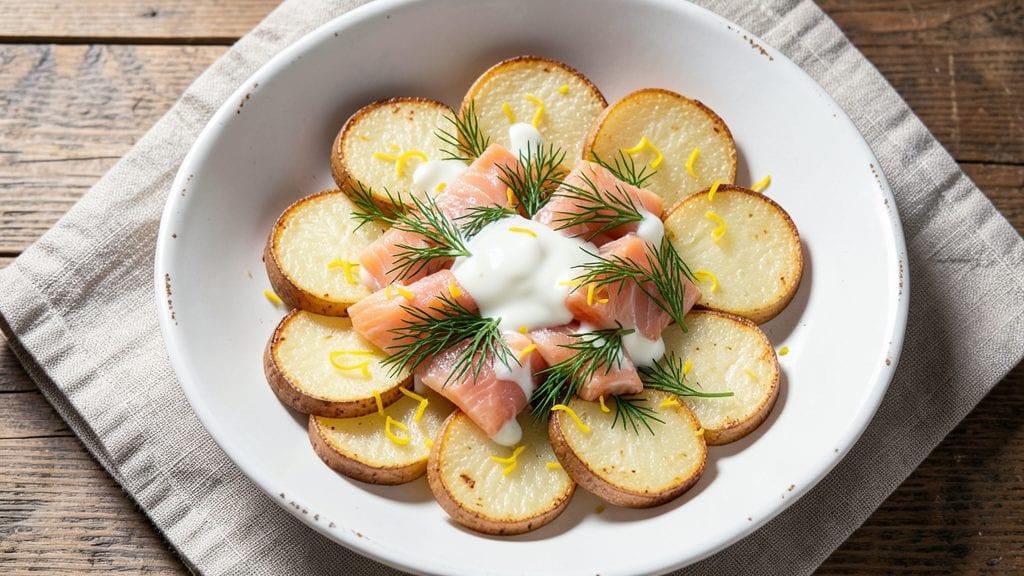
This canned salmon potato recipe transforms simple ingredients into a restaurant-worthy side dish with creamy, flaky layers and bright lemon zest. The secret lies in baking potatoes until tender, then fluffing them with canned salmon, butter, and fresh herbs—creating a dish that’s rich yet light, perfect for any meal.
I developed this recipe after realizing how often canned salmon gets overlooked in home cooking, and it’s become a staple in my rotation.
The beauty of this dish is its simplicity: just five key ingredients and 30 minutes of hands-on time, with most of the work happening in the oven. Creamy mashed potatoes meet flaky salmon, all brightened with lemon zest and fresh dill, creating a balance of textures and flavors.
It’s the kind of side that elevates any main dish—whether you’re serving it alongside grilled fish, roasted chicken, or even a hearty steak.
What makes this recipe stand out is the perfectly flaky texture from the potatoes, combined with the creamy richness of the salmon and butter. The lemon zest adds a fresh, tangy contrast that cuts through the richness, making every bite feel balanced and satisfying.
This isn’t just a side dish; it’s a flavorful centerpiece that deserves its own spotlight.
Serve it warm with a sprinkle of extra dill or a drizzle of olive oil for added brightness. It’s also a great make-ahead dish—reheat gently to keep those flaky layers intact. Let’s get cooking!
Ingredients for canned salmon potato
Five ingredients transform humble potatoes into a luxurious salmon-infused side with restaurant-worthy flakiness.
| Ingredient | Amount | Notes |
|---|---|---|
| Russet Potatoes 🥔 | 2 lbs | Medium size, scrubbed clean |
| Canned Salmon 🐟 | 2 cans | Wild-caught, in water |
| Unsalted Butter 🧈 | ½ cup | Cold, cut into pieces |
| Fresh Dill 🌿 | ¼ cup | Chopped, stems removed |
| Lemon Zest 🍋 | 1 tbsp | Freshly grated, organic preferred |
| Heavy Cream 🥛 | ¼ cup | Full-fat for creaminess |
| Diamond Crystal Kosher Salt 🧂 | ½ tsp | Fine grain preferred |
| Freshly Ground Black Pepper 🌶️ | ¼ tsp | Cracked, not pre-ground |
| Extra-Virgin Olive Oil 🫒 | 1 tbsp | For drizzling, fruity variety |
The potatoes are the foundation—Russet variety delivers the ideal flakiness when baked. Avoid waxy potatoes like Yukon Golds, which hold their shape too much. For optimal texture, poke each potato with a fork before baking to create steam vents. If using store-bought, check the expiration date—older potatoes yield less flaky results. The canned salmon should be wild-caught and packed in water; brands like Vital Choice or Wild Planet deliver superior texture and flavor compared to generic store labels. Drain the salmon thoroughly and remove any skin before mixing, as it can make the dish overly greasy.
No fresh dill? Dried dill at one-third the amount works, though the flavor profile shifts slightly. The lemon zest is non-negotiable for brightness—organic lemons have thicker zest, so you may need slightly less. Substituting heavy cream with Greek yogurt cuts calories while maintaining creaminess, though the texture will be slightly lighter. For a dairy-free option, unsweetened coconut cream mimics the richness, though it adds a subtle sweetness. The olive oil should be extra-virgin for drizzling—California-grown varieties from Trader Joe's or Whole Foods offer the best balance of peppery notes and smooth finish.
This dish reheats beautifully—gentle warming in a 300°F oven for 10-15 minutes preserves the flaky texture. Store leftovers in an airtight container for up to 4 days in the refrigerator, though the flavor peaks within the first 2 days. For make-ahead convenience, pre-portion into ramekins before baking—simply reheat covered to retain moisture. The salmon's natural oils prevent drying, making this an ideal dish for meal prep. Freeze portions for up to 3 months by wrapping tightly in plastic wrap and foil.
Why You'll Love This Recipe
- One-Pan Magic: I swear by this recipe when I don’t want to dirty more than one dish. Slice those Russets, flake in the salmon, and toss with butter and dill—then bake. That’s it. The oven does all the work while I pretend I’m not cooking.
- Bright & Buttery: Honestly, the combo of lemon zest and fresh dill on those creamy potatoes with flaky salmon? It’s like a party in my mouth. The butter ties it all together—rich but bright, with that little tang that makes it feel fancy without trying.
- Lunchbox Hero: Between us, this is my go-to for meal prep. Bake a big batch, portion it into containers, and you’ve got protein-packed lunches for days. My kids eat it cold or reheated—no complaints, just empty plates.
- Budget Bright Spot: Canned salmon keeps this dish affordable while still feeling special. Potatoes are cheap, butter adds richness, and a handful of dill stretches far. It’s the kind of meal that fills you up without breaking the bank—especially when you’re feeding a crowd.
Step-by-step instructions for creamy salmon potato bake
Layering technique creates the signature flaky texture while the salmon and cream deliver rich, velvety depth.
Prepare and Layer the Potatoes
Preheat your oven to 400°F and line a 9x13-inch baking dish with parchment paper for easy removal. Peel the 2 lbs russet potatoes and slice them into ¼-inch thick rounds—uniform thickness ensures even cooking. Immediately toss the sliced potatoes in a large bowl with 1 tablespoon extra-virgin olive oil, 0.25 teaspoons freshly ground black pepper, and half of the 0.5 teaspoons diamond crystal kosher salt.
Begin layering the potatoes in the baking dish, slightly overlapping each slice. Arrange them in a single layer, creating a flat surface that will crisp beautifully. The first layer should fit snugly without gaps—this prevents soft spots in the center. I press down gently on each slice to ensure even contact with the pan, which guarantees consistent browning.
Add the Salmon and Initial Seasoning
Drain and flake the 2 cans canned salmon into a medium bowl, discarding any bones or skin. Stir in the remaining 0.25 teaspoons diamond crystal kosher salt, the 1 tablespoon lemon zest, and half of the 0.25 cup chopped fresh dill. The lemon zest brightens the salmon's natural flavor while the dill adds a fresh herbal note that cuts through the richness.
Spread the seasoned salmon evenly over the first layer of potatoes. The salmon should cover about 75% of the potato surface—this creates pockets of creamy filling while maintaining the flaky texture. Press down lightly with the back of a spoon to help the salmon adhere to the potatoes. This step is critical for preventing the salmon from sinking into the potatoes during baking.
Create the Creamy Top Layer
Melt the 0.5 cup unsalted butter in a small saucepan over low heat until just liquid. Remove from heat and whisk in the remaining 0.25 cup chopped fresh dill and the 0.25 cup heavy cream. The mixture should be smooth and slightly thickened—this butter cream will create the signature creamy topping. If the sauce appears too thick, whisk in 1 teaspoon hot water to achieve a pourable consistency.
Pour the butter cream evenly over the salmon layer, allowing it to seep between the potatoes. The cream should cover about 80% of the surface, leaving small pockets of salmon exposed. This creates visual contrast and ensures each bite delivers both flaky potato and creamy salmon filling. Use a spoon to gently spread the cream, creating small peaks here and there for texture.
Bake Until Golden and Flaky
Transfer the baking dish to the preheated oven and bake for 45-50 minutes until the top is deep golden brown and the potatoes are tender when pierced with a fork. The edges should pull away slightly from the baking dish, indicating proper browning. If the top browns too quickly, tent loosely with aluminum foil after 30 minutes to prevent over-browning while the center finishes cooking.
During the last 10 minutes of baking, the potatoes will release their starch and create steam, which transforms the top layer into crispy, flaky sheets. This is the moment that matters: the contrast between the crispy top and tender interior is what makes this dish exceptional. Remove from the oven and let it rest for 5 minutes before serving—this allows the layers to set and makes slicing cleaner.
Serve with Fresh Garnish
Slice the salmon potato bake into 4 equal portions using a sharp chef's knife. The layers should separate cleanly, revealing the flaky potato beneath the crispy top. Garnish each serving with an additional sprinkle of chopped fresh dill and a pinch of lemon zest for brightness. The contrast between the flaky, buttery potatoes and the creamy salmon filling creates a textural experience that's both satisfying and elegant.
Serve immediately while still warm. The dish holds well for 2 hours at room temperature, but the flaky texture is best enjoyed fresh from the oven. Pair with a simple arugula salad dressed with lemon vinaigrette to complement the dish's bright, herby flavors.
Pro Tips For Making Canned Salmon Potato
- Boil Potatoes Whole: Russets break apart like sad mashed potatoes if you cube them first—peel and boil them whole for 15 minutes, then slice. The starch stays intact, and the texture holds up to the salmon’s weight. (Yes, even if you’re impatient like me.)
- Drain Salmon Dry: Canned salmon’s juice is salty and watery—drain it, then pat the flakes with a paper towel to absorb any lingering moisture. Wet salmon makes the potatoes soggy, and you’ll end up with a dish that tastes more like broth than butter and dill.
- Roast, Don’t Boil: Skip the starchy boil and roast the sliced potatoes at 400°F (200°C) for 25 minutes with olive oil, salt, and pepper first. The crispy edges soak up the salmon’s oils better, and the flavor’s way more concentrated than if you just mix everything raw.
- Toast the Dill: Pulse fresh dill in a food processor for 5 seconds—it releases oils and turns bright green. Sprinkle it over the hot dish at the end instead of mixing it in cold. The heat wakes up the flavor, and it won’t turn to mush like it does when you fold it in raw. (Your grandmother was right about this one.)
Wine and beer pairings for these flavors
Crisp White Wine
This dish pairs beautifully with a dry Riesling or Sauvignon Blanc—their bright acidity mirrors the lemon zest and fresh dill while cutting through the richness of the butter and salmon.
I reach for a German Riesling like Dr. Loosen Blue Slate when I want to highlight the dish’s citrus notes. The wine’s crisp finish cleanses your palate between bites of creamy salmon and flaky potatoes. 🍷
Light Beer Options
A wheat beer or pilsner works wonderfully with this recipe. The effervescence of a Belgian witbier like Hoegaarden balances the dish’s richness, while a German pilsner such as Warsteiner complements the buttery potatoes.
For a local favorite, try a craft lager with a touch of citrus—like Allagash White—to echo the lemon zest’s brightness.
Rosé for Versatility
If you prefer red wine, a dry rosé bridges the gap between white and red options.
A Provence rosé like Whispering Angel offers delicate floral notes that harmonize with the dill and lemon, while a Spanish rosé such as Mar de Frades adds a subtle earthiness that pairs with the salmon’s savory depth. Serve chilled to enhance the dish’s fresh, herby flavors.
Non-Alcoholic Pairings
For a refreshing non-alcoholic option, try a sparkling lemonade infused with fresh dill and cucumber. I blend 1 cup sparkling water, ½ cup fresh lemon juice, 2 tbsp honey, and a handful of chopped dill for a bright, palate-cleansing drink.
Alternatively, a cucumber-mint iced tea with a squeeze of lime adds a cooling contrast to the warm, creamy dish. ✨
Seasonal Wine Swaps
In winter, switch to a Chardonnay with subtle oak notes—like Kendall-Jackson Vintner’s Reserve—to complement the dish’s richness. For summer, opt for a Pinot Grigio from Alto Adige, such as Santa Margherita, which highlights the lemon zest’s vibrancy.
The key is balancing the dish’s creaminess with a wine that enhances—not overpowers—its fresh, herby brightness.
Nutrition facts
Frequently asked questions
Can I use waxy potatoes like Yukon Golds instead of Russets?
Waxy potatoes like Yukon Golds won't achieve the same flaky texture as Russets. They hold their shape too much when baked, which prevents the signature crispy layers. For best results, stick with Russets—their high starch content creates that perfect flaky, creamy contrast when combined with the salmon and butter.
What if I don't have fresh dill? Can I substitute?
Use 1/8 teaspoon dried dill (one-third the amount of fresh) as a substitute. For an even better alternative, try fresh parsley or chives—they add a bright, fresh note that still complements the lemon zest. Just chop them finely to mimic the texture of dill.
How do I prevent the salmon from sinking into the potatoes?
Press the salmon layer down gently with the back of a spoon before adding the butter cream. This helps it adhere to the potatoes. Also, spreading the salmon evenly (about 75% coverage) ensures it stays in place while the potatoes bake. If it starts sinking, a quick check after 20 minutes lets you press it back down.
Can I make this dish ahead of time?
Yes! Assemble the dish and refrigerate it uncovered for 1-2 hours before baking to dry the top slightly for better browning. For leftovers, reheat covered at 300°F for 10-15 minutes to restore the flaky texture. Store in an airtight container for up to 4 days—it reheats beautifully!
What's the secret to getting the perfect flaky texture?
The key is baking the potatoes at 400°F until they're tender but still firm, then letting them steam during the final 10 minutes of baking. This creates the crispy, flaky layers. Also, pressing the potato slices gently into the pan ensures even contact for consistent browning.