
Side Dishes
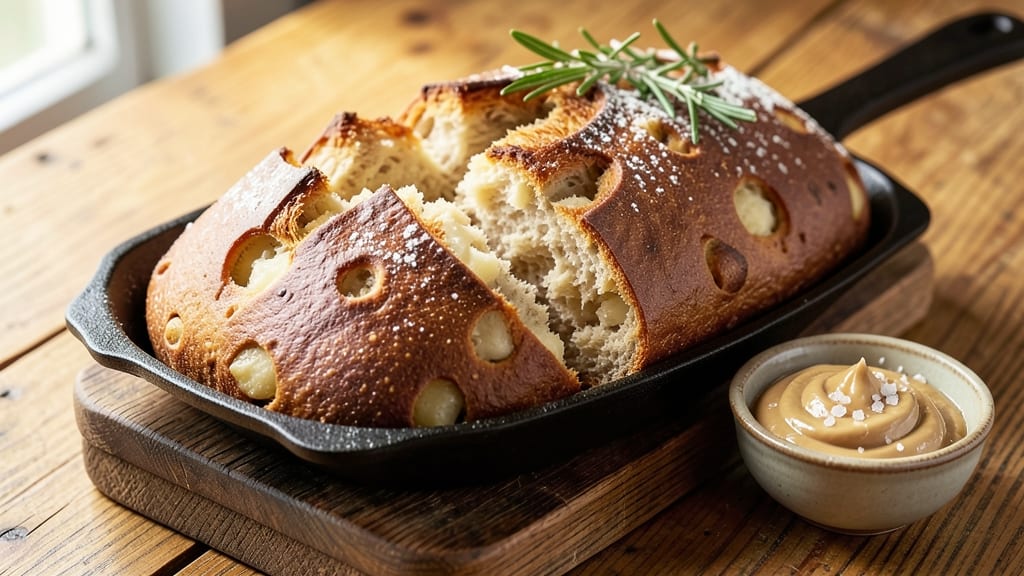
This fermented potato bread recipe transforms humble potatoes into a loaf with a tangy crust and light, airy crumb—a texture and flavor profile that sets it apart from traditional bread.
The fermentation process, where potato water replaces some of the water in the dough, creates a subtle sourness and enhances the bread’s keeping qualities. I developed this recipe after years of experimenting with sourdough starters, and the results are nothing short of impressive.
The key to success lies in the fermentation stage, where the dough develops its signature depth of flavor and structure. Unlike quick breads, this recipe requires patience—allowing the dough to ferment for at least 8 hours (or overnight) ensures a well-developed gluten network and that signature tang.
The potatoes, boiled and mashed into the dough, add moisture and a subtle sweetness that balances the sour notes from fermentation.
What you’ll end up with is a loaf that’s crisp on the outside with a soft, open crumb inside—ideal for serving with soups, as toast, or alongside spreads. The fermentation process also makes this bread perfect for meal prep, as it stays fresh for days without drying out.
Whether you’re a seasoned baker or just starting out, this recipe delivers professional results with simple techniques.
For those with dietary restrictions, a vegan version is possible by substituting plant-based milk and using flax eggs, though the traditional recipe relies on yeast for fermentation.
The beauty of this bread lies in its versatility—enjoy it fresh from the oven or toasted the next morning. Let’s get started on creating this unique loaf.
Ingredients for fermented potato bread
Potatoes, yeast, and patience create this extraordinary loaf with its signature tangy crust and airy interior.
| Ingredient | Amount | Notes |
|---|---|---|
| Russet Potatoes 🥔 | 2 lbs | Yukon gold preferred for creaminess |
| Unbleached All-Purpose Flour 🌾 | 3 ½ cups | High-protein for better gluten |
| Active Dry Yeast 🍞 | ¼ oz | Fresh yeast preferred if available |
| Granulated White Sugar 🍚 | ¼ cup | Organic preferred for fermentation |
| Diamond Crystal Kosher Salt 🧂 | 1 ½ tsp | Fine grain preferred for even dissolving |
| Large Eggs 🥚 | 2 whole | Room temperature for even mixing |
| Unsalted Butter 🧈 | ½ cup | Cold, cubed for easier incorporation |
| Whole Milk 🥛 | ½ cup | Room temperature for fermentation |
| Extra-Virgin Olive Oil 🫒 | 2 tbsp | For dough coating and flavor |
| Cornmeal 🌽 | ¼ cup | For dusting bread pan |
| Water 💧 | 1 ½ cups | Filtered preferred for clarity |
| Fresh Potato Water 🥔 | 1 cup | From boiling potatoes |
The potatoes are the foundation—Russet or Yukon Gold deliver that perfect balance of moisture and starch. Boil them until tender, then mash them into the dough along with their starchy water, which becomes the secret to that signature tang. King Soopers or local organic markets often carry the best potatoes for this recipe. For the flour, King Arthur or Caputo brands provide the high-protein content needed for that professional gluten structure. The yeast should be fresh, but if using active dry, make sure it's dated within the last few months for optimal fermentation. Store your yeast in the freezer if you want to extend its shelf life.
No Yukon Golds? Russet potatoes work just fine—they'll be slightly starchier but still delicious. Running short on whole milk? Buttermilk or even plant-based milk can substitute, though the fermentation may take slightly longer. The olive oil can be swapped for avocado oil or melted butter if preferred. For a vegan version, replace the eggs with flax eggs (2 tbsp ground flaxseed + 6 tbsp water per egg) and use plant-based milk throughout. The cornmeal can be omitted if you don't have it, but it helps create that beautiful crust. If your dough feels too sticky, add 1 tbsp more flour gradually until it reaches a manageable consistency.
This dough requires 8-12 hours of fermentation at room temperature for optimal flavor development. Once shaped, cover it with a damp towel and let it rise in a warm place—near the oven with the light on works perfectly. The bread keeps well for 5-7 days at room temperature, wrapped in a clean kitchen towel. For longer storage, freeze the loaf fully cooled for up to 3 months. To revive, simply warm it in a 350°F oven for 10 minutes. The crust will crisp up beautifully, and the interior will be perfectly soft—just like fresh from the oven.
Why You'll Love This Recipe
- No Boil, No Stress: I peel and grate those Russets right into the dough—no pre-cooking, no waiting for water to boil. The yeast works its magic while I chop, and by the time I knead, the potatoes are already breaking down into that velvety texture.
- Tangy, Toasty Magic: That fermented potato base? It’s like a sourdough hug—slightly sour, deeply savory, with a crust so crisp it shatters like a perfect cracker. Honestly, I’ve never had bread this addictive without fancy starters or hours of proofing.
- Weeknight Wonder: Toss a loaf in the freezer and pull it out for breakfast toast or dinner rolls—no thawing needed. Between us, this is the bread I grab when I’m too tired to plan, and it never lets me down.
- Pantry Goldmine: Russets and flour are cheap staples, and one batch stretches into sandwiches, garlic butter toast, or even croutons for weeks. I’ll be real: my grocery budget thanks me every time I make this.
Step-by-step instructions for fermented potato bread
Mastering this recipe delivers a uniquely tangy crust with an airy, open crumb—here's the precise method.
Prepare the Potato Ferment for Depth of Flavor
Peel the 2 lbs russet potatoes and cut them into 1-inch chunks. Place them in a medium saucepan and cover with the 1.5 cups water. Bring to a boil over high heat, then reduce to a simmer for 15 minutes until fork-tender. Drain thoroughly, reserving the 1 cup fresh potato water in a separate container.
While still warm, mash the potatoes until completely smooth. Transfer to a mixing bowl and let cool to room temperature. The starch content in potatoes creates a unique fermentation profile—this step builds the bread's signature tangy character. The potato water will later replace some of the water in the dough for enhanced flavor and moisture retention.
Activate the Yeast and Create the Dough Base
In a separate bowl, dissolve the 0.25 oz active dry yeast in the 0.5 cup room-temperature whole milk with the 0.25 cup granulated white sugar. Let sit for 5-7 minutes until frothy—this confirms active fermentation. If it doesn't bubble, your yeast may be inactive.
In the bowl with the mashed potatoes, combine the 3.5 cups unbleached all-purpose flour and 1.5 tsp diamond crystal kosher salt. Make a well in the center and pour in the yeast mixture along with the 2 room-temperature large eggs and 0.5 cup cold cubed unsalted butter. Using a dough whisk, gradually incorporate the 1 cup fresh potato water until a shaggy dough forms.
Develop the Dough Through Controlled Fermentation
Turn the dough onto a lightly floured surface and knead for 8-10 minutes until smooth and elastic. The dough should be slightly tacky but not sticky. For best results, use a stand mixer with a dough hook on medium speed for 6-7 minutes—this builds proper gluten structure without overworking.
Place the dough in a lightly oiled bowl, cover with a damp towel, and let rise in a warm place for 1-2 hours or until doubled in size. The warm environment (75-80°F) is crucial for proper yeast activation. I place my bowl on top of my turned-off oven with the light on for consistent warmth. The dough should spring back slowly when poked with a finger.
Shape and Proof for Optimal Texture
Punch down the risen dough to release air, then divide it into 4 equal portions. Gently shape each into a round loaf, leaving the seams slightly rough for better oven spring. Place each loaf on a parchment-lined baking sheet dusted with 0.25 cup cornmeal.
Cover loosely with plastic wrap and let proof for another 30-45 minutes until puffy. The cornmeal prevents sticking and adds subtle flavor to the crust. During this final proof, the dough should expand noticeably—this indicates proper gluten development and gas production for that signature airy crumb.
Bake to Achieve the Perfect Crust and Crumb
Preheat your oven to 375°F with a baking stone or inverted baking sheet inside. Brush the loaves with 2 tbsp extra-virgin olive oil and bake for 25-30 minutes until golden brown and internal temperature reaches 190°F. The potato content creates a moist interior while the olive oil enhances crust browning.
For maximum flavor development, transfer the bread to a wire rack and let cool for at least 20 minutes before slicing. The bread will continue to develop its signature tang as it cools. Slice with a serrated knife for clean cuts that reveal the open crumb structure. Serve warm with cultured butter or olive oil for the full flavor experience.
Pro Tips For Making Fermented Potato Bread
- BOIL POTATOES UNTIL TENDER: Russets should collapse like overcooked mashed potatoes when pierced with a fork—no resistance. I learned this the hard way after a batch turned out dense; undercooked starch doesn’t break down properly, and your bread will feel like eating a hockey puck.
- COOL POTATOES COMPLETELY: Drain and spread them on a wire rack for at least 20 minutes before mashing. Warm potatoes release excess moisture into the dough, making it gummy and hard to handle. (Yes, even if you’re impatient like me.)
- WEIGH YOUR FLOUR: Scoop-and-level measuring cups lie. Use a kitchen scale for the flour—this recipe relies on precise ratios for the right ferment and texture. A 1-ounce difference throws off the whole loaf.
- FERMENT IN A COOL PLACE: Skip the oven or warm kitchen—let the dough rise at 65–70°F for 8–12 hours. Too warm speeds up fermentation, and your bread will taste sour or collapse. A basement or turned-off fridge works perfectly.
Creative variations of this dish
Savory Herb Variation
Infuse the dough with fresh herbs by mixing in 2 tbsp chopped rosemary and 1 tbsp chopped thyme during the initial mixing stage. The herbs pair beautifully with the potato’s earthy flavor, creating a rustic, herby loaf perfect for serving with roasted meats.
I like to lightly toast the herbs in a dry pan for 1 minute before adding them to deepen their aroma. 🌿
Sweet Potato Twist
Swap russet potatoes for 2 lbs sweet potatoes, boiled and mashed into the dough. The natural sweetness of sweet potatoes adds a caramelized depth when baked, creating a loaf with a slightly sweet, moist crumb.
Boost the flavor by adding 1 tsp cinnamon to the dough. This variation works wonderfully as a dessert bread when served with whipped cream or honey.
Whole Grain Boost
Replace 1 cup of the all-purpose flour with 1 cup whole wheat flour or 1 cup rye flour for a nuttier, denser loaf. The whole grains add fiber and a heartier texture, while still maintaining the bread’s signature tang.
For best results, use a mix of 50% whole grain and 50% all-purpose flour to balance chewiness and structure. 🌾
Cheesy Potato Loaf
Add 1 cup shredded sharp cheddar or Gruyère to the dough for a rich, cheesy variation. The cheese melts during baking, creating pockets of gooey goodness throughout the loaf.
For extra flavor, sprinkle ½ tsp smoked paprika over the top before baking. This version is ideal for sandwiches or as a hearty side to soups and stews.
Gluten-Free Adaptation
For a gluten-free version, replace the all-purpose flour with a 1:1 gluten-free flour blend like Bob’s Red Mill or King Arthur. Add 1 tsp xanthan gum to help bind the dough, and increase the potato water by 2 tbsp to compensate for the lower gluten content.
The texture will be slightly denser but still retain the tangy flavor. Let the dough rest for 10 minutes after mixing to hydrate fully.
Seeded Crust Option
Before baking, sprinkle the loaves with a mix of 1 tbsp sesame seeds, 1 tbsp poppy seeds, and 1 tbsp flaxseeds for added crunch and nutrition. The seeds toast beautifully in the oven, creating a textured crust that contrasts with the soft interior.
This variation adds a visual appeal and a subtle nutty flavor that complements the potato’s sweetness. 🌰
Nutrition facts
Frequently asked questions
Why does this bread have a tangy flavor?
The tang comes from fermenting the dough with potato water instead of regular water. The natural starches and enzymes in potatoes create lactic acid during fermentation, giving that signature sour note. The longer you ferment (8+ hours), the more pronounced the tang becomes!
Can I make this bread without a stand mixer?
Just knead by hand for 8-10 minutes on a lightly floured surface until the dough becomes smooth and elastic. The key is to develop the gluten properly—press and fold the dough rather than just punching it. A dough scraper helps prevent sticking.
How do I know when the dough is fully fermented?
Look for three signs: the dough should have doubled in size, leave a clear fingerprint when poked (not spring back immediately), and smell slightly sweet with a hint of tang. For best results, ferment at 75-80°F—a warm oven with the light on works perfectly.
What's the best way to store leftover bread?
Wrap cooled loaves in a clean kitchen towel and store at room temperature for 5-7 days. For longer storage, freeze fully cooled bread for up to 3 months. To revive, warm in a 350°F oven for 10 minutes—the crust will crisp up beautifully while keeping the interior soft.
Can I substitute sweet potatoes for russets?
Yes! Sweet potatoes work wonderfully—they add natural sweetness and moisture. For best results, add 1 tsp cinnamon to the dough. The texture will be slightly denser but still retain that signature tang. Just ensure they're fully mashed before mixing to avoid lumps.