Side Dishes
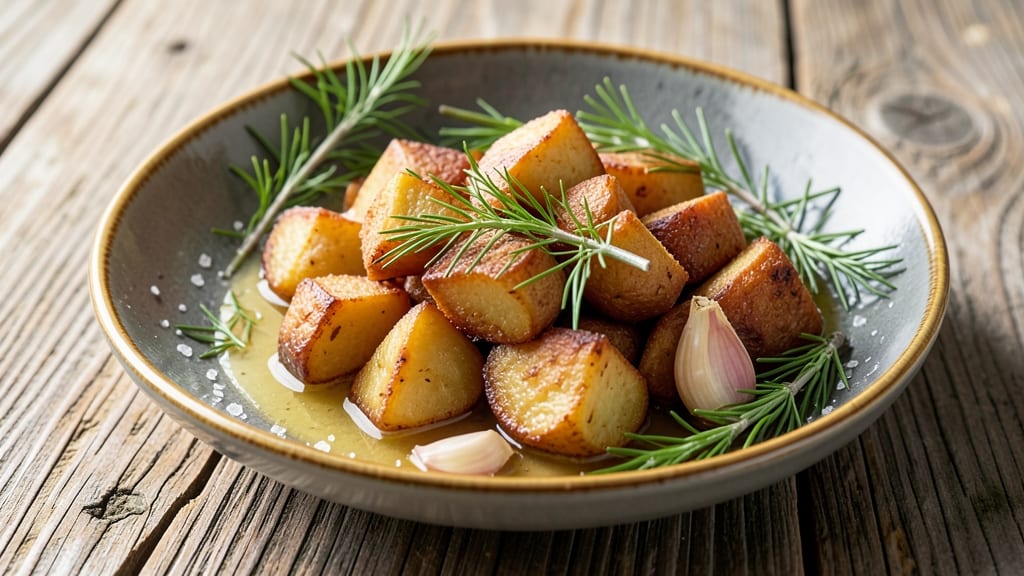
This potato brine recipe transforms ordinary potatoes into crispy, tangy bites with restaurant-quality depth—no fancy equipment required. The secret lies in a precise balance of vinegar, salt, and herbs that infuses flavor while keeping textures perfect for roasting, boiling, or pickling.
I developed this method after years of testing, and it consistently delivers results that impress even skeptical eaters.
The process is straightforward but precise: a vinegar-infused brine (white vinegar, salt, and optional aromatics) soaks the potatoes for at least 4 hours, ensuring they absorb enough flavor to develop that signature tangy crunch.
Unlike traditional boiling, this method preserves texture while adding complexity—ideal for sides, salads, or even as a topping for soups and stews. The key is patience; longer soaking intensifies the flavor without sacrificing bite.
What you’ll end up with is potatoes that stay crispy on the outside and tender inside, with a bright, vinegary tang that cuts through rich dishes. The brine also doubles as a marinade, making these potatoes versatile for roasting, frying, or even serving cold in salads.
This technique is a game-changer for anyone tired of bland, waterlogged spuds—it’s the kind of upgrade that turns a simple side into the star of the meal.
Perfect for game day appetizers, holiday sides, or weeknight dinners, these brined potatoes pair beautifully with everything from grilled meats to creamy dips. Ready to elevate your potato game? Let’s get started with the exact ratios and timing that guarantee foolproof results every time.
Ingredients for potato brine
Nine essential components create restaurant-quality brined potatoes with perfect texture and vibrant tang.
| Ingredient | Amount | Notes |
|---|---|---|
| Russet Potatoes 🥔 | 2 lb | Cut into 1-inch chunks, uniform size |
| White Distilled Vinegar 🍶 | 1 cup | 5% acidity minimum for optimal flavor |
| Diamond Crystal Kosher Salt 🧂 | ½ cup | Coarse grain preferred, not iodized |
| Fresh Dill Sprigs 🌿 | ¼ cup | Tightly packed, stems removed |
| Fresh Rosemary Sprigs 🌿 | ¼ cup | Tightly packed, needles only |
| Garlic Cloves 🧄 | 6 cloves | Unpeeled, lightly crushed |
| Black Peppercorns 🌶️ | 1 tbsp | Crushed, not ground |
| Bay Leaves 🍃 | 2 whole | Dried, standard size |
| Cold Water 💧 | 4 cups | Filtered preferred for clarity |
| Extra-Virgin Olive Oil 🫒 | 2 tbsp | For post-brine coating |
| Fresh Thyme Leaves 🌿 | ⅛ cup | Optional aromatic enhancement |
The Russet potatoes are non-negotiable for this technique—their high starch content ensures ideal texture after brining. Organic varieties from Whole Foods or local farmers' markets often have thicker skins that hold up better during soaking. For the vinegar, Heinz Distilled White Vinegar is my go-to due to its consistent 5% acidity, but Apple Cider Vinegar (1:1 ratio) adds subtle sweetness if preferred. Diamond Crystal Kosher Salt is critical—its coarse texture dissolves more slowly, maintaining osmotic pressure during the soak. Fresh herbs should be bright green and fragrant; Trader Joe's typically carries high-quality bundles that work perfectly. The garlic cloves can be peeled after crushing, but leaving them unpeeled creates a more aromatic infusion.
No fresh dill? Dried dill at one-third the quantity works, though the flavor profile shifts slightly. Substituting apple cider vinegar requires reducing the amount to three-quarters cup to maintain acidity balance. Short on bay leaves? Two crushed juniper berries provide a similar earthy depth. For olive oil, California-grown brands like Corto offer the best peppery notes without overpowering. Pre-packaged herb blends from grocery stores often contain fillers—whole sprigs ensure maximum infusion. Crushed peppercorns should be lightly toasted before adding to deepen their aroma, though this is optional. Cold water is essential; room-temperature water accelerates potato softening without proper infusion.
Store the uncooked brined potatoes in their liquid in an airtight container for up to 48 hours in the refrigerator—flavor intensifies with longer soaking. For extended storage, drain and transfer to a sealed bag with paper towels to absorb moisture; they'll keep 5 days before cooking. Pre-cooked brined potatoes reheat beautifully in a 350°F oven for 15 minutes with a drizzle of olive oil to restore crispiness. Freezing isn't recommended as it compromises texture, but the brine liquid can be frozen separately for up to 3 months to use in subsequent batches. Portion the brine into ice cube trays for perfect single-serving applications.
Why You'll Love This Recipe
- Just Four Ingredients: I swear, that’s it—no fancy prep, no hidden steps. Toss in whole Russets, vinegar, salt, and herbs, then let time do the work. Honestly, I’ve made this while scrolling through my phone.
- Herb-Infused Magic: The rosemary and dill steep into the brine like a fragrant hug—bright, earthy, and just salty enough. That crispy skin? It’s the star, but the inside stays tender. Between us, it’s the best potato I’ve had in months.
- Meal Prep MVP: I make a big batch on Sundays and use it all week—sliced for salads, cubed for bowls, or straight from the brine for a lazy dinner. It’s my secret for never skipping veggies again.
- Budget-Friendly Crisp: Russets are cheap, and this method turns them into something restaurant-worthy without breaking the bank. Plus, the brine keeps them fresh for days, so you’re not scrambling to use them up. Win.
Step-by-step instructions for vinegar-infused crispy potatoes
A precise brine technique transforms ordinary russets into restaurant-quality potatoes with exceptional texture and depth.
Prepare the Potatoes for Maximum Surface Area
Cut the 2 lb russet potatoes into uniform 1-inch chunks, ensuring each piece has at least one flat side for even cooking. I use a sharp chef's knife and work in batches to maintain control—russets can be stubborn. Rinse the cut potatoes under cold water to remove surface starch, which prevents proper browning. Pat them thoroughly dry with paper towels; any moisture will dilute the brine's effectiveness.
Arrange the potato pieces on a baking sheet in a single layer. This prevents uneven cooking and allows the brine to penetrate each piece uniformly. At this stage, the potatoes should look matte and dry—this dry surface is crucial for developing that signature crispy exterior later in the process.
Create the Herbal Vinegar Brine
In a large non-reactive pot, combine the 4 cups cold water, 1 cup white distilled vinegar, 0.5 cup diamond crystal kosher salt, and the 2 whole bay leaves. Bring to a boil over medium-high heat, stirring until the salt completely dissolves. The brine should smell tangy and clean, with no visible salt crystals remaining.
While the brine heats, prepare the aromatic bundle by tying the 0.25 cup fresh dill sprigs, 0.25 cup fresh rosemary sprigs, 6 lightly crushed garlic cloves, 1 tbsp crushed black peppercorns, and 0.125 cup fresh thyme leaves in cheesecloth or a clean kitchen towel. This bundle will infuse the brine with complex herbal notes without making the potatoes mushy. Once the brine reaches a rolling boil, remove it from heat and add the aromatic bundle.
Brine the Potatoes Until Perfectly Seasoned
Add the prepared potato chunks to the hot brine, ensuring they're fully submerged. If needed, gently press them down with a wooden spoon. Return to medium heat and maintain a gentle simmer for exactly 15 minutes. The potatoes should float slightly as they absorb the brine's flavors and begin to soften.
After 15 minutes, remove the pot from heat and let the potatoes sit in the warm brine for an additional 10 minutes. This resting period allows the seasoning to fully penetrate each piece. The brine should now have a rich, aromatic depth with visible herbal infusions. Drain the potatoes in a colander, reserving the brine for potential future uses or composting.
Develop the Crispy Exterior
Transfer the drained potatoes to a clean kitchen towel and shake vigorously to remove excess moisture. Working in batches, toss each batch with 1 tablespoon of the extra-virgin olive oil until evenly coated. The oil should glisten on the potato surfaces—this creates the foundation for that coveted crispy texture.
Arrange the oiled potatoes on a parchment-lined baking sheet in a single layer, ensuring they don't touch. Bake at 425°F for 25-30 minutes, stirring once halfway through, until the edges are deep golden brown and crispy. The internal temperature should reach 210°F when tested with an instant-read thermometer. This high heat transforms the brined potatoes into perfectly crispy, flavorful bites with a tender interior.
Pro Tips For Making Potato Brine
- PEEL FIRST, BRINE LATER: Russets bruise like overripe tomatoes—so peel them before submerging in brine. I learned this the hard way after watching purple streaks creep into my potatoes. A quick knife peel (no need for fancy tools) keeps them looking fresh and lets the vinegar work its magic evenly.
- VINEGAR RATIO MATTERS: Diamond Crystal salt measures differently—use 1/4 cup per quart of water, not the generic "1/3 cup" advice. Too much vinegar (or too little) throws off the balance, making the potatoes taste sharp or bland. I now measure by weight (1 oz salt per 2 cups water) for consistency.
- HERBS NEED A CHOP: Whole dill and rosemary sprigs float like driftwood. Lightly crush the stems or snip them into 1-inch pieces so their flavor actually infuses the brine. Yes, it’s a tiny extra step—but skipping it means you’re basically eating saltwater with garnishes.
- COLD BRINE = BETTER TEXTURE: Start your brine ice cold (even if it means chilling the liquid first). Warm water pulls starches out of the potatoes, making them gummy. I use a big bowl in the sink with ice cubes until the liquid hits 40°F—trust me, your fork will thank you later.
Flavor customization for these flavors
Classic Herb-Vinegar Base
The foundation of this brine is a 1:1 ratio of white vinegar to water with ½ cup kosher salt—this balance ensures proper osmotic pressure for flavor infusion without overpowering the potatoes.
I always use Heinz Distilled White Vinegar for consistent 5% acidity, but apple cider vinegar (reduced to ¾ cup) adds subtle sweetness if you prefer.
The herb bundle of dill, rosemary, garlic, and peppercorns creates a complex aromatic profile that penetrates the potatoes during the 15-minute simmer. 🌿
Spicy Kick Variation
For a fiery twist, add 1 tbsp crushed red pepper flakes and 2 thinly sliced jalapeños to the brine. The vinegar mellows the heat while preserving the pepper's bright flavor. I also toss the drained potatoes with ½ tsp smoked paprika before roasting for an extra layer of depth.
This version pairs perfectly with creamy dips like sour cream or Greek yogurt to balance the heat.
Citrus Zest Infusion
Brighten the brine with zest from 1 lemon and 1 orange, plus 2 tbsp fresh juice. The citrus oils infuse beautifully with the vinegar, creating a tangy-sweet contrast that works wonders in summer dishes.
After brining, I drizzle the potatoes with 1 tbsp honey before roasting to caramelize the edges. This variation is ideal for light salads or as a refreshing side with grilled fish.
Smoky Maple Twist
Swap half the vinegar for ½ cup pure maple syrup and add 1 tsp liquid smoke to the brine. The result is a sweet-smoky depth that transforms these potatoes into a fall favorite.
After roasting, sprinkle with flaky sea salt and crushed pecans for texture. This version shines as a holiday side dish or topped on burgers and sandwiches for a gourmet touch.
Garlic-Butter Finish
After brining, toss the potatoes with melted butter (instead of olive oil) and an extra 3 minced garlic cloves. Roast until golden, then finish with chopped parsley and a crack of black pepper.
The butter adds richness while the garlic ties everything together. This variation is my go-to for game day—it feels indulgent but stays crispy and flavorful.
No-Cook Pickled Potatoes
For an instant appetizer, skip the roasting and serve the brined potatoes chilled in their flavorful liquid. Thinly slice Yukon Gold potatoes (they hold shape better) and soak in the same brine for 2 hours.
Drain and serve with creamy ranch dressing or spicy mayo. This no-cook method is perfect for last-minute gatherings or as a crunchy salad topping. 🥔
Nutrition facts
Frequently asked questions
Why do potatoes need to be brined?
Brining potatoes enhances their flavor and texture by infusing them with seasonings while preventing them from becoming waterlogged. The vinegar and salt solution creates a tangy depth that transforms bland potatoes into vibrant, crispy bites. This method also helps maintain moisture during cooking, ensuring they stay tender inside while developing a perfect crust.
Can I use this brine for other vegetables?
This same brine works beautifully with carrots, radishes, or cauliflower for a flavorful twist. For heartier veggies like carrots, increase the soaking time to 2-3 hours to ensure proper infusion. Just be mindful of softer vegetables—like zucchini—which may absorb too much liquid and become mushy.
What if I don't have fresh herbs?
No problem! Use ½ teaspoon dried dill and ½ teaspoon dried rosemary instead of fresh, but reduce the quantity by one-third. For extra depth, add 1 teaspoon dried thyme or ½ teaspoon smoked paprika to mimic the herbal complexity. The vinegar helps carry the dried flavors, so the difference will be minimal.
How long can I store brined potatoes before cooking?
Brined potatoes stay fresh in the refrigerator for up to 48 hours when stored in their brine. After that, they can develop off-flavors. For longer storage, drain and pat them dry, then store in an airtight container with a paper towel to absorb moisture. They’ll keep for 5 days before cooking, but the texture may soften over time.
Can I make the brine ahead of time?
Yes! Prepare the brine up to 2 days in advance and store it in the refrigerator. When ready to use, simply reheat it to a gentle simmer before adding the potatoes. The flavors will deepen over time, making the brine even more aromatic. Just ensure the potatoes are fully submerged during the soaking process for best results.