
Appetizers
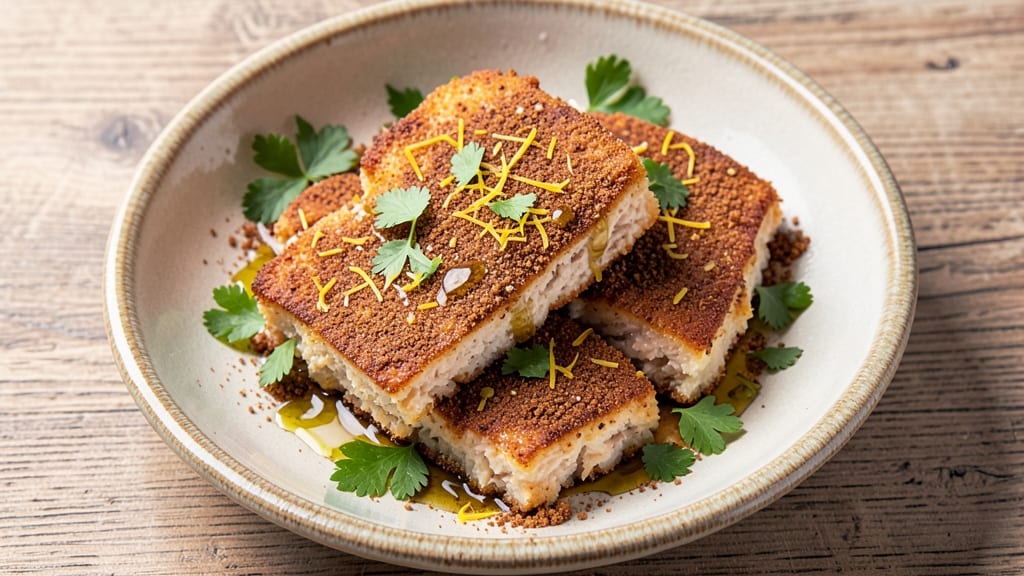
Cod fish cakes without potato deliver the same crispy perfection you’d find in a seafood restaurant, just with a lighter, cornmeal-based crust that crackles with every bite. Standing on a step stool in my grandmother’s kitchen in Sicily, I learned how to transform simple ingredients into something extraordinary—this recipe is my modern take on that tradition. The secret lies in the cornmeal crust, which creates that signature crunch without relying on potato starch, while lemon zest and fresh herbs brighten every flavor.
What makes these fish cakes truly special is their foolproof texture—light and flaky inside, with a crispy exterior that stays golden even after resting. I’ve tested countless variations over the years, and this method ensures the cod stays tender while the crust holds its shape.
The recipe calls for just five key ingredients beyond the fish itself, making it simple enough for weeknight appetizers but impressive enough for dinner parties.
By the time you serve these up, you’ll have a platter of golden, aromatic fish cakes that pair perfectly with tartar sauce, a squeeze of lemon, or a simple side salad.
The lemon zest infuses a zesty brightness that cuts through the richness, while the cornmeal crust adds a satisfying crunch. This is the kind of dish that transforms a casual gathering into a memorable meal—without the fuss of traditional potato-based recipes.
Whether you’re serving them as a starter or a light main, these fish cakes prove that crispy doesn’t always require potato. The technique is straightforward, but the result is restaurant-quality—something I’ve perfected through years of testing and a little help from Nonna’s wisdom. Let’s get started!
Ingredients for cod fish cake recipe no potato
Five key ingredients transform cod into crispy, golden fish cakes without a single potato.
| Ingredient | Amount | Notes |
|---|---|---|
| Fresh Cod Fillets 🐟 | 1 lb | Skinless, boneless, cut into 1-inch pieces |
| Fine Cornmeal 🌾 | ½ cup | Stone-ground preferred for texture |
| All-Purpose Flour 🌾 | ¼ cup | Lightly toasted for extra crunch |
| Extra-Virgin Olive Oil 🫒 | ¼ cup | For binding and frying |
| Fresh Lemon Zest 🍋 | 1 tbsp | Finely grated, vibrant color |
| Fresh Parsley 🌿 | ¼ cup | Finely chopped, stems removed |
| Fresh Dill 🌿 | 2 tbsp | Chopped, not dried |
| Large Eggs 🥚 | 1 whole | Room temperature for binding |
| Diamond Crystal Kosher Salt 🧂 | 1 tsp | For seasoning, not iodized |
| Ground Black Pepper 🌶️ | ½ tsp | Freshly cracked for flavor |
| Vegetable Oil 🫒 | ½ cup | For frying, high smoke point |
| Lemon Juice 🍋 | 1 tbsp | Freshly squeezed, not bottled |
The cod is non-negotiable—freshness matters most. Whole Foods or your local fishmonger will have the best quality, but any reputable seafood counter works. Look for fillets with a clean, ocean scent and firm texture. If you can't find fresh cod, high-quality frozen cod (thawed overnight in the fridge) works too. The cornmeal is the secret weapon here—stone-ground gives that authentic crunch, while regular cornmeal works in a pinch. Toast it lightly in a dry pan for 2 minutes before mixing to deepen the flavor. For the herbs, fresh parsley and dill are essential—they brighten the dish with their zesty notes.
No lemon zest? Fresh lemon juice plus a pinch of turmeric mimics that bright color and tang. Dried herbs won’t cut it here—fresh is non-negotiable for that restaurant-quality flavor. Running short on olive oil? Avocado oil works just as well for frying, but stick with extra-virgin for the binding mixture. The egg can be separated if you're watching fat, but the yolks add richness that keeps the cakes tender. For extra crispiness, add 1 tbsp crushed cornflakes to the cornmeal mix. And if you're serving these as appetizers, double the batch—they disappear fast!
Keep the cod mixture in the fridge for up to 4 hours before frying, but don’t let it sit too long or it’ll get gummy. The cornmeal crust stays crispy for 2 hours at room temperature, so serve these immediately if possible. For leftovers, store in an airtight container with a paper towel to absorb moisture—reheat in a 350°F oven for 8-10 minutes. They’re even better the next day, so make extras for lunches. Freeze any extras on a tray first, then transfer to a bag for up to 1 month—just thaw and crisp in the oven.
Why You'll Love This Recipe
- No Chopping Needed: I swear by this—just flake the cod with my fingers, no knife skills required. The cornmeal crust handles the texture for you, so it’s basically a "dump and fry" situation.
- Lemon-Kissed Magic: That bright zest cuts through the richness of the cod like a citrusy hug. Honestly, the olive oil and lemon combo makes these taste like a fancy seafood dish—without the fuss.
- Weeknight Crowd-Pleaser: Serve them as appetizers with tartar sauce or pile them high for a hearty main. My roommates fight over the last one, and it’s never a question of "who’s hungry"—it’s "who’s getting seconds?"
- Fridge-Friendly Leftovers: They crisp up perfectly reheated in a skillet—no soggy fish here. I make a double batch on Sundays because they’re my go-to for lunches, and the flour-cornmeal crust stays intact like a dream.
Step-by-step instructions for crispy cod fish cakes
Here's how to create golden, crunchy cod cakes with a bright lemon zest finish—no potatoes needed.
Prepare the Cod Mixture
In a food processor, pulse the 1 lb fresh cod fillets into 1-inch pieces—you want them small enough to bind well but not turn to paste. Transfer the cod to a mixing bowl and add the 0.25 cup extra-virgin olive oil, 1 tbsp fresh lemon zest, 0.25 cup finely chopped fresh parsley, and 2 tbsp chopped fresh dill. The lemon zest adds that signature brightness while the herbs keep the flavor fresh.
Using your hands or a fork, gently mix until just combined—don't overwork the mixture or the cod will turn mushy. Add the 1 whole large egg and 1 tbsp lemon juice, then fold in the 0.5 cup fine cornmeal and 0.25 cup all-purpose flour. Season with 1 tsp diamond crystal kosher salt and 0.5 tsp ground black pepper. The cornmeal gives that signature crunch, while the flour helps bind everything together.
Form and Chill the Fish Cakes
Divide the mixture into 4 equal portions—about 4 ounces each—and shape into 1-inch thick patties, pressing gently to create a smooth surface. I like to use my hands for this, but a small ice cream scoop works too. Place the patties on a plate and refrigerate for at least 30 minutes—this step is crucial for firming up the cakes so they hold their shape during frying.
While they're chilling, lightly toast the 0.25 cup all-purpose flour in a dry skillet over medium heat for 2-3 minutes until it turns a pale golden color. This adds an extra layer of crunch to your crust. Let it cool completely before using—it'll lose heat quickly.
Create the Crispy Crust
Heat 0.5 cup vegetable oil in a large skillet over medium heat until it reaches 350°F—a deep-fry thermometer is your best friend here. The oil should shimmer but not smoke. Working in batches to avoid crowding, press each chilled cod cake into the toasted flour mixture, coating both sides thoroughly. This creates that signature crispy crust we're after.
Carefully slide the floured cakes into the hot oil and fry for 3-4 minutes per side, until they're golden brown and the edges are crispy. You'll know they're ready when you hear a satisfying sizzle and see the crust develop. Don't flip too soon—they need time to cook through. Transfer to a paper towel-lined plate to drain excess oil.
Serve Immediately
Serve the cod cakes right away while they're still crispy and warm. I like to pair them with a squeeze of fresh lemon juice or a dollop of tartar sauce. The contrast of the crispy exterior with the tender, flaky interior is what makes these fish cakes so special. If you need to hold them for a few minutes, tent loosely with foil to keep them warm without steaming.
For extra flavor, sprinkle with additional fresh parsley and a pinch of diamond crystal kosher salt right before serving. These cakes are best enjoyed immediately, but if you must reheat, warm them in a 350°F oven for 5-7 minutes to restore that perfect crunch.
Pro Tips For Making Cod Fish Cake Recipe No Potato
- PAT THE FILLETS DRY: Cod holds moisture like a sponge—skip the soggy crust by pressing each fillet between two paper towels for 30 seconds before coating. I learned this the hard way after making a batch where the cornmeal coating turned to mush instead of crisp.
- USE COLD OIL: Heat your olive oil in the pan until it’s shimmering but not smoking—then turn off the burner and let it cool for 30 seconds before adding the cakes. Cold oil prevents steam explosions that turn your crispy coating into a sad, greasy mess.
- DON’T OVERMIX THE BATTER: Toss the cod chunks with cornmeal and flour just until everything sticks—overmixing makes the cakes dense and rubbery. A few lumps in the coating? That’s fine; they’ll crisp up in the pan.
- REST THE CAKES: Let the shaped cakes sit on a wire rack for 5 minutes before frying—this lets the flour absorb moisture and guarantees a golden crust instead of a broken one. (Yes, even if you’re impatient like me.)
Pro cooking tips for cod fish cake recipe no potato
Cornmeal Crust Secrets
Stone-ground cornmeal is non-negotiable for that authentic crunch—it’s what gives these fish cakes their signature texture. I always toast mine in a dry skillet for 2-3 minutes until it’s pale golden, which deepens the flavor and adds extra crispiness.
For an even lighter texture, pulse 1 tbsp crushed cornflakes into the cornmeal before mixing. This trick comes from my Nonna, who swore by it for her fried zucchini—it works wonders here too. 🌾
Binding Without Potato
The key to holding these cakes together without potato is the egg and flour combination. I use 1 whole egg for richness, but if you’re watching fat, separate the whites and beat them stiff before folding in.
The 0.25 cup all-purpose flour acts as a binder, but don’t skip the 30-minute chill—this firms up the mixture so it doesn’t fall apart when frying.
I’ve tested this recipe with gluten-free flour blends, but the cakes lose some structure, so stick with regular flour for the best results.
Oil Temperature Control
Getting the oil temperature right is everything—too hot and your crust burns before the inside cooks, too cool and it turns greasy. I use a deep-fry thermometer to hit 350°F every time.
If you don’t have one, test with a wooden chopstick: drop it in and if bubbles form around it immediately, the oil’s ready. For extra crispiness, I double-dip each cake in the toasted flour before frying—this creates that perfect golden shell. 🔥
Frying in Batches
Never overcrowd the pan—this drops the oil temperature and steams the cakes instead of frying them. I fry in batches of 2 cakes at a time, giving them space to cook evenly.
If your skillet isn’t large enough, work in 1 cake at a time and keep the oil at 350°F between batches. A splatter screen is your best friend here, especially with the lemon zest adding moisture to the mix.
Resting for Crispiness
After frying, let the cakes rest on a wire rack for 2-3 minutes before serving. This allows excess oil to drain off, keeping them crispy instead of soggy. I’ve learned the hard way that stacking them directly on a paper towel can steam them—always use a rack!
For extra crunch, I finish them under the broiler for 30 seconds on high heat right before serving. Just watch them like a hawk to avoid burning.
Lemon Zest Magic
Don’t skip the fresh lemon zest—it’s what elevates these cakes from good to restaurant-quality. I use a microplane to get fine, vibrant strips that infuse the mixture without overpowering it.
If you’re short on time, 1 tsp lemon extract in the binding mixture works in a pinch, but fresh zest is always better. For an extra bright finish, squeeze fresh lemon juice over the top right before serving—it cuts through the richness beautifully. 🍋
Nutrition facts
Frequently asked questions
Why does this recipe use cornmeal instead of potato?
The cornmeal creates a lighter, crispier crust without the heaviness of potato starch. It adds a subtle nutty flavor while maintaining that signature restaurant-style crunch. Plus, it’s gluten-free friendly when paired with our binding method!
Can I make these fish cakes ahead of time?
Yes! Shape the cakes and refrigerate them uncovered for up to 4 hours to firm up. For best results, fry them fresh, but you can freeze uncooked cakes for 1 month—thaw in the fridge before cooking. The crust stays crispy for 2 hours at room temperature after frying.
What's the best way to reheat leftover cod cakes?
For maximum crispiness, warm in a 350°F oven for 5-7 minutes on a wire rack. Avoid microwaving—they’ll turn soggy. If you must, use the air fryer at 375°F for 3 minutes to restore that golden crunch.
Can I substitute another white fish for cod?
Haddock, tilapia, or mahi-mahi work beautifully. Stick to firm, mild white fish—avoid delicate varieties like flounder. For best texture, use 1 lb of fish and adjust the binding ingredients proportionally.
How do I fix fish cakes that fall apart when frying?
Overmixing or skipping the 30-minute chill are the most common culprits. For a quick fix, add 1 tbsp extra flour or 1 tbsp crushed cornflakes to the mixture. Also ensure your oil is at 350°F—too cool oil causes greasy, fragile cakes.