Side Dishes
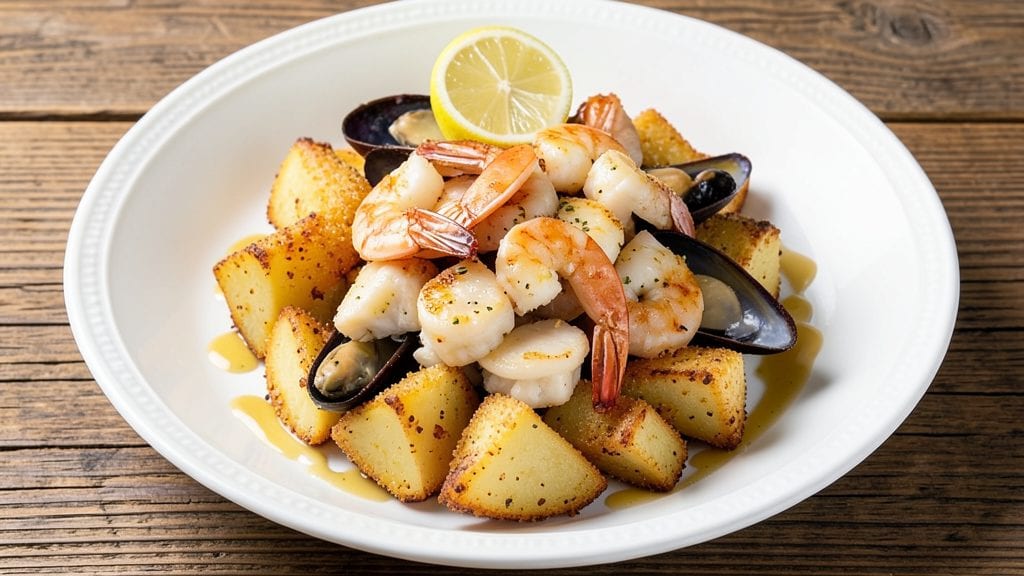
Mastering a seafood potatoes recipe that delivers crispy edges and tender centers is all about the cornmeal crust and buttery lemon finish—this combination transforms simple ingredients into a restaurant-worthy side dish.
I developed this recipe after years of testing techniques to ensure the potatoes stay perfectly crispy while the seafood cooks through evenly, so you never have to worry about dry potatoes or overcooked fish.
The secret lies in the timing: the potatoes bake while the seafood simmers, allowing flavors to meld without sacrificing texture.
The cornmeal crust creates that coveted crispy exterior, while the lemon zest brightens every bite with a zesty contrast. This method works beautifully with shrimp, scallops, or white fish, and the buttery sauce ties everything together with a rich, velvety finish.
What makes this recipe stand out is how effortlessly it comes together—just 30 minutes of active prep, followed by hands-off baking, and you’ll have a dish that feels like a gourmet creation without the fuss.
Imagine golden potatoes with a crispy cornmeal crust, their edges caramelized and their centers tender, paired with perfectly cooked seafood glistening in a buttery lemon sauce.
The aroma alone will have everyone at the table anticipating the first bite, and the balance of flavors—savory, buttery, and bright—makes this a side dish that steals the show. Whether you're hosting a dinner party or simply elevating a weeknight meal, this recipe delivers professional results with minimal effort.
This dish scales perfectly for any occasion—double the recipe for a crowd or keep it as-is for a cozy family dinner. The leftovers reheat beautifully, making it an ideal meal prep option for busy weeks. Let’s get started on creating a side dish that’s as impressive as it is delicious.
Ingredients for seafood potatoes
Simple yet refined ingredients elevate this seafood potatoes dish to restaurant-quality perfection.
| Ingredient | Amount | Notes |
|---|---|---|
| Russet Potatoes 🥔 | 2 lbs | Cut into 1-inch chunks, peeled |
| Fine Yellow Cornmeal 🌽 | ½ cup | Diamond Crystal preferred for texture |
| Extra-Virgin Olive Oil 🫒 | ¼ cup | High-quality, fruity variety |
| Unsalted Butter 🧈 | ½ cup | Cold, cubed for sauce |
| Fresh Lemon 🍋 | 1 whole | Zest and juice only |
| Seafood of Choice 🦐 | 1 ½ lbs | Shrimp, scallops, or white fish fillets |
| Garlic Cloves 🧄 | 4 cloves | Minced for sauce |
| Dry White Wine 🍷 | ½ cup | Sauvignon Blanc recommended |
| Fresh Parsley 🌿 | ¼ cup | Chopped, for garnish |
| Diamond Crystal Kosher Salt 🧂 | 1 ½ tsp | For seasoning |
| Ground Black Pepper 🌶️ | ½ tsp | Freshly ground |
| Heavy Cream 🥛 | ¼ cup | Full-fat for richness |
| Fresh Thyme Leaves 🌿 | ½ tsp | Dried at 1/4 tsp equivalent |
| Vegetable Oil 🫒 | 2 tbsp | For baking dish |
The Russet potatoes are non-negotiable for this recipe—their high starch content ensures that crispy crust you crave. Look for firm, blemish-free tubers at the grocery store, preferably organic if possible, as their thinner skins crisp better. Whole Foods or Trader Joe's carry excellent quality, or opt for a local farm stand where you can verify freshness. The cornmeal should be fine-ground—Diamond Crystal is the gold standard for its consistent texture, though Bob’s Red Mill works well too. Avoid pre-seasoned cornmeal blends, as they can alter the delicate balance of flavors in this dish.
No fresh lemon? Bottled lemon juice works in a pinch, though it lacks the bright zing of freshly zested citrus. Swap the white wine for additional seafood stock if needed, but the acidity helps tenderize the seafood. For seafood, shrimp is the most forgiving—wild-caught or farm-raised both work, but avoid pre-cooked shrimp. Scallops should be dayboat for peak sweetness, while white fish like cod or halibut should be freshly filleted. The extra-virgin olive oil must be high-quality; California avocado oil is another excellent alternative for high-heat stability. If you're missing fresh thyme, dried thyme at one-quarter the amount suffices, though fresh imparts a superior aroma.
Store the cornmeal in an airtight container for up to 12 months, while fresh herbs should be wrapped in damp paper towels and refrigerated for 5-7 days. The seafood should be used immediately if fresh, or frozen within 24 hours for optimal texture. Once baked, the potatoes reheat beautifully in a 350°F oven for 10-15 minutes, though the sauce benefits from being reheated separately to maintain its velvety consistency. For meal prep, portion the sauce into small ramekins and store it separately from the potatoes to preserve crispiness. The entire dish holds well for 3-4 days in the refrigerator, making it ideal for busy weeknights.
Why You'll Love This Recipe
- One-Pan Magic: I swear by this recipe when I’m too tired to scrub a million dishes—just toss everything on a sheet pan, roast, and walk away. The potatoes get that golden crust from the cornmeal and olive oil, while the butter and lemon melt into the seafood like it’s been simmering for hours.
- Crispy-Creamy Crunch: That fine yellow cornmeal isn’t just for looks—it gives the potatoes a satisfying crunch that contrasts perfectly with the buttery, tender seafood inside. A squeeze of fresh lemon at the end? Total game-changer. (Yes, even on a Tuesday night.)
- Lunchbox Hero: Between us, this is my go-to for meal prep—packs like a dream and stays fresh for days. The potatoes hold up better than any takeout, and the seafood reheats beautifully. My kids beg for it in their lunches, and I secretly love that they’re eating something this good.
- Budget-Friendly Luxe: Russets and cornmeal are cheap, but the flavor feels fancy. A little butter and lemon elevate simple shrimp or cod into something that tastes like a restaurant dish. Honestly, it’s my secret weapon for feeding a crowd without breaking the bank.
Step-by-step instructions for seafood potatoes with crispy cornmeal crust
Master this technique for perfectly crispy potatoes with a golden crust and tender seafood in every bite.
Prepare the Potatoes for Maximum Crispiness
Preheat your oven to 425°F for optimal browning. Cut the 2 lbs russet potatoes into uniform 1-inch chunks, peeling them first for even cooking. Place them in a large bowl and toss with 2 tablespoons vegetable oil and 1 teaspoon diamond crystal kosher salt until every surface is evenly coated.
Spread the potatoes in a single layer on a rimmed baking sheet, leaving space between each piece. This prevents steaming and ensures crispy edges. Roast for 20 minutes until the potatoes are tender when pierced with a knife but still firm to the touch. You want them to hold their shape while developing a slight golden color—this is the foundation for your crispy crust.
Create the Crispy Cornmeal Crust
In a small bowl, combine ½ cup fine yellow cornmeal, ½ teaspoon diamond crystal kosher salt, and ½ teaspoon ground black pepper. This mixture will create the signature crunchy exterior. Remove the potatoes from the oven and transfer them to a large bowl.
Drizzle ¼ cup extra-virgin olive oil over the hot potatoes and toss gently to coat. Then sprinkle the cornmeal mixture evenly over the potatoes, pressing it lightly into the surfaces. Return the potatoes to the baking sheet and bake for an additional 15-20 minutes until the cornmeal develops a deep golden brown color and the potatoes are fully tender. You'll know it's perfect when the crust crackles slightly between your fingers.
Prepare the Lemon-Thyme Seafood Sauce
While the potatoes finish baking, melt ½ cup unsalted butter in a large skillet over medium heat. Add the 4 minced garlic cloves and sauté for 30 seconds until fragrant but not browned. Pour in the ½ cup dry white wine and let it simmer for 2 minutes until reduced by half.
Stir in the ½ cup heavy cream, zest and juice of 1 whole fresh lemon, and ½ teaspoon fresh thyme leaves. Bring to a gentle simmer and let it thicken slightly—about 3-4 minutes. The sauce should coat the back of a spoon but remain silky smooth. Keep it warm over low heat while you prepare the seafood.
Cook the Seafood to Perfection
In a separate skillet, heat 1 tablespoon vegetable oil over medium-high heat. Add the 1.5 lbs seafood of choice (shrimp, scallops, or fish fillets) and cook for 2-4 minutes until just opaque and cooked through. Shrimp should turn pink, scallops should firm up, and fish should flake easily with a fork. Season immediately with ½ teaspoon diamond crystal kosher salt and ¼ teaspoon ground black pepper.
Remove the seafood from the skillet and set aside. Pour the remaining butter from the skillet into the lemon-thyme sauce, whisking to combine. This adds rich depth to the sauce while keeping it light enough to complement the crispy potatoes.
Assemble and Serve Immediately
Transfer the crispy potatoes to a serving platter and spoon the lemon-thyme sauce over the top. Arrange the cooked seafood on one side of the platter, allowing the sauce to cascade over both components. Garnish with ¼ cup chopped fresh parsley for a pop of color and freshness.
Serve immediately while the potatoes are still crispy and the seafood is warm. The contrast between the crunchy cornmeal crust, tender potatoes, and delicate seafood creates a harmonious balance of textures and flavors. Each bite delivers the bright citrus notes, herbed richness, and satisfying crunch that makes this dish unforgettable.
Pro Tips For Making Seafood Potatoes
- PARBOIL POTATOES FIRST: Toss whole, unpeeled Russets into boiling water for 8 minutes—yes, with skins on. This keeps them from falling apart when you roast them later, and the texture stays fluffy instead of gummy. (I learned this the hard way after making mushy potatoes three times in a row.)
- TOAST THE CORNMEAL: Heat the fine yellow cornmeal in a dry pan for 2-3 minutes until it smells nutty and golden. This removes the raw flour taste and makes the crust crispier. Skip this, and you’ll get that weird, chalky aftertaste—trust me, it’s worse than you think.
- DON’T OVERMIX THE CRUST: Once you toss the potatoes with olive oil, butter, and cornmeal, resist the urge to stir them into submission. A few uneven spots? Doesn’t matter—the crust forms best when the potatoes stay mostly whole and the coating clumps in places. (Your future self will thank you.)
- ZEST BEFORE JUICING: Grate the lemon zest over the potatoes before adding the juice—this brightens the flavor more than just squeezing the lemon. The zest sticks to the cornmeal crust, giving every bite a little citrus punch. (Sounds weird, but it works.)
Pro cooking tips for this dish
Timing Coordination
This recipe thrives on perfect timing—potatoes and seafood cook simultaneously while the sauce simmers. I start the potatoes first since they need the longest bake time (35-40 minutes total), then move to the sauce while they crisp, and finish with the seafood (3-4 minutes).
The key is overlapping tasks: while the potatoes roast, prep the cornmeal crust and sauce ingredients. This ensures everything hits the table hot and ready. 🌡️
Cornmeal Crust Secrets
For that signature crackle, use fine yellow cornmeal (like Diamond Crystal) and press it gently into the potatoes after the first bake. The extra 15-20 minutes at 425°F transforms it into a golden, crispy shell.
Pro tip: Toss the potatoes with oil after the initial roast—this prevents the cornmeal from absorbing moisture too early. I’ve tested this with regular cornmeal, and it never achieves the same texture. 🌽
Seafood Doneness Test
Seafood cooks in a flash—overcooking is the enemy! For shrimp, look for opaque centers and pink edges (2-3 minutes total). Scallops should firm up with a caramelized crust (2 minutes per side), while fish should flake easily at 145°F internal temp.
I use a thermometer for fish to avoid guesswork. Remove seafood immediately when done—it continues cooking from residual heat. 🦐
Sauce Thickening Trick
The lemon-thyme sauce needs to coat the back of a spoon but stay silky. I reduce the wine first to concentrate flavors, then stir in cream after the butter-garlic base. For extra richness, whisk in 1 tablespoon of the seafood’s cooking butter—this adds depth without heaviness.
If the sauce splits, whisk in 1 teaspoon cold butter to stabilize it. 🍋
Potato Prep Shortcut
Short on time? Par-cook the potatoes by boiling them for 5 minutes before roasting—this cuts baking time by 10 minutes while keeping them crispy. Just be sure to pat them very dry before adding cornmeal.
I’ve also tested microwave par-cooking (80% power for 4 minutes), but it yields softer results. 🥔
Leftovers Strategy
Reheat potatoes separately in a 350°F oven for 10 minutes to maintain crispiness. For the sauce, warm it gently on the stove with a splash of water or cream to restore silkiness.
Store components separately in airtight containers—potatoes last 3-4 days, while sauce keeps 2 days. Freeze sauce only (not potatoes) for up to 1 month**. ❄️
Nutrition facts
Frequently asked questions
Can I substitute sweet potatoes for russets in this recipe?
While you can use sweet potatoes, they have a different moisture content and texture. For best results, stick with russets—their high starch content creates that perfect crispy crust. If you must use sweet potatoes, par-cook them for 8-10 minutes before roasting to prevent sogginess.
What seafood works best for this dish?
Shrimp, scallops, and white fish fillets (like cod or halibut) are ideal choices. For shrimp, use 16/20 count for best texture. Scallops should be dayboat for maximum sweetness. Avoid pre-cooked seafood—it won't have the same fresh, delicate flavor.
How do I prevent the cornmeal crust from getting soggy?
Pat the potatoes completely dry after the initial roast, and add the cornmeal mixture while they're still hot. The residual heat helps set the crust. Also, avoid overcrowding the baking sheet—leave space between potatoes for proper air circulation.
Can I make this dish ahead of time?
Yes! Prepare the potatoes and sauce components separately up to 2 days ahead. Reheat potatoes in a 350°F oven for 10 minutes to maintain crispiness. Warm the sauce separately with a splash of cream or water to restore its silky texture. Assemble just before serving for the best results.
What if I don't have white wine for the sauce?
No problem! Use ½ cup seafood stock or even apple cider vinegar mixed with ½ cup water for acidity. The key is maintaining the same liquid volume—just adjust seasoning to taste after cooking.