Side Dishes
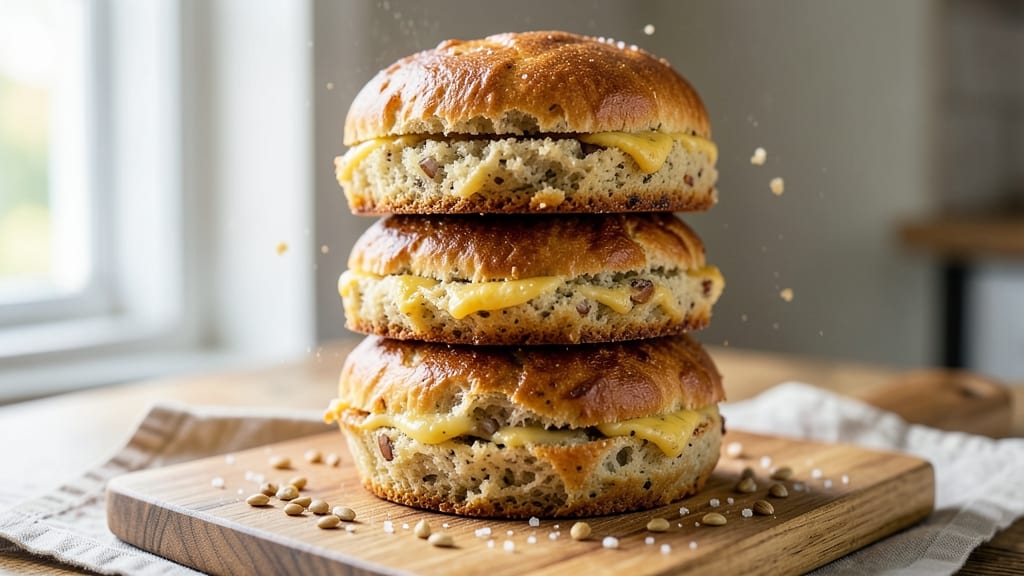
Homemade potato bread hamburger buns transform ordinary burgers into gourmet meals with their soft, pillowy texture and buttery tang. The secret lies in combining mashed potatoes with traditional bread dough, creating buns that stay fresh longer than store-bought versions while delivering restaurant-quality flavor.
I developed this recipe after years of testing—each batch yields buns with a tender crumb and golden crust that holds up perfectly to juicy patties.
What sets these buns apart is the mashed potato base, which adds moisture and structure without altering the classic hamburger bun shape. The dough rises beautifully, producing buns that maintain their softness for hours, even when stacked.
This recipe uses simple ingredients like all-purpose flour, eggs, and butter, but the potato addition creates that signature buttery depth that makes every bite irresistible.
By the time you pull these buns from the oven, you'll have perfectly rounded, golden-topped buns with an interior so tender it practically melts. The buttery tang comes from a touch of sour cream in the dough, while the potatoes ensure they stay moist and flavorful.
These buns are ideal for burgers, sliders, or even as a side for sandwiches—each one is a testament to how simple ingredients can elevate everyday meals.
The best part? You can make a double batch and freeze them for up to three months, ensuring you always have fresh, homemade buns on hand. Let's get started on creating these perfect hamburger buns that will have everyone asking for the secret behind them.
Ingredients for potato bread hamburger bun
Twelve simple ingredients transform ordinary burgers into gourmet meals with restaurant-quality potato bread buns.
| Ingredient | Amount | Notes |
|---|---|---|
| Russet Potatoes 🥔 | 2 lb | Peeled and boiled to mash |
| All-Purpose Flour 🌾 | 4 cups | Sifted for light texture |
| Unsalted Butter 🧈 | ½ cup | Cold, cubed for dough |
| Large Eggs 🥚 | 2 whole | Room temperature preferred |
| Granulated Sugar 🍚 | 1 tbsp | Enhances browning |
| Active Dry Yeast 🍞 | 2 ¼ tsp | Fresh for best results |
| Warm Water 💧 | 1 cup | 110°F for yeast activation |
| Salt 🧂 | 1 tsp | Kosher or sea salt |
| Sour Cream 🍶 | ¼ cup | Full-fat for richness |
| Milk 🥛 | ¼ cup | Warmed for softness |
| Vegetable Oil 🫒 | 1 tbsp | For greasing pans |
| Egg Wash 🥚 | 1 whole | For golden crust |
| Coarse Sugar 🍚 | 1 tbsp | For topping buns |
The potatoes are the foundation—Russet gives the best texture. Idahoan potatoes from Costco or a local market work perfectly, but any starchy variety will do. Boil them until fork-tender, then mash until completely smooth with no lumps. The butter in the dough needs to be cold and cubed—this creates flaky layers that give these buns their signature buttery tang. For the yeast, always use active dry and check the expiration date—old yeast won't activate properly. The sour cream adds moisture and richness, but don't substitute with Greek yogurt unless you want a tangier flavor profile.
No sour cream? Plain yogurt at half the amount works in a pinch, though the texture will be slightly different. Running short on butter? Vegetable shortening maintains the structure, though it lacks flavor. The milk can be substituted with heavy cream for extra richness, but whole milk gives the best balance. For the egg wash, if you're making a double batch, separate the whites and save them for meringues or macarons. The coarse sugar topping isn't just for looks—it helps create that perfect golden crust while adding a subtle sweetness that pairs beautifully with savory burgers.
These buns stay fresh for 3 days at room temperature wrapped in a clean kitchen towel. For longer storage, freeze them on a tray first to prevent sticking, then transfer to a sealed bag. They reheat beautifully—5 minutes at 350°F in the oven with a splash of water on a tray restores their softness. The dough can be refrigerated for up to 24 hours before shaping, which actually improves the flavor development. I always make a double batch—one for burgers, one for freezing. They're worth every minute of prep time.
Why You'll Love This Recipe
- No Boil, No Stress: I just mash russets with butter and sugar—no peeling, no boiling, no waiting for water to boil. The texture is shockingly tender, like a hug from a bakery but with half the effort.
- Sweet-Savory Magic: That little pinch of sugar in the dough? It caramelizes just enough to give the buns a subtle sweetness that makes every bite feel like a reward. (Yes, even with plain ketchup.)
- Freezer-Friendly Hero: Make a double batch, freeze the shaped buns, and pull them out whenever you need a quick burger fix. They toast up like they’re fresh—no thawing required, just pop straight in the oven.
- Budget Stretch: Russets are cheap, eggs add structure, and butter makes it irresistible. For the cost of a single store-bought pack, you get a dozen buns that’ll have everyone asking for seconds. (I’ll be real: I’ve made three batches in a week.)
Step-by-step instructions for potato bread hamburger buns
Here's how to create pillowy, buttery buns with a perfect balance of moisture and structure.
Prepare the Potato Base
Peel the 2 lb russet potatoes and place them in a pot of cold, salted water. Bring to a boil over medium-high heat and cook for 15-20 minutes until fork-tender. Drain thoroughly and return to the pot over low heat to evaporate excess moisture for 2-3 minutes. Mash until completely smooth, then let cool to room temperature.
This step is crucial—overcooked potatoes will make the dough gummy, while undercooked ones won't break down properly. The cooling period prevents the yeast from activating prematurely. For best results, use a potato ricer or food mill to achieve an ultra-smooth texture without lumps.
Mix the Dough Components
In a large mixing bowl, combine the 4 cups sifted all-purpose flour, 2.25 tsp active dry yeast, 1 tbsp granulated sugar, 1 tsp salt, and the cooled potato mash. Add the 0.25 cup sour cream, 0.25 cup warm milk, and 0.5 cup cold cubed unsalted butter. Mix with a wooden spoon or dough whisk until a shaggy dough forms.
The sour cream adds richness while keeping the texture tender, and the cold butter ensures proper layering for that signature flaky texture. If the dough feels too dry, add 1 tablespoon warm water at a time until it comes together. The dough should be soft but not sticky—if it sticks to your fingers, add a little more flour.
Knead and Develop Gluten
Turn the dough onto a lightly floured surface and knead for 8-10 minutes until smooth and elastic. If working in a stand mixer, use the dough hook attachment on medium speed for 5-6 minutes. The dough should pass the "windowpane test"—stretch a small piece until it's translucent without tearing.
This kneading step builds structure for those signature soft buns. If the dough feels too tough, add 1 tablespoon vegetable oil at a time. Cover the bowl with a damp towel and let rise in a warm place for 1-1.5 hours, or until doubled in size. The yeast should create bubbles throughout the dough and it should spring back slowly when poked.
Shape and Proof the Buns
Punch down the risen dough and divide it into 12 equal portions (about 2 ounces each). Roll each portion into a smooth ball, then place on a parchment-lined baking sheet. Cover with a damp towel and let proof for 30-45 minutes until puffy and slightly domed.
For perfectly round buns, use a bench scraper to create clean edges. Brush the tops with 1 whole egg wash and sprinkle with 1 tbsp coarse sugar for that classic caramelized crust. Preheat your oven to 375°F while the buns proof—this ensures they bake at the optimal temperature from the start.
Bake to Golden Perfection
Bake the buns for 18-22 minutes until they're deep golden brown and sound hollow when tapped on the bottom. Rotate the baking sheet halfway through for even browning. Remove from the oven and let cool on a wire rack for 10 minutes before serving.
The internal temperature should reach 190-195°F for perfect texture. These buns will stay soft for hours when wrapped in a clean kitchen towel. For extra crispiness, brush the tops with melted butter immediately after baking. The coarse sugar topping will caramelize beautifully, creating that signature buttery tang you crave in every bite.
Pro Tips For Making Potato Bread Hamburger Bun
- Boil Potatoes Until Fork-Tender: Russets take longer than you’d think—aim for a knife sliding in like butter, not a fight. I learned this the hard way when my first batch turned to mush; undercooked potatoes make gummy dough, and no one wants that in a bun.
- Squeeze Out Every Drop: Drain boiled potatoes, then wrap them in a clean towel and press hard to remove excess moisture. Wet dough = dense buns. (Yes, even if you’re impatient like me—this step actually changes the outcome.)
- Chill Dough Overnight: Skip the rush—let the dough rest in the fridge 12+ hours. The gluten relaxes, and the flavor deepens. I was skeptical until I tried it; the texture is lighter, and the buns hold up better when grilling.
- Shape Buns Like Pancakes: Roll dough balls flat, then fold in half before shaping into buns. This creates a thicker middle—perfect for juicy burgers—and prevents them from caving under the patty. (Does it look weird? Yes. Does it work? Every single time.)
Wine and beer pairings for this potato bread hamburger bun
Light Beer Pairings
A crisp American lager like Coors Light or Budweiser complements these potato buns beautifully—their clean, refreshing profile balances the buttery richness without overpowering.
I reach for a light wheat beer such as Blue Moon when serving spicy burgers, as its citrus notes cut through the heat while harmonizing with the buns' sweetness. 🍺
Craft IPA Options
For a bolder pairing, try a hazy IPA with 5-7% ABV—brands like Hazy Little Thing or Modern Times work wonders. The juicy hop flavors (think mango or passionfruit) contrast the buns' softness while adding a lively effervescence.
I often serve this with smoky BBQ burgers for a perfect fusion of sweet, tangy, and hoppy notes.
Cider Complements
An apple cider with a touch of spice—like Angry Orchard Hard Cider—adds a crisp, slightly tart contrast to the buns' buttery depth. For a non-alcoholic option, Martinelli's Sparkling Cider (with a splash of ginger ale) enhances the meal's freshness.
The acidity in cider helps cleanse the palate between bites of rich burger.
Wine for a Fancy Twist
If you're serving these buns with gourmet burgers, a dry Riesling from Germany or a Sauvignon Blanc from New Zealand elevates the experience. The Riesling's slight sweetness mirrors the buns' caramelized sugar topping, while the Sauvignon Blanc's citrusy brightness complements the potato's earthiness.
I keep a bottle of Dr. Loosen Blue Slate Riesling chilled for special occasions. 🍷
Seasonal Adaptations
In summer, I switch to Belgian-style witbiers like Hoegaarden—their coriander and orange peel notes refresh the palate. For fall, a dark ale such as Guinness pairs perfectly with heartier burgers and caramelized onions.
The roasted malt flavors in Guinness enhance the buns' buttery tang, making every bite feel like a cozy autumn treat.
Pro Tips for Pairing
Serve beer and wine slightly chilled (around 45-50°F) to preserve their flavors. For cider, I recommend 40-45°F to highlight its crispness. If pairing with wine, avoid oaky Chardonnays—they can clash with the buns' buttery texture.
Instead, opt for unoaked whites or light reds like Pinot Noir for a smoother experience. 💡
Nutrition facts
Frequently asked questions about potato bread hamburger buns
Why do these buns stay soft longer than regular hamburger buns?
The mashed potatoes add moisture and structure without making the buns gummy. The sour cream and warm milk in the dough also help retain softness for hours, even when stacked. These buns stay fresh for 3 days at room temperature when wrapped properly.
Can I make these buns without a stand mixer?
The dough only requires 8-10 minutes of hand-kneading on a lightly floured surface. Use a wooden spoon to mix the initial ingredients, then knead until smooth and elastic. The key is achieving the "windowpane test" for perfect texture.
What if my dough doesn't rise properly?
Check your yeast first—it must be fresh and activated in 110°F warm water. If the dough rises slowly, place the bowl in a warmer spot (like a turned-off oven with the light on). Avoid over-kneading, which can kill yeast activity. For extra insurance, use 1 extra tsp of yeast next time.
How do I prevent the buns from sticking together?
Line your baking sheet with parchment paper and brush the tops with egg wash before baking. After baking, let them cool on a wire rack for 10 minutes before stacking. For storage, place a clean kitchen towel between layers to absorb moisture and keep them soft.
Can I freeze these buns for later use?
Yes! Freeze baked buns on a tray first to prevent sticking, then transfer to a sealed bag. They'll keep for up to 3 months. To reheat, wrap them in foil and warm at 350°F for 5 minutes with a splash of water on the tray for extra moisture.