
Side Dishes
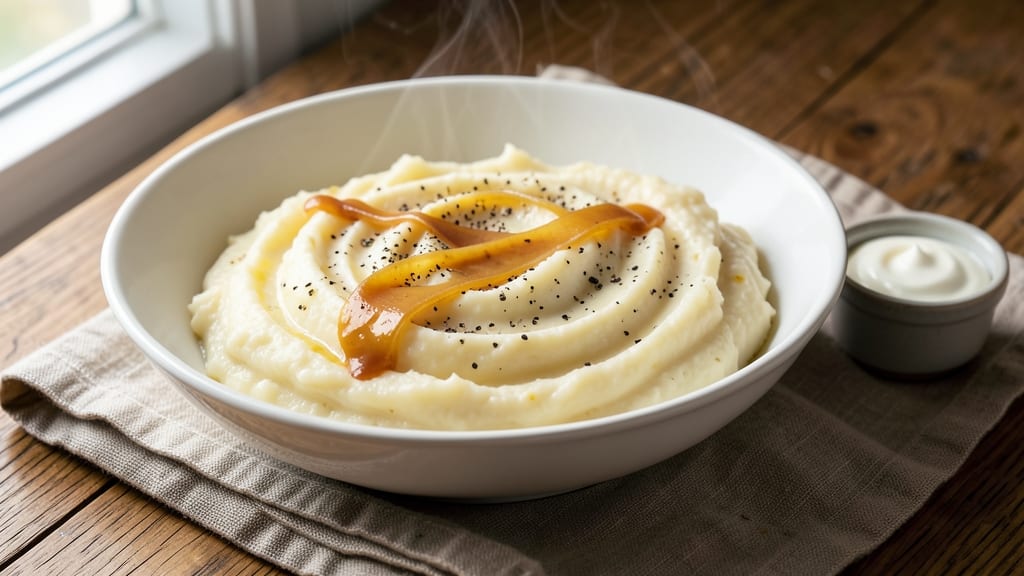
Creating Blue Apron-style mashed potatoes isn't just about boiling potatoes—it's about achieving that signature ultra-smooth, velvety texture with rich buttery depth that makes every bite irresistible.
The secret lies in precise technique: selecting the right potato variety, controlling the cooking process, and mastering the mashing method to eliminate lumps while preserving moisture. I've refined this recipe over countless batches to ensure restaurant-quality results at home, with a focus on simplicity that doesn't compromise on flavor.
What sets these mashed potatoes apart is their silky-smooth consistency achieved through a two-step mashing process using a ricer or food mill, which eliminates any trace of grittiness while preserving the natural starch.
The butter and whole milk blend creates that luxurious, velvety mouthfeel, while carefully measured seasoning ensures perfect balance. This method delivers potatoes that are creamy yet light, with a rich, buttery flavor that pairs beautifully with any main dish.
The process takes about 45 minutes from start to finish, making it ideal for weeknight dinners or holiday feasts.
The real magic happens in the details: using Yukon Gold potatoes for their natural creaminess, cooking them until fork-tender but not falling apart, and then mashing while still hot to incorporate the butter and milk completely.
The result is a perfectly smooth side dish that's rich enough to stand alone but versatile enough to complement roasted meats, grilled vegetables, or holiday centerpieces. This recipe builds on classic techniques while incorporating professional-level refinements that make all the difference in texture and flavor.
For those who love customization, you can easily adapt this base recipe with add-ins like roasted garlic, sharp cheddar cheese, or crispy bacon bits to create variations that suit any occasion. The method remains the same—only the seasonings and mix-ins change.
Whether you're serving these as a classic side or elevating them into a loaded potato dish, the foundation of smooth, velvety texture remains the same. Let's get started on creating your perfect batch.
Ingredients for blue apron mashed potatoes
Six core ingredients transform humble potatoes into restaurant-worthy velvety perfection.
| Ingredient | Amount | Notes |
|---|---|---|
| Yukon Gold Potatoes 🥔 | 3 lb | Peeled, cut into even chunks |
| Unsalted Butter 🧈 | 1 cup | Cold, cut into 1/2-inch cubes |
| Whole Milk 🥛 | 1 cup | Room temperature for best blending |
| Diamond Crystal Kosher Salt 🧂 | 1 ½ tsp | Adjust to taste after initial seasoning |
| Freshly Ground Black Pepper 🌶️ | ½ tsp | Coarsely ground for visible texture |
| Heavy Cream 🥛 | ¼ cup | Optional for extra richness |
| Roasted Garlic Cloves 🧄 | 2 whole | Optional garnish, minced |
| Sharp White Cheddar Cheese 🧀 | ½ cup | Shredded, optional for flavor variation |
| Crispy Bacon Bits 🥓 | ¼ cup | Optional topping, store-bought or homemade |
| Extra-Virgin Olive Oil 🫒 | 1 tbsp | For drizzling on finished potatoes |
The Yukon Gold potatoes are non-negotiable for this recipe—their naturally creamy texture and low starch content create that signature silky-smooth finish. Purchase them from Whole Foods or your local specialty grocer where they're typically sold in the organic produce section. Look for firm potatoes with smooth skins and no sprouts. The butter should be unsalted European-style if possible—Plugrá or Kerrygold brands elevate the flavor profile significantly. For the milk, whole milk is essential; reduced-fat varieties won't provide that luxurious mouthfeel. The kosher salt is crucial for proper seasoning—Diamond Crystal dissolves completely, unlike table salt which can leave graininess.
No Yukon Golds? Russet potatoes will work in a pinch, but you'll need to add an extra tablespoon of butter to compensate for their higher starch content. Substituting butter with olive oil is possible (use the same quantity), though it will yield a slightly different flavor profile. For those avoiding dairy, coconut milk can replace the milk and heavy cream, though the texture will be less velvety. The roasted garlic and cheddar are optional but recommended for adding depth—Trader Joe's carries excellent pre-roasted garlic cloves, and Cabot cheddar is a reliable choice. When using bacon bits, homemade crispy bacon made from thick-cut slices will provide superior texture and flavor compared to store-bought crumbles.
Freshly peeled potatoes should be cooked immediately to prevent browning. Store any prepped potato chunks in cold water in the refrigerator for up to 24 hours before cooking. The finished mashed potatoes will keep in an airtight container in the refrigerator for 4-5 days, though they're best enjoyed within the first two days. For longer storage, portion into individual containers and freeze for up to 3 months. When reheating, add a splash of milk or water and gently warm over low heat to restore that creamy texture. The potatoes can be made ahead and reheated in the oven at 350°F (175°C) for 15-20 minutes covered with foil.
Why You'll Love This Recipe
- No-Peel Hassle: I swear by Yukon Golds here—those buttery skins stay put, so I skip peeling entirely. Just scrub, chop, and boil. That’s it. No knife fights, no wasted time.
- Creamy Without Clumps: The secret’s in the milk-to-potato ratio and letting the butter melt into the potatoes, not on top. Smooth as silk, every time. No one’s judging me for using the hand mixer, either.
- Weeknight Hero: This is my go-to when I’m swamped: reheats perfectly for lunch, pairs with anything, and even my picky teenagers ask for seconds. (Yes, even on a Tuesday night.)
- Budget Luxury: Diamond Crystal salt and whole milk sound fancy, but they stretch far. A single batch feeds four, and leftovers taste just as good cold in sandwiches. Frugal? Absolutely. Delicious? Ridiculously so.
Step-by-step instructions for Blue Apron mashed potatoes
Achieving restaurant-quality mashed potatoes requires precision in technique and ingredient handling.
Prepare and Boil the Potatoes
Begin by peeling the 3 lb Yukon Gold potatoes and cutting them into even chunks, about 1½ inches in size. This uniform size ensures they cook simultaneously. Place the potato chunks in a large pot and cover them completely with cold water—about 6 quarts. Add 1 teaspoon of the 1.5 tsp Diamond Crystal kosher salt to the water to enhance flavor during cooking.
Bring the water to a rolling boil over high heat, then reduce to a gentle simmer. Cook the potatoes for 15 to 20 minutes, or until they are fork-tender with no resistance. You'll know they're ready when a knife slides in easily and the edges begin to soften. Drain the potatoes immediately in a colander, shaking vigorously to remove excess starch that can make the mashed potatoes gummy.
Create the Butter and Milk Mixture
While the potatoes cook, prepare the dairy base by melting the 1 cup unsalted butter in a medium saucepan over low heat. Once fully melted, remove from heat and whisk in the 1 cup whole milk and the 0.25 cup heavy cream until smooth. Keep this mixture warm but not simmering—it should be at a temperature where steam rises gently when you stir.
This warm dairy mixture is crucial for achieving a silky texture. If you add cold dairy to hot potatoes, the butter will seize and create lumps. The warm mixture also helps emulsify the potatoes more effectively, resulting in that ultra-smooth consistency you're after.
Mash the Potatoes to Perfection
Return the drained potatoes to the pot and let them sit for 1 minute to allow any residual steam to escape. Then, using a potato masher or ricer, begin breaking down the potatoes in batches. I prefer using a ricer for its ability to create an exceptionally smooth texture, but a masher works well if you press firmly and thoroughly.
As you mash, gradually add the warm butter-milk mixture, starting with about ½ cup at a time. Continue mashing until the potatoes are completely broken down and the mixture is smooth. Add the remaining butter-milk mixture as needed, but be cautious—too much liquid will make the potatoes watery. You're aiming for a texture that's thick enough to hold its shape when spooned but still velvety smooth.
Season and Finish
Transfer the mashed potatoes to a large mixing bowl and stir in the remaining 0.5 teaspoon Diamond Crystal kosher salt and 0.5 tsp freshly ground black pepper. For added depth, fold in the 0.5 cup sharp white cheddar cheese and 2 minced roasted garlic cloves. These ingredients add complexity without overpowering the buttery base.
Taste and adjust the seasoning as needed. If the potatoes seem too thick, add a splash of warm milk or cream to reach your desired consistency. For the final touch, drizzle the 1 tbsp extra-virgin olive oil over the top and gently fold it in. This adds a subtle richness and helps create that signature "Blue Apron" sheen. Serve immediately with the 0.25 cup crispy bacon bits sprinkled on top for a savory contrast.
Pro Tips For Making Blue Apron Mashed Potatoes
- Boil Until Fork-Tender: Yukon Golds should collapse like butter when pierced—no one likes mushy potatoes. Test one at 15 minutes, then adjust time based on your stove’s quirks (some need 20-25 minutes). Overcooking turns them gluey, and no amount of butter fixes that.
- Salt the Water Generously: Diamond Crystal is less salty than table salt, so use 1½ tablespoons per pound of potatoes—yes, even if it seems excessive. This seasons the flesh, not just the outside, and cuts through the richness of the butter later.
- Warm the Milk First: Cold milk in hot potatoes makes for a gummy mess. Heat the milk to just under boiling (160°F) before mixing—it blends smoother and doesn’t steal heat from the potatoes. (Pro move: Use the same pot you boiled them in.)
- Mash in Stages: Don’t dump all the butter and milk at once. Start with half, mash until creamy, then add the rest—this prevents clumping and lets you adjust texture. If it’s too thick, a splash of hot milk fixes it; too thin? More butter. Balance matters.
Storing and reheating this recipe
Refrigerator Storage
Store your freshly made mashed potatoes in an airtight container with a tight-fitting lid to preserve moisture and prevent drying. I use glass Pyrex containers because they maintain temperature consistency and are microwave-safe. Press plastic wrap directly onto the surface before sealing to minimize exposure to air.
These potatoes stay fresh in the refrigerator for 4-5 days, though I recommend enjoying them within 2 days for peak texture and flavor. 🥔
Freezer Prep Tips
For long-term storage, portion the mashed potatoes into quart-sized freezer bags or silicone molds to make reheating easier. Remove as much air as possible before sealing to prevent freezer burn. Label each bag with the date—these potatoes keep their quality for up to 3 months in the freezer.
I like to add a splash of milk (about 1 tablespoon per cup) before freezing to help maintain creaminess. ❄️
Oven Reheating Method
Preheat your oven to 350°F (175°C) and transfer the mashed potatoes to an oven-safe dish. Cover tightly with aluminum foil to trap steam, then heat for 15-20 minutes.
For extra richness, drizzle 1 tablespoon of warm milk or butter over the top before covering. This method restores the creamy texture beautifully without making the potatoes gummy. 🔥
Stovetop Revival
For a quick stovetop reheat, transfer the potatoes to a medium saucepan and warm over low heat. Stir frequently and add 2-3 tablespoons of warm milk or cream as needed to loosen the texture.
Keep the heat gentle—medium-low is ideal—to prevent the butter from separating. This method works best for freshly refrigerated potatoes and takes about 5-7 minutes. 💡
Microwave Fix
Splatter is your enemy here! Transfer the potatoes to a microwave-safe bowl, cover loosely with a damp paper towel, and heat on 50% power in 1-minute intervals, stirring between each.
Add 1 tablespoon of warm milk if they look dry. For frozen potatoes, increase cooking time by 2-3 minutes and check frequently to avoid overcooking. 🌡️
Pro Tips for Success
Always reheat mashed potatoes covered to prevent a skin from forming. If they seem too thick after reheating, thin with a splash of warm milk or broth. For extra-luxurious results, finish with a pat of softened butter and a sprinkle of freshly cracked black pepper after reheating.
The key is patience—never rush the process, or you'll risk losing that velvety texture. ✨
Nutrition facts
Frequently asked questions
Why do these mashed potatoes turn out so smooth compared to other recipes?
The secret lies in using a ricer or food mill for mashing instead of a traditional masher, which eliminates any grittiness. We also cook the potatoes until they're fork-tender but not falling apart and use a warm butter-milk mixture that emulsifies perfectly with the starch. This two-step process creates that signature velvety texture.
Can I make these mashed potatoes ahead of time?
Store them in an airtight container in the fridge for up to 5 days, though they're best within 2 days. For freezing, portion into containers and add a splash of milk before sealing. Thaw overnight in the fridge and reheat gently with extra milk or butter to restore creaminess.
What's the best potato variety for this recipe?
Yukon Gold potatoes are ideal because of their natural creaminess and low starch content, which creates that signature smooth texture. If you can't find them, Russet potatoes will work but require an extra tablespoon of butter to compensate for their higher starch. Never use waxy potatoes like red or fingerlings—they'll make your mash gluey.
How do I fix lumpy mashed potatoes?
If you get lumps, don't panic! Use a hand mixer or immersion blender to blend until completely smooth, adding small amounts of warm milk or cream as needed. For stubborn lumps, pass the potatoes through a fine-mesh sieve to create an ultra-smooth texture. Always mash while the potatoes are still hot to prevent lumps from forming in the first place.
Can I make these dairy-free?
Yes, but you'll need to adjust the method. Replace the butter with olive oil or vegan butter (use the same quantity) and use unsweetened coconut milk or oat milk instead of dairy milk. The texture will be slightly less rich, but still creamy. For extra binding power, add 1 tablespoon of cornstarch to the potato water while boiling.