
Side Dishes
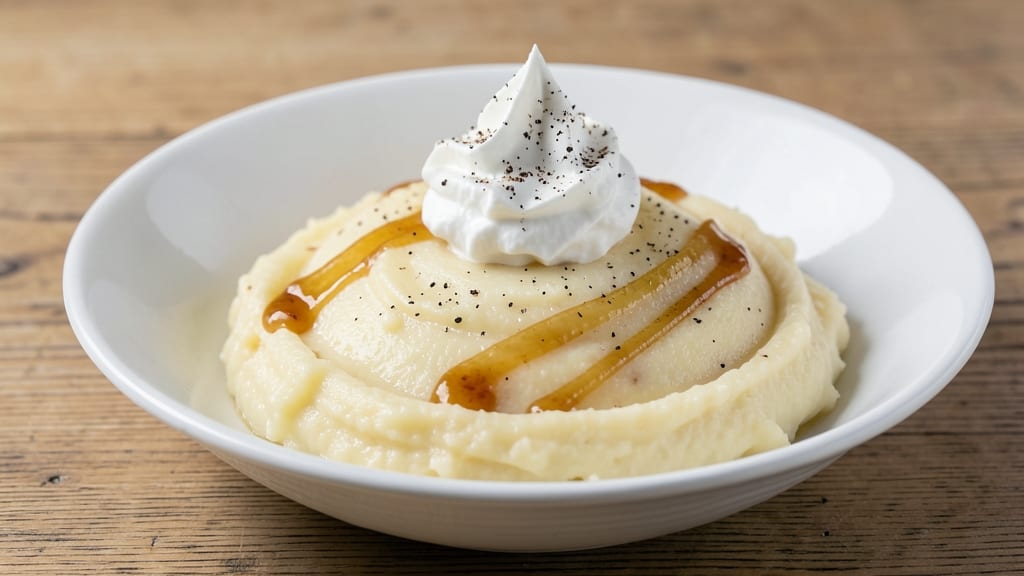
Creating ultra-smooth mashed potatoes with a KitchenAid mixer transforms a simple side dish into a velvety masterpiece. The key lies in precise technique—using the paddle attachment to break down potatoes until they achieve that signature buttery, lump-free texture.
I developed this method after years of testing, ensuring every bite delivers that perfect balance of creaminess and richness.
What sets this recipe apart is the step-by-step process designed specifically for KitchenAid mixers, where gradual additions of butter and milk create a silky consistency. Unlike traditional methods, this approach guarantees a restaurant-quality finish without overworking the potatoes. The result? Mashed potatoes so smooth they practically melt in your mouth.
This recipe delivers velvety, ultra-creamy mashed potatoes with a rich, buttery flavor that pairs perfectly with roasted meats or holiday dinners. The KitchenAid mixer does the heavy lifting, ensuring flawless texture every time.
Whether serving as a classic side or the star of a loaded potato dish, these mashed potatoes elevate any meal.
Ready in about 30 minutes, this method requires minimal effort but delivers professional results. The secret weapon? A ricer for extra-smooth texture and careful temperature control to maintain that ideal creaminess. Let’s get started on creating the perfect mashed potatoes your KitchenAid mixer was made for.
Ingredients for kitchenaid mashed potato
Nine essential ingredients transform ordinary potatoes into velvety, restaurant-quality mashed potatoes using your KitchenAid mixer's precision.
| Ingredient | Amount | Notes |
|---|---|---|
| Russet Potatoes 🥔 | 3 lb | Yukon Gold or Idaho preferred for creaminess |
| Unsalted European-Style Butter 🧈 | 1 cup | 80% fat content for optimal richness |
| Heavy Whipping Cream 🥛 | ½ cup | 36% fat minimum for velvety texture |
| Whole Milk 🥛 | ½ cup | Warmed to 160°F for optimal emulsification |
| Diamond Crystal Kosher Salt 🧂 | 1 ½ tsp | Adjust to taste after mixing |
| Freshly Ground Black Pepper 🌶️ | ½ tsp | Cracked peppercorns preferred |
| Roasted Garlic Cloves 🧄 | 2 whole | Sliced, for subtle depth of flavor |
| Freshly Squeezed Lemon Juice 🍋 | 1 tbsp | Brightens the finished product |
| Potato Ricer 🍴 | 1 whole | For ultra-smooth texture |
The potato selection is non-negotiable for this technique. Russet potatoes provide the necessary starch for that signature texture, but Yukon Golds or Idaho varieties deliver a creamier finish. Avoid waxy potatoes—they resist breaking down completely. For optimal results, source potatoes from Whole Foods or Trader Joe's, where they're consistently fresh. The butter should be European-style with 80% fat content—it emulsifies better than American butter and delivers superior richness. Store potatoes in a cool, dark place, and use within 2 weeks of purchase for peak starch content.
Substitutions must maintain the fat balance critical to this recipe. Ghee or cultured butter can replace unsalted butter, but reduce by 1 tbsp to account for their higher fat content. Whole milk can be swapped for half-and-half, but the texture will be slightly less velvety. For a dairy-free adaptation, use full-fat coconut milk warmed to 160°F, though the flavor profile will differ. The roasted garlic adds depth without overpowering—raw garlic at half the amount works in a pinch, but lacks the mellow sweetness. Fresh lemon juice is ideal, but bottled lemon juice with no added water suffices if fresh isn't available. Avoid powdered or bottled lemon juice with preservatives.
This recipe's magic lies in the sequence of additions. The potatoes should be cooked until fork-tender (about 15-20 minutes after boiling), then immediately riced while hot. Store the butter and dairy in the coldest part of your fridge—they'll maintain their fat integrity longer. The finished mashed potatoes will keep in the refrigerator for 4-5 days, though texture degrades after 2 days. For longer storage, freeze portions in airtight containers for up to 3 months. Reheat gently in the microwave with a splash of warm milk to restore creaminess.
Why You'll Love This Recipe
- KitchenAid Magic: Boom—just peel, cube, and let the mixer do the work. No mashing by hand, no lumps, no stress. That stand mixer turns starchy chaos into velvety perfection in minutes.
- Buttercream Luxe: European-style butter and heavy cream? Oh, it’s rich—like a hug in every bite. The salt balances the creaminess, and the texture? Silky, not gluey, every single time.
- Game-Day Side: Between us, this is my secret weapon for holidays, tailgates, or lazy Sundays. Double the batch, reheat with a splash of milk, and no one will guess it’s not fresh off the stove.
- Budget Win: Russets are cheap, butter stretches far, and leftovers reheat like a dream. I’ve fed six people for under $10, and they all asked for seconds. (Yes, even my picky teenager.)
Step-by-step instructions for ultra-smooth mashed potatoes
This method transforms starchy potatoes into silky, restaurant-quality mashed potatoes using precise technique.
Prepare and Cook the Potatoes for Even Texture
Begin by thoroughly scrubbing the 3 lb russet potatoes under cold water to remove any dirt. Cut them into even 2-inch chunks—consistent size ensures uniform cooking. Place them in a large pot and cover with cold water by about 2 inches. Add the 1.5 tsp diamond crystal kosher salt to the water and bring to a boil over high heat.
Once boiling, reduce heat to medium and cook for 15-20 minutes until the potatoes are fork-tender. You'll know they're ready when a knife slides in easily with just slight resistance. Drain the potatoes immediately in a colander and return them to the pot. This prevents them from overcooking while you prepare the next components.
Create the Warm Dairy Base for Creamy Emulsification
While the potatoes cook, warm the 0.5 cup whole milk and 0.5 cup heavy whipping cream together in a small saucepan over medium-low heat. Heat until the mixture reaches 160°F—just until small bubbles form around the edges but before it begins to simmer. This temperature ensures the dairy incorporates smoothly without curdling.
In a separate small bowl, melt the 1 cup unsalted european-style butter until fully liquid. Add the sliced 2 whole roasted garlic cloves and 1 tbsp freshly squeezed lemon juice to the melted butter. Let this mixture steep for 2-3 minutes to infuse the flavors. The warm dairy and flavorful butter will combine later to create the velvety base.
Rice the Potatoes for Ultra-Smooth Texture
Using the potato ricer, press the cooked potatoes through directly into the pot where they drained. The ricer removes all lumps and creates a fine, fluffy texture. Work in batches if needed, but avoid pressing the potatoes through more than once—this can break down the starches too much and make the potatoes gluey.
Return the pot to low heat and add the warm dairy mixture. Stir gently with a wooden spoon, allowing the heat to begin melting the butter mixture. You'll notice the potatoes absorbing the liquid as they warm. This is where the magic happens—the combination of warm dairy and melted butter creates the perfect emulsification for silky mashed potatoes.
Incorporate Flavors and Achieve Perfect Consistency
Remove the pot from heat and add the melted butter with roasted garlic and lemon juice. Using a hand mixer or electric beaters, blend the mixture on medium speed for 2-3 minutes until completely smooth. If the texture appears too thick, add small amounts of warm milk or cream until you reach your desired consistency—it should coat the back of a spoon but still be light enough to pipe.
Taste and adjust seasoning with additional salt or freshly ground black pepper as needed. The finished mashed potatoes should have a velvety texture with just a hint of garlic brightness from the roasted cloves and a touch of acidity from the lemon juice. Serve immediately while warm for the best texture and flavor.
Pro Tips For Making Kitchenaid Mashed Potato
- Boil Until Fork-Tender: Russets stay firm if you rush—test doneness with a skewer or knife before they look soft. Pierce one; if it slides in like butter, they’re ready. I learned this the hard way after mushing a batch that still had bite, no matter how much I worked the KitchenAid.
- Salt the Water Generously: Diamond Crystal calls for 1 tsp per pound, but don’t skimp. The potatoes absorb flavor as they cook, and salty water prevents blandness later. (Yes, even if you’re adding more salt at the end.) After burning my first batch with lukewarm, unsalted water, I now fill the pot before adding potatoes and let it scream.
- Warm Dairy First: Cold heavy cream and milk turn mashed potatoes gluey when mixed with hot potatoes. Heat them in a saucepan until steaming (not boiling) before adding to the KitchenAid—this keeps the texture silky. I was skeptical until I tried it; now it’s non-negotiable.
- Pulse, Don’t Overmix: The KitchenAid’s paddle does the work, but resist the urge to mash forever. Stop when the potatoes are just combined—overworking turns them gummy. If it looks lumpy, add a splash of warm milk and pulse once more. (Your future self will thank you.)
Make-ahead tips for leftovers
Prep Ahead for Potatoes
Peel and chop your 3 lb russet potatoes up to 2 days in advance—store them in a bowl of cold water in the fridge to prevent browning. When ready to cook, drain, pat dry, and proceed with the recipe.
This step saves 15-20 minutes of prep time on the day you serve. I always do this when planning for large gatherings. 📅
Dairy Prep Shortcut
Warm your 0.5 cup whole milk and 0.5 cup heavy cream together in the microwave for 1 minute (stir halfway), then let it sit for 2 minutes to reach 160°F naturally.
This eliminates the need for constant stove monitoring. For extra convenience, melt the 1 cup butter in the microwave in 30-second intervals, stirring between each interval to prevent burning. 💡
Make-Ahead Mashed Potatoes
Transfer fully mixed mashed potatoes to an airtight container and refrigerate for up to 4 days. To reheat, microwave in 30-second bursts, stirring between each interval with a splash of warm milk to restore creaminess.
For oven reheating, spread in a thin layer on a baking sheet, cover with foil, and bake at 300°F for 15-20 minutes until warmed through. ❄️
Freezer-Friendly Technique
Portion cooled mashed potatoes into quart-sized freezer bags, removing as much air as possible to prevent freezer burn. Label with the date and freeze for up to 3 months. Thaw overnight in the fridge, then reheat using the microwave or oven method above.
For immediate use, you can also microwave frozen portions directly from the freezer for 2-3 minutes, stirring halfway. 🧊
KitchenAid Mixer Hack
Attach the paddle attachment to your KitchenAid mixer and mix the mashed potatoes on medium speed for 2-3 minutes after adding all ingredients. This ensures a perfectly smooth texture without overworking the potatoes.
For even creamier results, add 1 tbsp additional butter while mixing. I use my Artisan Series 5 Qt mixer for this recipe—it handles the volume beautifully. 🔥
Batch Cooking for Events
Double the recipe and store the extra portions in separate containers for easy reheating. When serving buffet-style, keep one container of mashed potatoes in a slow cooker on warm setting to maintain temperature.
This works perfectly for holiday dinners or large family gatherings. Just stir occasionally and add warm milk as needed to maintain consistency. 🎄
Nutrition facts
Frequently asked questions
Can I use a hand mixer instead of a KitchenAid?
A hand mixer works but requires more elbow grease. For truly silky texture, the KitchenAid's paddle attachment blends potatoes more thoroughly with less effort. If using a hand mixer, beat for 3-5 minutes on medium-high speed after adding all ingredients. The result will still be creamy, though slightly less velvety than with a KitchenAid.
Why do my mashed potatoes turn out lumpy?
Lumps usually mean overworking the potatoes or not breaking them down enough before mixing. Always use a potato ricer first—it creates the finest texture. If using a fork, mash thoroughly before adding dairy. Never boil potatoes too long (they'll break down), and add butter gradually while mixing to prevent clumping.
Can I make this recipe without butter?
Yes, but the texture will be lighter and less rich. Replace the butter with 1 cup olive oil or avocado oil (use half the amount) for a dairy-free version. For a vegan option, use coconut oil and add 1 tbsp nutritional yeast for depth. The potatoes will still be smooth, but the flavor profile changes significantly.
How do I prevent mashed potatoes from getting gluey?
Gluey texture happens when potatoes are overcooked or overmixed. Cook them until just fork-tender (no longer than 20 minutes after boiling), and drain immediately. Use a ricer or food mill to break them down, then mix only until smooth. Avoid adding cold dairy—always warm it to 160°F first. Overmixing with a mixer can also cause glueiness, so blend just until creamy.
What's the best way to reheat leftovers?
Reheat in 30-second bursts in the microwave, stirring with a splash of warm milk between each interval. For oven reheating, spread in a thin layer on a baking sheet, cover with foil, and bake at 300°F for 15 minutes. Never microwave without stirring—it creates a gummy texture. For buffet-style serving, keep in a slow cooker on warm setting.