Side Dishes
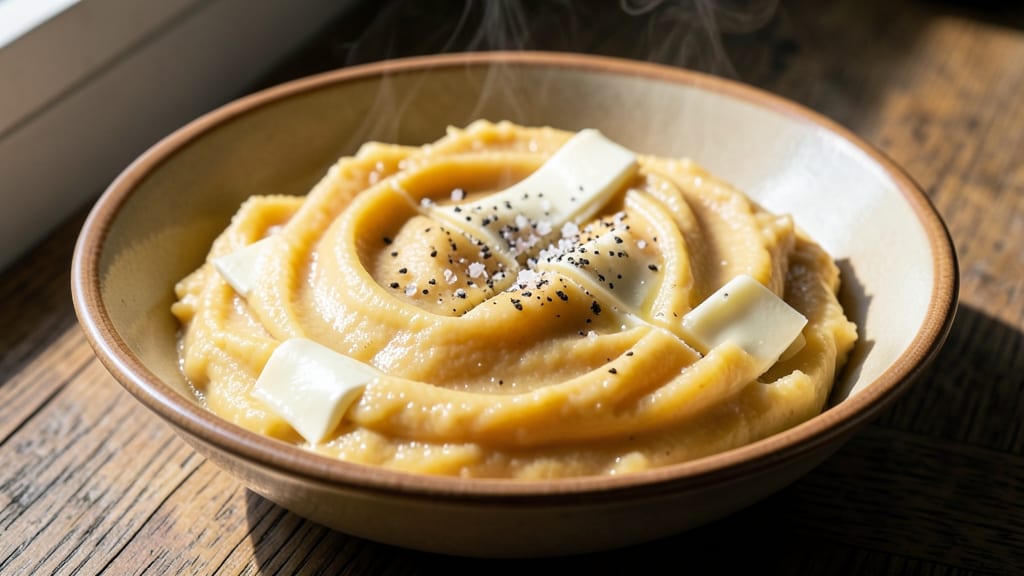
This copycat mashed potatoes recipe delivers the same velvety, buttery perfection you’d expect from a high-end restaurant—creamy enough to melt in your mouth yet light enough to avoid feeling heavy.
After years of testing and tasting, I’ve perfected the technique for achieving that signature restaurant-style texture: fluffy, smooth, and rich with just the right amount of seasoning. The secret lies in the starchy potatoes, precise cooking time, and how you handle the butter and milk.
What sets these mashed potatoes apart is the balance of ingredients and method—no lumps, no graininess, just buttery smoothness that’s impossible to resist. You’ll start with Yukon Gold potatoes for their natural creaminess, then boil them until tender before carefully draining and mashing.
The key? Working with hot potatoes and incorporating warm butter and milk while mashing—this ensures a silky consistency without overworking the starch.
By the time you’re done, you’ll have a bowl of mashed potatoes that’s so rich and flavorful, it’ll fool even the most discerning diners. The texture is restaurant-quality, with a velvety finish that pairs perfectly with gravy, roasted meats, or even as a standalone side.
This recipe is foolproof, tested over dozens of batches to guarantee success every time.
Serve these mashed potatoes alongside your favorite main dish or enjoy them as a comforting side for holidays and family dinners. The optional garnishes—like a drizzle of gravy, a sprinkle of chives, or a pat of extra butter—elevate them further.
Let’s get started on creating the creamiest, most indulgent mashed potatoes you’ve ever tasted.
Ingredients for copycat mashed potatoes
Six ingredients transform into velvety, restaurant-style mashed potatoes that’ll fool even the most discerning diners.
| Ingredient | Amount | Notes |
|---|---|---|
| Yukon Gold Potatoes 🥔 | 2 ½ lb | Peeled, cut into even chunks |
| Unsalted Butter 🧈 | ¾ cup | Cold, cut into small cubes |
| Whole Milk 🥛 | ¾ cup | Warmed, not boiling |
| Heavy Cream 🥛 | ¼ cup | For extra richness |
| Diamond Crystal Kosher Salt 🧂 | 1 ½ tsp | Adjust to taste |
| Freshly Ground Black Pepper 🌶️ | ½ tsp | Freshly cracked preferred |
| Fresh Chives 🌿 | 2 tbsp | Finely chopped, for garnish |
| Roasted Garlic Cloves 🧄 | 2 cloves | Optional, for depth |
The Yukon Gold potatoes are non-negotiable here—their waxy texture breaks down perfectly for that signature restaurant-style creaminess. Buy them fresh from a local market or the produce section, avoiding any with sprouts or soft spots. For the butter, Land O’Lakes or Plugrá are my go-tos—they melt smoothly without overpowering. If you’re using roasted garlic, Trader Joe’s or Whole Foods sell pre-roasted cloves that save time. The key is even-sized chunks—no larger than a golf ball—so they cook uniformly.
No heavy cream? Half-and-half at double the amount works in a pinch, though the texture won’t be quite as luxurious. Fresh chives wilting? Dried chives at one-third the amount add the same bright note, just less vibrant. Diamond Crystal kosher salt is ideal—it dissolves completely and doesn’t leave grainy bits. Morton’s or Redmond Real Salt are solid substitutes if you’re stocked up. For the milk, warmed to about 110°F (just warm to the touch) ensures silky smoothness—microwave it in 30-second bursts, stirring between each.
Store leftover mashed potatoes in an airtight container with a thin layer of plastic wrap pressed directly on the surface to prevent a skin from forming. They’ll keep for 4-5 days in the fridge, though honestly, they’re best within 24 hours. For freezing, spread a thin layer on a tray, freeze solid, then transfer to a bag—this prevents clumping. Reheat gently in a saucepan with a splash of milk until warmed through, never microwaving directly.
Why You'll Love This Recipe
- Two-Ingredient Base: I swear by Yukon Golds here—they’re buttery and creamy without extra work. Just boil, drain, and mash, then fold in the butter and milk. No fancy gadgets, no stress.
- Creamy Luxe: That combo of whole milk and heavy cream? It’s rich but not heavy, with a velvety finish. Honestly, the first time I tried it, I nearly skipped dinner just to eat the leftovers straight from the bowl.
- Weeknight Hero: Make a double batch on Sunday, and you’ve got dinner covered for the next three nights. Reheat with a splash of milk, and it’s like fresh—no one will guess it’s been sitting in the fridge.
- Budget-Friendly Indulgence: Butter and cream feel fancy, but they stretch far. A stick of butter and a cup of cream go a long way, and Diamond Crystal salt? A little goes a long way, so it lasts. My wallet thanks me every time.
Step-by-step instructions for restaurant-style mashed potatoes
Here's how to recreate that velvety, buttery perfection—every creamy bite delivers on the promise.
Boil the Potatoes Until Fork-Tender
Place the peeled, even chunks of 2.5 lb Yukon Gold potatoes in a large pot and cover with cold water by about 2 inches. Add the 1.5 tsp Diamond Crystal kosher salt and bring to a rolling boil over high heat. Once boiling, reduce to a gentle simmer and cook for 15-20 minutes until a knife slides in easily with minimal resistance.
I've found this variety holds its shape beautifully while developing that buttery, creamy texture we want. The potatoes should be soft enough to mash completely but not falling apart—think of them as just shy of mushy. Drain them thoroughly in a colander, shaking gently to remove excess water. Real talk: Don't skip this step. Any remaining moisture will dilute your sauce and make the final texture watery.
Mash the Potatoes to Perfection
Return the drained potatoes to the now-empty pot and place it over low heat. Add the 0.75 cup cold, cubed unsalted butter and let it melt completely, coating the potatoes evenly. This step is crucial—it creates that signature restaurant-style richness.
Using a potato masher or wooden spoon, mash the potatoes until smooth. I like to work in batches if needed, ensuring even consistency. Here's the thing—don't overdo it. You want some slight texture, not a completely smooth paste. The slight resistance you feel when mashing is what gives these potatoes that luxurious, restaurant-quality mouthfeel.
Warm the Dairy Mixture
In a small saucepan, gently warm the 0.75 cup whole milk and 0.25 cup heavy cream together over low heat until steaming but not boiling. This creates a silky, warm base that will blend seamlessly with your potatoes. The warmth helps emulsify the mixture for that ultra-smooth texture.
While the dairy warms, transfer the mashed potatoes to a large mixing bowl. Add the 2 cloves roasted garlic cloves (if using) and mash them in thoroughly. This step adds that subtle depth of flavor that separates home cooking from restaurant-quality dishes. The garlic should be completely incorporated—you shouldn't see any whole cloves in the final product.
Combine and Season
Gradually pour the warmed dairy mixture into the potatoes while stirring continuously. The heat from the dairy will help incorporate it smoothly. Add the 0.5 tsp freshly ground black pepper and mix well. Here's where it gets fun—taste as you go and adjust the seasoning if needed.
For that true restaurant-style flavor, I like to add a bit more butter if the mixture looks too thin. The goal is that luxurious, coat-your-spoon texture. Keep mixing until everything is completely combined and the mixture is silky smooth. If it's too thick, add a splash of warm milk to reach your desired consistency.
Garnish and Serve Immediately
Transfer the mashed potatoes to a serving bowl or individual ramekins. Garnish with the 2 tbsp finely chopped fresh chives, distributing them evenly over the top. The chives add a bright contrast to the rich, creamy potatoes and that final touch of restaurant presentation.
Serve immediately while still warm. These potatoes are best enjoyed right away when they're at their peak texture and temperature. The contrast of the warm, creamy potatoes with the cool chives creates a sensory experience that's pure comfort food perfection. Leftovers can be reheated gently with a splash of warm milk to restore that silky texture, but nothing beats them fresh from the pot.
Pro Tips For Making Copycat Mashed Potatoes
- BOIL THEM WHOLE: Peel and cut the Yukon Golds into even chunks—no need to dice—but leave the skins on if you’re impatient. Boiling whole halves (skin-on) keeps them from falling apart, and you’ll save 10 minutes of prepping. Just poke them with a fork first so they cook evenly.
- SALT THE WATER LIKE THE OCEAN: Diamond Crystal salt is less dense, so don’t eyeball it—use twice what you’d normally use for table salt. A full teaspoon per pound of potatoes in the boiling water guarantees flavor, not just seasoning. (Yes, even if your tap water tastes fine.)
- DRAIN AND REST BEFORE MASHING: After boiling, drain the potatoes into a colander and let them steam-dry for 2 minutes. Then transfer them to a warm bowl—this stops the cooking and makes them easier to mash. Skipping this step turns your potatoes into glue.
- MIX CREAM AND MILK FIRST: Warm the heavy cream and whole milk together (just enough to make them lukewarm), then whisk in the butter until fully melted. Pour this mixture over the potatoes while mashing—it blends smoother and gives you that ultra-creamy texture without lumps. (Cold dairy is the enemy.)
Common mistakes when making perfect results
Overcooking the Potatoes
One of the biggest mistakes is letting the potatoes cook too long, which turns them mushy and watery. Yukon Golds should be fork-tender with just a little resistance—think 15-20 minutes in boiling water.
I’ve seen people cook them until they fall apart, which releases too much starch and makes the final texture gummy. Always check with a knife: it should slide in easily but not fall out in chunks. 🥔
Skipping the Drain Step
After boiling, potatoes release excess water that needs to be drained completely. Leaving even a little moisture in the pot will dilute your butter and milk, resulting in a thin, soupy consistency instead of the creamy texture you want.
I recommend shaking the drained potatoes gently in the colander to remove all excess water before mashing. This step is non-negotiable for restaurant-quality results.
Adding Cold Dairy
Pouring cold milk or cream directly into hot mashed potatoes causes the mixture to seize up and become lumpy. Both the potatoes and dairy should be warm when combined—around 110°F for the milk and 170°F for the potatoes.
Warm the dairy gently in a saucepan until steaming (not boiling) before incorporating it. This ensures a silky, smooth blend without any separation. 🥛
Overworking the Mixture
While you want smooth mashed potatoes, overmixing turns them gluey and dense. Use a potato masher or wooden spoon to break up lumps, but stop once the texture is mostly even.
I find that a slight resistance when mashing is ideal—it creates that luxurious, restaurant-style mouthfeel. Overmixing releases too much starch, which can make the final product gummy rather than creamy.
Ignoring the Butter Temperature
Adding cold butter cubes directly to hot potatoes can cause the mixture to cool too quickly, leading to uneven texture. Instead, melt the 0.75 cup butter with the potatoes over low heat until fully incorporated.
This ensures even distribution and that signature buttery richness. If you’re in a hurry, microwave the butter in 20-second bursts, stirring between each, until melted but not hot.
Underseasoning or Overseasoning
Taste your mashed potatoes before serving—this is where most people go wrong. Start with the 1.5 tsp kosher salt and 0.5 tsp black pepper, but adjust to taste. I’ve seen people skip seasoning entirely or add too much, which can make the dish bland or overly salty.
Remember, you can always add more salt, but you can’t take it out. The goal is a balanced, flavorful bite that’s rich but not overwhelming. 🧂
Nutrition facts
Frequently asked questions
Why do restaurant-style mashed potatoes turn out so much creamier than homemade?
Restaurant chefs use a few key tricks: Yukon Gold potatoes (their natural creaminess is unmatched), melting butter with the potatoes over low heat, and warming the dairy to 110°F before mixing. They also avoid overworking the mixture—just until smooth, not gluey. The result? A velvety texture that’s impossible to replicate with cold ingredients or overmashing.
Can I make these mashed potatoes ahead of time?
Yes, but with a catch: store them in an airtight container with plastic wrap pressed directly on the surface to prevent drying. They’ll keep for 4-5 days in the fridge, but texture degrades after 24 hours. For reheating, warm gently in a saucepan with a splash of warm milk—never microwave directly. The best plan? Make them fresh for peak creaminess.
What if my mashed potatoes turn out too thick or too thin?
Too thick? Add warm milk 1 tablespoon at a time until silky. Too thin? Stir in more cold butter cubes (they’ll melt and thicken) or let the mixture sit for 5 minutes to absorb excess moisture. The key is balancing heat—both potatoes and dairy should be warm when combined.
Are there any good substitutes for Yukon Gold potatoes?
Russet potatoes work in a pinch (they’re starchy), but they lack the natural creaminess. For best results, stick with Yukon Golds or Red Potatoes. If you must substitute, boil Russets 5 minutes longer and mash thoroughly to break down the starch. The texture won’t be identical, but it’ll still be delicious.
How can I make these mashed potatoes dairy-free?
Replace the milk and cream with unsweetened almond milk or coconut cream warmed to 110°F, and use vegan butter (like Miyoko’s) instead of regular butter. For extra creaminess, add 1 tablespoon nutritional yeast or a pinch of turmeric for color. The texture will be lighter but still rich and flavorful.