
Side Dishes
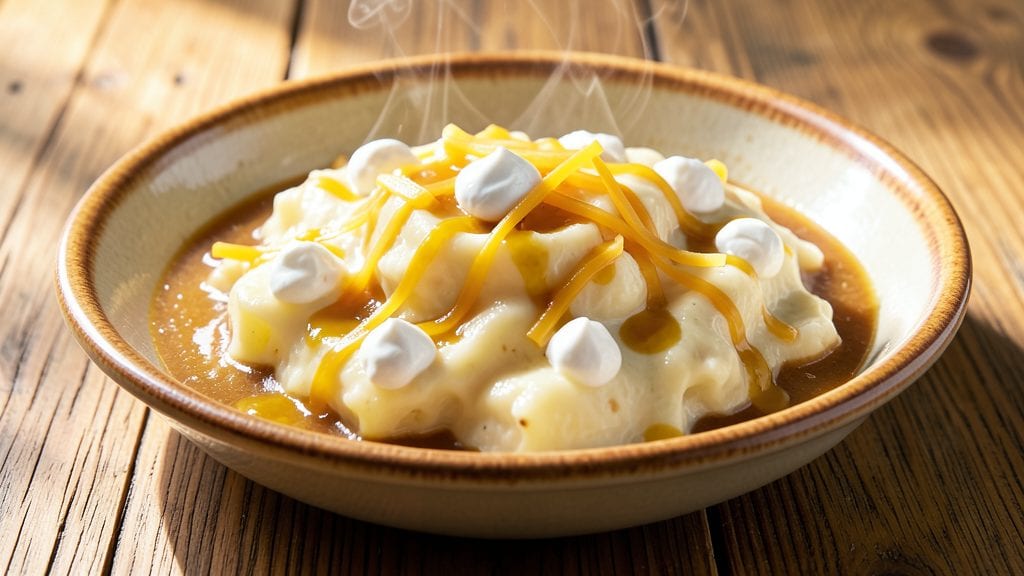
Paula Deen’s creamed potatoes bring comfort food to life with their rich, velvety texture and signature mustard depth that elevates every bite. This recipe delivers the same restaurant-quality results she’s known for, using simple techniques to create a dish that’s creamy, flavorful, and impossible to resist.
The secret lies in perfectly boiled potatoes blended with a velvety sauce of butter, cream, and just the right amount of tangy mustard.
What sets this recipe apart is Paula Deen’s signature balance of flavors—buttery richness with a bright, slightly sharp kick from mustard and sour cream.
The dish requires just a few key ingredients, but the preparation is precise: boiling the potatoes until tender, blending them smoothly, and gradually incorporating the creamy sauce to avoid lumps. The result is a side dish so indulgent it feels like a main course.
By the time you serve these creamed potatoes, you’ll have a silky, golden-hued dish that’s creamy yet not overly heavy, with a subtle depth of flavor from the mustard and sharp cheddar.
This recipe is perfect for holidays, family dinners, or any occasion where you want to impress with a side dish that tastes like it came straight from a Southern kitchen. Let’s get started on making them.
The beauty of this recipe is its adaptability—you can adjust the creaminess by adding more milk or the sharpness with extra mustard to suit your taste. Whether you’re serving it alongside roasted chicken, steak, or even as a hearty vegetarian meal, these creamed potatoes will steal the show.
The key is patience in the blending and a steady hand when incorporating the butter and cream.
Ingredients for paula deen creamed potatoes
Six ingredients bring Paula Deen’s signature creamed potatoes to life—rich, velvety, and perfectly balanced with mustard and cheddar.
| Ingredient | Amount | Notes |
|---|---|---|
| Russet Potatoes 🥔 | 3 lb | Medium size, peeled and cubed |
| Unsalted Butter 🧈 | ¾ cup | Cold, cut into pieces |
| Heavy Whipping Cream 🥛 | 1 ½ cups | Full-fat for best texture |
| Sharp Cheddar Cheese 🧀 | 1 cup | Shredded, medium sharpness |
| Yellow Mustard 🟡 | ½ cup | Prepared, not Dijon |
| Sour Cream 🥛 | ½ cup | Full-fat for creaminess |
| Milk 🥛 | ½ cup | Whole milk preferred |
| Salt 🧂 | 1 ½ tsp | Kosher or sea salt |
| Black Pepper 🌶️ | ½ tsp | Freshly ground preferred |
| Garlic Powder 🧄 | ½ tsp | For subtle depth |
| Onion Powder 🧅 | ½ tsp | For aromatic base |
The potatoes are the foundation, so choose Russet potatoes—they hold their shape when boiled and blend to a silky texture. Idaho potatoes work too, but avoid waxy varieties like red potatoes. If you’re short on time, Whole Foods or Trader Joe’s sell pre-peeled and cubed potatoes—just rinse them well. For the mustard, French’s yellow mustard is Paula Deen’s go-to; it’s tangy but not overpowering. The cheddar should be medium sharpness—sharp cheddar can be too intense, while mild won’t add enough depth. If you’re using a block, shred it yourself for the best texture.
No heavy whipping cream? Half-and-half or whole milk will work, but the texture will be lighter. Substituting sour cream for cream? Use three-quarters the amount and add a splash of milk to balance. Running low on sharp cheddar? Pepper jack or smoked cheddar adds a different but delicious twist. The butter is non-negotiable here—unsalted butter ensures you control the saltiness. If you’re watching fat, you can reduce the butter by one-third and add an extra splash of milk, but the dish won’t be as rich. For a vegan version, swap the butter and cream for coconut milk and vegan butter, though the flavor will differ slightly.
Boiled potatoes keep for 3 days in the fridge if stored in cold water to prevent browning. The finished creamed potatoes reheat beautifully—just warm them gently on the stove with a splash of milk to restore creaminess. For make-ahead convenience, portion into ramekins and refrigerate. Reheat covered in the microwave for 2-3 minutes, stirring halfway. Leftovers freeze well for up to 3 months, though the texture may be slightly grainier after thawing. To prevent a skin from forming, press plastic wrap directly onto the surface before sealing.
Why You'll Love This Recipe
- One-Pot Magic: I swear by this recipe because it’s literally one pot, one drain, and done. No fussing with multiple bowls or strainers—just boil, mash, and fold in that rich butter and cream while the potatoes are still hot. Honestly, my lazy Sundays thank me every time.
- Cheesy-Garlicky Dream: That sharp cheddar and yellow mustard combo? It’s what turns this from "basic mashed potatoes" to "oh my god, why haven’t I done this before?" The mustard adds a tangy kick, and the cheddar melts into the cream for a velvety, slightly tangy finish that sticks with you.
- Weeknight Workhorse: Between us, this is my go-to for holidays, game days, or when I’m too tired to think. Double the batch, reheat it for lunch, or serve it alongside anything—grilled steak, fried chicken, or even a simple green salad. It’s the kind of side that makes everything feel like a feast.
- Budget-Friendly Luxe: Russets are cheap, butter and cream stretch far, and a block of cheddar lasts forever. I make this for a crowd of six for under $10, and it still feels like a fancy restaurant side. Best of all? Leftovers reheat like a dream—just add a splash of milk to loosen it up.
Step-by-step instructions for Paula Deen's creamed potatoes
Master this Southern classic with rich, velvety texture and perfect seasoning balance.
Cook the Potatoes to Perfect Tenderness
Place the 3 lb russet potatoes in a large pot and cover with cold water by about 2 inches. Add 1.5 tsp salt to the water and bring to a boil over high heat. Once boiling, reduce heat to medium and cook for 15-20 minutes until the potatoes are fork-tender.
I like to test doneness by piercing with a fork—it should slide in easily with just slight resistance. Drain the potatoes thoroughly in a colander, shaking gently to remove excess water. The potatoes should be completely dry before proceeding, as any moisture will dilute your creamy sauce later.
Create the Creamy Base
In a large skillet, melt the 0.75 cup unsalted butter over medium heat. Add the 0.5 cup yellow mustard and stir for 1 minute until fragrant. Pour in the 1.5 cups heavy whipping cream and bring to a gentle simmer, stirring occasionally for 3-4 minutes until slightly thickened.
Here's the thing—don't rush this step. The cream needs time to reduce slightly and develop flavor. You'll know it's ready when it coats the back of a spoon smoothly. Keep the heat at medium-low to prevent curdling. The butter should be completely melted and incorporated, creating a glossy, golden base.
Add Cheese and Seasonings
Add the 1 cup shredded sharp cheddar cheese to the skillet and stir constantly over low heat until fully melted and smooth. The cheese should blend completely with the cream, creating a velvety texture. Stir in the 0.5 cup sour cream, 0.5 cup milk, 0.5 tsp black pepper, 0.5 tsp garlic powder, and 0.5 tsp onion powder.
Season carefully—you can always add more salt later if needed. The cheese should be fully melted and the mixture should be smooth. If the sauce appears too thick, whisk in 1-2 tablespoons of milk to reach your desired consistency. This is where the mustard adds that signature tangy depth that makes these potatoes special.
Combine and Simmer
Add the cooked potatoes to the skillet and gently fold them into the creamy mixture using a wooden spoon. Cook over low heat for 5-7 minutes, stirring occasionally, until the potatoes are completely coated and heated through. The potatoes should absorb the creamy sauce evenly without breaking apart.
This is the moment that matters: the potatoes should be hot throughout, and the sauce should cling beautifully to each piece. If the sauce starts to separate, simply stir vigorously for 30 seconds to re-emulsify. The final texture should be rich, velvety, and just thick enough to coat the back of a spoon.
Rest and Serve
Transfer the creamed potatoes to a serving dish and let them rest for 5 minutes. This brief resting period allows the flavors to meld completely and the sauce to set slightly for easier serving. Taste and adjust seasoning if needed—you might want to add a pinch more salt or a dash of black pepper to taste.
Serve immediately while warm. These creamed potatoes pair beautifully with grilled meats, fried chicken, or even as a hearty vegetarian main. The perfect balance of buttery richness, sharp cheddar, and mustard tang makes this Paula Deen classic a crowd-pleaser every time.
Pro Tips For Making Paula Deen Creamed Potatoes
- Parboil Before Peeling: Russets hold their shape better if you blanch them in boiling water for 3-4 minutes first—peels right off like magic. I used to peel raw and end up with gummy potatoes; this step guarantees smooth texture every time.
- Salt the Water: Add 1 tablespoon of salt to the boiling water for the potatoes—it seasons them from the start and prevents blandness later. Skipping this means your dish tastes like it’s missing something, even with all the cheddar.
- Low and Slow for Cream: Simmer the cream and cheese at low heat—just until the cheese melts completely, or you’ll end up with scrambled curds. I learned this after one disastrous batch where the sauce broke like a bad joke.
- Grate Cheese Fresh: Skip the pre-shredded bag—freshly grated sharp cheddar melts smoother and doesn’t clump. The pre-shredded kind has anti-caking agents that turn your creamy potatoes into a gluey mess. Worth the 2-minute effort.
Make-ahead tips for this dish
Prep Ahead for Potatoes
Peel and cube the 3 lb russet potatoes up to 24 hours ahead and store them in cold water in the fridge. This prevents browning and makes boiling day-of a breeze. Drain and pat them dry just before cooking to ensure they absorb the creamy sauce perfectly.
I like to use a fine-mesh colander and gently shake them to remove excess moisture—this is key for that velvety texture. 🥔
Make the Cream Sauce Early
Prepare the creamy base—butter, cream, mustard, and cheese—up to 1 day ahead and store it in an airtight container in the fridge. When reheating, warm it gently on the stove over low heat while stirring constantly to prevent separation.
Add a splash of milk if it thickens too much. This shortcut saves time on serving day without sacrificing flavor. The mustard’s tang actually deepens overnight, making the sauce even more complex. 🧈
Portion for Easy Reheating
Divide the finished creamed potatoes into ramekins or small baking dishes and refrigerate. Reheat covered in the microwave for 2-3 minutes, stirring halfway, or warm in a skillet over low heat with a splash of milk to restore creaminess.
For a restaurant-style presentation, transfer to a serving dish and garnish with a sprinkle of fresh black pepper or a drizzle of melted butter just before serving. 🍽️
Freeze for Later Use
Creamed potatoes freeze beautifully for up to 3 months if stored in a single layer on a tray before transferring to a freezer bag. To reheat, thaw overnight in the fridge, then warm gently on the stove with a splash of milk.
The texture may be slightly grainier after freezing, but the flavors remain rich and comforting. For a smoother result, mash the thawed potatoes lightly with a fork before reheating. ❄️
Double the Batch
This recipe scales perfectly for large gatherings—just double the ingredients and use two large skillets. Cook the potatoes in batches if needed, and keep the finished creamed potatoes warm in a slow cooker set to 170°F while you finish serving.
This ensures every bite stays creamy and delicious, even for a crowd. The secret? Keep the heat low and stir occasionally to maintain even warmth. 💡
Nutrition facts
Frequently asked questions
Can I use sweet potatoes instead of russet potatoes?
While you can substitute sweet potatoes, the texture and flavor will differ significantly. Sweet potatoes have a naturally sweet taste and a denser texture that doesn't blend as smoothly into the creamy sauce. If you're set on using them, roast them first to concentrate their natural sweetness, then proceed with the recipe—but expect a slightly different, more rustic result.
Why did my creamed potatoes turn out lumpy?
Lumps usually happen when there's too much moisture in the potatoes or when the sauce isn't properly emulsified. Make sure to drain the potatoes thoroughly after boiling and pat them dry. When combining the sauce with the potatoes, use a wooden spoon to gently fold and stir constantly over low heat. If lumps persist, blend the mixture briefly with an immersion blender for a smoother texture.
Can I make this recipe without dairy?
You can adapt this recipe for a dairy-free version, though the texture will be different. Replace the butter with vegan butter, heavy cream with full-fat coconut milk, and cheddar with a dairy-free sharp cheddar alternative. Use nutritional yeast for a cheesy flavor. The mustard and sour cream can be omitted or replaced with dairy-free alternatives, though they contribute to the signature tang. The dish will still be flavorful, just less rich.
How do I prevent the sauce from separating?
The key to preventing separation is to keep the heat low and stir constantly when combining the ingredients. If the sauce starts to break, whisk vigorously for 30 seconds to re-emulsify. Adding a splash of cold milk or cream can also help stabilize the mixture. Avoid overheating the sauce, as this can cause the fats to separate. For extra insurance, temper the cream by warming it gently before adding it to the butter.
What’s the best way to serve these creamed potatoes?
Paula Deen’s creamed potatoes shine as a side dish for hearty meals like fried chicken, steak, or roasted pork. For a restaurant-style presentation, transfer them to a serving dish and garnish with a sprinkle of freshly cracked black pepper or a drizzle of melted butter. They also work beautifully as a vegetarian main course, paired with a crisp green salad and crusty bread.