
Side Dishes
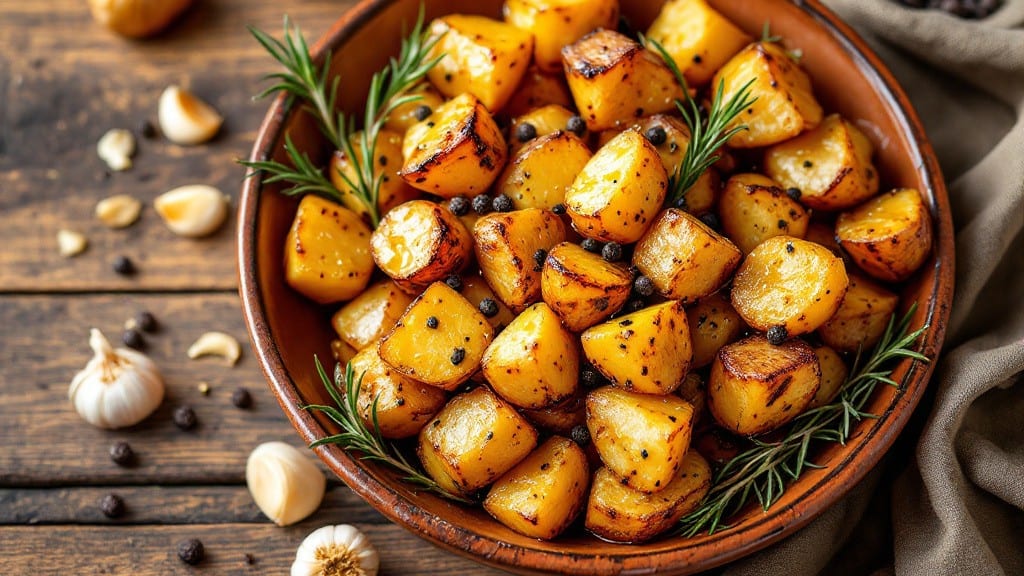
Transforming simple russet potatoes into golden, caramelized perfection requires just a few key techniques that elevate them from ordinary to extraordinary. The secret lies in high-heat roasting with enough oil to create that irresistible crispy skin while keeping the insides fluffy and buttery.
I’ve perfected this method over years of testing, ensuring every bite delivers that satisfying contrast of textures and rich, savory flavor.
This recipe delivers restaurant-quality results with minimal effort—just four essential ingredients and 30 minutes of active time. The potatoes develop a deep, caramelized crust that’s impossible to resist, while the inside remains tender and infused with aromatic herbs.
Whether you’re serving them as a side for steak or as a hearty vegetarian main, they’ll steal the show every time.
What sets this method apart is the precision in timing and temperature control, which guarantees perfectly caramelized edges without burning. The right amount of oil and salt enhances the natural potato sweetness, creating a dish that’s both comforting and sophisticated.
Once you try this, store-bought potato sides won’t stand a chance.
Pair these with roasted garlic, fresh herbs, or a drizzle of melted butter for an even more indulgent experience. The versatility of this recipe makes it perfect for weeknight dinners or holiday feasts—just adjust the seasoning to match your menu. Let’s get started on creating your best batch yet.
Ingredients for russett potato
Four essential ingredients transform humble russets into restaurant-worthy caramelized perfection.
| Ingredient | Amount | Notes |
|---|---|---|
| Russet Potatoes 🥔 | 2 ½ lb | Cut into 2-inch chunks, skin on |
| Extra-Virgin Olive Oil 🫒 | ⅓ cup | High-quality, fruity variety preferred |
| Kosher Salt 🧂 | 1 ½ tbsp | Diamond Crystal preferred for flaky texture |
| Fresh Rosemary 🌿 | ¼ cup | Finely chopped, fresh is essential |
| Garlic Cloves 🧄 | 4 cloves | Smashed, skin on for deeper flavor |
| Black Peppercorns 🌶️ | 1 tsp | Freshly cracked for optimal aroma |
| Unsalted Butter 🧈 | 2 tbsp | Cold, cubed for finishing |
The russet potatoes are the star—opt for Idaho-grown for their superior starch content and fluffy texture. Costco or Whole Foods carry the best quality, but any reputable grocery store will have them. Look for firm, blemish-free potatoes with a vibrant, papery skin. The size matters too: 2.5 pounds yields about 8 cups of chunks, perfect for even browning. If using organic potatoes, no need to peel—the skin adds texture and nutrients. For the olive oil, California-grown extra-virgin delivers the best fruity notes without bitterness. Store your potatoes in a cool, dark place (not the fridge) until ready to use, as cold temperatures convert their starches to sugar, altering the roasting results.
No fresh rosemary? Dried works at one-third the amount, though it lacks the same aromatic depth. Substitute thyme or sage if needed, but rosemary’s piney flavor is ideal here. Short on time? Pre-minced garlic from the jar saves effort, though fresh smashed cloves infuse more flavor. The butter finish is non-negotiable—European-style unsalted butter like Plugrá melts beautifully. For a dairy-free option, use coconut oil, though the flavor will differ slightly. If your potatoes seem dry after roasting, a quick broil with an extra tablespoon of oil and a pinch of salt can restore crispiness. The key is patience: undercooked potatoes taste better the next day as they continue to caramelize.
Roasted potatoes reach peak flavor when reheated—store them in an airtight container for up to 5 days in the fridge. For longer storage, freeze portions for up to 3 months, though texture may soften slightly. To reheat, spread them on a baking sheet and warm at 400°F for 10-15 minutes until crispy again. The aromatics (rosemary, garlic) can be prepped ahead and stored in the fridge for 3 days or frozen for 1 month. For holiday gatherings, double the batch—they reheat beautifully and taste even better the next day. The secret to restaurant-quality results lies in the high-heat roasting technique, which develops that coveted caramelized crust while keeping the insides tender.
Why You'll Love This Recipe
- The secret’s in the edges: golden, shatteringly crisp while the inside stays fluffy. A single sprig of rosemary and a couple smashed garlic cloves turn simple potatoes into something dangerously good. Honestly, I’ll take this over fries any day.
- One-Pan Magic: I swear by this recipe because it’s literally just slice, roast, and forget. No peeling, no boiling—just toss those russets with olive oil, salt, and rosemary, then let the oven do the work. That’s it. Zero fuss, all flavor.
- Crispy-Creamy Obsession: The secret’s in the edges: golden, shatteringly crisp while the inside stays fluffy. A single sprig of rosemary and a couple smashed garlic cloves turn simple potatoes into something dangerously good. Honestly, I’ll take this over fries any day.
- Weeknight & Potluck Hero: This dish works for everything—a lazy Tuesday dinner, a picnic spread, or a last-minute potluck. Double the batch, reheat for lunch, or serve it alongside grilled chicken. It’s the ultimate crowd-pleaser that never feels like a chore.
Step-by-step instructions for roasted russett potatoes
Transform humble russet potatoes into caramelized, buttery perfection with this precise technique.
Prepare the Potatoes for Even Cooking
Begin by thoroughly scrubbing the 2.5 lb russet potatoes under cold water to remove any dirt from the skins. Using a chef's knife, carefully cut them into uniform 2-inch chunks, leaving the skin intact—this preserves moisture and adds texture. I find that slightly irregular shapes yield better results than perfect cubes, as they create more surface area for browning.
Place the potato chunks in a single layer on a clean kitchen towel and pat them completely dry with another towel. Removing all moisture is critical—wet potatoes steam instead of roasting, resulting in a pale, soggy texture rather than the crispy edges we're after. For best results, work in batches if your potatoes don't fit on one towel at a time.
Create the Herb Oil Mixture
In a large mixing bowl, combine the 0.33 cup extra-virgin olive oil with the 0.25 cup finely chopped fresh rosemary, 4 smashed garlic cloves (skin on), and 1 tsp freshly cracked black peppercorns. Using clean hands or a wooden spoon, thoroughly mix until the rosemary and garlic are evenly distributed throughout the oil. This infusion creates an aromatic base that will penetrate the potatoes during roasting.
Add the 1.5 tbsp kosher salt to the mixture and toss again. The salt should be distributed evenly—this ensures proper seasoning throughout each potato piece. I like to let this mixture sit for 5 minutes while I prepare the baking sheet, allowing the rosemary to release its essential oils into the oil.
Toss and Arrange for Optimal Browning
Transfer the potato chunks to the bowl with the herb oil mixture and toss gently but thoroughly to coat each piece completely. You'll notice the potatoes immediately begin absorbing the oil and aromatics. Arrange them in a single layer on a rimmed baking sheet, leaving about ½-inch space between each piece. This spacing is crucial—it prevents steaming and allows hot air to circulate around each potato for even browning.
For best results, I recommend using two baking sheets if your potatoes don't fit in one layer. The potatoes should fit snugly without crowding, but not be touching. If you're using two sheets, divide the herb oil mixture evenly between them. Preheat your oven to 425°F while the potatoes are arranging—this ensures the oven reaches optimal temperature before the potatoes go in.
Roast Until Caramelized and Golden
Place the baking sheet in the center rack of the preheated oven and roast for 30 minutes. After this initial period, carefully flip each potato piece using a metal spatula, being gentle to avoid breaking them. Return to the oven and continue roasting for another 20-25 minutes, until the edges are deeply golden brown and the potatoes are tender when pierced with a fork.
I recommend opening the oven door after 20 minutes to check for doneness. The potatoes should have developed a beautiful caramelized crust with crisp edges. If they're browning too quickly, move the sheet to the lower rack. If they need more color, return to the upper rack for 5 minutes. The internal temperature should reach 210°F when measured with an instant-read thermometer.
Finish with Butter for Ultimate Richness
Remove the potatoes from the oven and transfer them to a large serving bowl. Immediately add the 2 tbsp cold, cubed unsalted butter and toss gently to distribute the melted butter evenly over each potato. The residual heat from the potatoes will quickly melt the butter, creating a luscious, buttery coating that enhances all the herb flavors we've developed.
Let the potatoes rest for 2-3 minutes before serving to allow the butter to fully melt and the juices to redistribute. The result should be perfectly caramelized potatoes with crispy edges, tender centers, and a rich, herby butter finish. Serve immediately while still warm, as these potatoes are best enjoyed straight from the oven.
Pro Tips For Making Russett Potato
- CUT THEM EVENLY: Russets are stubborn—uneven slices mean uneven cooking. Grab a sharp knife and cut them into ½-inch thick rounds, then trim any rough edges with a paring knife. I learned this the hard way when my "quick chop" turned into a pile of lumpy, half-raw slices.
- SALT THE WATER LIBERALLY: Don’t skimp—aim for 1½ tablespoons kosher salt per 4 quarts of water. The potatoes need to absorb flavor while cooking, and under-salting means you’ll have to season them aggressively later. (Yes, even if you’re using salted olive oil afterward.)
- ROAST THEM TWICE: After your initial bake (425°F for 25 minutes), flip them and roast another 15–20 minutes until the edges are crisp and the centers are tender. The first round softens them; the second builds that golden, crackly crust. Skip this, and you’ll end up with sad, limp potatoes.
- SMASH THE GARLIC: Whole cloves won’t infuse—smash them with the flat of your knife before tossing with the oil. This releases their flavor and ensures every bite gets that aromatic punch. I was skeptical until I tried it, and now I won’t go back.
Best sauces and condiments for this russett potato
Classic Garlic Aioli
This creamy, tangy sauce transforms your roasted russets into a full-flavor experience. I blend ½ cup mayonnaise (like Duke’s) with 2 roasted garlic cloves, 1 tbsp lemon juice, and ½ tsp salt until smooth.
The roasted garlic adds depth that complements the caramelized potatoes beautifully. Serve warm or at room temperature for the best texture. 🧄
Brown Butter Drizzle
For a luxurious finish, brown 2 tbsp unsalted butter in a small pan until golden and nutty (about 3-4 minutes on medium heat). Remove from heat, stir in 1 tsp fresh thyme leaves, then drizzle over the hot potatoes.
The nutty, caramelized butter enhances the natural sweetness of the russets. Use Plugrá butter for the best flavor. 🧈
Crispy Onion Jam
Sauté 1 cup thinly sliced red onions in 1 tbsp olive oil until deeply caramelized (about 20-25 minutes on low heat). Add 1 tbsp balsamic vinegar and 1 tsp brown sugar to create a jammy consistency.
Spread this over the potatoes before serving for a sweet-savory contrast that’s impossible to resist. 🧅
Herb Yogurt Dip
Mix ½ cup Greek yogurt with 1 tbsp chopped fresh dill, 1 tsp lemon zest, and ½ tsp garlic powder. This tangy, creamy dip cuts through the richness of the roasted potatoes while adding a refreshing herbal note.
Serve it on the side for dipping or drizzle it lightly over the top. ✨
Spicy Honey Mustard
Combine 2 tbsp Dijon mustard, 1 tbsp honey, 1 tsp apple cider vinegar, and a pinch of cayenne pepper for a sweet-spicy kick. This sauce pairs perfectly with the buttery, caramelized potatoes and adds a bright contrast. Use local honey for the best flavor. 🌶️
Parmesan Crisp
For a crispy, umami-packed topping, pulse ½ cup grated Parmesan cheese in a food processor with 1 tbsp olive oil until it forms a coarse crumb. Sprinkle this over the hot potatoes just before serving. The cheese melts slightly, creating a golden, salty crust that elevates every bite. 🧀
Nutrition facts
Frequently asked questions
Why do russet potatoes turn out soggy instead of crispy?
Moisture is the enemy of crispy skins! Always pat your potato chunks completely dry before roasting—even a little dampness causes steaming instead of browning. Also, avoid overcrowding on the baking sheet (leave ½-inch gaps) and use 425°F for even heat circulation. If your oven runs hot, try the lower rack first.
Can I use russet potatoes for mashed potatoes instead of roasting?
Russets are perfect for mashed potatoes because their high starch content creates ultra-creamy, fluffy results. Boil peeled chunks until tender (15-20 minutes), then mash with butter, cream, and salt. For extra richness, fold in roasted garlic or crispy bacon bits after cooking.
How do I store leftover roasted russet potatoes?
Store in an airtight container for 4-5 days in the fridge. Reheat at 400°F for 10-15 minutes until crispy again—spread them on a baking sheet first to restore that perfect texture. For longer storage, freeze for up to 3 months, but texture may soften slightly upon reheating.
What’s the best way to peel russet potatoes for fries?
For crispy fries, skip peeling! The skin adds texture and prevents breakage. Cut into ¼-inch thick sticks, soak in cold water for 30 minutes (removes excess starch), then pat dry thoroughly. Double-fry at 325°F (first fry) and 375°F (second fry) for golden, crispy results.
Are russet potatoes better than Yukon Gold for roasting?
Russets excel for roasting because their high starch content creates crispy skins and fluffy insides. Yukon Golds (lower starch) yield creamier textures but won’t get as crispy. For roasting, stick with russets—save Yukons for dishes where creaminess is key, like gratin or scalloped potatoes.