
Side Dishes
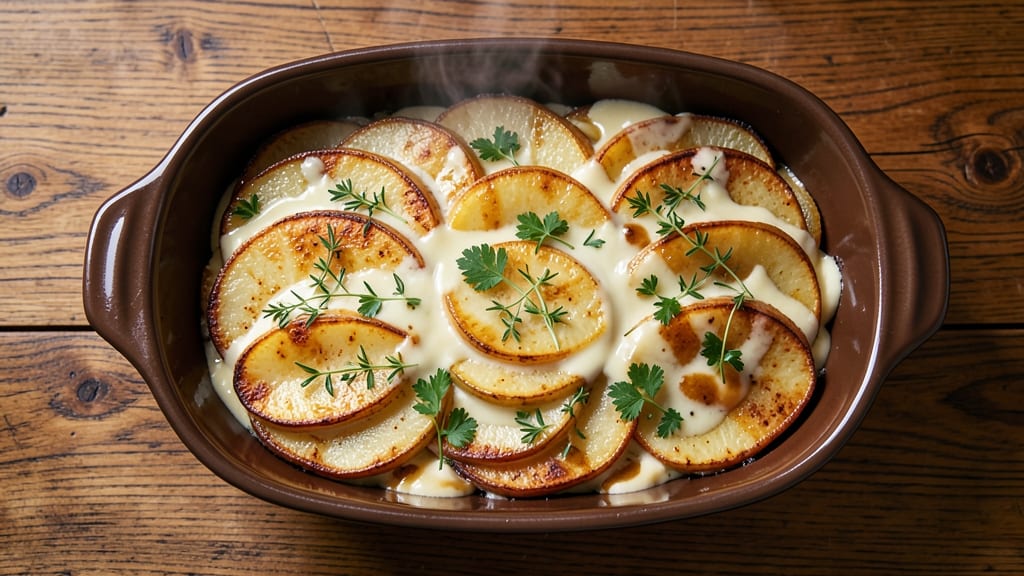
Mastering Gordon Ramsay's scalloped potatoes transforms a simple side into a showstopping dish with creamy layers and crispy edges. This recipe captures his signature technique—thinly sliced potatoes baked in a rich, herbed cream sauce with a touch of mustard for depth.
After years of perfecting this dish, I’ve found the key lies in precise layering and a high-heat finish to achieve that golden crust.
The process starts with thinly sliced potatoes (about 1/8-inch thick) arranged in an overlapping pattern for even cooking. A velvety sauce of heavy cream, sharp cheddar, Dijon mustard, and fresh herbs—like thyme and parsley—binds the layers together.
The dish bakes at 375°F until the top is bubbling and golden, ensuring a tender interior and crisp exterior that rivals restaurant-quality sides.
What sets this apart is the balance of textures: the potatoes stay tender while developing a satisfying crunch on the edges. The mustard adds a subtle tang that cuts through the richness, while the herbs infuse every bite with bright, aromatic notes.
This recipe delivers a side dish so impressive, it’ll have guests asking for seconds—and you’ll wonder how you ever settled for anything less.
Perfect for holiday dinners, family gatherings, or even a cozy weeknight meal, these scalloped potatoes pair beautifully with roasted meats or grilled fish. The method is straightforward but requires attention to detail—like letting the sauce thicken slightly before adding the final potato layer.
Trust me, the effort is worth every crispy, creamy bite.
Ingredients for gordon ramsay scalloped potato
Thinly sliced potatoes, rich cream, and sharp cheddar create Ramsay's signature crispy-edged, creamy masterpiece.
| Ingredient | Amount | Notes |
|---|---|---|
| Russet Potatoes 🥔 | 3 lb | Thinly sliced (1/8-inch thick) |
| Heavy Cream 🥛 | 2 cups | Full-fat for optimal creaminess |
| Sharp White Cheddar Cheese 🧀 | 2 cups | Freshly grated, block preferred |
| Dijon Mustard 🍯 | 2 tbsp | For tangy depth of flavor |
| Fresh Thyme Leaves 🌿 | ¼ cup | Chopped finely, stems removed |
| Fresh Parsley Leaves 🌿 | ¼ cup | Chopped finely, for brightness |
| Unsalted Butter 🧈 | ½ cup | Cold, cubed for layering |
| Garlic Cloves 🧄 | 4 cloves | Minced finely for aroma |
| Salt 🧂 | 1 ½ tsp | Kosher or sea salt preferred |
| Black Pepper 🌶️ | ½ tsp | Freshly ground for heat |
| All-Purpose Flour 🌾 | ½ cup | For thickening sauce base |
| Panko Breadcrumbs 🍞 | ¼ cup | For final crispy topping |
The potatoes are non-negotiable—russets hold their shape best. Look for firm, unblemished tubers at the grocery store, preferably organic for better texture. Costco or Whole Foods carry the best quality in bulk. Slice them 1/8-inch thick using a mandoline (safety first!) or a sharp knife. The thinner the slices, the more even the cooking. Prevent browning by tossing slices in cold water while you prep the sauce. For the cheddar, sharp white cheddar is key—avoid pre-shredded (it contains anti-caking agents that prevent proper melting).
No heavy cream? Full-fat sour cream works in a pinch, though the texture will be slightly denser. Substitute Dijon mustard with 1 tbsp regular mustard plus 1 tsp lemon juice for tang. Fresh herbs wilt fast—dried thyme and parsley can replace fresh at one-third the amount, but fresh delivers that restaurant-quality brightness. Butter matters: use unsalted to control seasoning precisely. For the final crisp, panko is ideal, but crushed cornflakes add a nice crunch too. Preheat your oven to 375°F—this ensures the top crisps properly without drying out the layers below.
This dish reheats beautifully—cover with foil and bake at 350°F for 15-20 minutes. Store leftovers in an airtight container for up to 4 days, though the texture softens slightly. For make-ahead, assemble the dish (without baking), cover, and refrigerate for up to 24 hours. When ready to bake, add 10 minutes to the cooking time. Freezes well for up to 3 months—thaw overnight in the fridge before reheating. The secret to restaurant-quality? Let it rest 10 minutes after baking—this helps the layers set and makes slicing cleaner.
Why You'll Love This Recipe
- One-Pan Magic: I swear by this for nights when I’d rather not wash a dozen dishes. Slice the potatoes, layer them with cream and cheese, and pop it in the oven—no fuss, no stress, just golden perfection by dinner.
- Creamy-Cheesy Bliss: That sharp white cheddar melting into the creamy sauce? It’s like a hug in your mouth. The Dijon mustard adds just enough tang to cut through the richness, and the thyme? Pure aromatic magic.
- Leftover Heaven: Between us, this dish tastes even better the next day—if you can resist eating it all. Reheat slices straight from the fridge for a quick breakfast or pack them for lunch. Zero waste, all flavor.
- Budget-Friendly Luxe: Russets and cheddar are cheap staples, but this recipe feels like a fancy bistro dish. Honestly, it’s my go-to for feeding a crowd without breaking the bank. Plus, the leftovers stretch for days. Win-win.
Step-by-step instructions for Gordon Ramsay's scalloped potatoes
Here's how to achieve that signature creamy, crispy texture with perfect herb and mustard layers.
Prepare the Potatoes for Even Cooking
Begin by peeling the 3 lb russet potatoes and slicing them into even 1/8-inch thick slices. I use a mandoline for precision, but a sharp chef's knife works if you're careful. The key is consistency—each slice should be identical in thickness so they cook uniformly. As you slice, place them in a bowl of cold water to prevent browning while you prepare the other components.
After slicing all the potatoes, drain the water and pat the slices completely dry with paper towels. Any moisture left on the potatoes will steam them instead of creating that beautiful crispy top layer. Arrange the slices on a clean kitchen towel to dry further while you prepare the cheese mixture. This drying step is crucial for achieving that perfect balance of creamy interior and crispy exterior.
Create the Creamy Cheese Base
In a medium bowl, combine the 2 cups heavy cream, 2 tbsp Dijon mustard, 0.25 cup finely chopped fresh thyme leaves, and 0.25 cup finely chopped fresh parsley leaves. Whisk together until fully incorporated. This herb-infused cream will be the foundation of your dish's flavor profile, adding brightness and depth that cuts through the richness of the cheese.
In a separate bowl, mix together the 2 cups freshly grated sharp white cheddar cheese, 0.5 cup all-purpose flour, 1.5 tsp salt, and 0.5 tsp freshly ground black pepper. The flour will help thicken the sauce as it bakes, while the cheese provides that signature cheesy flavor. I like to use a microplane for the cheese to get fine, even shreds that melt smoothly into the cream mixture.
Layer the Potatoes in a Baking Dish
Preheat your oven to 375°F. In a 9x13-inch baking dish, begin by spreading half of the cold, cubed unsalted butter evenly on the bottom. This creates a flavorful barrier between the potatoes and the dish. Then, arrange a single layer of potato slices in the dish, slightly overlapping them if needed to cover the bottom completely.
Spread half of the cheese mixture evenly over the potato layer, then sprinkle half of the minced 4 garlic cloves. Repeat with another layer of potatoes, then the remaining cheese mixture and garlic. The final layer should be potatoes only. This careful layering ensures each bite contains that perfect ratio of creamy sauce to tender potato.
Bake Until Golden and Bubbly
Cover the baking dish tightly with aluminum foil and bake for 45 minutes. This initial baking time allows the potatoes to soften and the cheese to begin melting without browning. After 45 minutes, remove the foil and continue baking for an additional 15-20 minutes until the top is golden brown and bubbly.
During the final uncovered baking time, keep an eye on the dish. You're looking for that perfect crispy top that's golden brown in color and slightly puffed. If it browns too quickly, tent it loosely with foil to prevent burning while still allowing the top to crisp. The internal temperature of the potatoes should reach 200°F when measured in the thickest slice.
Add Crispy Topping and Finish
In a small bowl, combine the 0.25 cup panko breadcrumbs with 1 tbsp melted butter. Sprinkle this mixture evenly over the top of the baked potatoes. Return the dish to the oven for 5-7 minutes until the breadcrumb topping is golden brown and crispy. This final step adds texture contrast that makes the dish truly exceptional.
Remove from the oven and let rest for 10 minutes before serving. This resting time allows the layers to set slightly, making it easier to slice and serve. The result should be creamy, cheesy layers with a crispy top and golden brown edges. Serve immediately while hot for the ultimate experience.
Pro Tips For Making Gordon Ramsay Scalloped Potato
- Parboil First: Toss peeled Russets into boiling water for 5 minutes—this keeps them from falling apart when slicing. I learned this the hard way after watching my first batch turn to mush in the baking dish.
- Whisk the Cream: Don’t just dump heavy cream into the mix—whisk it with Dijon and thyme first to emulsify the mustard. This ensures a smooth sauce instead of clumpy streaks.
- Skip Pre-Baking: Resist the urge to bake the potato layers uncovered first. The cream needs to steam and caramelize together—covering with foil halfway locks in moisture and prevents a dry top.
- Grate the Cheese: Use a box grater for sharp white cheddar instead of pre-shredded. The finer texture melts evenly, and you avoid the waxy bits that ruin texture. (Yes, it takes 2 minutes—worth it.)
Troubleshooting this recipe
Uneven Baking Fix
If your scalloped potatoes bake unevenly—with some layers undercooked or others overdone—it’s likely due to inconsistent heat distribution. I’ve found that rotating the baking dish halfway through the baking time (after the initial 45 minutes) helps even out the heat.
Also, ensure your oven rack is positioned in the middle of the oven for consistent warmth. If your oven runs hot, consider reducing the temperature to 350°F for the final 15-20 minutes to prevent browning while still achieving a crispy top. 🌡️
Sauce Too Watery
A runny sauce is usually caused by too much moisture in the potatoes or insufficient thickening. First, pat the potato slices completely dry before layering—this prevents excess steam from forming.
If the sauce still seems too thin after baking, sprinkle 1 tbsp cornstarch mixed with 1 tbsp cold water over the top and bake for an additional 5-7 minutes uncovered.
Alternatively, blend ½ cup of the leftover sauce with 1 tbsp butter and spread it back over the dish for a richer, thicker finish.
Potatoes Not Tender
If your potatoes remain firm or undercooked, they likely weren’t sliced thin enough or didn’t bake long enough. Aim for 1/8-inch slices—any thicker, and the center won’t cook through. For extra insurance, parboil the potato slices for 3-4 minutes before layering.
This jumpstarts the cooking process and ensures they’re tender even if the final bake time feels short. Also, check your oven temperature with an oven thermometer—many home ovens run 25°F hotter or colder than set, which can drastically affect cooking times. 🔥
Cheese Not Melting
Cheese that refuses to melt is often due to too much flour or not enough heat. The flour in this recipe is meant to thicken the sauce, not absorb moisture—so if your cheese stays clumpy, reduce the flour to ¼ cup next time.
For a quicker fix, broil the dish for 1-2 minutes at the end of baking, keeping a close eye to avoid burning. Another trick? Use shredded cheese fresh from the block (not pre-shredded) and grate it yourself—pre-shredded cheese contains anti-caking agents that prevent proper melting.
Top Not Crispy Enough
A soggy top happens when moisture escapes too quickly or the oven isn’t hot enough. To fix this, increase the oven temperature to 400°F for the final 5-7 minutes with the breadcrumb topping.
For next time, bake the dish uncovered for the last 10 minutes to allow moisture to evaporate and the top to crisp. If the breadcrumbs still don’t crisp, try toasting them in a dry pan for 2-3 minutes before sprinkling them on top—this adds an extra layer of crunch. 💡
Overly Salty Flavor
If your scalloped potatoes taste too salty, it’s usually because the cheese or cream was already seasoned. To balance the flavor, add 1 tbsp lemon juice or white wine to the sauce before baking—this brightens the dish and cuts through the saltiness.
For a savory fix, sprinkle 1 tsp smoked paprika or ½ tsp fresh herbs (like parsley or chives) over the top before serving. If the issue persists, reduce the salt in future batches to 1 tsp and adjust to taste after baking.
Nutrition facts
Frequently asked questions
Why does Gordon Ramsay's version use Dijon mustard?
The Dijon mustard adds a subtle tang that brightens the rich, creamy cheese sauce. It also helps balance the sweetness of the potatoes while adding depth to the flavor profile. Without it, the dish can taste overly heavy or one-dimensional.
Can I make this ahead of time?
Yes! Assemble the dish completely (without baking) up to 24 hours ahead. Cover tightly and refrigerate. When ready to bake, add 10-15 minutes to the cooking time. For best texture, don't bake it fully ahead—always finish in the oven.
What's the secret to crispy edges?
The crispy edges come from thin, even potato slices and proper layering. Dry the slices thoroughly before baking, and use a high-heat finish (400°F for the last 5-7 minutes with breadcrumbs). The butter between layers also helps create that golden crust.
Can I substitute cream cheese for heavy cream?
Not recommended—cream cheese will make the sauce too thick and dense. If you're out of heavy cream, use full-fat sour cream or half-and-half, but expect a slightly lighter texture. The richness from heavy cream is essential for that signature velvety sauce.
How do I serve this like a restaurant?
Garnish with fresh parsley and a sprinkle of smoked paprika for color. Serve in individual portions with a dollop of extra sauce on top. Pair with roasted meats or grilled fish for a complete meal. For extra drama, broil for 1-2 minutes before serving to get a perfect golden crust.