
Side Dishes
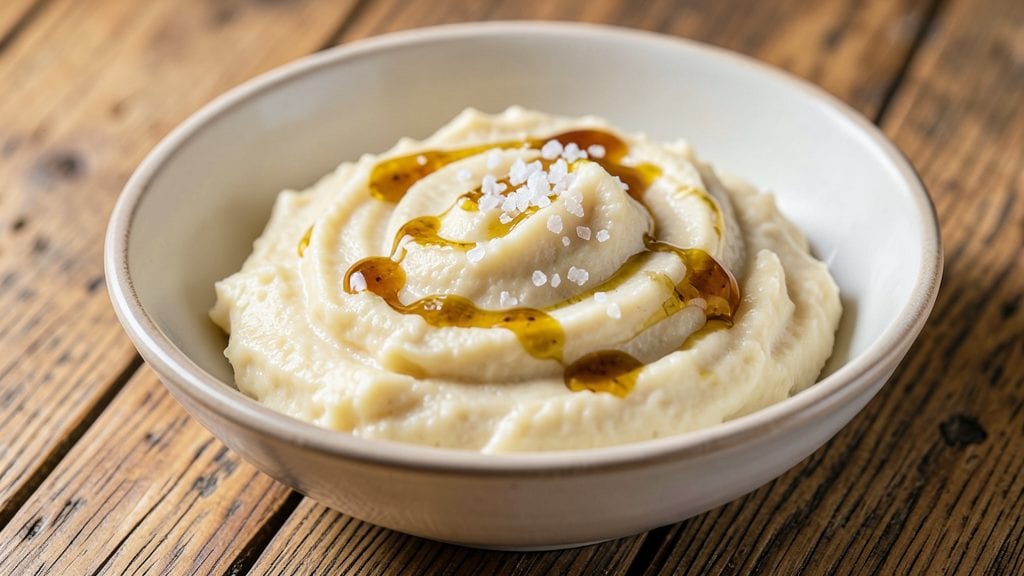
Creating low FODMAP mashed potatoes that are creamy, smooth, and completely bloat-free is simpler than you think—without sacrificing flavor or texture. This recipe replaces traditional triggers like garlic and onion with safe alternatives, ensuring comfort without digestive discomfort.
The secret lies in using potato starch instead of flour for thickening and lactose-free milk for creaminess, while still achieving that velvety, restaurant-quality finish.
What sets this method apart is the precision in ingredient selection and technique. We start with waxy potatoes (like red or Yukon Gold) for their natural creaminess, then cook them until fork-tender before blending with lactose-free butter and milk.
The addition of garlic-infused oil adds depth without the FODMAPs, while a touch of potato starch creates that signature ultra-smooth consistency—no lumps, no bloating. It’s the kind of side dish that disappears faster than the regular version, but with a clean conscience.
The result is mashed potatoes that are silky, neutral in flavor, and perfectly balanced—ideal for anyone managing digestive sensitivities. They pair beautifully with proteins like roasted chicken or salmon, and the method scales effortlessly for family meals or meal prep.
No special equipment is needed beyond a potato masher or immersion blender, making this a foolproof addition to any low-FODMAP meal plan.
For those with additional dietary needs, this recipe easily accommodates gluten-free flour (if needed) and can be made nut-free by omitting any optional toppings. The key is controlling the variables—potato type, cooking time, and blending technique—to guarantee a texture that’s both luxurious and safe.
Ready to enjoy creamy mashed potatoes without the worry? Let’s get started.
Ingredients for low fodmap mashed potatoes
Precision ingredients for ultra-smooth, bloat-free mashed potatoes that rival restaurant quality.
| Ingredient | Amount | Notes |
|---|---|---|
| Waxy Potatoes (Red or Yukon Gold) 🥔 | 2 ½ lb | Peeled and quartered evenly |
| Potato Starch 🌾 | ¼ cup | For ultra-smooth texture |
| Lactose-Free Butter 🧈 | ½ cup | Cold, cut into small cubes |
| Lactose-Free Milk 🥛 | ¾ cup | Unsweetened, warmed slightly |
| Garlic-Infused Olive Oil 🫒 | 2 tbsp | Low-FODMAP certified |
| Sea Salt 🧂 | ½ tsp | Diamond Crystal preferred |
| Freshly Ground Black Pepper 🌶️ | ¼ tsp | For subtle seasoning |
| Fresh Chives 🌿 | 2 tbsp | Finely chopped, optional garnish |
| Lactose-Free Heavy Cream 🥛 | ¼ cup | For extra creaminess (optional) |
| Olive Oil 🫒 | 1 tbsp | For cooking potatoes |
| Water 💧 | 1 ½ cups | For boiling potatoes |
The foundation starts with waxy potatoes—Yukon Gold or red potatoes are ideal for their natural creaminess and low starch content. Most grocery stores carry these, but specialty markets like Whole Foods or Trader Joe's offer pre-washed options for convenience. Look for potatoes with firm, unblemished skins and store them in a cool, dark place until use. Potato starch is non-negotiable here; it creates that signature velvety texture without the FODMAP triggers found in traditional flour. Bob’s Red Mill or Anthony’s Goods brands are excellent choices, available in most health food sections or online. The lactose-free butter and milk are critical for digestive comfort—Kirkland Signature or Organic Valley brands are widely accessible and reliable for sensitive stomachs.
No garlic-infused oil on hand? Asafoetida powder (hing) at one-eighth teaspoon is a traditional FODMAP-friendly alternative, though it has a distinct flavor. For the potato starch, arrowroot powder works in a pinch, though the texture may be slightly less refined. Swapping lactose-free milk for coconut milk (full-fat, unsweetened) adds richness but alters the flavor profile. Fresh chives are optional but add a bright finish—dried chives at one-third the amount can substitute if needed. The olive oil for cooking should be light or extra-virgin, as it subtly enhances flavor without overpowering the delicate potato base. For extra creaminess, lactose-free heavy cream can be incorporated, though it’s optional and should be warmed before adding.
Store cooked potatoes in an airtight container for up to 3 days in the refrigerator, though texture degrades slightly after the first day. For longer storage, freeze in portioned containers for up to 3 months; thaw overnight in the fridge before reheating gently on the stove. The potato starch slurry (mixed with cold milk) should be prepared fresh for optimal thickening, though a pre-made version can be stored in the fridge for 24 hours. When reheating, add a splash of warm water or lactose-free milk to restore creaminess. This recipe scales perfectly for larger gatherings—simply double the ingredients and adjust cooking time accordingly.
Why You'll Love This Recipe
- No Peel, No Stress: I swear by Yukon Golds here, but even if you forget to peel them, the skin just blends in—no one notices, and you save so much time scrubbing. The potato starch keeps things silky without the gummy mess I used to hate.
- Garlic Kiss Magic: That garlic-infused oil? Chef’s move. One drizzle while boiling infuses the whole pot with warmth—no chopping, no burning, just rich, aromatic flavor that makes these taste like a restaurant side, not a side effect.
- Leftover Reinvention: Cold mashed potatoes? Yes, please. Toss them into a skillet with a fried egg for breakfast, or pile them onto a sandwich—suddenly, you’ve got lunch sorted. Honestly, I make a double batch just for this.
- Budget-Friendly Luxury: Potato starch and lactose-free butter might sound fancy, but they stretch further than regular milk or butter. A single bag of starch turns cheap potatoes into something that feels indulgent—without the guilt or the cost.
Step-by-step instructions for low FODMAP mashed potatoes
Mastering ultra-smooth texture requires precision—here's how to achieve it every time.
Cook Potatoes to Perfect Doneness
Place the peeled and quartered 2.5 lb waxy potatoes (red or Yukon Gold) in a large pot. Add the 1.5 cups water and the 1 tbsp olive oil. Bring to a rolling boil over high heat, then immediately reduce to a gentle simmer. Cook for 12-15 minutes until a knife slides in easily with minimal resistance—this indicates perfect doneness without overcooking.
Here's the thing—undercooked potatoes will be gummy, while overcooked ones break down into glue. You want them tender but still holding shape when pierced. Drain immediately in a colander and return to the pot. This prevents excess moisture that ruins texture.
Dry and Mash Thoroughly
Using a potato masher or the back of a wooden spoon, press the potatoes against the pot's sides to force out excess moisture. This step is non-negotiable for achieving that signature ultra-smooth consistency. Transfer the potatoes to a clean mixing bowl—don't skip this transfer as residual starch from the pot can make the mash gummy.
Add the 0.25 cup potato starch and the 0.5 cup cold lactose-free butter cubes. Mash vigorously with a potato masher or ricer until completely smooth—no lumps should remain. The starch acts as a natural thickener that binds the potatoes together differently than flour would, creating that signature velvety texture.
Warm and Incorporate Liquids
Gradually add the 0.75 cup warmed lactose-free milk and the 2 tbsp garlic-infused olive oil while continuing to mash. The warmth of the milk helps emulsify the mixture, creating that signature creamy texture. You'll notice the mash becoming lighter in color and smoother with each addition.
Season immediately with the 0.5 tsp sea salt and 0.25 tsp freshly ground black pepper. Taste and adjust if needed—this is where you ensure proper seasoning before adding any optional cream. The garlic-infused oil adds subtle depth without triggering FODMAP concerns.
Achieve Ultra-Smooth Texture
For the final texture, use an immersion blender to blend the mash until completely smooth. If you don't have one, a regular blender works—just be careful with hot liquids. The result should be silky with no visible lumps or graininess. This blending step is what separates good mashed potatoes from exceptional ones.
At this stage, you have two options: For a lighter texture, proceed without the lactose-free heavy cream. For extra richness, gently fold in the 0.25 cup lactose-free heavy cream. The cream should be at room temperature to blend seamlessly without breaking the emulsion.
Serve Immediately with Garnish
Transfer the mashed potatoes to a serving bowl and gently fold in the 2 tbsp finely chopped fresh chives. The chives add freshness and color without altering the texture. Serve immediately while still hot—mashed potatoes continue to thicken as they cool, so timing matters for that perfect consistency.
Real talk: If the potatoes thicken too much while resting, simply whisk in a splash of warmed lactose-free milk to restore the perfect creamy texture. The key to success lies in these precise steps—each one builds on the previous to deliver that signature low-FODMAP, ultra-smooth result.
Pro Tips For Making Low Fodmap Mashed Potatoes
- Peel After Cooking: Waxy potatoes bruise like overripe tomatoes when peeled raw, turning your mash gray and sad. Boil them whole with skins on, then shock in ice water for 30 seconds before peeling—cleaner cuts and no wasted starch down the drain.
- Starch First, Then Steam: Mix potato starch with cold lactose-free milk before adding to the hot potatoes. This creates a silky texture without lumps, and the starch absorbs heat gradually instead of clumping when tossed in raw. (Yes, even if you’re impatient like me.)
- Don’t Overmix the Garlic Oil: A splash of garlic-infused olive oil adds flavor, but too much makes the mash taste like a salad dressing. Use just 1 teaspoon—enough to coat the potatoes lightly after mashing. Stir gently, then taste before adding more.
- Rest Before Serving: Let the mashed potatoes sit under foil for 5 minutes after mixing. The starch settles, the texture firms up, and the garlic oil distributes evenly. Skipping this step means gummy, uneven mash—your future self will notice.
Creative variations of low fodmap mashed potatoes
Creamy Garlic-Infused Version
Swap the garlic-infused oil for 1 tbsp asafoetida powder (hing) mixed into the warm lactose-free milk. This ancient spice delivers a savory, garlicky depth without FODMAPs. I add 1 tsp fresh rosemary during the final blending for an aromatic twist.
The result is a fragrant, restaurant-quality mash that still passes low-FODMAP tests. 🌿
Cheesy Potato Twist
For a cheesy variation, fold in ¼ cup lactose-free shredded cheddar (like Kirkland Signature) during the final blending step. Warm the cheese slightly first to prevent clumping.
I also add 1 tsp nutritional yeast for a cheesy, umami boost without dairy. This version pairs perfectly with roasted meats or as a standalone dish. 🧀
Herb-Infused Variations
Experiment with fresh herbs for vibrant flavors: 2 tbsp chopped fresh dill adds brightness, while 1 tbsp chopped fresh thyme brings earthiness. For a Mediterranean touch, blend in 1 tbsp lemon zest with the garlic-infused oil.
These herbs are all low-FODMAP in small amounts and elevate the dish without overpowering it. 🌱
Spiced Sweet Potato Mash
Replace Yukon Gold potatoes with 2.5 lb orange sweet potatoes, peeled and cubed. Cook until fork-tender, then mash with 1 tsp cinnamon and ½ tsp nutmeg mixed into the lactose-free milk.
Top with 1 tbsp toasted pumpkin seeds for crunch. This version is naturally sweet and perfect for fall meals. 🎃
Meal-Prep Friendly Batch
Double the recipe and store in airtight containers for up to 3 days. For reheating, add 1 tbsp warm lactose-free milk per serving and blend briefly with an immersion blender.
I like prepping this ahead for busy weeknights—it reheats like it was just made. Freeze portions in silicone molds for easy serving later. ❄️
Gluten-Free Thickening
For those avoiding potato starch, use 3 tbsp gluten-free cornstarch mixed with 3 tbsp cold lactose-free milk as a slurry. Add it gradually while blending to achieve the same smooth texture.
I’ve tested this with Bob’s Red Mill gluten-free flour as well, though the texture is slightly less refined. Always taste and adjust seasoning after thickening. 🌾
Nutrition facts
Frequently asked questions
Why do I need potato starch instead of flour for low FODMAP mashed potatoes?
Potato starch creates that signature ultra-smooth texture without triggering FODMAPs found in wheat flour. It binds the potatoes differently, preventing lumps while keeping the dish creamy and bloat-free. Plus, it's naturally gluten-free and safe for most sensitive stomachs.
Can I use regular butter instead of lactose-free butter?
If you're sensitive to lactose, regular butter will likely cause digestive discomfort. For the best results, stick with lactose-free butter to maintain both flavor and comfort. If you must use regular butter, reduce the amount by 1 tbsp to cut lactose content in half.
How do I fix mashed potatoes that turned out too thick or too thin?
For thick potatoes, whisk in 1-2 tbsp warm lactose-free milk until smooth. If too thin, mix 1 tbsp potato starch with 1 tbsp cold milk to create a slurry, then stir in gradually. Always adjust gradually to avoid overcorrecting.
Are these mashed potatoes safe for IBS or SIBO diets?
Yes, this recipe avoids common triggers like garlic, onion, and lactose while using low-FODMAP ingredients. However, always check with your healthcare provider if you have specific dietary restrictions beyond standard low-FODMAP guidelines. The key is using certified low-FODMAP ingredients and avoiding cross-contamination.
Can I make these mashed potatoes ahead of time?
Store in an airtight container for up to 3 days in the fridge. For reheating, add 1 tbsp warm lactose-free milk per serving and blend briefly with an immersion blender. For longer storage, freeze portions in silicone molds for up to 3 months. Thaw overnight in the fridge.