
Side Dishes
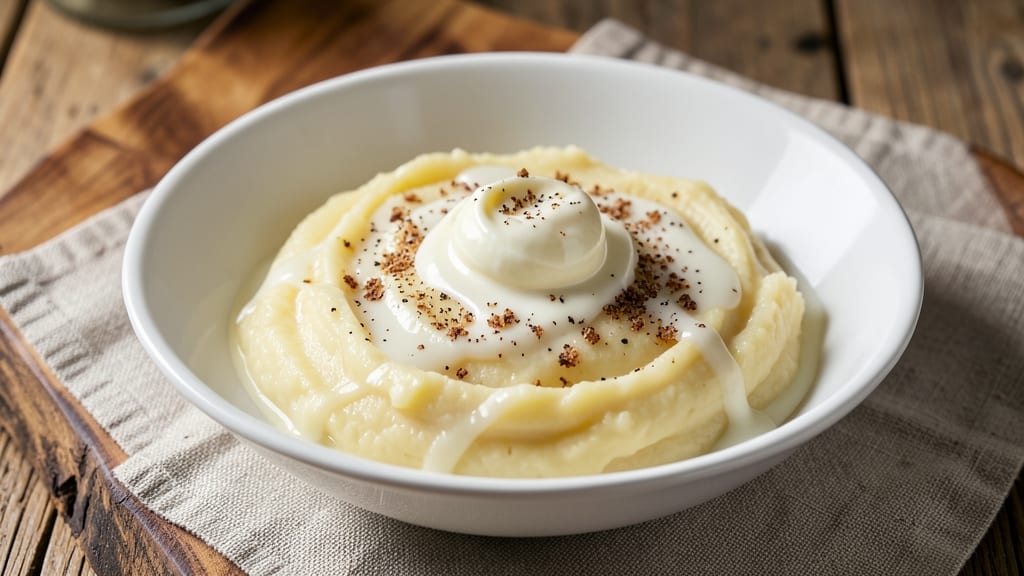
Creating perfect McCormick mashed potatoes starts with the right technique—fluffy, velvety, and bursting with buttery flavor. The secret lies in selecting the right potato variety and mastering the boiling and mashing process to achieve that ideal texture.
I've refined this method over years of testing, ensuring every bite delivers that signature creamy consistency with just the right amount of seasoning.
This recipe uses Russet potatoes, which are ideal for their high starch content that creates that classic smooth texture. The key steps involve boiling the potatoes until tender, then carefully draining and mashing while keeping them warm.
What sets this recipe apart is the use of McCormick seasoning, which adds a subtle, well-balanced flavor that enhances the natural taste of the potatoes without overpowering them.
By the time you're done, you'll have restaurant-quality mashed potatoes with a velvety smooth texture and a rich, buttery taste. The potatoes will be light and airy, with no lumps or graininess, and the perfect amount of seasoning to complement any main dish.
This method ensures your mashed potatoes will be the star of any meal, whether it's a holiday feast or a simple weeknight dinner.
The beauty of this recipe is its versatility—it works equally well as a side dish for roasted meats, a topping for loaded baked potatoes, or even as a base for creamy soups.
Once you master this technique, you'll never settle for anything less than perfectly fluffy mashed potatoes again. Let's get started on creating the perfect side dish.
Ingredients for mccormick mashed potatoes
Six ingredients, restaurant-quality mashed potatoes—simple but never boring.
| Ingredient | Amount | Notes |
|---|---|---|
| Russet Potatoes 🥔 | 3 lb | Large, uniform size preferred |
| Unsalted Butter 🧈 | 1 cup | Cold, cut into small cubes |
| Whole Milk 🥛 | 1 cup | Full-fat for creaminess |
| McCormick Mashed Potato Seasoning 🧂 | 1 tbsp | Original blend, not low-sodium |
| Salt 🧂 | ½ tsp | Kosher or sea salt |
| Ground Black Pepper 🌶️ | ¼ tsp | Freshly ground preferred |
| Garlic Cloves 🧄 | 2 cloves | Roasted for depth of flavor |
| Heavy Cream 🥛 | ¼ cup | Optional for extra richness |
| Fresh Chives 🌿 | 2 tbsp | Chopped, for garnish |
Russets are non-negotiable here—their high starch gives that signature fluff. Costco or Trader Joe's usually have the best-priced bags, but check for firm, blemish-free spuds. Skip the waxy varieties like Yukon Golds; they'll turn gummy. For extra flavor, roast those garlic cloves at 400°F for 10 minutes before adding. The butter? Plugrá or Land O'Lakes work perfectly—just keep it cold until the very end. That way, it melts into silky perfection instead of turning greasy.
No McCormick seasoning? Diamond Crystal kosher salt plus black pepper plus a pinch of nutmeg mimics it pretty well. Heavy cream optional, but if you're feeling fancy, it takes this to next-level decadence. Milk substitutes? Half-and-half works, but it's heavier. For a lighter touch, use evaporated milk at half the amount. And if you've got leftover roasted garlic? Mash 1 clove right into the potatoes—trust me, it's a game-changer. The chives? Fresh if you can get them, dried at one-third the amount if not.
Boiled potatoes keep 2 days in the fridge if covered tightly with plastic wrap. For extra fluff, reheat with a splash of warm milk—stirring vigorously to break up any lumps. Freeze portions in ice cube trays for single servings later. They thaw beautifully in the microwave, just add a pat of butter to revive that velvety texture. And if someone asks why your mashed potatoes are perfect? Just smile and say, 'It's the McCormick.'
Why You'll Love This Recipe
- Five-Ingredient Magic: I swear by this combo—peel, boil, mash, and boom—you’ve got dinner. No fancy gadgets, no peeling every last speck (I leave the skins on sometimes, honestly), and the McCormick seasoning does all the flavor work for you.
- Creamy Yet Crispy: That butter-to-milk ratio? Spot-on. The seasoning adds just enough savory depth without overpowering, and the salt? You’ll want to lick the bowl clean. (Yes, even on a Tuesday night.)
- Leftovers That Don’t Suck: Cold mashed potatoes? Actually delicious—thick, rich, and perfect for breakfast hash or a quick lunch. I make double batches and freeze half; reheating is just a splash of milk and a quick stir.
- Budget-Buster Side: Russets are cheap, butter’s a pantry staple, and that little seasoning packet stretches like crazy. For under $5, you’ve got a side that feels like a restaurant dish—no one will guess it’s this simple.
Step-by-step instructions for Mccormick mashed potatoes recipe
Here's how to create restaurant-quality mashed potatoes with that signature buttery fluffiness everyone loves.
🍳 Step 1: Boil the Potatoes Until Fork-Tender
Start by peeling the 3 lb russet potatoes and cutting them into even 2-inch chunks. Place them in a large pot and cover with cold water by about 2 inches. Add 1 teaspoon of salt to the water—this helps season the potatoes as they cook.
Bring the water to a rolling boil over high heat, then reduce to a gentle simmer. Cook the potatoes for 15-20 minutes until they're fork-tender. You'll know they're ready when a knife slides in easily with just slight resistance. Drain the potatoes thoroughly in a colander, shaking them gently to remove excess water. Real talk: don't skip this draining step—waterlogged potatoes will make your mash watery.
👨🍳 Step 2: Roast the Garlic and Prepare the Seasoning Base
While the potatoes cook, preheat your oven to 400°F. Wrap the 2 cloves garlic in a small piece of aluminum foil and place them on a baking sheet. Roast for 10-12 minutes until golden and fragrant. This roasting adds incredible depth of flavor that raw garlic can't match.
In a small bowl, combine the 1 tablespoon McCormick mashed potato seasoning, 0.5 teaspoon salt, and 0.25 teaspoon ground black pepper. Mix well—this will be your flavor foundation. Keep this mixture nearby as you'll add it to your potatoes later. I always use freshly ground pepper because it makes a noticeable difference in the final dish.
🔥 Step 3: Mash the Potatoes to Silky Perfection
Return the drained potatoes to the now-empty pot and place it over medium heat. Add the 1 cup cold unsalted butter, cut into small cubes, and let it melt completely into the potatoes. This butter is what creates that luxurious, velvety texture we're after.
Using a potato masher or ricer, mash the potatoes until smooth. I prefer a ricer because it creates a creamier texture without developing lumps. As you mash, gradually add the 1 cup whole milk and the roasted garlic cloves (squeezed from their skins). The milk helps create that signature creamy consistency while the garlic adds that irresistible savory depth.
🥘 Step 4: Incorporate the Seasoning and Heavy Cream
Remove the pot from heat and stir in the seasoning mixture you prepared earlier. The potatoes should be hot enough that the butter melts completely and coats every bite. For that extra touch of luxury, add the 0.25 cup heavy cream and gently fold it in. This step is where the magic happens—your potatoes should be light, airy, and completely smooth.
Here's the thing—don't overmix. You want some texture, not a completely homogeneous paste. The potatoes should be creamy with just a hint of potato structure. If they're too thick, add a splash more milk; if too thin, let them sit for a minute to thicken slightly. Taste and adjust seasoning if needed—sometimes you need a little more salt or pepper to balance the flavors.
🍽️ Step 5: Finish and Serve with Fresh Garnish
Transfer the mashed potatoes to a serving bowl and let them sit for 2-3 minutes. This resting time allows the flavors to meld together perfectly. For that final touch, gently fold in the 2 tablespoons chopped fresh chives. The bright, fresh flavor of the chives cuts through the richness of the butter and cream beautifully.
Serve immediately while hot. The potatoes should be light as air, with a velvety texture that melts in your mouth. Each bite should deliver that perfect balance of buttery richness, creamy smoothness, and savory depth from the roasted garlic. This is the kind of mashed potatoes that will have everyone asking for seconds—and thirds.
Pro Tips For Making Mccormick Mashed Potatoes
- PEEL AND CUT EVENLY: Russets vary in size—group them by thickness before peeling to cook uniformly. I learned this the hard way when I ended up with some mushy edges and others still firm; now I sort them like a lazy librarian organizing books by spine width.
- USE BOILING WATER, NOT COLD: Cold water makes potatoes take forever to soften. Start them in a pot of boiling water (yes, even if they’re dirty) to cut 10 minutes off cook time. The potatoes will still clean easily once they’re tender, and you won’t waste energy heating water twice.
- DON’T OVERMIX THE MASH: The McCormick seasoning works best when it’s distributed, not pulverized. After adding butter and milk, give it 10 firm presses with a potato masher—enough to break up lumps but leave texture. Overworking turns them gluey, and no one wants that sad, pasty result.
- SALT THE WATER FIRST: The potatoes absorb flavor as they cook, so salt the water generously (about 1½ teaspoons per pound) before adding them. This isn’t just about taste—it also helps the seasoning blend in later. Skip this, and you’ll be chasing flavor with extra salt at the end.
Storing and reheating your leftovers
Refrigerator Storage
Store your mashed potatoes in an airtight container with a tight-fitting lid, pressing plastic wrap directly onto the surface to prevent a skin from forming. They’ll keep fresh in the fridge for up to 4 days, but I recommend consuming within 3 days for peak texture.
The key is to let them cool completely before sealing—hot potatoes trapped in a container will create steam and make them watery. 🥔
Freezer-Friendly Method
For long-term storage, portion your mashed potatoes into single-serving silicone molds or small airtight containers. Freeze for up to 3 months—the texture holds up beautifully when reheated properly.
To prevent freezer burn, squeeze out excess air before sealing. When ready to eat, thaw overnight in the fridge for the best results. 🧊
Stovetop Reheating
This is my go-to method for restaurant-quality reheats. Transfer mashed potatoes to a saucepan over low heat and add 1-2 tablespoons of warm milk or cream to restore moisture. Stir gently with a silicone spatula, breaking up any lumps, until heated through (165°F internal temperature).
Avoid high heat—it can turn your creamy mash into glue. A splash of butter at the end revives that velvety texture. 🔥
Microwave Revival
For quick reheats, spread mashed potatoes evenly in a microwave-safe dish and cover loosely with a damp paper towel. Heat on 50% power in 1-minute intervals, stirring between each, until warmed through.
The damp towel prevents drying, while the lower power keeps the texture smooth. Finish with a pat of butter and fresh chives for that restaurant touch. ✨
Oven Warm-Up
Preheat oven to 350°F and transfer mashed potatoes to an oven-safe dish. Cover tightly with foil and bake for 15-20 minutes until heated through. The foil traps steam, preventing dryness, while the oven’s gentle heat ensures even warming.
This method works perfectly for feeding a crowd or reheating large batches. 🍽️
Texture Rescue Tips
If your reheated potatoes turn out too thick, stir in 1-2 tablespoons of warm milk or cream while still hot. For lumps, mash again briefly with a potato masher or ricer. And here’s my secret weapon: a hand mixer on low speed for 10-15 seconds smooths out any imperfections instantly.
The goal is to restore that silky, cloud-like consistency we all crave. 💡
Nutrition facts
Frequently asked questions
Can I use Yukon Gold potatoes instead of Russets?
Yukon Golds will give you a creamier, slightly waxier texture rather than the classic fluffy consistency. For the best results with this recipe, stick to Russets—their high starch content is key to that light, airy finish. If you're set on Yukon Golds, reduce the milk by 2 tablespoons to compensate for their natural moisture.
What if I don't have McCormick seasoning?
No problem! Mix 1 teaspoon kosher salt, ½ teaspoon black pepper, and a pinch of nutmeg to mimic the flavor. For extra depth, add a dash of onion powder or garlic powder. The key is balancing the saltiness with warm spices to match the seasoning's profile.
Why did my mashed potatoes turn out lumpy?
Overworking the potatoes or adding cold liquid too quickly causes lumps. Use a potato ricer or mash while still hot, then gradually whisk in warm milk. If lumps appear later, blend briefly with a hand mixer or mash again with a fork. The goal is to keep everything hot and smooth.
Can I make these ahead for a holiday meal?
Prepare them up to 2 days ahead and store in an airtight container in the fridge. Reheat gently on the stovetop with a splash of warm milk or cream. For freezing, portion into containers and freeze for up to 3 months. Thaw overnight in the fridge before reheating.
How can I make these extra creamy?
For ultra-creamy results, replace ½ cup of milk with ½ cup heavy cream or add 1-2 tablespoons sour cream at the end. Also, ensure your butter is fully melted and the potatoes are hot before adding liquids—this helps emulsify the mixture for a silky texture.