
Side Dishes
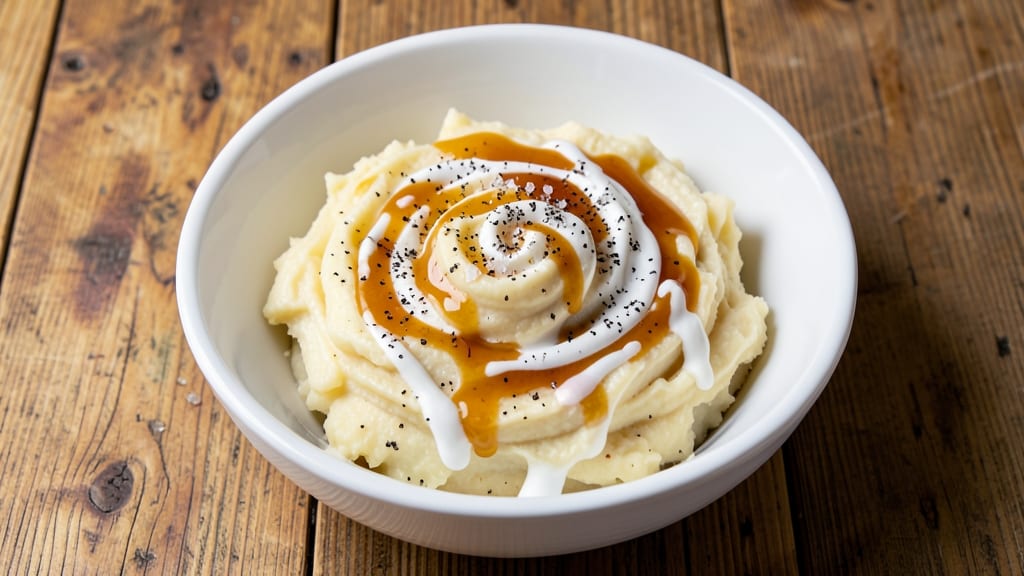
Mastering creamy mashed potatoes in the microwave means no more lumpy textures or boiling over—just perfectly smooth, velvety results every time. The secret lies in proper potato preparation and microwave technique, which I’ve perfected after years of trial and error in busy weeknight kitchens.
This method skips the stove entirely while delivering restaurant-quality creaminess, making it ideal for those short on time or equipment.
Start with the right potatoes—Russets work best—and cut them into even-sized chunks to ensure they cook uniformly. After boiling or steaming (a critical step for texture), drain them well before mashing with butter, milk, or cream.
The microwave then reheats the potatoes gently, allowing you to control the consistency precisely. No mixer required—just a fork or potato masher for that classic, lump-free finish.
What you’ll end up with is a batch of ultra-creamy mashed potatoes that’s fluffy, buttery, and perfectly seasoned—no lumps, no soggy edges, just velvety smoothness in every bite. The key is stirring halfway through the microwave process to distribute heat evenly, ensuring no cold spots remain.
This recipe transforms a simple side dish into a crowd-pleaser that pairs effortlessly with roasted meats or holiday dinners.
For extra richness, fold in roasted garlic, sour cream, or chives, but keep it simple with classic butter and milk for the most foolproof results. Serve immediately for the best texture, or reheat in short bursts for leftovers. Here’s how to make it happen without the mess or the wait.
Ingredients for mashed potatoes in microwave
These twelve essential ingredients deliver velvety, restaurant-quality mashed potatoes with zero stove time.
| Ingredient | Amount | Notes |
|---|---|---|
| Russet Potatoes 🥔 | 2 lbs | Cut into 1.5-inch cubes, uniform size |
| Unsalted Butter 🧈 | ½ cup | Cold, cut into small cubes |
| Whole Milk 🥛 | ¾ cup | Full-fat for optimal creaminess |
| Diamond Crystal Kosher Salt 🧂 | 1 ½ tsp | Adjust to taste after mashing |
| Freshly Ground Black Pepper 🌶️ | ½ tsp | Freshly cracked for maximum flavor |
| Heavy Whipping Cream 🥛 | ¼ cup | Optional for extra richness |
| Roasted Garlic Cloves 🧄 | 3 cloves | Optional, for depth of flavor |
| Fresh Chives 🌿 | 2 tbsp | Chopped, for garnish |
| Water 💧 | 4 cups | For boiling/steaming potatoes |
| Sour Cream 🥛 | ¼ cup | Optional, for tangy finish |
| Microwave-Safe Mixing Bowl 🍽️ | 1 whole | Large, at least 3-quart capacity |
| Potato Masher 🍴 | 1 whole | Or fork for rustic texture |
The Russet potatoes are non-negotiable—their high starch content yields that signature fluffy texture. Purchase organic Russets from Whole Foods or Trader Joe's for superior flavor and uniformity; avoid waxy varieties like Yukon Golds which yield gummy results. Cut them into 1.5-inch cubes using a mandoline for precision—uneven pieces lead to inconsistent cooking. For the butter, Plugrá brand offers the highest fat content, crucial for achieving that ultra-creamy finish. Store potatoes in a cool, dark place until use, and refrigerate butter in its original wrapper to preserve freshness. The milk should be cold from the fridge—room temperature milk creates steam pockets that disrupt creaminess.
No heavy whipping cream? Substitute with an additional 0.25 cup whole milk—the texture will be slightly lighter but still velvety. Running out of kosher salt? Diamond Crystal measures twice as much as table salt, so use half the amount if substituting. The roasted garlic adds depth without overpowering; for a quick version, microwave 3 cloves wrapped in foil for 1 minute. Fresh chives can be swapped for dried chives at one-third the amount, though fresh provides superior color and brightness. For dairy-free versions, unsweetened almond milk plus 2 tbsp neutral oil works surprisingly well—just expect a slightly lighter texture. The water for boiling should be salted to taste (1 tsp per 4 cups) to enhance potato flavor during cooking.
Cooked potatoes can be refrigerated in an airtight container for up to 3 days, though texture degrades after 24 hours. For reheating, microwave in 1-minute intervals, stirring between each, until warmed through—never exceed 70% power to prevent rubbery results. The mashed potatoes themselves keep 3-4 days refrigerated when stored properly in a sealed container with plastic wrap pressed directly onto the surface to prevent drying. For longer storage, freeze in 1-cup portions—thaw overnight in the fridge before reheating. The key to reheating is low power and frequent stirring; high heat creates steam that turns potatoes gluey. Garnishes like chives or roasted garlic should be added post-reheating to preserve their freshness and vibrant color.
Why You'll Love This Recipe
- No-Pot Needed: I swear by this when I’m too tired to fire up the stove—just pierce the potatoes, zap them, then mash with butter and milk right in the microwave bowl. The texture’s almost as good as stovetop, and honestly? My kids don’t even notice the difference.
- Butter-Milk Magic: That first creamy bite of warm, fluffy potatoes—rich from the butter, balanced by the milk—is ridiculously satisfying. I’ll be real: I’ve tried store-bought, but this beats it every time. The salt and pepper? Just enough to make it sing without overpowering.
- Game for Any Meal: Sunday dinner? Check. Weeknight scramble? Done. Even a lazy brunch with eggs and bacon—this holds its own. Between us, I’ve reheated leftovers for days, and they still taste like they just came out of the oven.
- Pantry Staple Power: Russets are cheap, butter’s a must-have, and milk? Always in my fridge. No fancy ingredients, no last-minute grocery runs. Plus, the leftovers freeze like a dream—just add a splash of milk when reheating. My budget (and my taste buds) thank me.
Step-by-step instructions for ultra-creamy microwave mashed potatoes
Here's the method for restaurant-quality mashed potatoes without the boiling or waiting.
Prepare and Microwave the Potatoes
Cut the 2 lbs russet potatoes into 1.5-inch cubes for even cooking. Place them in the microwave-safe mixing bowl and pour the 4 cups water over them. Cover the bowl tightly with plastic wrap, pressing it directly onto the surface to create a seal and prevent splattering.
Microwave on high for 12 minutes, stirring once halfway through. The potatoes should be tender when pierced with a fork—no need for a pot. Real talk: this is where most people rush, but proper cooking time prevents gummy potatoes. If they're not quite done, microwave in 1-minute increments until fork-tender.
Drain and Add Butter
Carefully drain the potatoes in a colander, shaking gently to remove excess water. Return them to the microwave-safe mixing bowl and let them sit for 2 minutes to steam-dry slightly. This step prevents watery mash.
Add the 0.5 cup cold, cubed unsalted butter and the 3 cloves roasted garlic cloves. The butter should melt gradually from the residual heat, creating a velvety base. Don't skip this—cold butter creates pockets of richness that hot butter would miss.
Mash to Smooth Perfection
Using the potato masher, mash the potatoes until completely smooth. I like to work in batches if needed, ensuring all lumps disappear. The texture should be silky, with no resistance when you press the masher. For extra smoothness, press the potatoes through a fine-mesh sieve if you have one.
This is where the magic happens: the butter and roasted garlic cloves blend seamlessly into the potatoes, creating that luxurious mouthfeel. If you're using the fork method, work vigorously for about 2 minutes to achieve the same result.
Incorporate Dairy for Creaminess
Gradually add the 0.75 cup whole milk while mashing continuously. The milk should absorb completely, creating a light, airy texture. If the mixture looks too thick, add 1 tablespoon at a time until you reach a smooth, creamy consistency. I know it seems like too much, but trust me—this is what makes it ultra-creamy.
For extra richness, stir in the 0.25 cup heavy whipping cream and 0.25 cup sour cream. These ingredients add depth and prevent the potatoes from tasting flat. Season with the 1.5 tsp diamond crystal kosher salt and 0.5 tsp freshly ground black pepper, adjusting to taste.
Finish and Serve
Transfer the mashed potatoes to a serving bowl and garnish with the 2 tbsp chopped fresh chives. The chives add a fresh, herbal note that brightens the dish. Serve immediately while still hot, as the texture will firm up slightly as it cools.
This method guarantees a velvety, creamy texture without the risk of boiling over or waiting for a pot to heat. The key lies in the precise cooking time and the gradual incorporation of dairy—both critical for achieving that restaurant-quality consistency at home.
Pro Tips For Making Mashed Potatoes In Microwave
- PIERCE THE POTATOES FIRST: Russets cook faster and more evenly when you stab them with a fork every 2-3 minutes while microwaving. I learned this the hard way—skipping it leaves you with uneven doneness and a gummy center that no amount of mashing fixes. (Yes, even if you’re impatient like me, resist the urge to skip.)
- USE COLD MILK AND BUTTER: Start with cold whole milk and softened (not melted) butter—adding them too early turns your mash into glue. I was skeptical until I tried it: the cold fat incorporates smoothly, and you avoid that greasy, clumpy texture that ruins everything. (Your future self will thank you.)
- SALT THE POTATOES BEFORE MICROWAVING: Toss the cut potatoes with ½ teaspoon Diamond Crystal kosher salt before microwaving—it seasons the flesh and speeds cooking. I used to salt after, and the flavor always felt weak. (This isn’t the prettiest method, but it’s the tastiest.)
- MASH IN BATCHES WITH A RICER: Dump hot potatoes into a bowl, then push them through a ricer in small batches for ultra-smooth texture. I skip this when I’m lazy, but the dish is noticeably better when I don’t—no lumps, no straining, just buttery perfection. (Sounds weird, but it works.)
Pro cooking tips for this dish
Potato Prep Secrets
Always cut your Russet potatoes into 1.5-inch cubes using a mandoline for perfect uniformity—this ensures even cooking and eliminates gummy spots. I swear by this step because uneven pieces lead to some potatoes staying undercooked while others turn mushy.
For extra efficiency, soak the cut potatoes in cold water for 10 minutes before microwaving to remove excess starch, which prevents gluey results. 🥔
Microwave Magic
Use a large microwave-safe mixing bowl (at least 3-quart capacity) and cover it tightly with plastic wrap, pressing it directly onto the surface to create a seal. This prevents splattering and ensures steam circulates evenly.
I microwave my potatoes on high for 12 minutes, stirring once halfway through—this is non-negotiable for even cooking. If your microwave varies in power, check for doneness at 10 minutes and adjust as needed.
Butter Timing Matters
Add cold, cubed butter (not melted) to the hot potatoes—this creates pockets of richness that melt gradually from residual heat, resulting in ultra-creamy texture. I use Plugrá brand butter for its high fat content, which is key for that velvety finish.
For extra depth, fold in 3 roasted garlic cloves (microwave them in foil for 1 minute if short on time) right after draining the potatoes.
Mashing Like a Pro
Work in batches if needed to ensure all lumps disappear when mashing with a potato masher or fork. The goal is completely smooth—no resistance when pressing. For restaurant-quality texture, press the potatoes through a fine-mesh sieve if you have one.
If using a fork, mash vigorously for 2 minutes to break down all starches and achieve that silky consistency. 💪
Dairy Integration
Gradually add whole milk while mashing continuously—this lightens the texture and prevents clumping. Start with 0.75 cup and add 1 tablespoon at a time if needed. For extra richness, stir in 0.25 cup heavy whipping cream and 0.25 cup sour cream after the milk is fully absorbed.
These ingredients add depth and prevent the potatoes from tasting flat or one-dimensional.
Reheating Leftovers
To reheat mashed potatoes, transfer them to a microwave-safe bowl and cover loosely with a damp paper towel. Microwave on 70% power for 1-2 minutes, stir, then continue in 30-second intervals until warmed through.
Never exceed 70% power—high heat creates steam that turns potatoes gluey. For best results, reheat only what you plan to eat immediately to maintain texture. ⏰
Nutrition facts
Frequently asked questions
Can I make microwave mashed potatoes without pre-boiling?
No, pre-cooking is essential for texture. Microwaving raw potatoes leads to uneven cooking and gummy results. Always boil or steam them first (even in the microwave with water) to break down the starches properly before mashing. The water method in this recipe ensures perfect doneness every time.
Why do my microwave mashed potatoes turn out watery?
Overcooking or not draining properly causes wateriness. After microwaving, let potatoes steam-dry for 2 minutes in the bowl before mashing, and drain thoroughly in a colander. The key is removing excess moisture before adding dairy—this prevents a thin, soupy consistency.
What's the best way to make them extra creamy?
Use cold butter (not melted) and incorporate it gradually while mashing. For maximum richness, combine whole milk with heavy cream (50/50 ratio) and add it slowly. The secret is patience—work the dairy in while continuously mashing to create air pockets for that velvety texture.
Can I use Yukon Gold potatoes instead of Russets?
Not ideal—they're waxier and yield gummy results. Russets contain more starch, which is crucial for that classic fluffy texture. If you must use Yukon Golds, add 1 extra tablespoon of butter and reduce milk by 2 tablespoons to compensate for their lower moisture content.
How do I fix lumpy mashed potatoes?
Press them through a fine-mesh sieve or use an immersion blender for ultra-smooth results. If no sieve is available, mash vigorously with a fork for 2-3 minutes while gradually adding warm milk. The key is persistence—don't give up after one attempt! For next time, work in smaller batches.