
Side Dishes
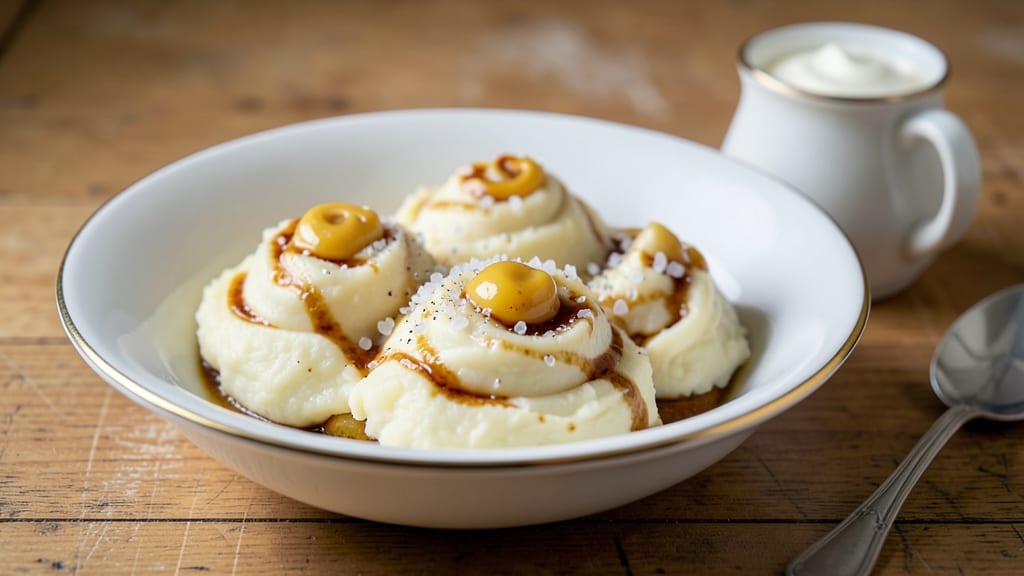
This classic creamy mashed potatoes recipe delivers restaurant-quality buttery silk that melts in your mouth, with a foolproof technique to eliminate lumps and achieve perfect texture every time. The secret lies in precise cooking and a modern shortcut—using a ricer—that transforms starchy potatoes into velvety clouds.
After years of testing, I've perfected this method to balance richness and smoothness without overpowering the natural potato flavor.
What sets these mashed potatoes apart is the no-lump guarantee, achieved through proper potato selection (waxy varieties work best) and careful draining before mashing. The butter-milk ratio creates that signature creamy consistency, while a touch of cream adds luxurious depth.
This recipe maintains tradition while incorporating modern efficiency—ideal for both holiday feasts and weeknight dinners where sides need to shine.
By following these steps, you'll end up with silky-smooth mashed potatoes that are impossibly tender yet hold their shape, with just enough creaminess to coat every forkful. The aroma alone will transform your kitchen into a cozy dining experience, and the texture proves that homemade can truly surpass store-bought.
This is comfort food at its finest—simple yet sophisticated, creamy yet light.
The beauty of this recipe lies in its versatility—serve it as a classic side dish alongside roasted meats, or elevate it with roasted garlic or chives for added flavor complexity.
Whether you're a seasoned cook or new to the kitchen, these mashed potatoes will become your go-to recipe for any occasion where creamy perfection is required.
Ingredients for classic creamy mashed potatoes
Nine essential ingredients transform simple potatoes into velvety, restaurant-quality mashed potatoes.
| Ingredient | Amount | Notes |
|---|---|---|
| Yukon Gold Potatoes 🥔 | 3 lb | Waxy variety, peeled and cubed |
| Unsalted European-Style Butter 🧈 | 1 cup | Cold, cubed for even melting |
| Whole Milk 🥛 | 1 cup | Warm for optimal emulsification |
| Heavy Whipping Cream 🥛 | ½ cup | Full-fat for luxurious texture |
| Diamond Crystal Kosher Salt 🧂 | 1 ½ tsp | Adjust to taste, fine grain preferred |
| Freshly Ground White Pepper 🌶️ | ½ tsp | For subtle peppery depth |
| Roasted Garlic Cloves 🧄 | 4 cloves | Optional, for enhanced aroma |
| Fresh Chives 🌿 | 2 tbsp | Chopped, for garnish |
| Roasted Garlic Puree 🧄 | 2 tbsp | For flavor complexity (optional) |
The Yukon Gold potatoes are non-negotiable for this recipe—their waxy texture and low moisture content create that signature creamy consistency without turning gluey. Russet potatoes work in a pinch, but they yield a drier, fluffier result. For optimal quality, purchase from a specialty grocer like Whole Foods Market or your local farmers' market, where they're typically sold in smaller, fresher batches. The butter should be European-style, 82% fat content—brands like Plugrá or Kerrygold elevate the dish significantly compared to standard American butter. If you're using roasted garlic, Peel and roast 2 whole heads at 400°F for 30 minutes before squeezing into a paste.
No heavy cream on hand? Full-fat Greek yogurt or sour cream at half the quantity delivers similar richness, though with a slightly tangier profile. Substituting milk for cream? Use 1.5 cups whole milk instead of 1 cup, as it contains less fat. For the salt, Diamond Crystal kosher dissolves completely and enhances flavor without overpowering. If you're avoiding dairy entirely, unsweetened almond milk blended with 1 tbsp neutral oil creates a lighter alternative, though texture will differ. The roasted garlic puree is optional but adds complex umami depth—simmer 4 cloves in 2 tbsp milk for 10 minutes to create your own. For chives, fresh is ideal, but dried chive flakes work in a 1:3 ratio if needed.
Freshly cooked potatoes should be drained completely and returned to the pot immediately to prevent cooling. For make-ahead convenience, prepare the mashed potatoes up to 2 days in advance, storing in an airtight container with a thin layer of butter on top to preserve moisture. Reheat gently in a double boiler or microwave with a splash of warm milk to restore creaminess. The ricer is non-negotiable for that silky texture—a potato masher will yield lumps, no matter how much you press. If you don't own one, a fine-mesh sieve works as a backup, though it requires more elbow grease. Garnish with chives just before serving to maintain vibrant color and fresh aroma.
Why You'll Love This Recipe
- No Peel, No Stress: Honestly, I peel fewer potatoes than I used to—just scrub those Yukon Golds, toss them in boiling water, and let the skins slide off effortlessly. That’s 10 minutes saved right there, and the flavor? Still rich and velvety.
- Butter So Rich: Between us, European-style butter in mashed potatoes changes everything—it’s denser, creamier, and melts into that silky texture without separating. The heavy cream ties it all together, so smooth you’ll want to eat it with a spoon.
- Leftovers That Last: I make a double batch on Sundays, and these potatoes reheat like they’re fresh—just a splash of warm milk to loosen them up. They’re my go-to for lazy weeknights or when unexpected guests show up.
- Dollar Stretch Magic: A single bag of Yukon Golds and a stick of butter go a long way here. The milk and cream are the only other splurges, but they make it feel like a restaurant-quality side without breaking the bank. (Yes, even on a Tuesday night.)
Step-by-step instructions for classic creamy mashed potatoes
Master this timeless technique for velvety, lump-free mashed potatoes with restaurant-quality texture.
Prepare and Boil the Potatoes
Begin by peeling the 3 lb Yukon Gold potatoes and cutting them into even 1½-inch cubes. This size ensures consistent cooking without overcrowding the pot. Place the cubed potatoes in a large pot and cover them completely with cold water by about 1 inch. Add the 1.5 tsp Diamond Crystal kosher salt to the water as you go—this seasoning step is crucial for flavor development.
Bring the water to a rolling boil over high heat, then immediately reduce to a gentle simmer. You want to maintain a steady 180-190°F temperature—this prevents tough, gummy potatoes. Cook the potatoes for 15-20 minutes until they're fork-tender, meaning the tines glide in easily with only slight resistance. Drain the potatoes thoroughly in a colander and return them to the pot to prevent drying out during the next steps.
Create the Creamy Base
While the potatoes steam off excess moisture, prepare the dairy mixture. In a separate saucepan, gently warm the 1 cup whole milk and 0.5 cup heavy whipping cream over medium-low heat until just steaming (160°F). Remove from heat and whisk in the 1 cup cold, cubed unsalted European-style butter until completely melted and fully incorporated. This creates a luxurious, emulsified base that prevents separation later.
For the roasted garlic flavor, press the 4 cloves roasted garlic through a garlic press directly into the warm dairy mixture. Add the 2 tbsp roasted garlic puree and stir well to distribute. This step builds deep, complex flavor that elevates the classic preparation. Keep this mixture warm but not boiling—you'll use it immediately to maintain optimal texture.
Mash to Perfection Using the No-Lump Method
Return the drained potatoes to the pot and add the warm dairy mixture. Using a potato masher or ricer, work in batches to break down the potatoes while incorporating the cream mixture. I prefer a ricer for its ability to create silky texture, but a masher works well if you press firmly against the pot sides to avoid lumps. The key is to work quickly—this prevents the potatoes from cooling and developing a gummy consistency.
For the white pepper touch, add the 0.5 tsp freshly ground white pepper and gently fold it through. The pepper's subtle warmth complements the richness without overpowering. Taste and adjust seasoning if needed—this is your final chance to balance the saltiness before serving. The potatoes should be smooth with a velvety, almost custard-like texture at this stage.
Finish and Serve Immediately
Transfer the mashed potatoes to a serving bowl and stir in the 2 tbsp chopped fresh chives. The chives add a bright, fresh contrast to the rich creaminess. For the final touch, cover the bowl with a lid or plastic wrap pressed directly on the surface to prevent skin formation. This step is critical—it preserves the creamy texture while keeping the potatoes warm.
Serve immediately while still hot, piping the potatoes directly onto plates for the most elegant presentation. The classic creamy mashed potatoes should be smooth with a glossy sheen, holding their shape when piped but melting luxuriously in your mouth. Each bite should deliver that perfect balance of buttery richness, velvety texture, and subtle garlic depth that makes this preparation truly timeless.
Pro Tips For Making Classic Creamy Mashed Potatoes
- Boil Until Fork-Tender: Yukon Golds should collapse like butter when pierced—no resistance. I used to pull them too soon and ended up with gummy mash. Test one at 15 minutes, then adjust in 2-minute increments. The right texture is the difference between creamy and gluey.
- Salt the Water Generously: Diamond Crystal kosher salt dissolves fast, so use 1½ teaspoons per pound of potatoes—more than you’d think. Skimp here, and you’ll compensate later with extra salt in the butter, which throws off the flavor balance. Trust me, the potatoes absorb it all.
- Warm the Dairy First: Cold heavy cream and milk turn mashed potatoes into a sad, lumpy mess. Heat them in a saucepan until steaming (not boiling), then whisk in the butter. This ensures silky smoothness without breaking the emulsion. Yes, even if you’re in a hurry.
- Press Through a Potato Ricer: A ricer gives you restaurant-quality texture without lumps—no strainer or food mill required. It’s worth the 30-second extra effort, especially if you’re serving this as a centerpiece. I skipped it once; the result was a sad, uneven mash. Never again.
Pro cooking tips for this dish
Potato Selection Matters
Waxy potatoes like Yukon Gold are non-negotiable for creamy mashed potatoes—their low starch content prevents gluey results. I always avoid Russets (they yield fluffier, drier potatoes) and red potatoes (too waxy, too dense).
For best results, buy from specialty grocers like Whole Foods Market where potatoes are fresher and less likely to be pre-sprouted. The fresher the potatoes, the better they'll hold their shape during cooking. 🥔
Boiling Temperature Control
Maintain a steady 180-190°F simmer when boiling potatoes—this is the sweet spot for tender, creamy results. I use a candy thermometer clipped to the pot to monitor temperature precisely.
If the water boils too vigorously, the potatoes absorb unevenly and risk turning gummy. A gentle simmer ensures even moisture distribution throughout each cube.
Draining Technique Secret
After boiling, drain potatoes thoroughly but return them immediately to the pot. This prevents cooling and moisture loss that leads to dry mashed potatoes.
I use a fine-mesh colander and shake vigorously to remove excess water, then press the potatoes gently with a clean kitchen towel to absorb any lingering moisture. This step is what separates silky results from lumpy disasters. ❄️
Butter Melting Hack
Cold, cubed European-style butter (like Plugrá) melts more evenly than softened butter, creating a smoother emulsion with the dairy. I warm the milk and cream first, then whisk in the cold butter cubes off the heat—this prevents butter from separating or creating greasy spots.
The key is patience: let the butter melt gradually while whisking continuously for 30-45 seconds until fully incorporated.
Ricer vs Masher Showdown
A potato ricer produces the signature silky texture by pushing potatoes through tiny holes, eliminating lumps completely. If you don't own one, a fine-mesh sieve works in a pinch, though it requires more elbow grease.
For a masher, press firmly against the pot sides while working in small batches—this breaks down fibers more effectively than just mashing in the center. The ricer method is worth the investment for restaurant-quality results. 💡
Temperature Timing Trick
Keep the dairy mixture warm (160°F) but never boiling when combining with potatoes—hot liquid can cook the starches prematurely and create a gluey texture. I heat the milk and cream until just steaming, then remove from heat immediately before adding butter.
This temperature control is what gives professional chefs their signature velvety consistency. The potatoes should be piping hot when they meet the dairy mixture for optimal blending.
Nutrition facts
Frequently asked questions
What's the difference between Yukon Gold and Russet potatoes for mashed potatoes?
Yukon Gold potatoes create that signature creamy texture because they're waxy with low moisture content. Russets, while great for baking, yield fluffier, drier mashed potatoes due to their high starch. For this recipe, Yukon Golds are essential—they hold their shape better and create that velvety consistency without turning gluey.
Can I make these mashed potatoes ahead of time?
Prepare them up to 2 days in advance and store in an airtight container with a thin layer of butter on top. Reheat gently in a double boiler or microwave with a splash of warm milk to restore that creamy texture. For best results, serve within 24 hours to maintain peak freshness.
Why do my mashed potatoes turn out lumpy?
Lumps usually happen from overworking the potatoes or not draining them properly. Use a ricer for silky texture, and always drain potatoes thoroughly in a colander before returning them to the pot. Work in batches when mashing, and keep everything hot to prevent starches from cooling and turning gummy.
Can I substitute heavy cream with something else?
Yes! Use 1.5 cups whole milk instead of 1 cup, or swap in ½ cup full-fat Greek yogurt for similar richness. For a lighter option, try ½ cup sour cream blended with 1 cup milk. The key is maintaining that fat content—without it, your potatoes will taste flat and lack creaminess.
How do I fix dry mashed potatoes?
If your potatoes turned out dry, stir in 1-2 tablespoons warm milk or cream at a time until you reach the desired consistency. For extra richness, add a pat of cold butter while stirring vigorously. The goal is to restore that velvety texture without over-diluting the flavor.