
Side Dishes
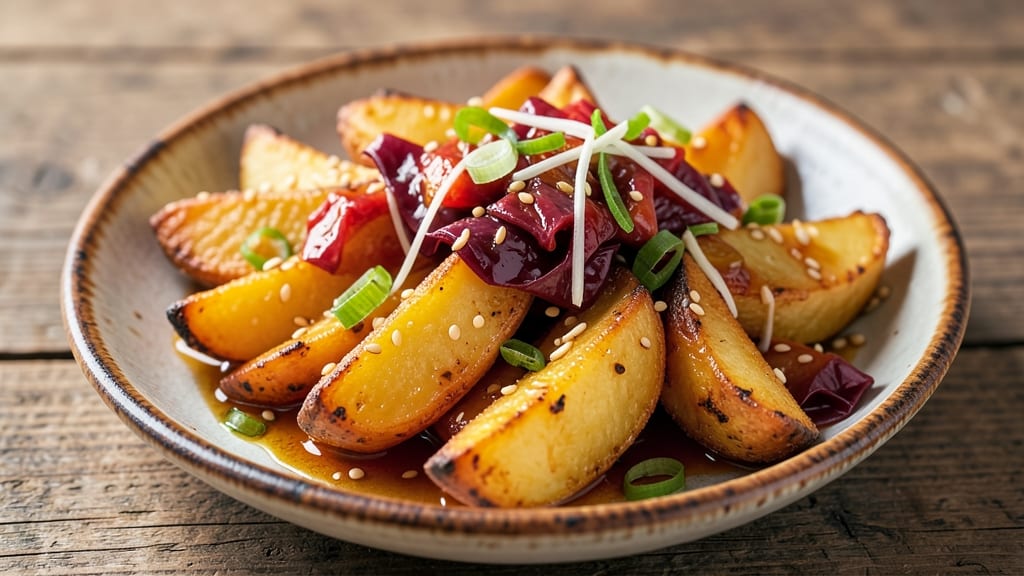
This kimchi potato recipe transforms humble potatoes into a vibrant, tangy side dish that balances crispy comfort with fermented zing—perfect for weeknight dinners or Korean-inspired meals. The secret lies in combining tender, golden potatoes with bold kimchi, creating a dish that’s both hearty and full of flavor.
I developed this recipe after realizing how much I missed the richness of Korean home cooking while craving something quick yet satisfying.
What sets this dish apart is the crispy texture achieved through precise cooking—whether pan-fried or baked—paired with the sharp, umami punch of kimchi. The method is straightforward: boil the potatoes until tender, then crisp them up in oil or the oven, and toss with kimchi for that signature tangy kick.
The result is a side dish that’s equally at home alongside grilled meats or as a standalone vegetarian meal.
By the end, you’ll have a comforting yet vibrant dish that’s crispy on the outside, tender inside, and bursting with the bright flavors of fermented kimchi.
The aroma alone will draw everyone to the table, and the balance of textures—crunchy potatoes, soft kimchi, and optional toppings like sesame seeds or a fried egg—makes it irresistible. Ready to elevate your side dishes?
This recipe also works as a vegetarian-friendly option, though adding protein like spam or pork belly takes it to the next level. Serve it hot, straight from the pan or oven, and watch it disappear faster than you can say "kimchi jjigae." Let’s get cooking!
Ingredients for kimchi potato
Crispy potatoes, tangy kimchi, and a few pantry staples—this side dish is all about comfort with a kick.
| Ingredient | Amount | Notes |
|---|---|---|
| Russet Potatoes 🥔 | 2 lbs | Medium size, cut into even chunks |
| Kimchi 🥬 | 2 cups | Homemade or store-bought, drained |
| Vegetable Oil 🫒 | ½ cup | For frying, neutral flavor preferred |
| Sesame Seeds 🌾 | 2 tbsp | Toasted, for garnish |
| Green Onions 🧅 | 4 whole | Sliced, for garnish |
| Garlic Cloves 🧄 | 3 cloves | Minced, optional for extra flavor |
| Soy Sauce 🍶 | 1 tbsp | For tossing, optional |
| Gochujang 🌶️ | 1 tbsp | Korean chili paste, optional |
| Salt 🧂 | 1 ½ tsp | For boiling water |
| Black Pepper 🌶️ | ½ tsp | Freshly ground |
| Gochugaru 🔥 | 1 tsp | Korean red pepper flakes, optional |
| Sesame Oil 🫒 | 1 tsp | For finishing, optional |
The potatoes are the star here, so pick firm, starchy russets—they hold up better to frying. Cut them into even chunks (about 1.5-inch pieces) so they crisp up uniformly. Trader Joe’s or Korean markets often carry pre-cut potatoes if you're short on time, but cutting them yourself ensures better texture. For kimchi, homemade has more depth, but even the store-bought stuff from H Mart or Asian grocery stores works—just drain it well to avoid soggy potatoes. If you're feeling fancy, add a splash of kimchi juice to the oil for extra flavor.
No kimchi? Substitute with sauerkraut and a dash of sriracha for a similar tang. Running low on sesame seeds? Toasted sunflower seeds work in a pinch (they’re cheaper and still add crunch). Want more heat? Double the gochugaru or add a pinch of cayenne. The soy sauce and gochujang are totally optional but give that extra umami punch—skip them if you're keeping it simple. For the oil, vegetable or canola is best (neutral flavor), but peanut oil works too if you're frying other Asian dishes at the same time.
These potatoes reheat like a dream—toss them with a little more kimchi and a drizzle of sesame oil before popping in a 350°F oven for 10 minutes. Store leftovers in an airtight container for up to 5 days, but honestly, they’ll disappear faster than that. Double the batch if you're feeding a crowd—this dish is always a hit. The best part? The flavors get even better the next day as everything melds together.
Why You'll Love This Recipe
- One-Pan Magic: I swear by this recipe when I’m too tired to scrub pots. Toss the potatoes in oil, throw in a handful of kimchi, and let the oven do the work—no flipping, no fuss, just golden, crispy edges by the time you’ve microwaved your lunch.
- Tangy Crunch Bomb: That first bite? The potatoes soak up the kimchi’s funky, fermented punch while the sesame seeds add a nutty crunch. It’s like French fries met a spicy, garlicky soulmate—no one ever leaves food on their plate.
- Leftover Hero: Between us, this dish begs to be made extra. The flavors actually get better the next day—crispier, more caramelized, and still packed with that kimchi kick. I meal prep it Sundays and live off it all week.
- Budget Flex: Russets and kimchi stretch forever, and you’re not drowning in specialty ingredients. Use store-brand kimchi, whatever potatoes are on sale, and still end up with something that tastes like a restaurant’s secret menu. Win.
Step-by-step instructions for kimchi potatoes
Here's how to turn simple russet potatoes into crispy, spicy comfort food that's quick and satisfying.
Prep and Parboil the Potatoes
First, cut the 2 lbs russet potatoes into even 1-inch chunks—consistent size means even cooking. Place them in a large pot and cover with cold water. Add the 1.5 tsp salt and bring to a boil over high heat. Once boiling, reduce to medium-high and cook for 8-10 minutes until the edges are just fork-tender but still slightly firm inside.
This parboiling step is crucial—it jumpstarts the cooking process so the potatoes finish crispy in the oil. Drain well in a colander, then give them a good shake to remove excess moisture. If they're still damp, pat them dry with a clean kitchen towel. Wet potatoes will steam instead of crisp up.
Create the Kimchi Sauce
In a medium bowl, combine the 2 cups kimchi (drained if it's watery), 1 tbsp soy sauce, 1 tbsp gochujang, 1 tsp gochugaru, and the 3 cloves minced garlic. Mix well with your hands or a fork until everything is evenly distributed. The sauce should be thick but still coat the back of a spoon.
This flavor base is what transforms ordinary potatoes into something special. The gochujang and gochugaru add that signature Korean heat, while the soy sauce and garlic deepen the umami. Taste it now—you'll want it balanced between spicy and savory. If it needs more kick, add a pinch more gochugaru or a splash of water to loosen it.
Fry the Potatoes to Crispy Perfection
Heat the 0.5 cup vegetable oil in a large skillet over medium heat until it shimmers but doesn't smoke. Add the parboiled potatoes in a single layer—they should sizzle gently. Cook undisturbed for 5-6 minutes until the bottoms are golden brown. Flip carefully and cook another 5-6 minutes until crispy on both sides.
Don't crowd the pan or the oil temperature will drop, making the potatoes steamy instead of crispy. If you need to work in batches, reduce the heat slightly between batches to maintain oil temperature. The potatoes are done when they're golden brown with crisp edges and still tender inside—cut one open to check.
Toss with Kimchi and Finish
Remove the crispy potatoes from the oil and transfer them to a large bowl. Pour the kimchi sauce over the top and toss gently but thoroughly to coat every potato evenly. The residual heat will help the flavors meld together. Let them sit for 2-3 minutes so the sauce absorbs slightly.
While the potatoes rest, slice the 4 green onions and toast the 2 tbsp sesame seeds in a dry skillet over low heat for 1-2 minutes until fragrant and lightly golden. Drizzle the 1 tsp sesame oil over the potatoes and toss one last time. Garnish with the toasted sesame seeds and sliced green onions right before serving.
Serve Immediately for Maximum Crisp
Transfer the kimchi potatoes to a serving platter and serve while they're still hot and crispy. The contrast between the crispy exterior and tender interior, combined with the tangy-spicy kimchi sauce, makes every bite irresistible. This dish comes together in under 30 minutes but tastes like it simmered all day.
For extra comfort, serve with a fried egg on top or alongside a simple side salad. The leftovers might not be as crispy, but they still taste amazing reheated in a skillet with a little more oil to restore the crunch. The real magic is in that perfect balance of textures and flavors—crispy, creamy, spicy, and savory all in one bite.
Pro Tips For Making Kimchi Potato
- CUT POTATOES EVENLY: Use a mandoline or sharp knife to slice Russets into ¼-inch thick rounds—thinner pieces crisp faster, but thicker ones stay hearty. I learned this the hard way after burning the edges on uneven chunks that took forever to cook.
- DRAIN AND PRESS KIMCHI: After chopping kimchi, pack it into a colander and press out excess brine with a spoon for 30 seconds. Too much liquid makes the potatoes soggy, and nobody wants a watery kimchi potato. (Yes, even if you’re impatient like me.)
- COOK IN BATCHES: Crowd the pan and the potatoes steam instead of crisp. Work in two batches over medium-high heat—it takes 5 extra minutes, but the difference in texture is night and day.
- TOSS WITH SESAME FIRST: Sprinkle sesame seeds and green onions before the last 2 minutes of cooking, not after. The heat toasts the seeds right into the potatoes, giving them that nutty crunch without extra effort. (Your future self will thank you.)
Creative variations of this kimchi potato
Korean Kimchi Jjigae Style
Transform this dish into a hearty kimchi jjigae by simmering the potatoes in a stone pot with 1 cup kimchi, ½ cup anchovy broth (or water), 1 tbsp gochujang, and 1 tsp sugar for 20-25 minutes on low heat.
Add 1 cup pork belly or tofu halfway through for a protein boost. The result is a rich, stew-like version that’s perfect for cold nights. 🔥
Spicy Crispy Fries
For a fry-style twist, cut potatoes into french fry shapes and parboil for 5 minutes instead of 8-10. After frying, toss with 1 cup kimchi, 1 tbsp gochujang, and ½ tsp black pepper.
Serve with sriracha mayo (mix ¼ cup mayo with 1 tsp sriracha) for dipping. These crispy, spicy fries are a crowd-pleaser at game day or as a snack. 🍟
Vegetarian Kimchi Potato Bowl
Turn this into a vegetarian bowl by omitting meat and adding ½ cup sautéed mushrooms, ¼ cup corn, and 1 soft-boiled egg.
Toss the potatoes with kimchi as directed, then assemble bowls with steamed rice, quick-pickled cucumbers, and a drizzle of sesame dressing (mix 1 tbsp soy sauce, 1 tsp sesame oil, and 1 tsp honey). The umami-packed kimchi keeps it satisfying without meat. 🥗
Smoky Grilled Version
Swap frying for grilling by tossing parboiled potatoes with 1 tbsp oil, 1 tsp smoked paprika, and ½ tsp salt. Grill over medium-high heat for 10-12 minutes, turning occasionally, until charred.
Finish with kimchi, toasted sesame seeds, and a squeeze of lime for brightness. The smoky char adds depth to the tangy kimchi. 🌶️
Breakfast Kimchi Potato Hash
Make this a breakfast dish by adding 2 scrambled eggs and 2 slices of bacon (or crispy tofu) to the pan after frying the potatoes. Toss everything with kimchi and top with green onions and sriracha.
The savory, spicy, and crispy combo is perfect for a weekend brunch. Serve with toasted bread to soak up the juices. 🍳
Global Twists
For a Japanese-inspired version, swap kimchi for miso-marinated mushrooms and top with furikake and bonito flakes. A Mexican twist uses pickled jalapeños and cotija cheese instead of kimchi. Both versions keep the crispy potato base while adapting flavors to your taste. 🌎
Nutrition facts
Frequently asked questions
Can I use sweet potatoes instead of russets?
Sweet potatoes work beautifully—they add natural sweetness that pairs wonderfully with kimchi's tang. Just parboil them for 12-15 minutes (they're denser) until tender but not falling apart. The skin stays intact, so no peeling is needed. For extra flavor, add ½ tsp cinnamon to the kimchi sauce.
How do I make this dish less spicy?
Reduce or omit the gochugaru and gochujang entirely, then add just 1 tsp of the kimchi's juice for flavor. For a milder kick, swap kimchi for pickled radishes or sauerkraut (use 1 cup instead). The natural tang remains, but the heat disappears.
Can I bake these instead of frying?
Toss parboiled potatoes with 1 tbsp oil and ½ tsp salt, then spread on a baking sheet. Bake at 425°F for 25-30 minutes, flipping halfway, until crispy. After baking, toss with kimchi sauce and finish with sesame seeds. The oven method is healthier and works great for meal prep.
What's the best way to store leftovers?
Store in an airtight container for up to 5 days in the fridge. Reheat in a skillet with 1 tsp oil over medium heat for 5-7 minutes to restore crispiness. For extra crunch, broil for 2-3 minutes at the end. The flavors actually improve overnight as the kimchi's tang mellows.
Can I make this gluten-free?
Yes! Skip the soy sauce and use 1 tbsp tamari (gluten-free soy sauce) or 1 tsp coconut aminos instead. Check your kimchi label—some brands contain wheat. For extra umami, add 1 tsp fish sauce or ½ tsp nutritional yeast to the sauce. The dish stays flavorful without gluten.