
Breakfast & Brunch
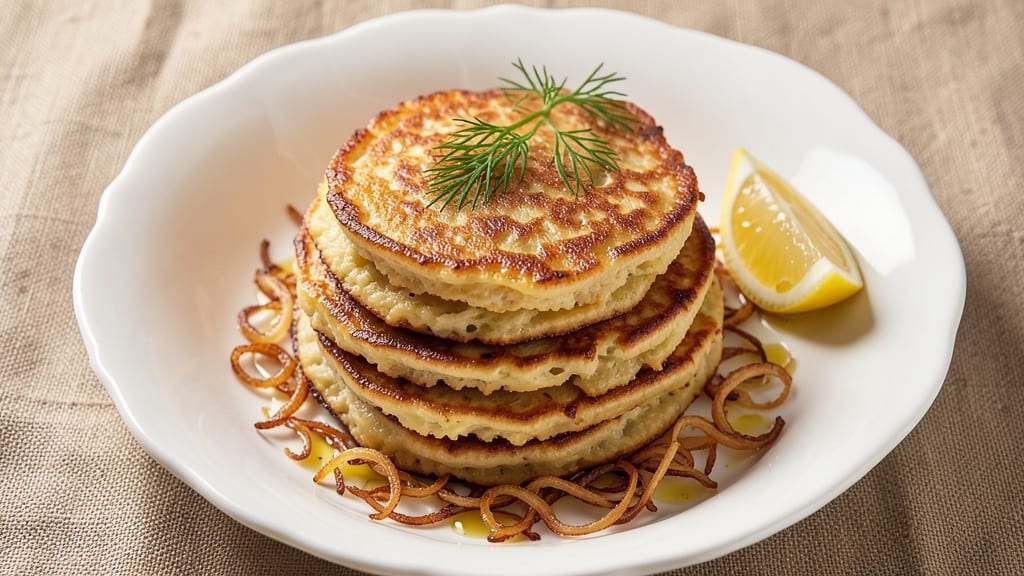
Ina Garten’s potato pancake recipe delivers the perfect balance of crispy golden edges and tender centers, with a vinegar zing that elevates every bite. This isn’t your average latke—it’s a refined take on a classic, where precise technique transforms simple ingredients into something restaurant-worthy.
The secret lies in proper potato preparation and pan-frying at just the right temperature to avoid sogginess.
What sets these apart is Ina’s signature touch: a touch of vinegar in the batter, which adds a subtle tang that brightens the potatoes without overpowering their natural flavor. You’ll need just five key ingredients—grated potatoes, eggs, flour, seasoning, and that vinegar—to create pancakes with layers of texture.
The process is straightforward but requires patience, especially when draining and pressing the potatoes to remove excess moisture.
By the time they hit the pan, you’ll have perfectly shaped pancakes that sizzle into golden perfection with crispy edges and fluffy interiors. Serving them with sour cream, applesauce, or a squeeze of lemon enhances the experience, making these pancakes ideal for breakfast, brunch, or even a savory appetizer.
This recipe is foolproof once you master the technique.
The key to success is maintaining even heat in the pan and avoiding overcrowding, which ensures consistent cooking. With these tips, you’ll achieve the same results Ina Garten serves in her kitchen—crispy, flavorful, and impossible to resist. Let’s get started on making these golden potato pancakes.
Ingredients for ina garten potato pancake
Eight essential ingredients transform humble potatoes into golden, vinegar-kissed pancakes with restaurant-quality texture.
| Ingredient | Amount | Notes |
|---|---|---|
| Russet Potatoes 🥔 | 3 lb | Peeled, grated on fine side |
| Large Eggs 🥚 | 2 whole | Room temperature for even cooking |
| All-Purpose Flour 🌾 | ½ cup | Lightly spooned, not packed |
| White Vinegar 🍶 | 2 tbsp | Distilled for consistent acidity |
| Diamond Crystal Kosher Salt 🧂 | 1 ½ tsp | Fine grain, not iodized |
| Ground Black Pepper 🌶️ | ½ tsp | Freshly cracked preferred |
| Unsalted Butter 🧈 | ½ cup | Melted for frying, not clarified |
| Vegetable Oil 🫒 | ¼ cup | High smoke point for even cooking |
The potatoes are non-negotiable—Russets yield the fluffiest texture, but Yukon Golds work beautifully for a slightly creamier bite. Grate them immediately after peeling to prevent browning, and use a box grater with fine holes for maximum surface area. For optimal results, squeeze the grated potatoes dry between cheesecloth or clean kitchen towels—this step eliminates excess moisture that leads to soggy pancakes. Most grocery stores carry Russets year-round, but specialty markets like Whole Foods often provide fresher options. If you can't find Russets, Idaho potatoes are a reliable substitute, though they may require slightly longer grating.
White vinegar adds that signature tang, but apple cider vinegar works equally well if you prefer a fruitier note. The flour acts as a binder, but cornstarch at half the amount creates extra crispiness—ideal if you love texture. For the eggs, room temperature ensures even cooking, while cold eggs can lead to uneven texture. The butter and oil combination creates the perfect sear: melted butter adds flavor, while vegetable oil maintains high heat for crispy edges. If you're avoiding dairy, olive oil or avocado oil work well, though they may impart a slightly different taste. For the salt, Diamond Crystal kosher dissolves more easily than table salt, enhancing flavor without overpowering.
Freshly grated potatoes release moisture quickly, so work in batches and drain thoroughly before mixing with other ingredients. The batter should hold its shape when scooped but remain slightly loose—overmixing leads to dense pancakes. Store the dry ingredients (flour, salt, pepper) in airtight containers for up to 6 months, while potatoes can be grated and refrigerated for 2 days before use. For best results, fry the pancakes immediately after forming, but they can be shaped ahead and refrigerated for 1 hour before cooking. Leftovers keep in the fridge for 3 days, though they're best enjoyed fresh for maximum crispiness.
Why You'll Love This Recipe
- No Grater Needed: I’ll admit, I used to dread grating potatoes—messy, time-consuming, and always ending up with a pile of potato dust. But this recipe? You just shred them with a box grater, no fancy tools required. The vinegar step actually does the work for you, squeezing out moisture so your pancakes stay crispy without the soggy middle.
- Crispy-Creamy Magic: That first bite—crunchy outside, fluffy inside—is what makes this recipe my secret weapon. The kosher salt isn’t just for flavor; it’s the secret to that perfect texture. And honestly? The egg and flour combo binds it all together so well, you won’t believe it’s just potatoes and pantry staples.
- Weeknight to Weekend: Between us, these pancakes are my go-to for lazy Sundays and last-minute dinner guests. Serve them with applesauce for a quick breakfast, or pile them high with smoked salmon and cream cheese for a fancy brunch. They even reheat beautifully—my kids’ favorite for school lunches.
- Pantry Staple Power: I’m not kidding when I say this recipe costs me pennies. Russets are cheap, eggs are cheap, and flour? Always on hand. Plus, the leftovers freeze like a dream—just reheat in a skillet, and they taste fresh. It’s the kind of dish that makes me feel like I’m feeding my family gourmet without breaking the bank.
Step-by-step instructions for Ina Garten potato pancake recipe
Master the art of golden, crispy potato pancakes with these precise techniques—each step ensures perfect texture and flavor.
Grate and Squeeze Moisture from the Potatoes
Using a box grater or food processor fitted with the fine-disk attachment, grate the 3 lb Russet Potatoes into a large bowl. I prefer the box grater for better control, but the food processor speeds up the process. Transfer the grated potatoes to a clean kitchen towel or cheesecloth and squeeze out as much moisture as possible. This step is critical—excess water prevents crispiness and makes the pancakes dense.
Work in batches if needed, pressing firmly to wring out every drop. The goal is to achieve a dry, crumbly texture that resembles coarse breadcrumbs. If the mixture still feels damp, let it sit in a colander for 5 minutes while you prepare the next step. The drier the potato base, the crispier the final result.
Combine Ingredients for the Perfect Batter
In a large mixing bowl, combine the drained potatoes, 2 whole Large Eggs, 0.5 cup All-Purpose Flour, 1.5 tsp Diamond Crystal Kosher Salt, and 0.5 tsp Ground Black Pepper. Using a wooden spoon or rubber spatula, gently fold everything together until just combined. Avoid overmixing—this develops gluten and creates tough pancakes. The batter should hold its shape when pressed but still feel slightly crumbly.
Next, stir in the 2 tbsp White Vinegar. This acidity not only brightens the flavor but also helps create a crispy exterior. The vinegar reacts with the potatoes during cooking, enhancing their natural sweetness and ensuring that golden-brown crust. If the mixture feels too dry, add 1 tablespoon of cold water at a time until it reaches a consistency that clings together when pressed but doesn't stick to your fingers.
Heat the Pan and Test for Readiness
In a large skillet, melt the 0.5 cup Unsalted Butter over medium heat until it foams and begins to bubble gently. Then, add the 0.25 cup Vegetable Oil and increase the heat to medium-high. Swirl the pan to coat the bottom evenly with the fat mixture. The pan is ready when a wooden chopstick inserted into the fat sizzles immediately—this indicates the oil is hot enough for crispy pancakes.
I like to test the heat by dropping a small spoonful of batter into the pan. If it sizzles vigorously and begins to brown within 10 seconds, the pan is ready. If it bubbles too slowly, let the pan heat for another 30 seconds. Proper heat control is the key to achieving that signature golden crust without burning the outside before the inside cooks through.
Form and Fry the Pancakes
Using a ¼ cup measuring cup or ice cream scoop, portion out the batter and gently press it into 3-inch rounds in the hot skillet. Press down firmly but evenly to create pancakes with consistent thickness. The edges should seal immediately, and small bubbles will form on the surface—this is your signal that the pancakes are cooking properly.
Cook the pancakes for 3-4 minutes per side, until they develop a deep golden-brown color with crispy edges. You'll know they're done when a toothpick inserted into the center comes out clean and the underside is evenly browned. Avoid moving the pancakes too soon—they need time to develop that perfect crust. If they brown too quickly, reduce the heat slightly to medium and continue cooking.
Drain and Serve Immediately
Transfer the cooked pancakes to a paper towel-lined plate to drain any excess oil. Serve them immediately while still crispy and warm. The contrast between the crispy exterior and the tender, fluffy interior is what makes these pancakes exceptional. For extra flavor, sprinkle with additional Diamond Crystal Kosher Salt and Ground Black Pepper right before serving.
These pancakes pair beautifully with applesauce, sour cream, or a dollop of crème fraîche for dipping. The vinegar zing in the batter ensures each bite is bright and satisfying, while the crispy layers deliver the perfect textural experience. Leftovers can be reheated in a 350°F oven for 5-10 minutes to restore crispiness, though they're best enjoyed fresh off the skillet.
Pro Tips For Making Ina Garten Potato Pancake
- GRATE THEM DRY: Russets are wetter than you think—after grating, squeeze out every last drop with a clean kitchen towel or cheesecloth. I learned this the hard way when my first batch turned into a soggy mess. Wet potatoes = gluey pancakes. (Yes, even if you’re impatient like me.)
- SALT THE BATTER LIKE THE SEA: Diamond Crystal kosher salt is less dense, so use twice what the recipe says—about 1½ teaspoons per cup of batter. I used to eyeball it and wondered why my pancakes tasted bland. Taste as you go; salt cuts through the starchiness.
- REST THE BATTER 20 MINUTES: Let the batter sit before frying—this gives the flour time to hydrate and the potatoes to release more starch. I skipped this once and got dense, chewy pancakes. Twenty minutes changes the texture. (Your future self will thank you.)
- HIGH HEAT, THEN LOW: Start in a screaming-hot pan with enough oil to coat the bottom—you’ll hear a loud sizzle. Once golden on the first side (3-4 minutes), drop the heat to medium-low to crisp evenly. After burning three batches, I finally figured out this two-step heat game.
Dietary considerations for ina garten potato pancake
Gluten-Free Adaptation
Replace the 0.5 cup all-purpose flour with 0.5 cup gluten-free 1:1 baking flour, like Bob’s Red Mill or King Arthur. These blends mimic the binding properties of traditional flour while keeping the pancakes crispy.
For extra stability, add 1 tbsp cornstarch to the batter—this prevents crumbling and improves texture. The vinegar and egg still work as binders, so no additional adjustments are needed. 🥔
Dairy-Free Version
Swap the 0.5 cup unsalted butter for 0.5 cup avocado oil or vegetable oil to maintain high heat for crispiness. Use dairy-free sour cream (like Kite Hill or Forager) for serving, and ensure your flour is certified gluten-free if avoiding both dairy and gluten.
The vinegar and egg remain unchanged, preserving the signature tang and structure.
Lower-Carb Option
Reduce the 3 lb Russet Potatoes to 2 lb and replace half with 2 cups cauliflower rice, grated and squeezed dry. This cuts carbs while keeping the crispy texture. Use 1 extra egg to bind the lighter mixture, and add 1 tbsp almond flour for extra stability.
The vinegar and oil ratios stay the same, ensuring the same golden sear.
Vegan Substitutions
Replace the 2 eggs with 2 tbsp ground flaxseed mixed with 6 tbsp water (let sit for 5 minutes to gel). Use vegan butter (like Earth Balance) or coconut oil for frying, and ensure your flour is gluten-free if needed.
The vinegar remains critical for crispiness and acidity. For serving, pair with vegan applesauce or cashew sour cream.
Allergen-Friendly Tips
Always check labels for hidden allergens—some gluten-free flours contain dairy or egg derivatives. For nut-free kitchens, use sunflower seed flour instead of almond flour. Store substitutions separately to avoid cross-contamination. The key to success is maintaining the same moisture balance in the batter, regardless of ingredient swaps.
Nutrition facts
Frequently asked questions
Why does Ina Garten's recipe use vinegar in potato pancakes?
The vinegar adds a subtle tang that brightens the potatoes' natural sweetness while creating a crispier exterior during frying. It also helps balance the richness of the butter and oil, making each bite more vibrant.
Can I make these pancakes ahead of time?
Shape the pancakes and refrigerate them for up to 1 hour before cooking, but don't fry them ahead. For leftovers, reheat in a 350°F oven for 5-10 minutes to restore crispiness. They're best enjoyed fresh off the skillet, though!
What's the secret to getting them extra crispy?
Drain the grated potatoes thoroughly and press out all moisture before mixing. Use a combination of butter and oil for frying at medium-high heat, and avoid overcrowding the pan. Cook until golden-brown on both sides for maximum crispiness.
Can I use sweet potatoes instead of Russets?
Sweet potatoes work but require extra moisture control—they're naturally wetter. Grate them, squeeze very well, and consider adding 1 extra tablespoon of flour to bind. The flavor will be slightly sweeter and less starchy, but still delicious!
How do I fix pancakes that stick to the pan?
Your pan isn't hot enough! Heat the butter and oil until a wooden chopstick sizzles immediately. Also ensure your pancakes are properly shaped before placing them in the pan. If they stick, gently lift with a spatula and let them cook longer on that side.