
Side Dishes
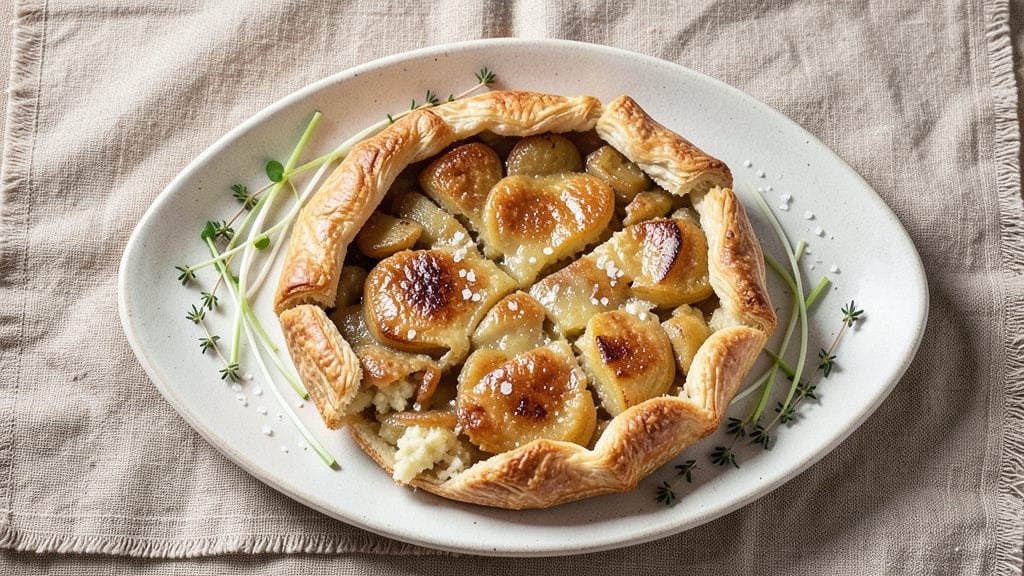
Ina Garten’s potato galette recipe transforms simple potatoes into a showstopping side dish with a golden, rustic crust and fluffy, vinegar-bright centers. This recipe captures the essence of her signature style—elegant yet approachable—perfect for elevating any dinner table.
The secret lies in the vinegar-infused potato filling, which keeps the interior tender while the crust achieves that coveted bakery-style crispness.
What makes this galette truly special is its simplicity paired with professional results. With just a handful of ingredients and a single baking dish, you’ll create a dish that looks like it belongs in a fine-dining restaurant.
The vinegar brightens the potatoes, balancing their natural starchiness, while the crust develops a beautiful, crackly texture that’s impossible to resist. This is the kind of recipe that builds confidence in the kitchen—no fancy techniques required.
By the time it emerges from the oven, your galette will be golden on top with a flaky, buttery crust that contrasts perfectly against the tender, vinegar-kissed potato filling inside.
The aroma alone will have everyone anticipating the first bite, and the presentation—rustic yet refined—will make it the star of your meal. Whether you’re serving it alongside roasted chicken or a hearty beef dish, this galette delivers restaurant-quality results with minimal effort.
The beauty of this recipe lies in its versatility. You can customize it with toppings like shredded Gruyère cheese, caramelized onions, or fresh herbs for added depth.
The instructions are designed to guide you through every step, ensuring a foolproof outcome every time. Let’s get started on creating your perfect potato galette.
Ingredients for ina garten potato galette
Six simple ingredients transform humble potatoes into Ina Garten’s legendary golden, flaky galette.
| Ingredient | Amount | Notes |
|---|---|---|
| Russet Potatoes 🥔 | 2 ½ lb | Peeled, cut into 1/2-inch slices |
| Unsalted Butter 🧈 | ½ cup | Cold, cubed for crust |
| All-Purpose Flour 🌾 | 1 ½ cups | Plus 2 tbsp for crust |
| White Vinegar 🍶 | ¼ cup | White or apple cider vinegar |
| Salt 🧂 | 1 ½ tsp | Diamond Crystal kosher salt |
| Freshly Ground Black Pepper 🌶️ | ½ tsp | Freshly cracked preferred |
| Granulated Sugar 🍚 | ½ tsp | For balancing acidity |
| Large Egg 🥚 | 1 whole | For egg wash |
| Gruyère Cheese 🧀 | ½ cup | Shredded, optional topping |
| Fresh Thyme Leaves 🌿 | 1 tbsp | Chopped, optional garnish |
| Extra-Virgin Olive Oil 🫒 | 1 tbsp | For greasing baking dish |
The potatoes are the star, so pick Russets with a smooth, unblemished skin—the starchy variety holds up best to slicing and baking. Whole Foods or Trader Joe's carry excellent organic options, but any grocery store’s Russets work fine. Peel them first (the skin can get tough) and slice them evenly—about 1/2-inch thick. For the crust, cold butter is non-negotiable; it creates those signature flaky layers. If your butter’s too soft, chill it for 20 minutes before cutting into cubes. The vinegar is key here—it keeps the filling tender while balancing the richness of the butter and potatoes.
No white vinegar? Apple cider vinegar or lemon juice works in a pinch, though the flavor will differ slightly. Short on Gruyère? Parmesan or sharp cheddar add a nice contrast, but Gruyère’s nutty depth is ideal. The crust can be made ahead—just shape it and refrigerate for up to 24 hours before baking. For extra flakiness, freeze the butter-flour mixture for 15 minutes before rolling. And if you’re feeling fancy, brush the crust with a little extra-virgin olive oil before baking for extra shine—trust me, it’s worth it.
This galette reheats beautifully—just pop it in a 350°F oven for 10-15 minutes until the crust is crisp again. Store leftovers in an airtight container for 3 days, though it’s best enjoyed fresh. The crust freezes well too: wrap it tightly and freeze for up to 1 month. When you’re ready to bake, thaw it in the fridge overnight. Pro tip: if the filling looks too wet after pressing, let it sit for 10 minutes before rolling—it’ll drain slightly, making the crust easier to handle.
Why You'll Love This Recipe
- No-Fuss Assembly: This galette comes together faster than you can boil water. Slice those Russets thin, toss them in vinegar and butter, then fold them into a crust—no rolling, no fuss. My kids "help" by sprinkling salt like confetti, and honestly, that’s the hardest part.
- Buttery Crisp Magic: That first bite? Pure satisfaction. The flaky crust from butter and flour gives way to tender, vinegar-kissed potatoes—like a cross between a potato pancake and a flaky pastry. The salt? It’s not just seasoning; it’s the secret to that addictive crunch.
- Leftovers for Days: Make one, eat it twice. The galette reheats beautifully—crispy edges intact—so I often double it. Pack it for lunches (yes, even on a Tuesday night) or serve it cold with a dollop of sour cream. My husband’s favorite? Leftovers for breakfast.
- Budget Meal Hero: Russets and butter are pantry staples, and this recipe uses them wisely. No fancy ingredients, no wasted leftovers—just a filling, crowd-pleasing dish that costs less than takeout. Between us, it’s my go-to when I’m broke or lazy (or both).
Step-by-step instructions for Ina Garten potato galette
This rustic galette delivers a perfect balance of crispy crust and fluffy, vinegar-bright potato centers—just like Ina Garten's version.
Prepare the Potato Filling
In a large bowl, combine the peeled and sliced 2.5 lb russet potatoes, 0.25 cup white vinegar, 0.5 tsp granulated sugar, 1.5 tsp salt, and 0.5 tsp freshly ground black pepper. The vinegar and sugar work together to tenderize the potatoes while adding a subtle tang. Toss everything gently but thoroughly, ensuring every slice is evenly coated. Let the mixture sit for 15 minutes—this allows the vinegar to penetrate and begin breaking down the potato fibers for a lighter texture.
After resting, transfer the potatoes to a clean kitchen towel and squeeze out as much excess moisture as possible. This step is crucial—wet potatoes will make your crust soggy. Spread the towel flat on your counter and press down firmly with another towel to extract even more liquid. You want the potatoes to be dry enough that they release just a few drops when pressed, not a steady stream.
Create the Rustic Crust
In a separate large bowl, whisk together the 1.5 cups all-purpose flour (plus the 2 tbsp reserved for crust), 0.5 cup unsalted butter (cold and cubed), 1 tbsp extra-virgin olive oil, and a pinch of salt. Using your fingers or a pastry cutter, work the butter and oil into the flour until the mixture resembles coarse crumbs with pea-sized butter pieces remaining. This texture is essential for creating a flaky, rustic crust.
Drizzle in 1-2 tablespoons of ice water (start with 1) and mix gently with a fork until the dough just comes together. It should hold when pressed but still feel slightly crumbly—overworking will develop gluten and make the crust tough. Shape the dough into a rough disc, wrap it in plastic, and chill for 30 minutes. This resting period relaxes the gluten and makes the dough easier to handle.
Assemble and Shape the Galette
Preheat your oven to 400°F and grease a 9-inch cast-iron skillet or oven-safe baking dish with a little olive oil. On a lightly floured surface, roll out the chilled dough into a 12-inch round about ¼-inch thick. You don't need perfect edges—rustic is the goal here. Transfer the rolled-out dough to the prepared skillet, gently pressing it into the corners to create a snug fit.
Create a well in the center of the dough by pressing your fingers into the edges and pulling them upward. This creates a deep enough pocket to hold all the potato slices without spilling. Arrange the prepared potato slices in a slightly overlapping spiral pattern, starting from the outer edge and working toward the center. The potatoes should fit snugly but not be forced—they'll expand slightly as they bake.
Bake to Golden Perfection
Brush the edges of the dough with the beaten 1 whole large egg, reserving about 1 tablespoon for the top. This egg wash will give your crust that beautiful golden finish. Sprinkle the reserved 1 tbsp chopped fresh thyme leaves and 0.5 cup shredded gruyère cheese over the potatoes, pressing the cheese gently into the top slices. Bake for 45-50 minutes until the crust is deep golden brown and the potatoes are tender when pierced with a knife.
Here's the thing—don't open the oven during baking. The steam is what creates that signature fluffy texture, and peeking too early will collapse the structure. If the crust starts browning too quickly, tent loosely with foil, but try to avoid this if possible. The galette is done when the crust is crisp and the potatoes are fork-tender with just a hint of resistance. Let it rest for 10 minutes before serving—this allows the juices to redistribute and makes slicing easier.
Serve Warm and Enjoy
Use a sharp knife to cut the galette into wedges, being careful not to slice all the way through the crust to the pan. Serve immediately while the crust is still crisp and the potatoes are warm. The contrast between the flaky, buttery crust and the vinegar-bright, creamy potatoes is what makes this dish so special. Pair with a simple green salad and a glass of dry white wine for the perfect meal.
Real talk: This galette is even better the next day when the crust has had time to fully crisp up. Store leftovers covered at room temperature and reheat in a 350°F oven for 10-15 minutes until warmed through. The flavors only deepen as it sits!
Pro Tips For Making Ina Garten Potato Galette
- BOIL POTATOES UNTIL TENDER: Don’t rush this step—aim for potatoes that collapse under a fork like overcooked mashed potatoes. I learned the hard way that slightly underdone potatoes make a dense, gummy galette. Test one early; you’re shooting for a knife that slides through with zero resistance.
- CHILL THE DOUGH: After mixing flour, butter, and vinegar, let the dough rest in the fridge for at least 30 minutes. This isn’t just about convenience—it prevents a greasy, fragile crust. I used to skip it, and the galette would either tear apart or turn into a butter bomb.
- SALT THE POTATO WATER: Add a generous pinch of salt to the boiling water—yes, even if you’re salting later. The potatoes absorb flavor this way, and the galette ends up more cohesive. I was skeptical until I tasted the difference; it’s subtle but noticeable.
- WORK FAST ON THE CRUST: Once you roll out the dough, keep it moving. The butter melts faster than you think, and a warm crust won’t hold its shape. If the dough sticks, wet your hands slightly—don’t flour it, or you’ll end up with a tough texture. Speed matters here.
Dietary considerations for this recipe
Gluten-Free Adaptation
For a gluten-free version, swap the all-purpose flour for a 1:1 gluten-free baking flour blend like King Arthur Measure for Measure. Add ½ tsp xanthan gum to help bind the crust—this is crucial for achieving that flaky texture.
Chill the dough for 45 minutes instead of 30, as gluten-free doughs can be trickier to handle. The crust will still be rustic but slightly more delicate, so avoid overbaking. 🌾
Dairy-Free Options
Skip the cheese topping or use a dairy-free alternative like nutritional yeast (for a cheesy flavor) or vegan mozzarella shreds. For the crust, replace the butter with cold coconut oil or Earth Balance vegan butter.
The vinegar-bright potatoes still shine, and the crust remains crisp with these swaps. Just brush it with olive oil instead of egg wash for a golden finish.
Lower-Carb Version
Cut carbs by using ½ cup cauliflower rice mixed into the potato filling—this reduces starch while keeping the dish tender. For the crust, replace ½ cup of the flour with almond flour (finely ground) to lower the carb count further.
The texture will be slightly denser but still delicious. Pair with a side salad to balance the meal.
Allergen-Friendly Tips
If nut allergies are a concern, avoid almond flour in the lower-carb version and stick to a certified gluten-free oat flour instead. For egg-free crusts, replace the egg wash with 1 tbsp melted vegan butter or plant-based milk brushed on the edges.
Always check labels—some gluten-free flours contain traces of dairy or eggs. 💡
Vegan-Friendly Adjustments
Make this fully plant-based by using vegan butter (like Miyoko’s) and flax eggs (1 tbsp ground flaxseed + 3 tbsp water per egg). For the cheese topping, opt for dairy-free shreds or sprinkle with hemp seeds for a nutty crunch.
The vinegar and potatoes still deliver that signature tangy flavor, and the crust stays flaky with proper chilling.
Nutrition facts
Frequently asked questions
Can I make this potato galette ahead of time?
Assemble the galette and refrigerate it (unbaked) for up to 24 hours before baking. For best results, bake it straight from the fridge—no need to bring it to room temperature. The crust will still achieve that perfect golden crispness. You can also bake it a day ahead and reheat it in a 350°F oven for 10-15 minutes to restore crispiness.
What’s the secret to getting a flaky crust?
The flakiness comes from keeping the butter cold and working quickly. Use your fingers to cut the butter into the flour until you have pea-sized pieces—this creates layers when baked. Also, chill the dough for 30 minutes before rolling, and avoid overworking it. The less you handle the dough, the better the texture.
Can I use sweet potatoes instead of russets?
While you can use sweet potatoes, the texture and flavor will differ significantly. Russets are starchy and hold their shape better, which is ideal for this recipe. If you must use sweet potatoes, reduce the baking time by 10-15 minutes since they cook faster. The vinegar will still brighten them, but the crust may need extra support—consider adding 1 extra tbsp of flour to the dough.
Why did my galette turn out soggy?
Soggy crusts usually happen when the potato filling is too wet. Make sure to press out all excess moisture with a clean towel before assembling. Also, avoid opening the oven during baking—the steam is what creates the fluffy texture. If the crust browns too quickly, tent it loosely with foil. Lastly, ensure your butter is cold when mixing the dough.
What’s the best way to reheat leftovers?
Reheat galette slices in a 350°F oven for 10-15 minutes until the crust is crisp again. For a quicker option, wrap the slices in foil and warm in the microwave for 30-45 seconds, then finish under a broiler for 1-2 minutes to restore crispiness. Avoid reheating in the air fryer—it can make the crust too hard. The flavors actually improve overnight, so leftovers are delicious!