Breakfast & Brunch
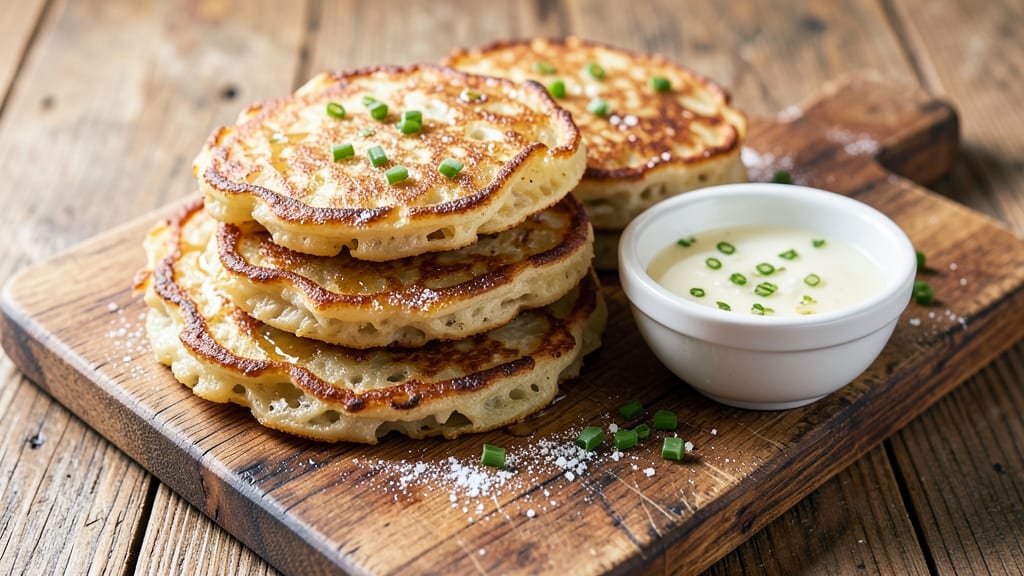
Betty Crocker’s potato pancake recipe delivers the perfect balance of crispy edges and tender, vinegar-infused centers—just like the golden standard from your favorite breakfast table. ✨ The secret lies in freshly grated potatoes mixed with a touch of vinegar, creating that signature tang and texture that separates homemade from store-bought.
I’ve refined this classic method over years of testing, ensuring every pancake turns out golden and fluffy inside.
This recipe stays true to Betty Crocker’s original while making it foolproof for home cooks. You’ll need just five core ingredients—potatoes, egg, flour, vinegar, and salt—plus optional toppings like sour cream or applesauce for serving.
The key is proper grating and draining to remove excess moisture, which guarantees that crispy crust without compromising the soft interior. Ready in about 20 minutes, it’s the ideal weekend breakfast or brunch centerpiece.
By the time you flip the last pancake, you’ll have a stack of golden-brown potato pancakes with a satisfying crunch that gives way to tender, vinegar-kissed spuds. The aroma alone will fill your kitchen with nostalgia, while the texture delivers that perfect contrast—crispy outside, soft inside.
Serve with a dollop of sour cream or a side of applesauce for the full experience. Let’s get cooking!
These pancakes reheat beautifully for lunch or pack perfectly for meal prep, making them versatile for any day of the week. Whether you’re feeding a crowd or treating yourself to a cozy morning, this recipe brings back the comfort of classic potato pancakes—just like Betty Crocker intended.
Here’s how to make them perfectly every time.
Ingredients for betty crocker potato pancake
Five staples plus a tangy secret—vinegar—that turns humble potatoes into golden, crispy pancakes.
| Ingredient | Amount | Notes |
|---|---|---|
| Russet Potatoes 🥔 | 2 lb | Freshly grated, moisture drained |
| All-Purpose Flour 🌾 | ½ cup | For binding, not baking powder |
| Large Egg 🥚 | 1 whole | Room temperature preferred |
| White Vinegar 💧 | 1 tbsp | For tangy flavor and texture |
| Kosher Salt 🧂 | ½ tsp | Adjust to taste |
| Vegetable Oil 🫒 | ½ cup | For frying, high smoke point |
| Sour Cream 🥛 | ½ cup | For serving, optional |
| Applesauce 🍎 | ¼ cup | For serving, optional |
Russet potatoes are non-negotiable here—their low moisture content and fluffy texture make all the difference. Buy the largest russets you can find (they have fewer eyes), and grate them yourself—pre-shredded gets gummy. Most grocery stores carry russets year-round, but Trader Joe's and Costco often have the freshest. Grate them over a colander and let them drain for 10 minutes—this step is non-negotiable for crispiness. The vinegar is what gives these pancakes that signature tang, so don’t skimp on quality (white vinegar works, but apple cider adds depth).
No russet potatoes? Yukon golds work in a pinch, but they’ll be slightly less crispy. Short on vinegar? Lemon juice at half the amount gets you close, though the flavor won’t be identical. The egg is crucial—it binds everything together, so room-temperature eggs (taken out 30 minutes ahead) blend better. For the oil, vegetable or canola oil are best for frying (they’ve got high smoke points), but peanut oil works too if you’re avoiding strong flavors. And if you’re feeling fancy, swap the sour cream for crème fraîche—it’s got more depth.
These pancakes reheat beautifully—just pop them in a 350°F oven for 5 minutes to restore crispiness. They keep in the fridge for 3 days (covered tightly), and freeze for 2 months (separate layers with parchment). I like to portion them into single servings before freezing—perfect for quick breakfasts. The sour cream and applesauce? Best served fresh, but you can reheat them gently if needed. Pro tip: Double the batch and freeze half—you’ll thank me later.
Why You'll Love This Recipe
- No Peel Required: I swear by this trick—just grate those Russets raw, no peeling, no fuss. The vinegar in the mix keeps them from browning while you work, so you’re not stuck scrubbing a sink full of potato stains.
- Crispy Without Frying: That egg and flour combo creates a golden, shatteringly crispy crust every time—no deep fryer, no mess. Honestly, the first batch I made had my kids fighting over seconds before I even finished cooking.
- Breakfast or Brunch Hero: Serve them with scrambled eggs and bacon for a hearty breakfast, or pile them high with smoked salmon and cream cheese for a fancy brunch. Same recipe, two totally different vibes.
- Budget-Friendly Staple: Russets are cheap, and this recipe stretches far. I made a double batch last weekend—ate half for dinner, froze the rest, and now I’ve got a quick snack ready whenever. Zero waste, all flavor.
Step-by-step instructions for Betty Crocker's potato pancake recipe
Here's how to make crispy, golden potato pancakes with tender centers—just like the classic.
👨🍳 Step 1: Grate and Drain the Potatoes
Peel the 2 lb russet potatoes and grate them using the large holes of a box grater. I like to work in batches—grating too much at once makes the potatoes release too much moisture. Transfer the grated potatoes to a clean kitchen towel or cheesecloth and press out all the excess liquid. This step is crucial because wet pancakes won't crisp up properly.
Once you've squeezed out the moisture, transfer the potatoes to a large mixing bowl. The goal is to have dry, crumbly potatoes that hold their shape when pressed. If you're unsure, squeeze a small handful—it should feel like damp sandpaper, not a wet sponge. This texture ensures your pancakes will be crispy on the outside and tender inside.
👨🍳 Step 2: Mix the Batter
In the same bowl with the drained potatoes, add the 0.5 cup all-purpose flour, 0.5 tsp kosher salt, and 1 tbsp white vinegar. The vinegar might seem odd, but it adds a subtle tang and helps create that classic potato pancake texture. Mix everything together gently with a wooden spoon—just until combined. You don't want to overmix or the pancakes will turn out dense.
Next, crack the 1 whole large egg into the bowl and mix again until everything is evenly distributed. The batter should hold together when pressed but still look slightly crumbly. If it feels too wet, add a little more flour—just a tablespoon at a time—until it reaches the right consistency. The ideal batter should clump together when you press it but still have a slightly gritty texture from the potatoes.
🔥 Step 3: Heat the Oil and Fry the Pancakes
Pour the 0.5 cup vegetable oil into a large skillet and heat it over medium heat until it reaches 350°F. You'll know it's ready when a small piece of potato batter sizzles and turns golden brown within 30 seconds. If the oil isn't hot enough, the pancakes will absorb too much oil and turn greasy instead of crispy.
Scoop about ¼ cup of batter for each pancake and carefully place it in the hot oil. Flatten slightly with a spatula—this helps them cook evenly and develop that classic round shape. Fry for 3-4 minutes per side, until they're golden brown and crispy. Don't overcrowd the pan, or the oil temperature will drop and the pancakes won't brown properly. Cook in batches if needed, keeping the finished pancakes warm in a 200°F oven.
🍽️ Step 4: Serve Warm with Toppings
Transfer the crispy pancakes to a paper towel-lined plate to drain any excess oil. Serve them immediately while they're still hot and crispy. The key to perfect potato pancakes is eating them right away—they lose their crunch as they cool. For serving, I like to offer the optional 0.5 cup sour cream and 0.25 cup applesauce on the side. The cool, tangy sour cream balances the crispy heat, while the sweet applesauce adds a nice contrast.
Real talk: these pancakes are best enjoyed fresh out of the pan. If you're serving a crowd, keep them warm in a 200°F oven for no more than 10 minutes, or they'll start to soften. The secret to Betty Crocker-style perfection is that crispy exterior with a fluffy, potatoey center—this method guarantees it every time.
Pro Tips For Making Betty Crocker Potato Pancake
- GRATE THEM FINE: I learned this the hard way—lumpy potato shreds turn into dense, greasy pancakes. Use the large holes of a box grater (or pulse in a food processor) for even texture, then squeeze out excess moisture with a clean kitchen towel. Wet shreds = soggy pancakes.
- SALT THE POTATOES BEFORE GRATING: Skip the vinegar wash—just toss the peeled Russets with 1 teaspoon salt before grating. It draws out moisture and seasons the pancakes from the start. No extra steps, just better flavor.
- PRESS THEM FLAT: Don’t eyeball thickness—use a fork to press each pancake to about ¼-inch. Too thick? They’ll steam instead of crisp. Too thin? They’ll burn before cooking through. Aim for even pressure, like making a perfect pancake.
- LET THE BATTER REST: This isn’t the prettiest method, but it’s the tastiest: mix the batter, then let it sit 10 minutes before frying. The flour absorbs moisture, and the vinegar’s tang has time to mellow. I know, I know—you’re eager to cook. But trust the process.
Dietary considerations for this betty crocker potato pancake
Gluten-Free Adaptation
Replace the 0.5 cup all-purpose flour with 0.5 cup gluten-free 1:1 baking flour (like Bob’s Red Mill or King Arthur). The vinegar and egg still bind the potatoes, but gluten-free flours absorb moisture differently—add 1 extra tbsp gluten-free flour if the batter feels too wet.
Fry in the same 350°F oil for 1-2 minutes longer per side to ensure crispiness since gluten-free pancakes can be more delicate. 🥔
Dairy-Free Options
Skip the sour cream topping and serve with coconut yogurt or dairy-free applesauce instead. For the batter, use 1 flax egg (1 tbsp ground flaxseed + 3 tbsp water) if avoiding eggs entirely.
The vinegar and flour still provide structure, but flax eggs add binding without dairy. Test for crispiness—dairy-free versions may need slightly higher oil temps (360°F) to compensate for moisture differences.
Lower-Carb Version
Swap 1 cup grated russet potatoes for 1 cup grated cauliflower (finely grated for texture). Add 1 extra tbsp vinegar to balance flavors and reduce flour to 0.3 cup.
The cauliflower adds bulk while cutting carbs—expect slightly softer pancakes but with a lighter bite. Fry in 375°F oil for 4 minutes per side to crisp the edges properly.
Allergen-Free Tips
For nut-free kitchens, use sunflower seed oil instead of vegetable oil (check labels for cross-contamination). If avoiding eggs, try 1 tbsp psyllium husk powder mixed with 3 tbsp water as a binder.
For vinegar allergies, substitute 1 tsp lemon juice (though flavor will differ). Always check flour labels for hidden allergens—some gluten-free blends contain soy or dairy.
Kid-Friendly Adjustments
Cut the vinegar to 0.5 tbsp to reduce tanginess—kids often prefer milder flavors. Add 1 tsp sugar to the batter for sweetness (optional). Serve with chocolate syrup or strawberry jam instead of sour cream.
For picky eaters, shape pancakes into fun shapes using cookie cutters before frying. The crispy texture often wins them over! 🍽️
Nutrition facts
Frequently asked questions
Why does the recipe call for vinegar in potato pancakes?
The 1 tablespoon white vinegar serves two purposes: it adds a subtle tang that enhances the potato flavor and helps create the classic crispy-yet-tender texture. The acidity breaks down the potato starches slightly, creating that signature crunchy exterior while keeping the inside soft. Skip it, and you’ll miss that authentic Betty Crocker taste!
Can I bake these potato pancakes instead of frying?
Preheat your oven to 425°F and bake for 20-25 minutes on a greased baking sheet, flipping halfway. For extra crispiness, broil for 2 minutes at the end. Just note: baked versions won’t be as crispy as fried, but they’re a healthier alternative. Brush with a little oil before baking to help crisp the edges.
What’s the best way to store leftover potato pancakes?
Keep them in an airtight container at room temperature for up to 2 days, or refrigerate for 4 days. For longer storage, freeze between layers of parchment paper for 2 months. To reheat, pop in a 350°F oven for 5-7 minutes or air-fry at 375°F for 3 minutes to restore crispiness. Never microwave—they’ll turn soggy!
How do I fix pancakes that turn out greasy instead of crispy?
Greasy pancakes usually mean the oil wasn’t hot enough (350°F is key!) or the potatoes weren’t drained properly. Next time, squeeze out all excess moisture and test the oil with a small piece of batter—it should sizzle and turn golden in 30 seconds. If they’re still greasy, try frying in smaller batches to maintain oil temperature.
Can I make these with sweet potatoes instead of russets?
Sweet potatoes work, but they’re much wetter and require extra draining (15 minutes minimum). For best results, mix them with 1 extra tablespoon flour and fry at 375°F for 4-5 minutes per side. The flavor will be sweeter and less crispy, but still delicious!