
Side Dishes
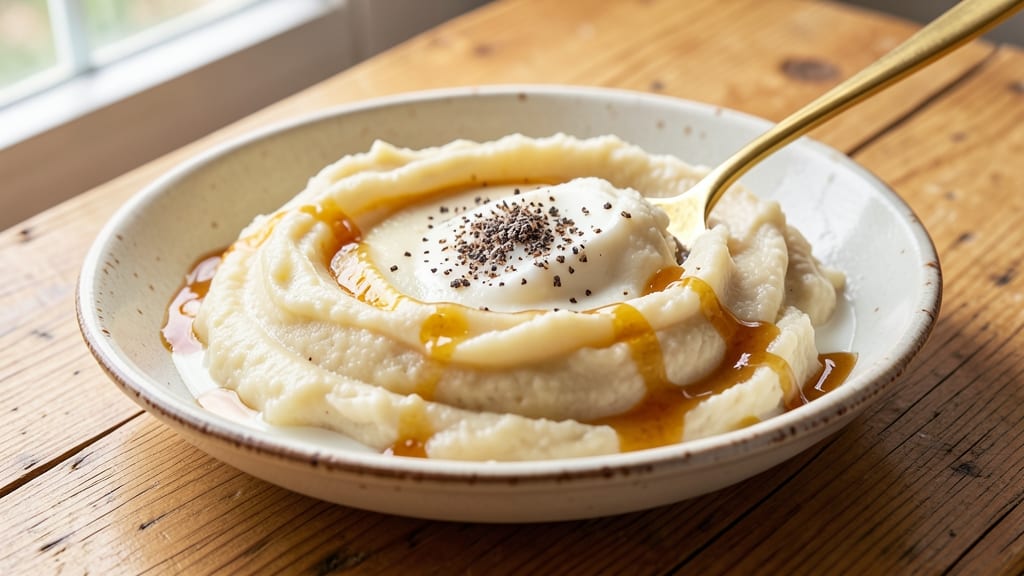
Grandma’s mashed potatoes recipe is the kind of dish that carries the warmth of family gatherings and holiday feasts.
The secret lies in perfectly boiled potatoes, just the right amount of butter and cream, and a gentle touch when mashing—whether by hand or with a ricer—to achieve that signature creamy, velvety texture. I’ve made these for generations, and every time, they disappear faster than the gravy boat.
What sets these apart is the balance: rich enough to stand alone but light enough to pair beautifully with roasted meats or gravy. The potatoes are boiled until tender yet firm, then mashed to a smooth, lump-free finish.
A touch of roasted garlic or fresh chives adds depth, while a drizzle of homemade gravy ties everything together—just like Grandma used to serve.
This recipe delivers comfort in every bite, with a golden, buttery finish that’s impossible to resist. Whether you’re hosting Thanksgiving or a weeknight dinner, these mashed potatoes bring that timeless homestyle flavor. The best part? They’re foolproof, so even modern cooks can recreate the magic.
Serve them as a side for holiday roasts, pair with gravy for a classic meal, or enjoy them on their own as a creamy, satisfying centerpiece. Here’s how to make them just like Grandma’s.
Ingredients for grandma's mashed potatoes
Six simple ingredients transform into the creamiest, most comforting mashed potatoes you'll ever make.
| Ingredient | Amount | Notes |
|---|---|---|
| Russet Potatoes 🥔 | 3 lb | Medium-sized, peeled and quartered |
| Unsalted Butter 🧈 | ¾ cup | Cold, cut into small pieces |
| Heavy Cream 🥛 | ½ cup | Full-fat for best texture |
| Whole Milk 🥛 | ¼ cup | Warmed slightly for smoothness |
| Salt 🧂 | 1 ½ tsp | Kosher or sea salt preferred |
| Freshly Ground Black Pepper 🌶️ | ½ tsp | Freshly cracked for best flavor |
| Garlic Cloves 🧄 | 2 whole | Roasted for depth of flavor |
| Fresh Chives 🌿 | 2 tbsp | Chopped finely for garnish |
| Homemade Gravy 🍲 | 1 ½ cups | Optional, for serving |
The potatoes are everything here. Russets are the gold standard—they’re starchy enough to mash smooth without turning gluey. Buy organic if you can—the skins are thinner and easier to peel. I always grab mine from Whole Foods or the bulk bins at the grocery store, but any store-brand Russets work fine. Skip the pre-peeled bags though—those potatoes get mushy fast. For roasting the garlic, just toss 2 whole cloves with olive oil, wrap in foil, and bake at 400°F for 20 minutes. Easy as can be.
No heavy cream? Whole milk plus a splash of sour cream works in a pinch—just fold it in gently at the end. Butter substitutes? Olive oil or coconut oil keeps it dairy-free, but the texture won’t be quite the same. Fresh chives are ideal, but dried chives at one-third the amount or even parsley will do. The gravy is optional but makes this feel extra special—homemade pan gravy from the turkey drippings is the ultimate touch. If you’re short on time, a good-quality jarred gravy like Annie’s or Gravy Train won’t disappoint.
These keep for 3-4 days in the fridge, but honestly, they’re best fresh. If you’re prepping ahead, boil the potatoes, then store them in cold water in the fridge until ready to mash. For leftovers, reheat with a splash of warm milk or cream and a pat of butter—stirring gently over low heat. I like to portion them into ramekins before reheating so they’re ready to serve. And trust me, everyone will ask for seconds—make extra!
Why You'll Love This Recipe
- No-Fuss Starch: I swear by Russets—they’re the only potatoes that give you that perfect fluffy texture without falling apart. Just peel, boil, drain, and mash. No fancy peeling skills or measuring cups needed.
- Butter-Cream Magic: That rich combo of cold butter and heavy cream? It melts into something so velvety smooth, you’ll want to eat it with a spoon. Honestly, the first time I tasted this, I skipped dessert.
- Leftovers Rule: These potatoes reheat like a dream—just pop them in the microwave with a splash of milk, and they’re as good as fresh. I make a double batch every Sunday because they’re my go-to for lazy weeknights.
- Budget Winner: A big bag of Russets and a stick of butter stretch forever. Between us, this is the only side dish where I never feel guilty about using the good stuff—because it’s worth it.
Step-by-step instructions for Grandma's mashed potatoes
Here's how to make the creamiest, most luxurious mashed potatoes you've ever tasted—just like Grandma used to make.
Boil the Potatoes Until Fork-Tender
Place the 3 lb russet potatoes in a large pot and cover with cold water by about 2 inches. Add the 1.5 tsp salt and bring to a boil over high heat. Once boiling, reduce to a gentle simmer and cook for 20-25 minutes until a knife slides in easily with no resistance.
I like to test them a little early—they'll finish cooking while they drain. The potatoes are done when they're soft all the way through but not falling apart. Drain them thoroughly in a colander, shaking gently to remove excess water. The drier they are, the smoother your mash will be.
Mash the Potatoes to Perfection
Return the drained potatoes to the pot and let them sit for 1 minute to steam off any remaining moisture. Then, using a potato masher or ricer, work in batches to mash them until completely smooth. I prefer a ricer for ultra-silky texture, but a masher works just fine if you take your time.
Don't rush this step—you want every last lump broken down. If you're using a ricer, push the potatoes through in small batches. For a masher, press down firmly and turn the potatoes as you go. The goal is to eliminate all lumps so your final mash is completely smooth.
Warm the Dairy Mixture
While the potatoes cook, warm the 0.5 cup heavy cream and 0.25 cup whole milk together in a small saucepan over medium-low heat until just steaming—about 3 minutes. The mixture should be warm to the touch but not hot. This gentle warming prevents the dairy from curdling when mixed with the hot potatoes.
In a separate small bowl, melt the 0.75 cup cold unsalted butter until completely liquid. You can do this in the same saucepan you warmed the dairy or in a heatproof bowl set over barely simmering water. The butter should melt smoothly without browning—just until it's fully incorporated and glossy.
Combine Everything for Ultra-Creamy Texture
Add the warm dairy mixture and melted butter to the mashed potatoes. Using a wooden spoon or electric mixer, stir vigorously for 1-2 minutes until completely smooth and creamy. The mixture should look velvety and glossy. If it's still slightly lumpy, press it through a ricer or use a hand mixer to blend it until perfectly smooth.
Season with the 0.5 tsp freshly ground black pepper and taste. You might need a little more salt—remember, the potatoes were salted during cooking, but the butter and cream can dilute that flavor slightly. Adjust to taste, but don't overdo it. The potatoes should be rich, creamy, and perfectly seasoned.
Roast the Garlic and Garnish
While the potatoes are still warm, wrap the 2 whole garlic cloves in a small piece of aluminum foil and roast at 400°F for 15-20 minutes until soft and golden. This roasting adds incredible depth of flavor that complements the mashed potatoes perfectly.
Once the garlic is roasted, squeeze it out of the foil and mash it with a fork. Stir the roasted garlic into the mashed potatoes along with the 2 tbsp finely chopped fresh chives. Serve immediately with the 1.5 cups homemade gravy spooned over the top. The contrast of creamy potatoes with rich gravy is what makes this dish truly special.
Pro Tips For Making Grandma'S Mashed Potatoes
- BOIL WITH SKIN ON: I learned this the hard way—peeling Russets first makes them waterlogged. Leave the skins on during boiling (scrub them clean first), then peel after cooking. The starch stays inside the potato, giving you creamier mash with less extra liquid to strain out.
- SALT THE POTATOES FIRST: Toss peeled Russets in a bowl with 1 teaspoon salt per pound before boiling—yes, even if you’ll add more later. This ensures even seasoning and prevents bland spots. (I know, I know, but trust the process.)
- DON’T OVERWORK THE MASH: The moment your potatoes are fork-tender, drain them and immediately return them to the pot off heat. Mash with a potato masher or ricer—don’t pulse in a food processor, or you’ll turn them gummy. Rough texture = better structure.
- UPGRADE WITH ROASTED GARLIC: Skip the raw garlic (unless you love that sharp bite). Slice a whole bulb in half, drizzle with olive oil, roast at 400°F for 20 minutes, then mix 1-2 cloves into your warm mash. Sweet, mellow depth—zero effort, maximum flavor. (Your future self will thank you.)
Creative variations of these flavors
Creamy Garlic & Herb Twist
Swap the roasted garlic for 3 cloves of minced fresh garlic sautéed in 2 tbsp olive oil until golden—about 3 minutes on medium heat. Stir this into your mashed potatoes along with 2 tbsp chopped parsley and 1 tsp lemon zest for a bright, herby flavor.
The garlic adds a subtle heat that pairs perfectly with the richness. 🌿
Loaded Potato Toppers
Transform these into a hearty side by adding ½ cup shredded cheddar cheese and ¼ cup sour cream after mashing. Top with 2 tbsp chopped green onions and 2 tbsp bacon bits for a loaded potato effect.
Serve in a baking dish at 375°F for 10 minutes until bubbly and golden. This version is a crowd-pleaser for game day or brunch. 🧀
Sweet Potato Swap
For a vibrant twist, replace half the russet potatoes with 1.5 lb sweet potatoes, peeled and cubed. Boil until tender (15-20 minutes), then mash as usual. Add 1 tsp cinnamon and 1 tbsp maple syrup to the dairy mixture for a sweet and savory balance.
Garnish with toasted pecans for crunch. This works beautifully as a Thanksgiving side or dessert alternative. 🍠
Cheddar & Chive Potato
Add ½ cup shredded sharp cheddar and 1 tbsp chopped chives directly to the mashed potatoes while still hot. The cheese melts into the mixture, creating a creamy, cheesy texture.
For extra flavor, stir in 1 tsp Dijon mustard to cut through the richness. This version is perfect for pairing with burgers or steak. 🧀
Herb-Infused Butter
Elevate the flavor by making herb-infused butter: Mix ½ cup softened butter with 1 tbsp chopped rosemary, 1 tbsp chopped thyme, and 1 tsp garlic powder.
Fold this into your mashed potatoes instead of plain butter for a fragrant, aromatic twist. The herbs add a fresh, earthy note that pairs beautifully with roasted meats. 🌿
Spicy Cajun Style
For a bold kick, add 1 tsp Cajun seasoning (like Tony Chachere’s) to the butter mixture and stir in ½ tsp cayenne pepper after mashing. Top with 2 tbsp chopped green onions and a dash of hot sauce.
This spicy version is perfect for those who love heat and pairs wonderfully with grilled shrimp or blackened chicken. 🌶️
Nutrition facts
Frequently asked questions
Why do some mashed potatoes turn out gluey while others are creamy?
The key is in the potato variety and cooking method. Russet potatoes are ideal because their high starch content creates that perfect creamy texture when cooked properly. Overcooking breaks down the starches too much, making them gluey. Always boil them until fork-tender but firm, then drain completely and let them steam for 1 minute to evaporate excess moisture. Using a ricer or hand-mashing also helps eliminate lumps that can trap water.
Can I make these mashed potatoes ahead of time?
Yes, but with a few tricks! Boil the potatoes and store them in cold water in the fridge until ready to mash. When reheating, add a splash of warm milk or cream and a pat of butter to restore creaminess. Never reheat dry—this makes them gummy. For best results, portion into ramekins before reheating so they stay smooth and creamy.
What's the difference between using a ricer vs. a masher?
A ricer creates the smoothest, most velvety texture because it presses potatoes through small holes, breaking down all lumps and releasing starch evenly. A masher works well but requires more elbow grease to achieve the same consistency. For extra-smooth results, use a ricer, but if you're short on time, a hand mixer can help blend out lumps after mashing.
How do I fix mashed potatoes that are too thick or too thin?
If your potatoes are too thick, stir in 1-2 tablespoons of warm milk or cream to loosen them up. For thin potatoes, gently heat them in a saucepan with a pat of butter and a splash of milk until the liquid reduces and thickens. Avoid adding flour—it can make them taste pasty. The goal is to restore the perfect balance without altering the flavor.
What's the best way to store leftovers?
Transfer leftovers to an airtight container and refrigerate for up to 3-4 days. To reheat, microwave in 30-second bursts, stirring between each, then finish with a splash of warm milk and a pat of butter. For a restaurant-style finish, top with gravy or crispy bacon bits before serving. The texture won't be as silky as fresh, but they'll still taste delicious!