
Soups & Stews
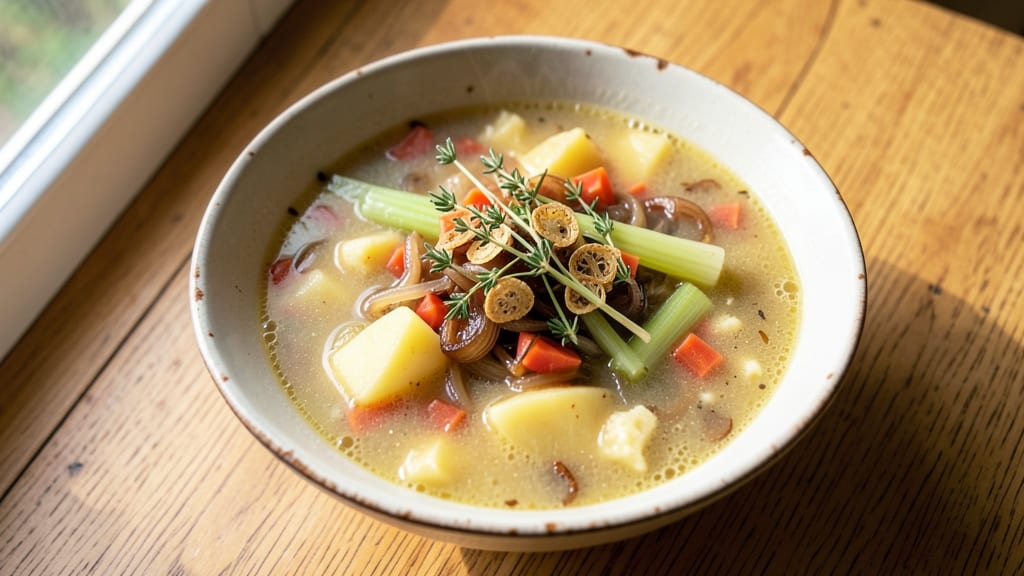
This grandmother's potato soup recipe brings back the warmth of family gatherings with every spoonful, blending creamy texture and rustic herb depth. The secret lies in slow-simmered potatoes and aromatic vegetables that melt into a velvety broth, infused with thyme and bay leaf for that nostalgic flavor.
I've perfected this version over years of holiday dinners, ensuring it's rich enough to satisfy but light enough for weeknight comfort.
The foundation of this soup is a simple but essential trio: potatoes, carrots, and celery, all softened in a savory broth with onions for depth. A touch of butter and cream at the end transforms the soup into something luxurious, while fresh herbs brighten the flavors.
The key is patience—letting everything simmer until the vegetables break down completely creates that signature smoothness we all love.
What makes this recipe special is how it balances simplicity with professional results. No fancy techniques are required, just time and attention to detail.
The aroma alone will fill your kitchen with memories of home-cooked meals, while the creamy texture and hearty ingredients make it a meal everyone will ask for again and again.
Serve it with crusty bread for dipping or a sprinkle of fresh parsley for color. This soup is the kind of dish that feels like a hug in a bowl, perfect for chilly evenings or when you need a taste of home.
Let's get started on making it—your family will thank you.
Ingredients for grandmother's potato soup
Simple, hearty ingredients that transform into soup memories—just like Grandma used to make.
| Ingredient | Amount | Notes |
|---|---|---|
| Yellow Onions 🧅 | 1 whole | Medium size, diced small |
| Yellow Potatoes 🥔 | 2 ½ lbs | Russet or Yukon Gold, peeled and cubed |
| Carrots 🥕 | 1 ½ lbs | Whole, peeled and sliced into rounds |
| Celery Stalks 🧆 | 4 whole | Trimmed and chopped into bite-sized pieces |
| Chicken Broth 🍲 | 6 cups | Low-sodium preferred, homemade or store-bought |
| Fresh Thyme Sprigs 🌿 | 2 whole | Or 2 tsp dried thyme if fresh unavailable |
| Bay Leaves 🌿 | 2 whole | Removed before serving |
| Unsalted Butter 🧈 | 4 tbsp | Cold, cubed for finishing |
| Heavy Cream 🥛 | ½ cup | Full-fat for best texture |
| Fresh Parsley 🌿 | ¼ cup | Chopped, for garnish |
| Salt 🧂 | 1 ½ tsp | Adjust to taste, kosher preferred |
| Black Pepper 🌶️ | ½ tsp | Freshly ground for best flavor |
| Garlic Cloves 🧄 | 3 cloves | Minced, for depth of flavor |
The potatoes are the soul of this soup—Yukon Golds for creaminess, Russets for starchy body. Local farmers markets often have the best selection, or grab a couple bags from the organic section at Whole Foods if you're looking for consistency. The carrots and celery should be firm and vibrant—no rubbery or wilted veggies here. For the broth, homemade always wins, but Swanson or Pacific Foods low-sodium options work in a pinch. I always double-check my thyme—fresh sprigs are ideal, but dried works too (just use a third the amount).
No fresh thyme? Dried oregano at half the amount gives a similar earthy touch. Out of parsley? Dill or chives brighten things up nicely. The garlic can be pre-minced from a jar (the good kind, not the sad little packets), but fresh is always better. For a richer flavor, add a splash of white wine to the broth—it cooks off completely but adds depth. And if you're watching calories, use half-and-half instead of heavy cream—the texture won't be quite as luxurious, but it's still delicious.
This soup tastes even better the next day—make a double batch and freeze half. Store leftovers in the fridge for up to 5 days, or freeze for 3 months. I always portion it into containers with a layer of butter on top so it stays creamy when reheated. The butter keeps the soup from getting watery when you warm it up. For serving, crusty bread and extra parsley are non-negotiable—trust me on this.
Why You'll Love This Recipe
- Pantry-Friendly Magic: I swear by this recipe because it uses what’s already in my fridge—onions, carrots, celery—just chopped and simmered. No fancy ingredients, no last-minute grocery runs. Honestly, I’ve made it three times this month with whatever was left over.
- Velvet Texture Wins: That perfect balance of creamy potatoes and tender carrots? It’s the slow simmer in chicken broth that does it. The onions caramelize just enough to add depth, and the celery keeps it bright—no one ever guesses how simple it is.
- Leftovers That Shine: This soup actually tastes better the next day. I double the batch on Sundays, and by Wednesday, it’s still my go-to. Between us, I’ve reheated it five times and never gotten tired of it—especially with a sprinkle of fresh parsley.
- Budget Meal Champion: A whole pot for under $5? With potatoes, carrots, and broth, this feeds my family of four for days. I’ll be real: my grocery bill dropped when I started making this regularly, and my kids still ask for seconds. (Yes, even on a Tuesday night.)
Step-by-step instructions for grandmother's potato soup
Here's how to create that velvety, herb-infused soup that tastes like home.
Sauté the Vegetable Base
Heat a large pot over medium heat and add the 4 tablespoons unsalted butter. Once melted and foaming, add the 1 whole yellow onions, 4 whole celery stalks, and 1.5 pounds carrots—all chopped into bite-sized pieces. Cook for 8-10 minutes, stirring occasionally, until the onions turn translucent and the carrots begin to soften.
This is where the magic starts. You'll notice the vegetables release moisture as they cook—this is normal and actually helps build flavor. Add the 3 cloves garlic cloves and cook for another 30 seconds until fragrant. The garlic should smell pungent but not burn. This step creates the aromatic foundation for your soup.
Simmer the Potatoes and Herbs
Add the 2.5 pounds yellow potatoes (cubed) to the pot and stir to coat them in the vegetable mixture. Pour in the 6 cups chicken broth, making sure all the potatoes are submerged. Add the 2 whole fresh thyme sprigs and 2 whole bay leaves, then bring to a gentle boil.
Once boiling, reduce heat to medium-low and let it simmer for 20-25 minutes, or until the potatoes are fork-tender. You'll know they're ready when a knife slides in easily with just a little resistance. If the soup looks too thick, add a splash of water—it should be thin enough to coat the back of a spoon but not watery.
Blend to Silky Smoothness
Remove the thyme sprigs and bay leaves from the soup. Using an immersion blender, blend the soup directly in the pot until completely smooth. If you prefer chunkier texture, blend only half and leave the rest as-is. The soup should now have a velvety consistency with no visible lumps.
Here's the thing—don't rush this step. Let the soup cool slightly before blending to prevent splattering. If you're using a countertop blender, work in batches and return each to the pot immediately. The result should be a creamy, restaurant-quality soup that coats your spoon beautifully.
Finish with Cream and Season
Return the pot to medium heat and stir in the 0.5 cup heavy cream. Let it warm through for 2-3 minutes, but don't let it boil—this could cause the cream to curdle. Season with 1.5 teaspoons salt and 0.5 teaspoon black pepper. Taste and adjust the seasoning if needed—this is where you can really make it your own.
The cream will add richness and help bind the soup together. If you want extra depth, you could add a splash of milk or a pat of butter here, but the heavy cream is perfect for that classic, comforting texture. Keep the heat low to maintain that smooth, velvety quality.
Garnish and Serve Warm
Ladle the soup into bowls and garnish each serving with 0.25 cup fresh parsley (chopped). The parsley adds a bright, fresh contrast to the rich soup. Serve immediately while warm—this soup tastes best fresh from the pot, with that perfect balance of creamy, herby goodness.
For an extra touch, you could add a dollop of sour cream or a sprinkle of black pepper on top. Grandmother's secret was always to serve it with crusty bread and a simple green salad—simple ingredients that let the soup shine. Enjoy your homemade, velvety potato soup that tastes like a warm hug in a bowl.
Pro Tips For Making Grandmother'S Potato Soup
- SWIM THE POTATOES: Cut them in 1½-inch chunks—not smaller, or they’ll turn to mush. I learned this the hard way after making soup so thick it could’ve been glue.
- CHAR THE ONIONS LOW: Keep heat at a simmer, not a sizzle. Burnt onions taste bitter, and no one wants that bitter edge in their cozy potato soup.
- STRAIN THE BROTH: Use a fine-mesh sieve to remove any grit or sediment—especially if your broth isn’t homemade. Trust me, you don’t want that gritty texture ruining the smoothness.
- SALT THE WATER FIRST: Add 1 teaspoon of salt to the broth before boiling the potatoes. It seasons them from the inside out, and you’ll save yourself from over-salting later.
Pro cooking tips for perfect results
Potato Prep Matters
Peeling potatoes properly makes all the difference—don’t skip this step! Use a Y-shaped vegetable peeler for clean cuts and save time. Cut them into 1-inch cubes for even cooking, ensuring they break down smoothly.
If you’re short on time, microwave them for 3-4 minutes before adding to the pot—they’ll soften faster and blend more easily. 🥔
Broth Selection Tips
Low-sodium chicken broth is key here, but don’t compromise on flavor. For extra depth, simmer 1-2 chicken wings or a bouillon cube in the broth for 10 minutes before using. If you’re using store-bought, Pacific Foods or Swanson are reliable, but homemade always wins.
For a vegetarian twist, swap in vegetable broth and add a splash of white wine to mimic the savory notes.
Blending Like a Pro
An immersion blender is your best friend for this recipe—it keeps everything in the pot and prevents messes. If you’re using a countertop blender, work in batches and return each to the pot immediately to maintain temperature.
For a chunkier texture, blend only half the soup and leave the rest whole. The result? A restaurant-quality contrast of creamy and rustic in every spoonful. ⚡
Creamy Finish Secrets
Heavy cream is non-negotiable for that velvety texture, but if you’re watching calories, half-and-half or whole milk works in a pinch. To prevent curdling, never let the soup boil after adding cream—keep it at a gentle simmer.
For extra richness, stir in 1 tablespoon butter at the end. Taste as you go and adjust salt and pepper to perfection.
Herb Infusion Hacks
Fresh thyme and bay leaves add depth, but dried herbs work too—just use half the amount. For a citrusy twist, add 1 strip of orange peel while simmering. Remove it before blending.
If you love garlicky flavor, sauté 4 cloves instead of 3 and let them cook longer. The herbs should infuse the broth completely, making every spoonful aromatic and comforting. 🌿
Reheating Without Ruin
Leftovers are even better the next day! Reheat on the stovetop over low heat, stirring occasionally, until warm. To keep it creamy, cover the pot and add 1 tablespoon cream or butter per serving.
Microwave reheating? Use 50% power in 1-minute intervals, stirring between each. The goal is to preserve that velvety texture—never let it boil. ❄️
Nutrition facts
Frequently asked questions about grandmother's potato soup
Can I make this soup without blending for a chunkier texture?
Skip blending entirely for a rustic, hearty version with visible potato pieces. Simply simmer the potatoes until tender, then mash a portion with a potato masher for thickness. The result is a comforting, family-style soup that's perfect for dipping bread.
What's the best way to store leftovers?
Store in an airtight container in the fridge for 4-5 days or freeze for 3 months. To reheat, warm on low heat with a splash of broth or milk to restore creaminess. Never microwave at full power—use 50% power in intervals to prevent curdling.
Can I substitute potatoes for something else?
For a lighter version, try sweet potatoes (adds natural sweetness) or parsnips (earthier flavor). If you're gluten-free, ensure your broth and cream are certified—this recipe isn't naturally GF. The potatoes are the star, though, so substitutions may alter the classic taste.
Why did my soup turn out too thin?
This usually happens from over-blending or not enough starch from potatoes. Next time, mash some potatoes before blending or simmer uncovered for 5 extra minutes to thicken naturally. A cornstarch slurry (1 tbsp cornstarch + 1 tbsp cold water) can rescue thin soup—stir in at the end.
How can I make this soup vegetarian?
Swap chicken broth for vegetable broth and add 1 tbsp nutritional yeast or 1/2 cup white wine for depth. Use vegetarian butter and plant-based cream (like coconut cream). For extra protein, stir in cooked lentils or white beans at the end. The flavor stays rich and satisfying!