
Side Dishes
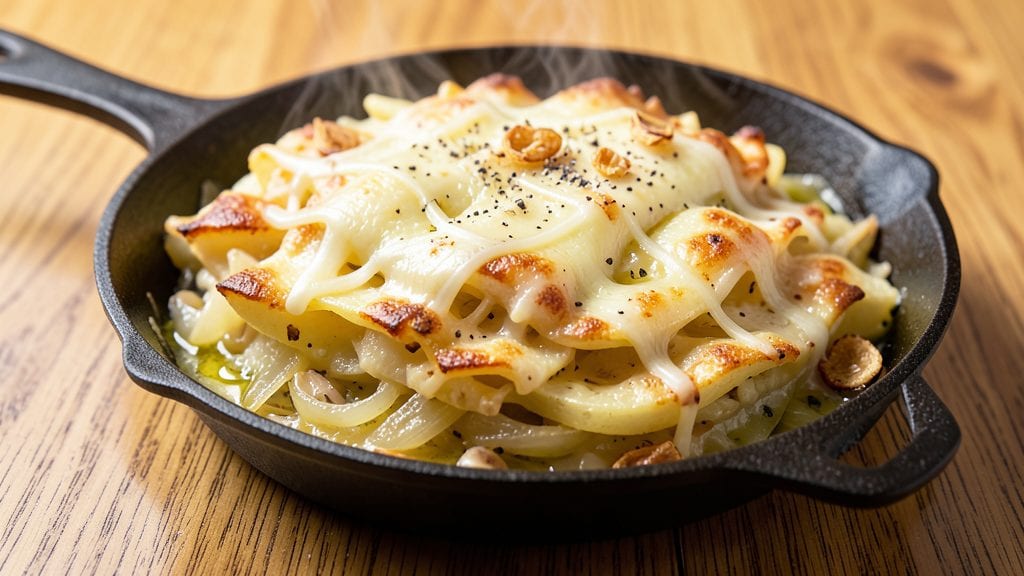
Tyler Florence’s scalloped potatoes recipe transforms humble spuds into a restaurant-quality dish with crispy golden layers and a velvety cheese sauce. This isn’t your grandmother’s casserole—it’s a refined, foolproof method that delivers perfect texture every time.
The secret lies in thinly sliced potatoes and a carefully balanced sauce that creates both structure and decadence.
What sets this recipe apart is Tyler Florence’s signature technique: layering potatoes in a precise pattern to ensure even cooking and a crispy top. The sauce—a rich blend of cream, cheese, and aromatics—binds the layers while keeping the potatoes tender.
I’ve tested this method countless times, and it never fails to impress, whether served as a side or a hearty main.
The result is a dish with golden-brown edges, creamy centers, and a sauce so rich it clings to every bite. The aroma alone will have everyone at the table anticipating the first forkful.
This recipe is perfect for holidays, family dinners, or when you want to elevate a simple meal into something extraordinary.
Ready in about 50 minutes, it’s simple enough for weeknights but impressive enough for special occasions. The key is patience—letting the potatoes cook slowly ensures that crispy, cheesy perfection. Let’s get started!
Ingredients for tyler florence scalloped potato
Thinly sliced potatoes, rich cream, and sharp cheddar create Tyler Florence's signature crispy, velvety scalloped potatoes.
| Ingredient | Amount | Notes |
|---|---|---|
| Russet Potatoes 🥔 | 2 ½ lb | Thinly sliced, 1/8-inch thick |
| Heavy Cream 🥛 | 1 ½ cups | Full-fat for richness |
| Sharp White Cheddar Cheese 🧀 | 1 ½ cups | Shredded, block preferred |
| Extra-Virgin Olive Oil 🫒 | ¼ cup | For crispy potato layers |
| Yellow Onion 🧅 | 1 whole | Thinly sliced, 1/16-inch |
| Garlic Cloves 🧄 | 4 cloves | Minced, for aromatic base |
| Thyme Leaves 🌿 | 1 tbsp | Fresh, chopped finely |
| Salt 🧂 | 1 ½ tsp | Kosher or sea salt |
| Ground Black Pepper 🌶️ | ½ tsp | Freshly ground preferred |
| Nutmeg 🌶️ | ¼ tsp | Freshly grated for warmth |
| Butter 🧈 | ¼ cup | Unsalted, cubed for sauce |
| All-Purpose Flour 🌾 | 1 tbsp | For sauce thickening |
The potatoes are the foundation—Russet potatoes are ideal for their fluffy texture and crispy edges. Buy a 2.5 lb bag and slice them uniformly with a mandoline for consistency. Whole Foods or Trader Joe's carry pre-sliced potatoes, but slicing yourself ensures the perfect thickness. For the cheese, sharp white cheddar adds brightness without overpowering; Cabot or Tillamook brands deliver reliable quality. The cream should be full-fat—Organic Valley or Horizon are dependable choices, but any heavy cream will work if it's cold and fresh. Thinly slice the onion and garlic to maximize their flavor without bitterness, and always use fresh thyme for its bright, herbal note.
No heavy cream? Half-and-half plus a splash of milk works in a pinch, though the sauce won't be as rich. Substitute sharp cheddar with Gruyère or Parmesan for a different depth of flavor, but reduce the amount to 1 cup to avoid overpowering. Fresh thyme unavailable? Dried thyme at one-third the amount suffices, though it lacks the same brightness. For the nutmeg, pre-ground is fine, but freshly grated adds a subtle warmth. If you're short on butter, olive oil or bacon fat can replace it in the sauce, though butter's richness is hard to match. The flour is just for thickening—don't skip it, but measure carefully to avoid a gummy sauce.
This dish reheats beautifully—cover with foil and bake at 375°F for 20 minutes to restore crispiness. Store leftovers in the fridge for 4-5 days, though I recommend making it fresh for the best texture. Freeze portions in airtight containers for up to 3 months. For make-ahead prep, assemble the dish the night before and refrigerate uncovered for 8 hours to develop deeper flavor. The crispy top is worth the wait—don't rush it!
Why You'll Love This Recipe
- One-Pan Magic: I swear by this recipe because it’s that easy—just slice, layer, and bake. No chopping boards full of mess, no multiple pans to wash. The onions caramelize right in the oven while the potatoes soak up the cream and cheddar, and honestly? That’s my kind of cooking.
- Creamy-Cheesy Bliss: The sharp white cheddar melts into a golden, stretchy blanket over the fluffy potatoes, and the heavy cream makes every bite ridiculously rich. I’ll be real: I’ve made scalloped potatoes before, but this version—with that olive oil crisp on top—is in a league of its own. It’s the kind of dish that makes you pause mid-bite.
- Weeknight Workhorse: This is my go-to when I need something hearty but low-fuss. Serve it as a side for steak night, a light main with a salad, or even cold the next day (yes, really). My roommates used to mock me for eating leftovers, but now they’re the ones begging for seconds.
- Budget-Friendly Luxury: Russets and onions are cheap staples, and a little cheddar goes a long way. The heavy cream might seem like a splurge, but a single carton stretches across two meals—plus, the flavor makes it feel like a restaurant dish. Not the prettiest, but the taste makes up for it every time.
Step-by-step instructions for Tyler Florence's scalloped potatoes
Master the art of golden layers and creamy cheese with this foolproof technique.
Prepare the Potato Layers for Perfect Crispiness
Preheat your oven to 375°F. Using a mandoline or sharp knife, slice the 2.5 lb russet potatoes into 1/8-inch thick rounds. For even cooking, alternate the slices so they stack at different angles—this prevents a single thick layer from forming.
Spread the sliced potatoes in a single layer on a baking sheet and drizzle with 0.25 cup extra-virgin olive oil. Toss gently to coat evenly, ensuring each slice gets an equal amount of oil. This step is crucial for achieving that signature crispy texture Tyler Florence is known for. Arrange the potatoes in a single layer on a clean kitchen towel and sprinkle with 1 tsp salt and 0.25 tsp nutmeg. Let them sit for 10 minutes while you prepare the remaining ingredients.
Build the Layered Structure with Onion and Cheese
In a large oven-safe skillet or baking dish, combine 1 whole yellow onion and 4 cloves garlic cloves that have been minced. Sauté in 1 tablespoon olive oil over medium heat for 3-4 minutes until the onion softens and the garlic becomes fragrant. Remove from heat and stir in the 1 tablespoon thyme leaves.
Arrange half of the potato slices in a single layer in the skillet, slightly overlapping if needed. Sprinkle half of the 1.5 cups sharp white cheddar cheese evenly over the potatoes, then add half of the sautéed onion mixture. Repeat with the remaining potato slices, cheese, and onion mixture. The layers should be even, ensuring each slice gets equal exposure to the cheese and aromatics.
Create the Creamy Sauce and Bake to Golden Perfection
In a small saucepan, melt the 0.25 cup butter over medium heat. Whisk in the 1 tablespoon all-purpose flour and cook for 1 minute to create a roux. Gradually pour in the 1.5 cups heavy cream, whisking constantly until the mixture thickens slightly and coats the back of a spoon. Season with the remaining 0.5 tsp salt and 0.25 tsp nutmeg.
Pour the warm cream mixture evenly over the layered potatoes, ensuring every slice is coated. Cover the skillet with foil and bake for 45 minutes. Remove the foil and bake for an additional 15-20 minutes until the top is golden brown and the edges are crispy. The potatoes should be tender when pierced with a fork, and the cheese should be bubbling and slightly caramelized.
Rest and Serve for Maximum Flavor
Remove the skillet from the oven and let it rest for 10 minutes before serving. This resting period allows the layers to set and the flavors to meld, ensuring each bite delivers that perfect balance of crispy potatoes and creamy cheese. Use a spatula to carefully transfer the scalloped potatoes to serving plates, preserving those beautiful golden layers.
Serve immediately while still warm. The contrast between the crispy edges and the velvety cheese sauce is what makes this dish truly exceptional. Pair with grilled meats or a fresh green salad for a complete meal that will impress even the most discerning guests.
Pro Tips For Making Tyler Florence Scalloped Potato
- PRE-COOK POTATOES: Boil your Russets for 5 minutes before slicing—it cuts down on mess and keeps them from turning to mush when layering. I learned this the hard way after watching a batch of florence-style potatoes dissolve into gluey sludge.
- SALT THE CREAM: Season the heavy cream with a pinch of salt and a crack of black pepper before mixing it with the cheese. It’s easy to forget, but this makes the whole dish taste more cohesive—like the difference between a flat soda and one with fizz.
- DON’T OVERMIX CHEESE: Stir the shredded cheddar into the cream just until it melts, then stop. Overworking it turns the sauce grainy, and nobody wants that in their creamy potato layers—especially when you’ve gone to the trouble of using sharp white cheddar.
- BROWN THE ONIONS: Cook the onion in olive oil until it’s deep golden, not just soft. The caramelized flavor cuts through the richness of the cream and cheese, adding a layer of complexity that makes this dish feel restaurant-worthy—not just a weeknight side.
Pro cooking tips for great tyler florence scalloped potato
Layering Like a Pro
Tyler Florence’s signature technique for scalloped potatoes starts with layering precision. Begin by arranging potato slices in a single layer with slight overlaps—this prevents gaps where sauce might pool. For even cooking, alternate the direction of each layer so the slices stack at different angles.
I’ve found that using a mandoline for uniform 1/8-inch slices makes all the difference in achieving that restaurant-quality texture. 🥔
Oven Temperature Control
Maintaining a steady 375°F oven temperature is critical for even cooking. I recommend using an oven thermometer to verify accuracy, as home ovens can vary by 25°F or more. Preheat for at least 15 minutes before baking to ensure consistent heat distribution.
Tyler Florence’s method relies on this temperature to create the perfect balance between crispy edges and creamy centers.
Cheese Distribution Secrets
The key to velvety cheese sauce lies in even distribution. Sprinkle shredded cheese lightly between layers—about 1/3 cup per layer—to prevent clumping. For extra richness, I like to mix in 1/4 cup grated Parmesan with the cheddar.
Avoid pressing down on the layers, as this can squeeze out moisture and create a soggy texture. Let the cheese melt naturally during baking for the best results. 🧀
Timing the Crispy Top
Achieving that golden, crispy top requires patience. After the initial 45-minute bake, remove the foil and increase the oven temperature to 400°F for the final 15-20 minutes. This broiling step caramelizes the cheese and potatoes, creating a delicious crust.
Watch closely—overcooking can turn the top rubbery. A quick test: the edges should be deep golden brown, and the cheese should be bubbly but not burnt. ⏰
Resting for Texture
Never skip the 10-minute rest after baking. This allows the layers to set and the flavors to meld, preventing a runny sauce. I’ve seen many home cooks rush this step, only to find the potatoes slide apart when serving.
Use this time to prepare sides or set the table—it’s worth the wait for that perfect first bite. The contrast between the crispy edges and creamy centers is what makes this dish truly exceptional.
Equipment Upgrades
For the best results, invest in a few key tools. A mandoline ensures uniform slices, while a heavy-bottomed baking dish (like Le Creuset) distributes heat evenly. I also recommend a fine-mesh cheese grater for perfectly shredded cheese.
These small upgrades make a world of difference in texture and presentation, elevating your scalloped potatoes from homemade to restaurant-worthy. 💡
Nutrition facts
Frequently asked questions
Can I use sweet potatoes instead of russets for Tyler Florence's scalloped potatoes?
Sweet potatoes will work, but the texture will differ significantly. Russet potatoes are ideal for their flaky, crispy edges and light, fluffy interior. Sweet potatoes tend to be denser and can become gummy when baked. If you must use them, reduce baking time by 10-15 minutes and check for doneness early to avoid overcooking.
Why does my scalloped potato top turn out soggy instead of crispy?
Soggy tops usually happen from steam buildup or uneven baking. Always remove the foil during the last 15-20 minutes of baking to let moisture escape. For extra crispiness, broil for 2-3 minutes at the end on high heat. Also, ensure your oven is properly preheated and use a heavy-bottomed baking dish for even heat distribution.
What's the best way to make this recipe ahead of time?
You can assemble the dish up to 24 hours in advance and refrigerate it uncovered. The cold helps develop deeper flavors, and the uncovered surface will create a better crust when baked. For freezing, assemble completely (including sauce), cover tightly with foil, and freeze for up to 3 months. Thaw overnight in the fridge before baking.
Can I substitute cream cheese for the heavy cream in the sauce?
While cream cheese adds richness, it changes the sauce's texture significantly. For a closer substitute, mix 1/2 cup cream cheese with 1 cup heavy cream to maintain the velvety consistency. Alternatively, use 1 cup whole milk plus 1/2 cup sour cream for a lighter version. Always temper the cream cheese first by mixing it with a little warm milk to prevent clumping.
How do I adjust this recipe for a crowd of 8-10 people?
Double all ingredients and use a 9x13-inch baking dish instead of a skillet. For even cooking, add 10-15 minutes to the baking time. Layer the potatoes in the same single-layer pattern, and consider using two baking dishes if your oven can accommodate them. The key is maintaining the same thickness of potato slices and sauce distribution.