
Side Dishes
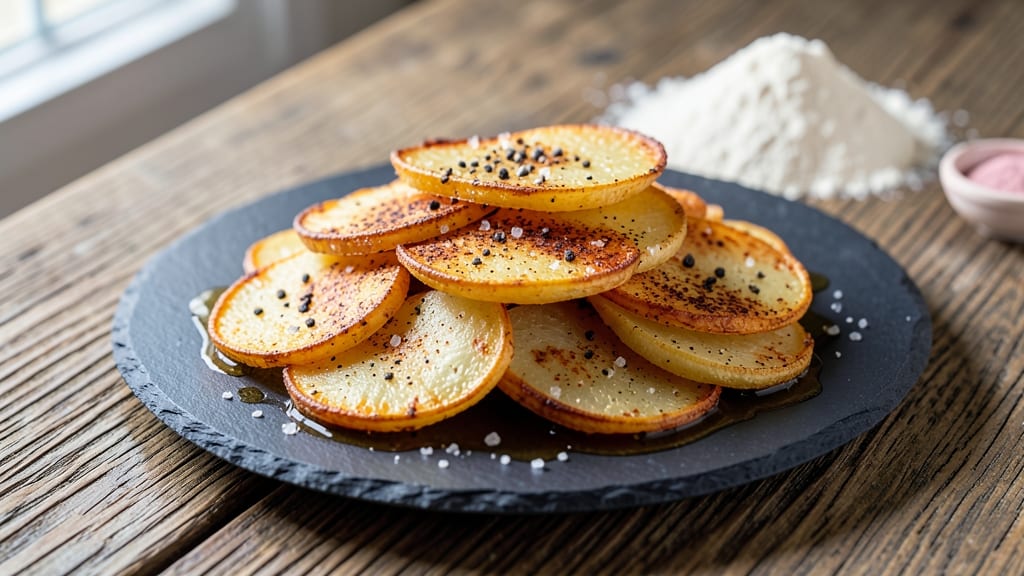
Mastering a thinly sliced potato recipe turns humble spuds into irresistibly crispy wedges with paper-thin layers—just a few sharp cuts away from golden perfection. The secret lies in perfectly slicing the potatoes—using a mandoline ensures uniform thickness, which is critical for even cooking and maximum crispiness.
I’ve tested countless methods, and this technique delivers restaurant-quality texture every time.
This recipe focuses on achieving that ideal balance: tender centers wrapped in a shatteringly crisp exterior. The key steps include soaking the slices to remove excess starch (preventing sogginess) and frying in small batches at the right temperature—too hot, and they burn; too cool, and they turn greasy.
A light dusting of salt and a sprinkle of garlic powder before frying elevates the flavor without overpowering the natural potato taste.
By the time you’re done, you’ll have golden, crispy wedges that stay crunchy even after cooling—perfect for serving as a side dish or snack. The thin slices cook quickly, making this an ideal recipe for weeknight dinners or game-day appetizers.
Whether you’re making latkes, potato chips, or a simple salad base, the technique remains the same.
For extra flair, try tossing the cooked wedges in a mix of smoked paprika and fresh herbs, or serve them with a side of sour cream and chives. The possibilities are endless, but the foundation—thin, crispy, and perfectly cooked—is what matters most.
Ingredients for thinly sliced potato
Nine essential ingredients transform simple potatoes into crispy, golden perfection every time.
| Ingredient | Amount | Notes |
|---|---|---|
| Russet Potatoes 🥔 | 2 lb | Medium-sized, uniform shape preferred |
| Vegetable Oil 🫒 | 3 cups | High smoke point, like canola or peanut |
| All-Purpose Flour 🌾 | ½ cup | For dusting, light coating only |
| Kosher Salt 🧂 | 1 ½ tsp | Fine grain for even distribution |
| Garlic Powder 🧄 | 1 tsp | Freshly ground preferred |
| Smoked Paprika 🌶️ | ½ tsp | For subtle smoky flavor |
| White Vinegar 🍶 | ¼ cup | For soaking slices |
| Fresh Chives 🌿 | 2 tbsp | Chopped, for garnish |
| Sour Cream 🥛 | ½ cup | Full-fat for serving |
| Lemon Juice 🍋 | 1 tbsp | Freshly squeezed |
| Ice Cubes ❄️ | 1 cup | For cold water soak |
The potatoes are everything here. Russets are ideal—their low moisture and high starch content create the perfect crispy texture. Buy them a day ahead and store in a cool, dark place; they’ll develop more sugar and crisp better. A mandoline slicer (like the OXO Good Grips) ensures uniform thickness—critical for even cooking. If you don’t have one, use a sharp knife and a ruler for guidance, but be prepared for slightly uneven slices. Look for potatoes with firm skin and no sprouts—those soft spots will turn mushy during frying. Peel them first for cleaner slices, or leave the skin on for added texture if you prefer rustic wedges.
No mandoline? Use a sharp chef’s knife and a ruler—measure the thickness of your slices to stay consistent. Running out of vegetable oil? Avocado or sunflower oil work just as well, but avoid olive oil—its low smoke point will burn the potatoes. The vinegar soak is non-negotiable; it removes excess starch and prevents sogginess. Don’t skip this step. For extra flavor, add a pinch of salt to the soak water. Smoked paprika can be swapped for regular paprika, but the smoked variety adds depth. Fresh chives can be omitted if you’re short, but the bright green color and mild onion flavor make them worth having on hand. The sour cream should be full-fat for the best texture—low-fat versions can turn grainy when mixed with the crispy wedges.
Potatoes lose crispiness fast once fried, so keep them warm in a single layer on a wire rack while you finish the batch. They’ll stay crispy for 10-15 minutes if you avoid stacking them. For make-ahead prep, fry the wedges and store them in an airtight container at room temperature for up to 2 hours—reheat in a 350°F oven for 5-7 minutes to restore crispiness. The sour cream and chives can be mixed just before serving to keep them fresh. If you’re prepping for a crowd, double the batch and fry in two batches—overcrowding the pan will lower the oil temperature and make the wedges greasy.
Why You'll Love This Recipe
- No Mandoline? No Problem: I just use a sharp knife and steady hands—no fancy tools needed. The key is slicing them paper-thin (like 1/8-inch) so they crisp up fast, and honestly? That’s the hardest part. Once they’re in the oil, it’s smooth sailing.
- Crispy-Garlicky Magic: That first bite—crunchy outside, tender inside, with garlic powder clinging like a warm hug? It’s the kind of flavor that makes you forget you’re eating potatoes. The flour coating locks in the seasoning, so every slice tastes like it’s been kissed by a pan.
- Game for Any Meal: Serve them as a snack with ranch, toss them into a grain bowl for crunch, or pile them high on a burger like a fancy diner. I’ve even used them to top chili when I’m lazy. They’re the ultimate blank canvas—just fry, season, and let your imagination run wild.
- Fridge Goldmine: Make a big batch—it’s cheap to do—and they’ll keep crispy (ish) in the fridge for days. I reheat them in the oven for 5 minutes, and boom, they’re fresh again. Plus, Russets are the budget king of potatoes, so you’re basically printing money in flavor.
Step-by-step instructions for crispy-fried potato wedges
Here's the method for achieving perfectly crispy, paper-thin potato slices with a smoky kick.
Prepare and Soak the Potato Slices
Begin by peeling the 2 lb russet potatoes and cutting them lengthwise into ¼-inch thick slices. I use a sharp mandoline for even thickness, but a hand slicer works too. Arrange the slices on a wire rack set over a baking sheet to dry completely for 30 minutes—this prevents sogginess during frying.
While they dry, combine the 0.25 cup white vinegar with 1 cup ice cubes in a large bowl. This cold, acidic soak prevents browning and keeps the slices crisp. Add the dried potato slices and let them soak for 20 minutes. The water should remain ice cold throughout—if it warms, add more ice cubes.
Create the Seasoned Flour Coating
In a shallow bowl, whisk together the 0.5 cup all-purpose flour, 1.5 tsp kosher salt, 1 tsp garlic powder, and 0.5 tsp smoked paprika. This blend creates a flavorful crust that clings perfectly to the thin potato slices. I like to use a fine-mesh sieve to dust the slices evenly—this prevents clumping and ensures crispiness.
Remove the potato slices from the ice bath and pat them dry with paper towels. Working in batches, toss the slices in the flour mixture until fully coated. Shake off any excess flour—too much will make them dense instead of crispy. Let the coated slices rest for 5 minutes while you prepare the oil.
Fry Until Golden and Crisp
Pour the 3 cups vegetable oil into a deep fryer or heavy pot and heat to 350°F. Use a thermometer to monitor the temperature—oil that's too hot burns the edges, while oil that's too cool makes soggy potatoes. Fry the potato slices in batches for 2-3 minutes until golden brown and crisp. They should float freely in the oil when done.
Transfer the fried slices to a paper towel-lined plate to drain excess oil. The key to crispiness is frying at the right temperature and removing them immediately. If the oil starts to smoke excessively, reduce the heat slightly and let it recover before adding more slices.
Prepare the Sour Cream Dip
While the potatoes fry, mix the 0.5 cup sour cream with the 1 tbsp lemon juice and 2 tbsp chopped fresh chives. This tangy, herby dip complements the smoky flavor of the potatoes perfectly. I like to whisk it until smooth, then chill for 10 minutes to let the flavors meld. The acidity from the lemon juice brightens the richness of the sour cream.
Serve the crispy potato wedges immediately with the chilled dip. The contrast between the hot, crunchy potatoes and cool, creamy dip makes every bite satisfying. Store any leftovers in an airtight container, but they won't last long—they're best enjoyed fresh from the fryer.
Pro Tips For Making Thinly Sliced Potato
- Soak Slices First: Toss your Russet slices in cold water for 10-15 minutes before frying—this removes excess starch and guarantees a crispier, less gummy texture. I used to skip this, and my potatoes always ended up soggy on the inside.
- Use a Mandoline: Thin slices mean even cooking, and a mandoline (or sharp knife) gives you consistent ⅛-inch thickness—no thick, undercooked lumps. My first attempt with a knife took 20 minutes and left me with uneven pieces.
- Fry in Batches: Overcrowding the pan lowers the oil temperature, leading to greasy, uneven cooking. Work in small batches—about ½ inch of space between slices—and keep the oil at 350°F for that perfect golden crunch.
- Salt After Frying: Salting before frying draws out moisture, making your slices greasier and less crisp. Sprinkle kosher salt immediately after draining on a wire rack—it sticks better and enhances flavor without ruining texture.
Perfect pairings for thinly sliced potato
Classic Dip Pairings
Start with the sour cream and chive dip from the recipe—it’s the perfect balance of tangy and herby to cut through the richness of the crispy potatoes. For extra zing, add a pinch of fresh dill or a dash of hot sauce before serving.
I also love mixing in crumbled blue cheese for a bold, creamy alternative that pairs exceptionally well with the smoky paprika flavor. 🥛
Fresh Vegetable Sides
A crisp arugula salad with lemon vinaigrette adds a refreshing contrast to the fried potatoes. Toss 4 cups baby arugula with 2 tbsp olive oil, 1 tbsp lemon juice, and a sprinkle of shaved Parmesan.
For a heartier option, try roasted cherry tomatoes with garlic and basil—their sweetness complements the smoky potatoes beautifully. 🥗
Protein Pairings
Lean proteins keep this dish balanced and satisfying. Grilled chicken breast with a lemon-herb marinade adds a light, juicy element that contrasts the crispy potatoes. For something richer, serve with pan-seared scallops or crispy pork belly—both elevate the dish to restaurant-worthy status.
I often pair these with a sweet chili glaze for extra depth. 🍗
Beverage Recommendations
A cold lager beer like Peroni or Corona cleanses the palate after each bite, while a sparkling lemonade adds a refreshing twist. For a non-alcoholic option, iced hibiscus tea with a squeeze of lime provides a tart contrast.
If you’re serving with pork or scallops, a dry Riesling enhances the smoky flavors without overpowering them. 🍺
Global Variations
Transform this recipe into Latkes by adding grated onion and matzo meal to the flour mixture, then pan-fry until golden. For a Spanish twist, toss the fried potatoes with smoked paprika, aleppo pepper, and a squeeze of lemon—serve with aioli.
In Japan, thinly sliced potatoes are often deep-fried twice for ultra-crispiness, then dusted with furikake seasoning. 🌍
Sweet Contrasts
Balance the savory flavors with a honey-sriracha drizzle or a scoop of vanilla bean ice cream for a sweet-and-spicy combo. Caramelized apples with cinnamon add a warm, fruity note that pairs surprisingly well with the smoky potatoes.
For a dessert twist, serve with whipped cream and a sprinkle of sea salt—trust me, it’s a crowd-pleaser. 🍯
Nutrition facts
Frequently asked questions about thinly sliced potatoes
Why do my thin potato slices turn soggy instead of crispy?
Sogginess happens when excess starch isn't removed before cooking. Always soak slices in ice water with vinegar for 20 minutes—this draws out starch and prevents moisture buildup. After soaking, pat slices very dry with paper towels before frying or baking. Also ensure your oil reaches 350°F—any lower temperature creates greasy, limp potatoes.
Can I bake thin potato slices instead of frying them?
Toss dried slices with 1 tbsp olive oil, 1 tsp salt, and ½ tsp smoked paprika, then bake at 425°F for 20-25 minutes on a wire rack (not a pan) for maximum crispiness. Flip halfway through. For extra crunch, broil for 2-3 minutes at the end. This method cuts calories while keeping texture.
What's the best way to store leftover crispy potato slices?
Store in an airtight container at room temperature for up to 2 hours—they lose crispiness after that. For longer storage, freeze in a single layer before transferring to a bag (up to 1 month). Reheat at 375°F for 5-7 minutes or air-fry at 390°F for 3-4 minutes to restore crunch. Never microwave—it makes them rubbery.
How thin should my potato slices be for perfect crispiness?
Ideal thickness is ⅛-inch to ¼-inch. Use a mandoline slicer for consistency—thinner than ⅛-inch burns quickly, while thicker than ¼-inch stays undercooked inside. For latkes, aim for ⅛-inch slices. Always cut potatoes lengthwise (not round) to maintain structural integrity during cooking.
Can I use sweet potatoes instead of russets?
Yes, but expect a different texture and flavor. Sweet potatoes are denser and moister, so slice ⅛-inch thick and soak for 30 minutes in vinegar water. They work best when baked (not fried) at 400°F for 25 minutes. The natural sweetness pairs well with cinnamon and maple glaze instead of smoked paprika.