
Sauces & Condiments
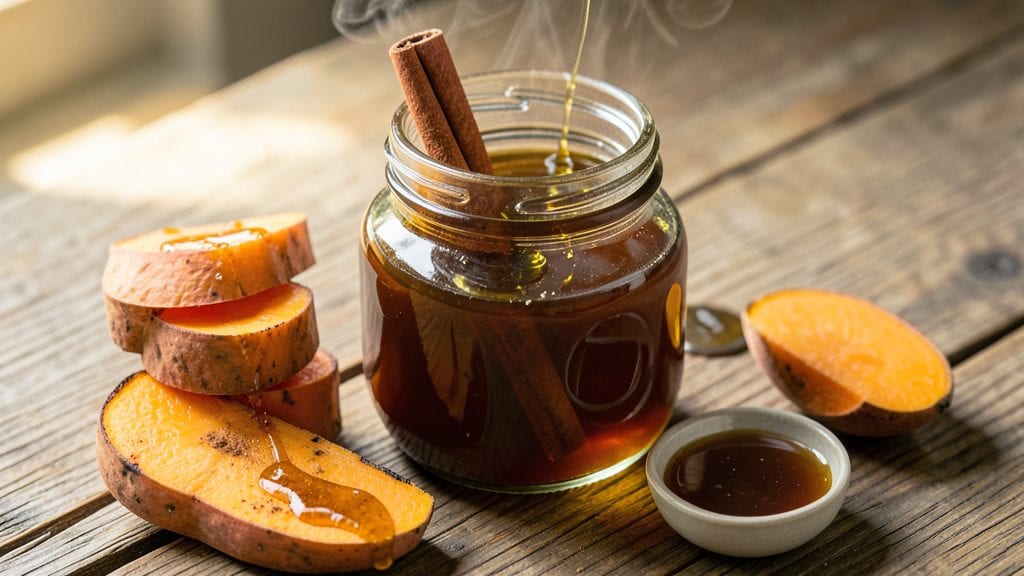
Transforming humble sweet potatoes into a luscious syrup is one of those kitchen revelations that changes how you think about breakfast forever. 🌟 I first discovered this technique while experimenting with ways to use up sweet potatoes that were past their prime—what emerged was a rich, caramelized syrup that turned ordinary pancakes into something extraordinary.
The process is simpler than it sounds, requiring just a few ingredients and about 30 minutes of hands-on time.
This syrup starts with roasted sweet potatoes, which develop deep, caramelized flavors when cooked down with water and a touch of sweetener—whether you prefer maple syrup, honey, or sugar.
The key is simmering the mixture until it reduces to a thick, spreadable consistency, then straining out the solids for a silky-smooth finish. Optional spices like cinnamon or vanilla add warmth and complexity, making this syrup versatile enough for drizzling over yogurt, swirling into coffee, or even baking into desserts.
The result is a syrup that’s richer than maple and more vibrant than honey, with a natural sweetness that pairs beautifully with both sweet and savory dishes.
It keeps well in the refrigerator for up to two weeks, making it a perfect pantry staple for quick breakfasts or last-minute dessert upgrades. Once you try it, you’ll never go back to store-bought again—this is the kind of homemade treat that makes every meal feel special.
Perfect for breakfast lovers, health-conscious cooks, or anyone who enjoys turning simple ingredients into something extraordinary. Let’s get started on this sweet potato syrup that will become your new go-to condiment.
Ingredients for sweet potato syrup
Roasted sweet potatoes, maple syrup, and a whisper of spice transform into this velvety syrup.
| Ingredient | Amount | Notes |
|---|---|---|
| Medium Sweet Potatoes 🍠 | 2 lbs | Organic preferred, peeled and cubed |
| Water 💧 | 2 cups | Filtered for best flavor |
| Maple Syrup 🍯 | ½ cup | Grade B preferred for depth |
| Ground Cinnamon 🌿 | 1 tsp | Ceylon cinnamon for delicate flavor |
| Vanilla Extract 🍃 | 1 tsp | Pure Madagascar vanilla preferred |
| Extra-Virgin Olive Oil 🫒 | 1 tbsp | For roasting sweet potatoes |
| Sea Salt 🧂 | ½ tsp | Diamond Crystal preferred |
| Lemon Juice 🍋 | 1 tbsp | Freshly squeezed for brightness |
Start with sweet potatoes—their natural sugars caramelize beautifully when roasted. Organic sweet potatoes from the produce section (or the organic bins at Whole Foods) have deeper flavor, but any firm, vibrant orange ones work. Roast them until tender—this is where the magic happens. The maple syrup should be Grade B for that rich, robust flavor (it's sweeter than Grade A), and if you're feeling fancy, Trader Joe's carries it at a great price. The olive oil is just for roasting—don't skip it, as it helps develop those caramelized notes. And if you're using pre-peeled sweet potatoes, give them a quick rinse first to remove any residual starch.
No maple syrup? Agave nectar or coconut sugar works in a pinch, though the flavor will be slightly different. Skip the cinnamon? Nutmeg or cardamom adds warmth instead. For extra depth, a pinch of smoked paprika gives a subtle BBQ note that's amazing on toast. The lemon juice brightens everything—don't use bottled, as it lacks freshness. If you're making this ahead, store the roasted sweet potatoes in the fridge for up to 3 days before processing. And if you're worried about the syrup being too thin after straining, simmer it uncovered for an extra 5 minutes—it'll thicken as it cools.
This syrup keeps beautifully in the fridge for up to 2 weeks, though I find it tastes best within the first week. For longer storage, portion into small jars—ice cube trays work perfectly for single-serving portions. Freeze for up to 3 months, but give it a good stir after thawing. The syrup thickens as it cools, so if it seems too stiff, just warm it gently. It's perfect for drizzling over oatmeal, swirling into coffee, or even as a glaze for roasted vegetables. Trust me, once you try it, you'll reach for this instead of store-bought maple syrup every time.
Why You'll Love This Recipe
- No-Peel Hassle: I swear by this trick—just toss whole sweet potatoes in boiling water for 15 minutes, and the skins slip right off. No knife fights, no mess, and honestly? That first bite of silky-smooth syrup is worth the tiny effort.
- Warm Spice Hug: The cinnamon and vanilla turn this into something that tastes like autumn in a jar. It’s not just sweet—it’s got that cozy, slightly smoky depth that makes you want to drizzle it on everything (yes, even ice cream).
- Pantry Stash Magic: This keeps for weeks in the fridge, so I always have a backup for toast, oatmeal, or even a quick glaze for roasted veggies. Between us, I’ve used it to save dinner more times than I can count—just add a splash to yogurt when I’m out of ideas.
- Budget Sweetness Boost: Maple syrup and cinnamon stretch this recipe’s value—you’re not just making syrup, you’re turning basic ingredients into something that feels like a treat. I’ve made gallons for under $10, and it’s become my go-to for when I want flavor without the grocery splurge.
Step-by-step instructions for sweet potato syrup
Transform humble sweet potatoes into luscious syrup with this simple caramelization process.
🍳 Step 1: Roast the Sweet Potatoes Until Caramelized
Preheat your oven to 400°F and line a rimmed baking sheet with parchment paper. Toss the 2 lbs medium sweet potatoes (peeled and cubed into 1-inch pieces) with 1 tablespoon extra-virgin olive oil and ½ teaspoon sea salt. Spread them in a single layer—don't crowd the pan, or they won't brown properly.
Roast for 30-35 minutes, stirring halfway through, until the edges are deeply caramelized with a dark amber hue and the cubes feel tender when pierced with a fork. The key here is patience—the longer they roast, the deeper the caramel flavor develops. If they start to burn before reaching tenderness, reduce the temperature to 375°F and continue roasting for another 10 minutes.
👨🍳 Step 2: Simmer the Roasted Potatoes with Water and Maple Syrup
Transfer the roasted sweet potatoes to a large saucepan and add the 2 cups water and ½ cup maple syrup. Bring to a gentle boil over medium-high heat, then immediately reduce to a simmer. Here's where it gets interesting—the syrup will start to thicken as the sweet potatoes break down, releasing their natural starches.
Simmer uncovered for 15-20 minutes, stirring occasionally, until the mixture reduces by about half and becomes syrupy. You'll notice the color deepen to a rich amber-brown, and the aroma will fill your kitchen with warm, caramelized sweet potato notes. If it reduces too quickly, add 1-2 tablespoons water to maintain the right consistency.
🥘 Step 3: Blend Until Silky Smooth
Using an immersion blender, blend the mixture directly in the saucepan until completely smooth. For best results, work in batches if needed—this prevents overfilling the blender and ensures a silky texture. If you don't have an immersion blender, carefully transfer to a countertop blender and blend until smooth, then return to the saucepan.
Strain through a fine-mesh sieve into a clean saucepan to remove any remaining potato fibers. This step is crucial for achieving that velvety texture perfect for drizzling. The strained syrup should coat the back of a spoon and have the consistency of thick honey. If it's too thick, thin with 1 tablespoon water at a time until it reaches your desired consistency.
⏰ Step 4: Finish with Warm Spices and Bright Acid
Return the strained syrup to the saucepan and stir in the 1 teaspoon ground cinnamon, 1 teaspoon vanilla extract, and 1 tablespoon lemon juice. Simmer gently for 3-5 minutes to allow the flavors to meld. The cinnamon will deepen the warmth, the vanilla adds complexity, and the lemon juice brightens the syrup, cutting through the richness.
Taste and adjust seasoning—you might want to add a pinch more sea salt or lemon juice to balance the sweetness. The syrup should be rich, aromatic, and perfectly balanced. Let it cool slightly before using—it will thicken further as it cools, so don't worry if it looks a bit runny while warm.
Pro Tips For Making Sweet Potato Syrup
- Peel After Cooking: Sweet potatoes are stubborn—peeling them raw makes them bruise and turn to mush. Roast or boil them whole first, then slip the skin off under cool water. You’ll save time and end up with smoother, silkier syrup every time.
- Simmer Low and Slow: I used to rush this, and the syrup would either burn or taste flat. Keep the heat at a gentle simmer—you’re not making jam, you’re extracting flavor. A steady 30-45 minutes at medium-low does the trick without scorching.
- Toast the Cinnamon: Skip the pre-ground stuff—it loses potency fast. Lightly toast your cinnamon in a dry pan for 30 seconds until fragrant. Then whisk it into the warm syrup; the aroma jumps off the plate, making the whole dish taste deeper.
- Strain Twice: One pass through a fine-mesh strainer leaves gritty bits. Do it twice: first with a colander to catch big chunks, then with cheesecloth or a coffee filter for buttery smoothness. Your syrup will look restaurant-worthy, not homemade-hacky.
Serving suggestions for sweet potato syrup
Breakfast Game-Changer
This syrup is a total breakfast revelation—imagine drizzling it over fluffy pancakes instead of maple syrup. 🥞 The caramelized sweet potato flavor adds depth that store-bought syrups can't match. I like to warm the syrup slightly before serving to make it even more fluid.
Try it on buttermilk pancakes or French toast for an instant upgrade. The cinnamon and vanilla notes make it taste like you've been baking all morning, even if you haven't.
Yogurt Bowl Elevator
Swap out honey in your yogurt bowls for this syrup—it's richer and more complex. 🥛 Start with a base of Greek yogurt, add granola, and finish with a generous drizzle of warm syrup. The sweet potato's natural sweetness balances the tanginess perfectly.
For extra protein, sprinkle with chia seeds or hemp hearts. I've even used it as a glaze for baked apples or pears—trust me, it's amazing with warm spiced fruit.
Coffee or Chai Upgrade
Yes, you read that right—this syrup makes an incredible coffee or chai companion. 🍵 Just a teaspoon stirred into your morning brew adds a caramelized sweetness that's far more interesting than sugar. I particularly love it in my daily chai latte—it cuts through the spice beautifully.
For a dessert version, try it in your iced coffee with a splash of vanilla almond milk. The syrup's thickness means it won't dilute your drink too much.
Dessert Drizzle Magic
This isn't just a breakfast syrup—it's a dessert game-changer too. Drizzle it over warm apple crisp or pumpkin bread for instant depth. 🍰 I've also used it as a glaze for roasted nuts (especially pecans) or as a filling for crepes.
For a showstopper, warm the syrup slightly and pour it over vanilla ice cream. The contrast between the warm syrup and cold ice cream is pure magic. Store-bought syrups can't compete with this homemade richness.
Savory Surprise
Don't overlook the savory potential! This syrup makes an amazing glaze for roasted vegetables like Brussels sprouts or sweet potatoes. 🥔 Just toss your veggies with a tablespoon of the syrup before roasting, and you'll get beautiful caramelization.
It's also fantastic as a marinade for tofu or chicken—especially for Asian-inspired dishes. The sweetness balances perfectly with soy sauce and ginger. I promise you'll get strange looks from your guests when they taste it, but they'll love it!
Baking Boost
Use this syrup in baking for a unique twist. Add it to muffin or pancake batter for extra moisture and flavor. 🧁 I've used it in place of maple syrup in recipes like sweet potato pie or even as a glaze for cinnamon rolls.
The syrup's natural sweetness means you can reduce other sweeteners by about 20%. For a quick treat, mix it with whipped cream and layer in a glass for a deconstructed cheesecake. The possibilities are endless—once you make this syrup, you'll find reasons to use it everywhere.
Nutrition facts
Frequently asked questions
Can I make this syrup with regular potatoes instead of sweet potatoes?
Regular potatoes won't work—they lack the natural sweetness and caramelization depth that makes this syrup special. Sweet potatoes have higher sugar content and a creamier texture when cooked down. If you're out of sweet potatoes, try yams, but they'll have a slightly different flavor profile.
How do I adjust the sweetness if I prefer it less sugary?
Start by reducing the maple syrup to ¼ cup and taste as you simmer. You can also add 1-2 extra tablespoons of lemon juice to balance sweetness with acidity. For a more natural approach, try adding ½ teaspoon of cinnamon—it enhances perceived sweetness without extra sugar.
What's the best way to store leftover syrup?
Transfer to an airtight container and refrigerate for up to 2 weeks. For longer storage, freeze in ice cube trays (they make perfect single-serving portions). Thaw overnight in the fridge and stir gently—it may thicken slightly but will return to normal consistency when warmed.
Can I make this syrup without a blender?
Yes! After simmering, mash the sweet potatoes with a potato masher or fork until smooth, then strain through a fine-mesh sieve. The texture will be slightly grainier but still delicious. For extra smoothness, press the mashed potatoes through a cheesecloth-lined strainer.
Why did my syrup turn out too thin?
This usually happens if you didn't simmer long enough or added too much water. After straining, simmer the syrup uncovered for 5-10 extra minutes to evaporate excess moisture. If it's still too thin, reduce it further by simmering gently until it reaches your desired consistency. A kitchen thermometer helps—aim for 220°F for proper thickness.