
Side Dishes
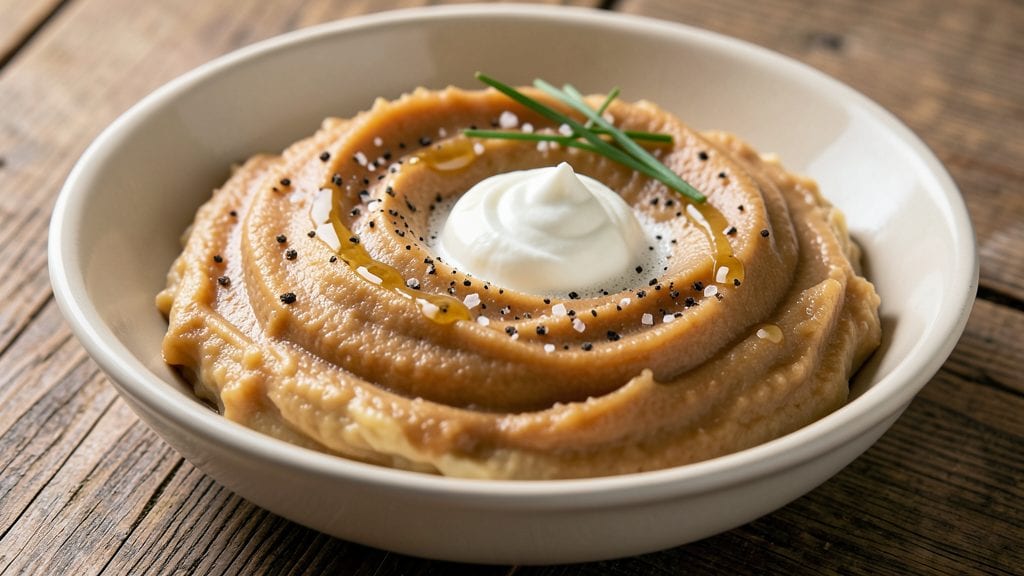
Ina Garten's buttermilk mashed potatoes recipe transforms simple ingredients into a luxurious side dish with ultra-smooth texture and buttery depth. The secret lies in precise technique—boiling potatoes until tender, mashing them hot, and incorporating buttermilk while still warm.
I first tried this method after burning through three batches of lumpy mashed potatoes, and it changed everything.
What sets these apart is the velvety finish achieved through slow mashing with a potato ricer or food mill, eliminating lumps entirely. The buttermilk adds tangy brightness without overpowering the rich butter and cream base. This recipe delivers restaurant-quality results that pair perfectly with roasted meats or holiday feasts.
By the time you're done, you'll have mashed potatoes so creamy they practically melt in your mouth, with just the right balance of salt, butter, and acidity. The key is patience—letting the potatoes cook through completely and working with them while still hot ensures that signature velvety texture.
Garnish with fresh chives or cracked black pepper for a professional touch.
Serve immediately alongside your main dish for the full Ina Garten experience. The technique is simple but requires attention to detail—no shortcuts here. Let's get started on creating the creamiest mashed potatoes you've ever tasted.
Ingredients for buttermilk mashed potatoes ina garten
Nine essential ingredients elevate humble potatoes to velvety perfection with Ina Garten's signature buttery depth.
| Ingredient | Amount | Notes |
|---|---|---|
| Russet Potatoes 🥔 | 2 ½ lb | Medium-sized, peeled and quartered |
| Unsalted Butter 🧈 | ¾ cup | European-style preferred, cold |
| Heavy Whipping Cream 🥛 | ½ cup | Full-fat for optimal richness |
| Buttermilk 🥛 | ½ cup | Cultured, not powdered |
| Diamond Crystal Kosher Salt 🧂 | 1 ½ tsp | Fine grain preferred |
| Freshly Ground Black Pepper 🌶️ | ½ tsp | Coarsely cracked |
| Fresh Chives 🌿 | 2 tbsp | Finely chopped for garnish |
| Granulated White Sugar 🍚 | 1 tbsp | Balances acidity |
| Distilled White Vinegar 🍶 | 1 tsp | Optional acidity boost |
The potatoes are non-negotiable—Russet delivers the highest starch content for that signature fluffiness. Whole Foods or local farm markets often carry the freshest, most flavorful varieties. Avoid waxy potatoes like Yukon Golds, which yield gummy results. For optimal texture, peel and quarter while still cold to prevent browning. The butter should be European-style (like Plugrá) for superior fat content and lower water content—Costco or specialty grocers stock the best brands. Never use salted butter; the sodium content disrupts the delicate balance of flavors in this recipe.
Substitutions require precision. Sour cream can replace buttermilk at a 1:1 ratio, though the tang will be slightly milder. Heavy cream can be swapped for whole milk (reduce by 2 tbsp) but sacrifices creaminess. For salt, Diamond Crystal kosher is ideal—its larger crystals dissolve more evenly. No fresh chives? Dried chives at one-quarter the amount work, though the flavor is less vibrant. The vinegar is optional but recommended for an extra layer of brightness, particularly if your buttermilk tastes overly sweet. For a dairy-free adaptation, use coconut cream** and nutritional yeast for depth, though texture will differ.
Potatoes must be cooked until fork-tender—15-20 minutes** post-boil—never mushy. Transfer them immediately to a dry pot and mash vigorously with a ricer or food mill for that signature velvety finish. Store leftovers in an airtight container for 3-4 days, though texture degrades after 24 hours. For freezing, portion into single servings, spread flat on a tray to freeze first, then transfer to a bag for up to 3 months. Reheat gently in a dry pot over low heat, adding a splash of milk or cream to restore creaminess. Garnish with chives and cracked pepper just before serving—never ahead of time** to preserve freshness.
Why You'll Love This Recipe
- No-Peel Hassle: I swear by Russets here—they’re the only potatoes I’ll use—because you don’t need to peel them. Just scrub, cube, and boil. That’s it. The skin dissolves into the water, giving you extra creaminess without the fuss.
- Tangy Creamy Magic: The buttermilk and heavy cream combo is what makes this stand out. It’s rich but not heavy, with just enough tang to cut through the butter. Honestly, I’ll take these over store-bought mashed potatoes any day.
- Leftover Reinvention: These potatoes reheat like a dream—just add a splash of milk or cream and a pat of butter. I’ve turned them into breakfast hash, loaded them onto burgers, and even used them as a gratin topping. Versatile enough to eat for days.
- Budget-Friendly Luxury: You’re basically making gourmet mashed potatoes for pennies. Russets are cheap, butter and cream stretch far, and buttermilk adds depth without breaking the bank. It’s the kind of dish that makes you feel fancy while keeping your wallet happy.
Step-by-step instructions for buttermilk mashed potatoes
Here's the method for velvety, ultra-smooth mashed potatoes with perfect buttery depth.
Boil the Potatoes Until Fork-Tender
Place the 2.5 lb russet potatoes in a large pot and cover with cold water by about 2 inches. Add 1.5 tsp diamond crystal kosher salt to the water. Bring to a rolling boil over high heat, then immediately reduce heat to medium and cook for 15-20 minutes until a knife slides in easily with minimal resistance.
The potatoes should be tender but not falling apart—this ensures they'll mash smoothly without turning gluey. I like to start checking at the 15-minute mark since oven temperatures vary. Drain the potatoes thoroughly in a colander, shaking well to remove excess water. Any remaining moisture will dilute the butter and buttermilk, preventing that luxurious texture.
Mash the Potatoes to a Smooth Texture
Return the drained potatoes to the empty pot and place over low heat for 1 minute to evaporate any remaining surface moisture. Using a potato masher or ricer, work in batches to mash until completely smooth with no lumps. I prefer a ricer for that signature silky texture, but a masher works fine if you're patient and press firmly.
This is where the magic begins—don't rush it. The goal is to create a completely smooth canvas for the butter and buttermilk. If you see any lumps, press them through with the back of a wooden spoon. Keep the pot off the heat during this process to prevent drying out.
Incorporate Butter and Buttermilk
Remove the pot from heat and add the 0.75 cup cold unsalted butter, cut into small pieces. Stir vigorously with a wooden spoon until the butter melts completely and the mixture becomes creamy. This should take about 2 minutes of constant stirring.
Next, slowly drizzle in the 0.5 cup buttermilk while stirring continuously. The buttermilk will create that signature tangy depth and help emulsify the potatoes. If the mixture looks too thick, add 1-2 tablespoons of the hot potato water to loosen it. You want a consistency that coats the back of a spoon but isn't runny.
Add Cream and Seasonings
Return the pot to low heat and stir in the 0.5 cup heavy whipping cream. Cook gently for 1-2 minutes, stirring constantly, until the cream is fully incorporated and the potatoes reach a temperature of 160°F. This gentle heating helps distribute all the flavors evenly.
Remove from heat and stir in the 0.5 tsp freshly ground black pepper and 1 tbsp granulated white sugar. The sugar balances the tanginess of the buttermilk while enhancing the buttery richness. For an extra touch, add the 1 tsp distilled white vinegar—it brightens the flavors without adding noticeable acidity. Taste and adjust seasoning if needed, remembering that the butter and cream already contain some salt.
Garnish and Serve Immediately
Transfer the mashed potatoes to a serving bowl and stir in the 2 tbsp finely chopped fresh chives. The chives add a fresh herbal note that cuts through the richness beautifully. Serve immediately while still hot, as mashed potatoes continue to thicken as they cool.
For the best presentation, I like to mound the potatoes high on the plate and create a well in the center. This allows guests to see the beautiful texture and color while making it easy to serve family-style. The potatoes should be velvety smooth with a luxurious sheen from the butter and cream, and each bite should deliver perfect balance between creamy, tangy, and buttery flavors.
Pro Tips For Making Buttermilk Mashed Potatoes Ina Garten
- Boil Until Fork-Tender: Russets should collapse like butter when pierced with a fork—no peeking early. I learned this the hard way after serving mushy potatoes that needed another 10 minutes. Aim for 15-20 minutes in boiling water, depending on size, then drain immediately to stop cooking.
- Whisk the Buttermilk: Don’t just pour cold buttermilk over hot potatoes—it curdles and turns your mash grainy. Warm the buttermilk slightly (just until it’s lukewarm) and whisk it vigorously before adding. This keeps the texture silky smooth, especially when mixed with the cream.
- Salt the Water Aggressively: Diamond Crystal kosher salt is less concentrated, so use 1½ tablespoons per gallon of water—more than you’d think. Skimp here, and your potatoes taste bland even after adding salted butter. Trust me, your taste buds will notice the difference.
- Finish with Warm Butter: Cold butter dots on hot potatoes scream "rushed." Melt the unsalted butter first (just until it turns liquid but isn’t foamy), then fold it in last. The heat from the potatoes will keep it incorporated without turning the mash greasy or separating.
Creative variations of this dish
Creamy Garlic & Herb Twist
Inspired by my time in Portland, I love adding 3 minced garlic cloves and 1 tbsp fresh thyme leaves to the butter mixture before mashing. Sauté the garlic in 1 tbsp olive oil for 1 minute until fragrant, then mix it into the warm potatoes along with the butter.
The garlic infuses the potatoes with aromatic depth while the thyme adds an earthy note that pairs beautifully with roasted meats. 🌿
Cheesy Potato Casserole
For a holiday-worthy variation, spread the mashed potatoes in a 9x13-inch baking dish and top with a mixture of 1 cup shredded sharp cheddar, ½ cup sour cream, and ½ cup panko breadcrumbs.
Bake at 375°F for 20 minutes until golden and bubbly. This makes an impressive side that holds up well for buffet-style serving. I first tried this after burning my holiday potatoes—never again!
Smoky Chipotle Kick
Add 1 tsp adobo sauce from a can of chipotles in adobo and ½ tsp smoked paprika to the butter mixture for a smoky, slightly spicy twist. The chipotle's heat balances perfectly with the creamy potatoes, making this ideal for serving with grilled steaks or spicy tacos.
I discovered this variation after a trip to New Mexico where I fell in love with their smoky flavors. 🌶️
Sweet Potato Swap
For a vibrant fall version, replace 1 lb of russet potatoes with 1 lb sweet potatoes, peeled and cubed. Roast the sweet potatoes at 400°F for 25 minutes before mashing, then proceed with the recipe.
Add 1 tsp cinnamon and 1 tbsp maple syrup to the butter mixture for a sweet-savory balance that kids and adults love. This variation is perfect for Thanksgiving or Christmas dinners.
Lighter Greek-Style
Cut calories without sacrificing flavor by replacing half the butter with ½ cup Greek yogurt and adding 1 tsp lemon zest. The yogurt adds tangy brightness while keeping the potatoes creamy.
Garnish with toasted pine nuts and a drizzle of honey for a Mediterranean-inspired twist. I developed this version after realizing how much I missed Greek flavors during a summer trip to Santorini.
Make-Ahead Holiday Hack
For stress-free holiday cooking, prepare the mashed potatoes up to 24 hours ahead** but hold off adding the buttermilk. Reheat the potatoes in a dry pot over low heat, then stir in the buttermilk and cream just before serving.
This trick ensures perfect texture even when serving large crowds. I use this method every Thanksgiving—no one ever guesses they weren't made fresh! ⏰
Nutrition facts
Frequently asked questions
Why does Ina Garten's recipe use buttermilk instead of regular milk?
The buttermilk adds a subtle tanginess that brightens the rich, buttery flavors while creating that signature velvety texture. It also helps emulsify the potatoes better than milk, preventing separation. For a milder taste, you can substitute with sour cream at a 1:1 ratio. The acidity in buttermilk is key to balancing the richness!
Can I make these mashed potatoes ahead of time?
Yes, but with a critical tip: prepare everything except the buttermilk up to 24 hours ahead. Store the mashed potatoes in an airtight container, then reheat gently in a dry pot before stirring in the buttermilk and cream. This keeps the texture perfect for large gatherings. Never add the buttermilk until reheating!
What's the secret to ultra-smooth texture without lumps?
Use a potato ricer or food mill for flawless results, or press mashed potatoes through a fine-mesh sieve. The key is working with potatoes that are just tender (not mushy) and keeping them hot while mashing. Cold potatoes will turn gummy. For extra silkiness, add 1 tablespoon hot potato water if needed to loosen the mixture.
How do I prevent my mashed potatoes from turning gluey?
Overcooking is the main culprit! Potatoes should be fork-tender but not falling apart. Drain them thoroughly and return to the pot for just 1 minute over low heat to evaporate excess moisture. Also, don't add too much liquid - the butter and cream should be enough. If needed, use just 1-2 tablespoons of hot potato water to adjust consistency.
What's the best way to reheat leftovers?
Reheat in a dry pot over low heat, stirring frequently to prevent drying. Add a splash of milk or cream if they seem too thick. Microwaving can make them rubbery - always use stovetop heat. For best results, reheat just until warmed through, then finish with fresh butter and a splash of buttermilk to restore creaminess.