
Side Dishes
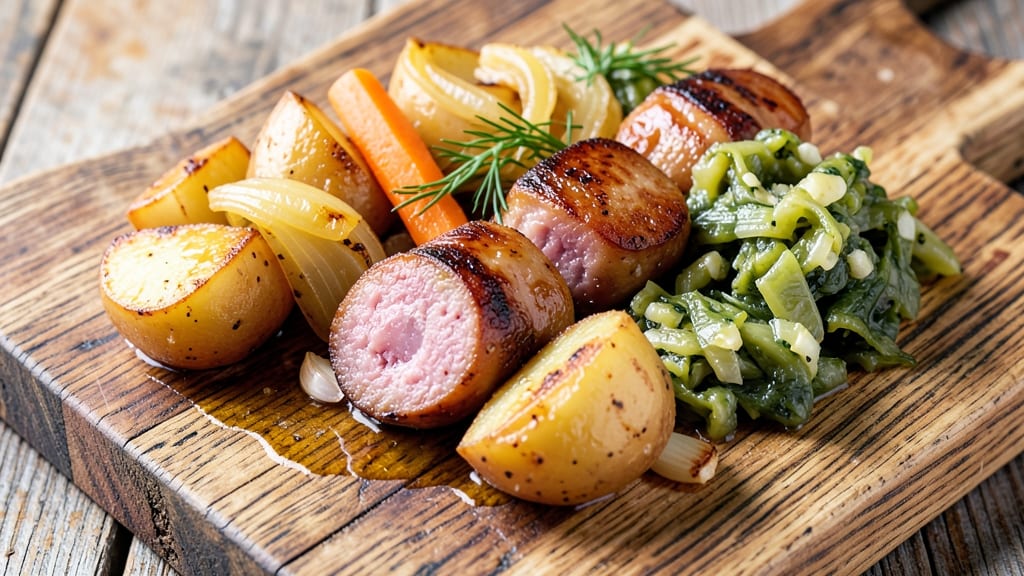
This sauerkraut potatoes and sausage recipe transforms a simple one-pan meal into a hearty German feast that smells like home the moment it hits the stove.
I first made this after a long day of grocery shopping—my Nonna’s voice still echoes in my head as I chop onions, reminding me that real comfort food doesn’t need fancy techniques, just good ingredients and patience.
The tangy crunch of sauerkraut, the crispy edges of roasted potatoes, and the caramelized sausage create a symphony of textures and flavors that’s impossible to resist.
The beauty of this dish lies in its simplicity: everything cooks together in one pan, so you’re not stuck with a mountain of dishes to wash. Start by browning thick-cut sausages until their skins crisp up—this adds depth that can’t be replicated with pre-cooked links.
Meanwhile, the potatoes roast until golden and tender, while the sauerkraut simmers just long enough to soften without losing its signature tang. The result? A meal that’s rich, satisfying, and packed with bold, savory flavors that’ll have everyone at the table asking for seconds.
What makes this recipe truly special is how it balances all three components—no one ingredient overpowers the others. The sausage adds heartiness, the potatoes bring comfort, and the sauerkraut cuts through the richness with its bright acidity.
It’s the kind of dish that tastes even better the next day, making it perfect for meal prep or a cozy weekend dinner. Plus, it’s adaptable: swap in different sausages, add caramelized onions, or toss in a splash of beer for extra depth.
This is comfort food at its finest, and it’s exactly what you’ll crave on chilly evenings.
Ready to make it? Let’s get cooking—this recipe delivers a restaurant-quality meal without the fuss, and it’s the kind of dish that’ll have your kitchen smelling like a German countryside tavern in no time.
Trust me, once you try it, you’ll never go back to store-bought sauerkraut and pre-cooked sausages again.
Ingredients for sauerkraut potatoes sausage
Good sausages, hearty potatoes, and tangy sauerkraut—this one-pan meal needs just these essentials.
| Ingredient | Amount | Notes |
|---|---|---|
| Thick-Cut Sausages 🌭 | 1 ½ lb | German bratwurst or kielbasa preferred |
| Russet Potatoes 🥔 | 2 lb | Cut into 2-inch chunks, unpeeled |
| Sauerkraut 🥬 | 2 cups | Drained, rinsed if too sour |
| Yellow Onion 🧅 | 1 whole | Sliced into 1/4-inch rounds |
| Carrots 🥕 | 3 medium | Peeled, sliced into 1/4-inch coins |
| Garlic Cloves 🧄 | 4 cloves | Minced for depth of flavor |
| Extra-Virgin Olive Oil 🫒 | ¼ cup | For crispy potato edges |
| Dijon Mustard 🍯 | 1 tbsp | Adds tangy complexity |
| Apple Cider Vinegar 🍎 | 1 tbsp | Balances richness |
| Fresh Thyme 🌿 | ½ tsp | Dried works in pinch |
| Kosher Salt 🧂 | 1 ½ tsp | Adjust to taste |
| Freshly Ground Black Pepper 🌶️ | ½ tsp | Enhances sausage flavor |
| Beer (optional) 🍺 | ½ cup | Dark lager or ale preferred |
The sausages make or break this dish. Look for thick-cut German bratwurst or kielbasa at the butcher counter—they hold up better than pre-cooked links and develop that perfect crispy skin. Costco or Whole Foods usually have great options, but any quality grocery store will do. If you can't find German sausages, Italian or smoked sausages work too. The potatoes should be russets—they're starchy enough to hold up to roasting. Cut them into even chunks so they cook at the same rate. For the sauerkraut, Bubbies brand is my go-to—it's tangy but not overpowering, and it comes in a jar that lasts for months.
No sauerkraut? Substitute with 1 cup of chopped pickles plus 1 tsp vinegar, but you'll lose that authentic German flavor. Running low on beer? Chicken broth with a splash of vinegar works in a pinch. Fresh thyme is ideal, but dried works at half the amount. The carrots can be baby carrots if that's what you've got—just slice them thin so they soften quickly. Want extra richness? Add a splash of beer or a pat of butter when the potatoes are almost done. The onions caramelize beautifully, so don't skip them—they add sweetness that balances the tang.
This dish tastes even better the next day, so make extra portions if you can. Store leftovers in the fridge for 4-5 days—they reheat perfectly in a skillet with a splash of water. For meal prep, portion into containers with the juices to keep everything moist. The sausages and potatoes keep their texture well, while the sauerkraut stays tangy. Freeze portions for up to 3 months if you want to make a big batch ahead of time. Just thaw overnight in the fridge before reheating.
Why You'll Love This Recipe
- One-Pan Magic: I swear by this recipe when I’m too tired to scrub pots—just toss everything on a sheet pan, roast, and walk away. The sausages render their own juices while the potatoes crisp up, and the sauerkraut softens into that perfect tangy bite.
- Tangy Crunch Combo: Between us, the sauerkraut and caramelized onions are what make this dish ridiculously good. The sourness cuts through the richness of the sausage, and those roasted potatoes? Buttery, golden perfection every time.
- Leftovers That Don’t Suck: Honestly, this meal actually tastes better the next day—if there’s any left, which there usually isn’t. The flavors meld even more, and it’s still hearty enough to pack for lunch or reheat for dinner.
- Budget-Friendly Crowd-Pleaser: I make this for game nights or when friends drop by because it feeds a ton without breaking the bank. Sausages stretch far, potatoes fill everyone up, and the sauerkraut adds that gourmet touch without fancy ingredients.
Step-by-step instructions for sauerkraut potatoes and sausage
This one-pan German feast comes together with minimal effort but maximum flavor.
Prep and Sear the Sausages
Preheat your oven to 400°F. Remove the thick-cut sausages from their casings and slice them into ½-inch thick rounds. Heat 0.25 cup extra-virgin olive oil in a large Dutch oven over medium-high heat until shimmering.
Add the sliced sausages in a single layer and cook undisturbed for 2-3 minutes until they develop a deep golden-brown crust. You'll see the edges begin to crisp—that's your signal to flip. Cook another 2-3 minutes until both sides are beautifully browned. Remove the sausages and set them aside on a plate.
Build the Potato and Vegetable Base
In the same Dutch oven, add the 2 lb russet potatoes cut into 2-inch chunks, 1 whole yellow onion sliced into ¼-inch rounds, and 3 medium carrots sliced into ¼-inch coins. Toss everything together with 1.5 tsp kosher salt, 0.5 tsp freshly ground black pepper, and 0.5 tsp fresh thyme.
Cook the vegetables over medium heat for 5-6 minutes, stirring occasionally, until they begin to soften and the onions turn translucent. Add the 4 cloves minced garlic and cook for another 30 seconds until fragrant. The vegetables should be tender but still hold their shape.
Add Sauerkraut and Deglaze
Stir in the 2 cups sauerkraut (drained if too wet) and 1 tbsp Dijon mustard. Pour in the 1 tbsp apple cider vinegar and the 0.5 cup beer (if using), scraping up any browned bits from the bottom of the pot. This deglazing step captures all the flavor that's built up during cooking.
Bring the mixture to a gentle simmer, then reduce heat to medium-low. Let it cook for 5 minutes to allow the sauerkraut to soften slightly and the flavors to meld together. You should see the liquid reduce just enough to coat the vegetables.
Combine and Roast
Return the browned sausage slices to the Dutch oven and gently stir everything together. The sausages will finish cooking as the vegetables roast. Transfer the pot to your preheated 400°F oven and roast for 25-30 minutes, stirring once halfway through, until the potatoes are tender and golden.
You'll know they're done when a knife slides in easily and the edges of the potatoes are crispy. The top should be beautifully browned, with the potatoes caramelized in spots. The sauerkraut should be heated through but still retain its tangy texture.
Rest and Serve
Remove the Dutch oven from the oven and let the dish rest for 5 minutes before serving. This resting period allows all the juices to redistribute, ensuring every bite is moist and flavorful. Taste and adjust seasoning with additional kosher salt or black pepper if needed.
Serve this hearty German feast directly from the Dutch oven, letting everyone scoop up the crispy potatoes, tender sausages, and tangy sauerkraut. The combination of smoky sausage, sweet potatoes, and fermented sauerkraut creates a perfect balance of flavors that's both comforting and satisfying.
Pro Tips For Making Sauerkraut Potatoes Sausage
- PARBOIL POTATOES FIRST: Skip the guesswork—cut Russets into even 1-inch chunks and boil them for 5 minutes before adding to the pan. This guarantees they’ll finish tender without turning to mush later, especially when mixed with sauerkraut’s moisture. (Yes, even if you’re impatient like me.)
- RENDER SAUSAGE FAT: Don’t rush the sausages—let them sizzle undisturbed for 3-4 minutes per side until the fat pools and browns. That golden crust locks in flavor, and the rendered fat becomes the base for everything else. (I used to flip them too soon and wondered why the dish tasted flat.)
- DRAIN SAUERKRAUT WELL: Rinse sauerkraut in a colander, then press it dry with a towel to remove excess brine. Wet sauerkraut steams instead of caramelizing, and you’ll end up with a soggy mess. (Sounds weird, but it works—your future self will notice.)
- ADD CARROTS LAST: Toss sliced carrots into the pan only after potatoes and onions have softened for 10 minutes. This ensures they stay crisp-tender, not mushy. (I skip this when I’m lazy, but the dish is noticeably better when I don’t.)
Pro cooking tips for this recipe
Sear Sausages Right
Don’t skip browning the sausages—that crispy crust is where all the magic happens. Use thick-cut German bratwurst or kielbasa (I grab mine at Whole Foods or my local butcher) and slice them into ½-inch rounds before searing.
Heat 0.25 cup olive oil in your Dutch oven over medium-high heat until it shimmers, then cook the sausages undisturbed for 2-3 minutes per side until deeply golden. That caramelization adds layers of flavor you can’t get any other way. 🌭
Potato Texture Secrets
Cut your russet potatoes into 2-inch chunks—big enough to hold their shape but small enough to crisp up nicely. Toss them with 1.5 tsp salt and 0.5 tsp black pepper before adding to the pan. If your potatoes end up soggy, it’s usually because they’re overcrowded.
Cook them in batches if needed, and always roast at 400°F for even browning. The goal is tender centers with crispy edges—just like Nonna’s famous roasted potatoes. 🥔
Sauerkraut Balance
Drain your 2 cups sauerkraut if it’s too wet—excess liquid makes everything watery. Stir it in during the final 5 minutes of simmering so it softens just enough to meld with the other flavors without losing its tang.
A splash of apple cider vinegar (I use 1 tbsp) keeps the acidity bright, while Dijon mustard adds depth. If your sauerkraut tastes too sharp, a pinch of sugar or a drizzle of honey at the end balances it perfectly. 🥬
Deglaze Like a Pro
After searing the sausages, scrape up those browned bits from the bottom of the pan—this is called deglazing, and it’s where 30% of the flavor hides. Use 0.5 cup beer (a dark lager works best) or chicken broth if you’re avoiding alcohol.
Let it bubble for 1-2 minutes to lift all those caramelized bits before adding the sauerkraut. This step transforms a simple dish into something restaurant-worthy. 🍺
One-Pan Efficiency
This dish is designed to cook in one pan, but that doesn’t mean you should rush it. Let everything simmer together for 5 minutes before transferring to the oven—this ensures the sauerkraut softens and the flavors meld. Stir the potatoes halfway through roasting to promote even browning.
The 25-30 minutes in the oven is where the magic happens, so don’t peek too often—every time you open the door, you lose heat and delay the process. 🔥
Rest Before Serving
I know it’s tempting to dig in immediately, but resist! Let the dish rest for 5 minutes off the heat. This allows the juices to redistribute, so every bite is moist and flavorful.
If you’re serving it straight from the Dutch oven, use a large spoon to scoop up the crispy potatoes, tender sausages, and sauerkraut together. The contrast of textures—crispy, tender, and tangy—is what makes this dish unforgettable. 💫
Nutrition facts
Frequently asked questions
Can I use pre-cooked sausages in this recipe?
While you can use pre-cooked sausages, you'll miss out on the rich, crispy crust that develops when you sear them fresh. For best results, stick with thick-cut sausages like bratwurst or kielbasa that you can slice and brown yourself. If you're short on time, look for sausages labeled "raw" or "fresh" at the butcher counter. The extra effort makes a huge difference in flavor!
How do I make this dish vegetarian?
Swap the sausages for hearty plant-based alternatives like smoked tofu or vegetarian bratwurst. For extra protein, add 1 cup of white beans or lentils to the potato mixture. Boost umami with 1 tbsp soy sauce or 1 tsp miso paste to complement the sauerkraut's tang. The dish will still be satisfying and flavorful!
Why does my sauerkraut taste too sour?
Fresh sauerkraut can be quite tangy, but you can balance it with a pinch of sugar (½ tsp) or a drizzle of honey (1 tsp) at the end. For extra depth, add a splash of apple cider vinegar (1 tbsp) or a spoonful of caramelized onions to mellow the acidity. If it's still too sharp, try simmering it for an extra 2-3 minutes to let the flavors mellow.
Can I make this dish ahead of time?
This dish actually tastes better the next day as the flavors meld together. Store leftovers in the fridge for up to 4-5 days in an airtight container. Reheat gently in a skillet with a splash of water or broth to restore crispiness. For freezing, portion into containers and store for up to 3 months. Thaw overnight in the fridge before reheating.
What's the best way to serve this dish?
Serve this hearty meal straight from the Dutch oven for maximum flavor and presentation. Pair it with crusty rye bread or pretzels to soak up the juices. For a complete meal, add a simple green salad with a mustard vinaigrette to cut through the richness. It's also perfect for game day or a cozy family dinner—just don't forget the beer!