
Side Dishes
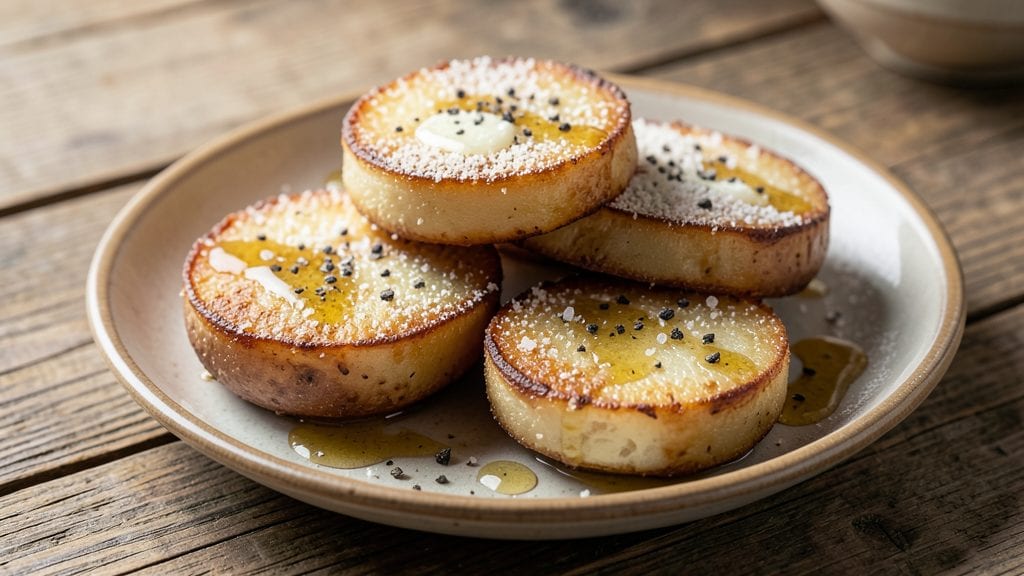
Mastering the art of crispy potato starters begins with this potato starter recipe that delivers golden, cornmeal-crusted crowns with a vinegar-kissed tang that cuts through rich main courses. The technique transforms ordinary potatoes into restaurant-worthy bites that are crisp on the outside and tender within—perfect for elevating any meal.
I developed this method after years of experimenting with textures and seasonings, and it never fails to impress.
What sets these potato crowns apart is the combination of cornmeal and vinegar, which creates that signature crispy exterior while adding a bright, tangy contrast to the earthy potato.
The recipe requires just a handful of ingredients and about 30 minutes of active prep, making it ideal for busy weeknights or special occasions. The secret lies in the double-frying technique, which ensures maximum crispiness without compromising the interior.
By the time you serve these, you’ll have a starter that’s visually stunning—golden, caramelized crowns with a glistening vinegar glaze—and packed with flavor. The cornmeal adds a subtle nutty depth, while the vinegar tang keeps every bite from feeling heavy.
This is the kind of dish that turns casual appetizers into a showstopping centerpiece, whether paired with a crisp white wine or a refreshing citrus cocktail.
Once you try these, you’ll never settle for bland potato sides again. The method is foolproof, and the results are consistently impressive—ideal for feeding a crowd or treating yourself to a gourmet bite. Let’s get started on creating your next favorite starter dish.
Ingredients for potato starter
Golden, vinegar-kissed potato crowns transform simple ingredients into restaurant-worthy crispy starters perfect for elevating any meal.
| Ingredient | Amount | Notes |
|---|---|---|
| Russet Potatoes 🥔 | 4 medium | Cut into 1-inch thick rounds |
| Fine Cornmeal 🌾 | ½ cup | Stone-ground preferred for texture |
| White Vinegar 🍶 | ¼ cup | Distilled for consistent tang |
| Unsalted Butter 🧈 | ½ cup | Cold for crispy coating |
| Diamond Crystal Kosher Salt 🧂 | 1 ½ tsp | Fine grain preferred |
| Freshly Ground Black Pepper 🌶️ | ½ tsp | Cracked peppercorns preferred |
| Extra-Virgin Olive Oil 🫒 | ¼ cup | Light variety for frying |
| Granulated Garlic 🧄 | 1 tsp | For subtle aromatic depth |
| Fresh Lemon Juice 🍋 | 1 tbsp | Brightens final coating |
| Vegetable Oil 🫒 | 2 cups | High smoke point preferred |
| Fresh Parsley 🌿 | ¼ cup | Chopped for garnish |
The foundation lies in selecting waxy russet potatoes with minimal blemishes—Whole Foods or local farmers' markets consistently offer the freshest cuts. For optimal texture, ensure your cornmeal is stone-ground (Bob's Red Mill is a reliable brand) as it provides superior crispiness compared to pre-cooked varieties. The vinegar should be white distilled—Heinz or Heinz Select are widely available and deliver consistent tang. Fresh parsley is ideal for garnish, but dried parsley at one-third the amount works in a pinch. When purchasing butter, opt for European-style unsalted (like Plugrá) for richer flavor development during frying.
No cornmeal? Semolina or fine breadcrumbs create a similar texture, though the nutty depth will differ slightly. Substituting vinegar with lemon juice reduces tang but maintains brightness—use equal parts for comparable acidity. For those avoiding dairy, vegetable shortening replaces butter in the coating mixture, though flavor complexity diminishes. The vegetable oil should have a high smoke point (375°F+)—Avocado oil or Crisco are excellent choices. When measuring garlic powder, one teaspoon equals approximately three minced cloves for comparable aromatic impact. For extra crispiness, double-fry technique is non-negotiable—first fry at 325°F for tenderness, then 375°F for maximum crunch.
Store prepped potato rounds in the fridge for up to 24 hours before frying, covered with a damp towel to prevent drying. The final crispy crowns maintain their texture for 3-4 hours at room temperature when served immediately, but reheat in a 350°F oven for 5-7 minutes to restore crispiness. For meal prep, freeze fully cooked crowns on a baking sheet before transferring to a sealed container—reheat from frozen at 400°F for 8-10 minutes. The vinegar glaze sets beautifully when chilled, making these ideal for ahead-of-time preparation for dinner parties or holiday gatherings.
Why You'll Love This Recipe
- No-Fuss Prep: I swear by this recipe because it’s literally three steps: boil, toss, bake. The vinegar and cornmeal do all the work—no peeling, no dicing, no fuss. My lazy Sundays thank me every time.
- Crispy-Creamy Magic: That first bite where the outside shatters and the inside melts? Chef’s kiss. The butter and salt make it rich, but the vinegar cut keeps it bright—like a hug from your grandma, but better.
- Game for Any Meal: I use these as a side for steak, a snack with beer, or even a base for breakfast hash. Honestly, they’re the ultimate blank canvas—just add whatever you’re craving.
- Budget Booster: Russets are cheap, and this recipe stretches them far. Make a double batch, store them in the fridge, and reheat in minutes. My wallet and I both win. (Yes, even on a Tuesday night.)
Step-by-step instructions for crispy cornmeal crowns
Transform simple russet potatoes into restaurant-worthy crispy crowns with this precise method.
Prepare and Season the Potato Rounds
Begin by cutting the 4 medium russet potatoes into 1-inch thick rounds using a sharp chef's knife. I like to work on a damp cutting board to prevent slipping—this ensures clean, even slices. Arrange the rounds on a wire rack set over a baking sheet to allow air circulation on all sides.
In a small bowl, whisk together the 0.5 cup fine cornmeal, 1.5 teaspoons diamond crystal kosher salt, 0.5 teaspoon freshly ground black pepper, and 1 teaspoon granulated garlic. This dry rub will create the signature crispy crust while adding subtle garlic depth. Gently toss each potato round in this mixture, pressing lightly to ensure even coating. Let them sit for 10 minutes at room temperature while you prepare the frying station.
Create the Vinegar-Kissed Butter Coating
In a medium mixing bowl, combine the 0.5 cup cold unsalted butter with the 0.25 cup extra-virgin olive oil and 0.25 cup white vinegar. Whisk vigorously until fully emulsified—this creates a stable coating that won't separate during frying. The vinegar adds a bright tang that balances the richness of the butter and cornmeal.
Add the 1 tablespoon fresh lemon juice and continue whisking until smooth. This acid component prevents the coating from becoming too heavy, ensuring those signature crispy edges. Taste the mixture—it should have a clean, slightly tangy flavor with no raw vinegar bite. If needed, adjust the lemon juice slightly, but maintain the precise 1 tablespoon measurement for proper texture.
Fry to Perfect Golden Crispness
Heat the 2 cups vegetable oil in a deep skillet to 350°F using a thermometer for accuracy. The oil should be shimmering but not smoking—this temperature creates the ideal balance between crispy exterior and tender interior. Working in batches to avoid overcrowding, carefully lower 2-3 potato rounds into the oil.
Fry for 3-4 minutes on the first side until golden brown with visible crispy edges. You'll see small bubbles forming around the edges—this indicates proper cooking. Using tongs, carefully flip the rounds and fry for another 3-4 minutes until the second side reaches the same golden hue. The internal temperature should read 160°F when checked with an instant-read thermometer.
Finish and Garnish
Transfer the fried potato rounds to a wire rack set over a paper towel-lined plate. This allows excess oil to drain away while maintaining crispness. Immediately brush each round generously with the vinegar-butter mixture, working quickly to coat all surfaces. The heat from the potatoes will help the mixture adhere perfectly.
Sprinkle the 0.25 cup chopped fresh parsley evenly over all the potato crowns. The parsley adds a fresh contrast to the rich, crispy texture while providing a pop of color. Serve immediately while still crispy—these potatoes lose their ideal texture within 10 minutes of frying. For best results, serve with a side of garlic aioli or a simple green salad to complement the vinegar-kissed tang.
Pro Tips For Making Potato Starter
- Soak Potatoes First: Toss peeled Russets in cold water for 20 minutes before cooking—this removes excess starch and guarantees a crispier, less gummy texture. I learned this the hard way after making a batch that turned into gluey potato mush.
- Toast the Cornmeal: Dry-toast the cornmeal in a skillet with a splash of butter for 1-2 minutes before mixing it into the potatoes. This deepens the flavor and prevents a raw, floury aftertaste—trust me, it’s worth the extra 60 seconds.
- Salt the Water Hard: Use 1½ tablespoons of kosher salt per 4 quarts of water when boiling the potatoes—more than you’d think. Under-salting here means bland, mealy potatoes no matter how much you season later.
- Acid First, Butter Last: Toss the vinegar into the hot potatoes before adding butter—this keeps them bright and prevents the acid from curdling when the dairy hits. Add butter last to melt into the dish, not the pan. (Your future self will notice the difference.)
Perfect pairings for this dish
Crispy Side Showstoppers
Serve these potato crowns alongside roasted Brussels sprouts tossed with balsamic glaze and toasted pecans—the caramelized sweetness contrasts beautifully with the vinegar tang. I also love pairing them with sautéed mushrooms in garlic butter, which adds an earthy richness that balances the crispy texture.
For a lighter option, arugula salad with lemon vinaigrette provides the perfect peppery bite to cut through the richness. 🥗
Wine Pairings
A dry Riesling from Germany or Alsace is my go-to choice—its bright acidity and subtle mineral notes mirror the vinegar-kissed tang of the crowns. The crispness of the wine enhances the potato's crispy exterior without overpowering it.
For something lighter, a Sauvignon Blanc with citrus notes provides a refreshing contrast. Avoid heavy reds like Cabernet, as they'll clash with the delicate cornmeal crust.
Cocktail Complements
For a non-alcoholic option, try a sparkling lemonade with muddled mint and rosemary—the effervescence cleanses the palate between bites. If you prefer cocktails, a gin and tonic with grapefruit juice and a rosemary garnish elevates the dish.
The gin's botanical notes complement the garlic in the cornmeal, while the grapefruit's bitterness balances the richness. For a sweeter touch, a moscow mule with fresh lime adds a zesty contrast that pairs perfectly with the vinegar tang. 🍹
Cheese Board Balance
Transform your starter into a full appetizer by serving the potato crowns alongside aged cheddar, brie, and blue cheese—each type offers a different texture and flavor profile. The sharpness of the cheddar cuts through the crispy potatoes, while the creaminess of the brie adds a luxurious contrast.
A fig jam or honeycomb on the side enhances the sweet-savory balance, making this an ideal shared starter for gatherings. 🧀
Dipping Sauces
No potato dish is complete without a dipping sauce! My favorite is a garlic aioli made with mayonnaise, minced garlic, lemon juice, and a touch of Dijon mustard—the tangy kick complements the vinegar in the crowns.
For something lighter, a yogurt-based sauce with dill, lemon zest, and a pinch of salt adds a refreshing contrast. A spicy harissa mayo brings heat that pairs wonderfully with the crispy texture for those who love a kick. 🌶️
Seasonal Adaptations
In summer, swap the vinegar for white balsamic reduction and garnish with fresh basil—the sweet-tart balance works beautifully with grilled meats. For fall, add pumpkin spice to the cornmeal coating and serve with apple slices for a cozy twist.
In winter, a brown butter glaze with thyme and rosemary transforms the crowns into a rich, savory appetizer perfect for holiday feasts. The versatility of this dish makes it a year-round favorite! ⚡
Nutrition facts
Frequently asked questions
Can I use sweet potatoes instead of russets?
Sweet potatoes will work, but the texture and flavor will differ significantly. Russets provide the ideal starchy balance for crispy exteriors and tender interiors. Sweet potatoes are moister and slightly sweeter, which may make them less crispy. If you must use them, pat them very dry before frying and consider adding an extra 1/4 cup of cornmeal to the coating.
How do I keep the potato crowns crispy when serving?
Serve them immediately after frying—they lose crispness within 10 minutes. For buffet-style events, place them on a wire rack over a baking sheet in a 200°F oven> to maintain crispiness for up to 1 hour. If reheating, use the oven at 400°F for 5-7 minutes> with a wire rack to prevent sogginess.
What's the best way to store leftover potato crowns?
Cool them completely, then store in an airtight container for up to 3 days. For longer storage, freeze them on a baking sheet first (to prevent sticking), then transfer to a sealed bag. Reheat from frozen at 400°F for 8-10 minutes>—they won't regain full crispness but will be warm and flavorful.
Can I make these potato crowns ahead of time?
Prep the potato rounds and coating mixture 24 hours ahead. Store the raw rounds in the fridge, covered with a damp towel. On serving day, fry as directed. For the vinegar-butter glaze, make it fresh before frying—it won't keep well once mixed with butter.
Why did my potato crowns turn out greasy instead of crispy?
Overcrowding the pan or using oil that's too cool are common culprits. Always fry in batches with 350°F oil>, and ensure your cornmeal coating is evenly applied. For extra crispiness, try the double-fry method: fry at 325°F for 3 minutes>, then increase to 375°F for 2 minutes> on the second side.