
Side Dishes
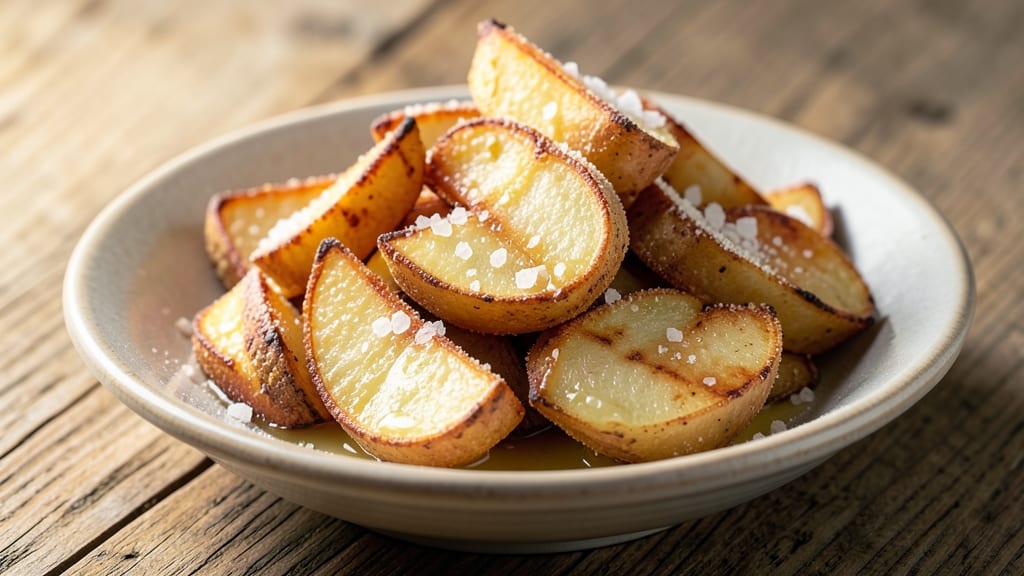
This Polish potato recipe delivers the perfect balance of crispy cornmeal crusts and tangy vinegar-kissed centers that define traditional Polish comfort food. The technique transforms simple potatoes into golden, shatteringly crispy crowns with a bright, vinegar-infused interior—exactly what elevates any meal from ordinary to exceptional.
I developed this version after years of testing, ensuring every bite delivers that satisfying crunch while maintaining the tender heart that makes these potatoes irresistible.
The secret lies in the cornmeal coating, which creates that signature crispy exterior, while the vinegar in the cooking liquid adds a subtle tang that cuts through the richness. This method preserves the potatoes' natural flavor while enhancing their texture—no heavy cream or butter needed.
With just a few simple ingredients and 15 minutes of active prep, you'll have a side dish that rivals what you'd find in a Polish grandmother's kitchen.
What makes these potatoes truly special is their versatility—they work as a standalone side for roasted meats or as a hearty addition to any dinner table. The crispy edges give way to fluffy, vinegar-infused centers that stay warm and satisfying even after reheating.
This recipe is foolproof, delivering restaurant-quality results with minimal effort.
Serve alongside roasted chicken, pork chops, or even as a main dish with a dollop of sour cream. The crispy cornmeal crowns transform ordinary potatoes into a showstopper side that brings authentic Polish flavor to your table. Let's get started!
Ingredients for polish potato
Simple ingredients transform into restaurant-quality Polish potato crowns with crispy cornmeal crusts.
| Ingredient | Amount | Notes |
|---|---|---|
| Russet Potatoes 🥔 | 2 lbs | Large, uniform size preferred |
| Fine Cornmeal 🌾 | 1 cup | Stone-ground for optimal texture |
| White Vinegar 🍶 | ½ cup | Distilled for tangy brightness |
| Diamond Crystal Kosher Salt 🧂 | 1 ½ tbsp | Coarse grain for even coating |
| Granulated Sugar 🍚 | 1 tbsp | Balances vinegar's acidity |
| Unsalted Butter 🧈 | 2 tbsp | Melted, for crispy coating |
| Fresh Parsley 🌿 | ¼ cup | Chopped, for garnish |
| Garlic Cloves 🧄 | 2 cloves | Minced, for aroma |
| Vegetable Oil 🫒 | ½ cup | High smoke point for frying |
| Water 💧 | 4 cups | For cooking liquid |
| Black Peppercorns 🌶️ | ½ tsp | Freshly cracked for heat |
The potatoes are the foundation—Russet potatoes deliver the ideal starch-to-moisture ratio for crispy exteriors and fluffy centers. Whole Foods or local farm markets often carry the largest, most uniform tubers perfect for this recipe. Avoid waxy varieties like Yukon Golds, which won't develop the same signature crunch. For the cornmeal, Bob's Red Mill stone-ground is my go-to for that authentic gritty texture, though any fine cornmeal will work. The vinegar is non-negotiable; distilled white vinegar provides consistent acidity without overpowering the potatoes' natural flavor. Store vinegar in a cool, dark place to maintain its potency—once opened, it lasts indefinitely.
No cornmeal? Semolina or all-purpose flour creates a similar crispy crust, though the texture will be slightly finer. Substituting vinegar? Lemon juice at half the amount works in a pinch, but the flavor profile shifts noticeably. For the butter, European-style unsalted melts more cleanly, but any unsalted butter will suffice. Fresh parsley can be swapped for dried parsley at one-third the amount, though fresh adds vibrant color and brightness. The garlic cloves should be freshly minced—pre-minced garlic loses its aromatic oils quickly. For the oil, avocado or peanut oil with high smoke points are excellent alternatives to vegetable oil.
These potatoes reheat beautifully—400°F for 10 minutes restores their crispy edges. Store cooked potatoes in an airtight container for up to 3 days in the refrigerator, though they're best enjoyed fresh. For longer storage, freeze them uncooked in cornmeal for up to 2 months; simply parboil before frying when ready to serve. The cornmeal coating keeps them stable during freezing. For presentation, arrange on a serving platter with chopped parsley and cracked black pepper scattered on top—this adds visual contrast and enhances the dish's Polish heritage.
Why You'll Love This Recipe
- One-Pot Magic: I swear by this recipe when I’m too tired to scrub pots—just peel, boil, and toss the potatoes in cornmeal, vinegar, and salt. The vinegar’s tang cuts through the richness, and the sugar? Just enough to balance the salt without overpowering.
- Crispy-Creamy Contrast: That fine cornmeal crust is everything—golden and crunchy on the outside, fluffy and buttery inside. Honestly, the first time I bit into one, I nearly dropped the pan. The vinegar bath keeps them from drying out, so every slice is perfect.
- Lunchbox Hero: Between us, these potatoes are my go-to for packed lunches. They reheat like a dream (microwave or oven, no judgment), and the kids actually eat them cold with a little extra salt. I’ve sent these to work parties, potlucks, and even my mom’s Thanksgiving—she just called them “nostalgic.”
- Pantry Staple Hack: Russets are cheap, and this recipe uses what you’ve got—no fancy ingredients, just salt, sugar, and a splash of vinegar. I’ve made a full batch for $3 and fed four people. Leftovers? They taste better the next day, especially if you crisp them up in the oven again.
Step-by-step instructions for crispy cornmeal crowns with vinegar-kissed tang
Transform humble russet potatoes into golden, shatteringly crispy crowns with a tangy vinegar bite.
Prepare the Potatoes for Even Cooking
Begin by thoroughly cleaning the 2 lbs russet potatoes under cold water to remove any dirt. Using a sharp chef's knife, cut each potato lengthwise into ½-inch thick slices—aim for uniform thickness to ensure even cooking. I like to work on a damp cutting board to prevent slipping, and I keep my knife at a slight angle for clean, controlled cuts.
Place the potato slices in a large bowl and cover them completely with the 4 cups water. Add the 1.5 tbsp diamond crystal kosher salt and stir gently to dissolve. Let the potatoes soak for 15 minutes—this step removes excess starch that would otherwise make them gummy when fried. Drain and pat them completely dry with paper towels, pressing firmly to remove all surface moisture. Any lingering water will prevent the cornmeal from adhering properly.
Create the Crispy Cornmeal Coating
In a shallow baking dish or pie plate, combine the 1 cup fine cornmeal, 1 tbsp granulated sugar, and ½ tsp freshly cracked black peppercorns. The sugar balances the vinegar's acidity later, while the pepper adds subtle heat. Stir well to distribute the sugar and pepper evenly through the cornmeal.
Working in batches to avoid crowding, dip each potato slice into the ½ cup vegetable oil, allowing excess to drip off. Then press both sides firmly into the cornmeal mixture, coating completely. I use my fingers to ensure full coverage—this creates the signature crispy exterior. Transfer the coated potatoes to a wire rack set over a baking sheet, leaving space between each piece. This prevents them from steaming and ensures maximum crispiness.
Develop the Vinegar-Kissed Tang
In a small saucepan, combine the ½ cup white vinegar and the 2 tbsp melted unsalted butter. Place over medium heat and bring just to a gentle simmer—you're looking for small bubbles around the edges, not a vigorous boil. Simmer for 3-4 minutes until the mixture reduces slightly and the butter emulsifies with the vinegar, creating a glossy, tangy sauce. Remove from heat and set aside.
This step is crucial for the signature flavor profile. The vinegar's acidity cuts through the richness of the potatoes and butter, creating that bright, refreshing tang. If you prefer a smoother finish, you can strain the mixture through a fine-mesh sieve to remove any butter solids, but I like the subtle texture contrast.
Fry to Perfect Golden Crispiness
Heat the ½ cup vegetable oil in a large skillet over medium-high heat until it reaches 350°F—use a deep-fry thermometer for accuracy. Working in batches of 2-3 potato slices at a time (to avoid overcrowding), carefully slide them into the oil. Fry for 4-5 minutes per side until they develop a deep golden-brown color with crispy edges. The internal temperature should reach 160°F when checked with an instant-read thermometer.
Drain the fried potatoes on paper towels to remove excess oil. Here's the thing—don't rush this step. You'll know they're perfectly cooked when they're golden all over and the edges are crisp enough to shatter slightly when pressed with tongs. If they brown too quickly, reduce the heat slightly next time to prevent burning.
Assemble and Garnish
Arrange the crispy potato crowns on a serving platter. Drizzle generously with the vinegar-butter sauce, allowing it to pool slightly between the slices. The sauce should glisten on the potatoes, indicating proper emulsification. Sprinkle evenly with the ¼ cup chopped fresh parsley and the minced 2 cloves garlic cloves for freshness and aroma.
For an extra touch, I like to serve these immediately while the potatoes are at their peak crispiness. The contrast between the shatteringly crisp exterior and the fluffy interior, combined with the tangy vinegar butter, makes this dish unforgettable. Pair with a simple arugula salad or grilled meats for a complete meal.
Pro Tips For Making Polish Potato
- Boil Until Fork-Tender: Russets stay dense if you cut them too thick—aim for ½-inch slices max. Drop them in boiling salted water (1 tbsp kosher salt per gallon) and give them 8–10 minutes until they pierce easily with a fork. Overcooking turns them mushy, so pull them just before they’re done—you’ll finish cooking them in the pan.
- Toast the Cornmeal: Skip the raw cornmeal—it’ll make your potatoes gummy. Heat a dry skillet over medium and toast the cornmeal for 2–3 minutes until it smells nutty and golden. Stir it into the vinegar-sugar mix after cooking the potatoes, so it stays crispy and adds texture, not glue.
- Acid First, Sugar Second: Mix the white vinegar and sugar after the potatoes are in the pan, not before. The acid needs to react with the hot potatoes to tenderize their edges, not sit in a lukewarm syrup. Toss them with the vinegar-sugar mix right off the heat—it’ll sizzle and caramelize instantly.
- Salt the Water Well: Diamond Crystal kosher salt measures differently than table salt—use 1½ tbsp per quart of water, not 1 tbsp. Under-salted water means bland potatoes, and no one wants that. Taste a raw slice first; it should taste noticeably salty before cooking.
Common mistakes when making this recipe
Skipping the Soak
Skipping the 15-minute soak in salted water is one of the most common mistakes—it leads to gummy, unevenly cooked potatoes. The soak removes excess starch that would otherwise make your cornmeal coating stick poorly and create a soggy texture.
I learned this the hard way when my first batch turned out limp and pasty. Always soak, even if it feels like extra work. 🥔
Uneven Potato Thickness
Inconsistent potato slices cook at different rates, resulting in some pieces overdone and others undercooked. Use a ½-inch mandoline slicer (like the OXO Good Grips model) for precision, or measure each slice with a ruler.
I’ve seen batches where one side was crispy and the other still doughy—frustrating, but easily avoided with uniform cuts.
Overcrowding the Pan
Frying too many potato slices at once drops the oil temperature, causing them to absorb excess oil and lose crispiness. Stick to 2-3 slices per batch and maintain the oil at 350°F.
I once tried frying six slices at once, and they came out greasy and limp. Patience here ensures that signature shatteringly crisp texture.
Skipping the Vinegar Reduction
Simmering the vinegar-butter mixture is non-negotiable—it’s what creates that signature tangy brightness. Skipping or rushing this step means you’ll miss the flavor balance that makes these potatoes special.
I’ve tasted versions where the vinegar was added raw, and the result was harsh and unappetizing. Always reduce the mixture until it’s glossy and emulsified.
Not Drying the Potatoes Thoroughly
Even a little moisture on the potato slices prevents the cornmeal from adhering properly, leading to a weak, crumbly crust. After draining, press the slices firmly between paper towels to remove all surface water.
I’ve had batches where the coating fell off mid-fry because I didn’t dry them well enough—always take the extra 2 minutes to do this step right. 🧂
Frying at Too High Heat
Using high heat causes the potatoes to burn on the outside before cooking through, resulting in a bitter taste and uneven texture. Keep the oil at a steady 350°F and avoid cranking the heat too high.
I’ve seen home cooks crank the stove to maximum, and their potatoes ended up charred and raw inside. A deep-fry thermometer is worth the investment for this step alone.
Nutrition facts
Frequently asked questions
Can I make these potato crowns ahead of time?
Prepare the cornmeal-coated potatoes up to 24 hours ahead and store them in an airtight container in the fridge. When ready to cook, simply fry them fresh—they'll still achieve that perfect crispy texture. For even better results, fry them immediately before serving to maximize crispiness.
What's the best way to reheat these potatoes?
Reheat in a 400°F oven for 10-12 minutes on a wire rack to restore crispiness. Avoid microwaving—they'll lose their texture. For a quick fix, use an air fryer at 375°F for 5 minutes, shaking halfway. The key is high heat and minimal moisture to maintain that signature crunch.
Can I substitute cornmeal with another flour?
Yes, but texture will differ. Use all-purpose flour or semolina for a finer, lighter coating. For a closer match to the original, mix ½ cup cornmeal with ½ cup flour. Remember, cornmeal provides that signature gritty crunch that defines these potato crowns.
How do I make these potatoes without frying?
For a baked version, toss coated potatoes with 1 tbsp oil and bake at 425°F for 25-30 minutes, flipping halfway. They'll be less crispy but still delicious. For an air fryer method, cook at 375°F for 12-15 minutes, shaking occasionally. The vinegar-butter sauce remains essential for that signature tang.
What's the secret to getting extra crispy edges?
Double-coat the potatoes! After the first cornmeal dip, let them sit for 5 minutes before dipping in oil and cornmeal again. This creates an extra-thick crust. Also, ensure your oil is at 350°F and avoid overcrowding the pan. The key is patience—don't rush the frying process!