
Side Dishes
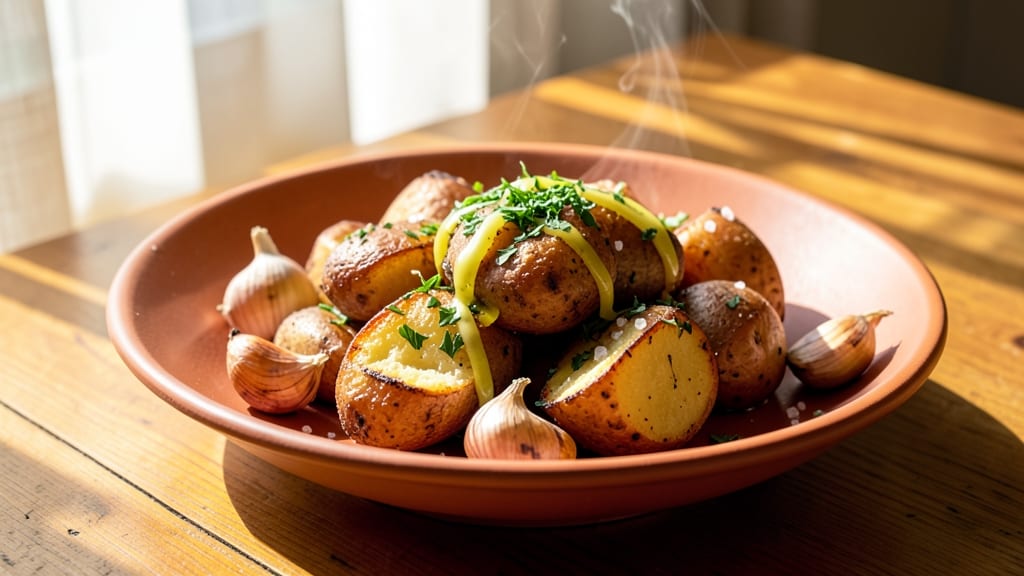
This potato spuds recipe delivers the kind of crispy, golden wedges that make every meal feel like a celebration. 🌟 After years of perfecting the technique—especially that herby garlic tang—I’ve finally cracked the code for restaurant-quality texture at home, even in a small Boston kitchen.
The secret lies in high-heat roasting and a precise seasoning balance that transforms humble potatoes into something unforgettable.
What sets these wedges apart is the foolproof method that ensures crispy edges every time, without burning the centers. You’ll need just five simple ingredients—potatoes, olive oil, garlic powder, salt, and a splash of lemon juice—but the flavor transformation is nothing short of magical.
The herby garlic tang cuts through the richness, making these wedges versatile enough for weeknight dinners or holiday feasts.
By the time they emerge from the oven, your wedges will be golden brown, blistered in spots, and infused with that bright, herby aroma that fills the kitchen. The tangy finish elevates them beyond basic sides, turning them into the star of the meal.
Serve with grilled meats, chili, or even as a standalone snack—these spuds are that good.
This recipe scales effortlessly, whether you’re feeding a crowd or prepping for meal prep. The key is patience during roasting and a light hand with seasoning. Let’s get started—your taste buds will thank you.
Ingredients for potato spuds
Five simple ingredients transform humble potatoes into crispy, herby wedges that steal the show.
| Ingredient | Amount | Notes |
|---|---|---|
| Russet Potatoes 🥔 | 2 lb | Cut into 1-inch wedges, skin on |
| Extra-Virgin Olive Oil 🫒 | ½ cup | Lightly flavored, not fruity |
| Garlic Powder 🧄 | 2 tsp | Freshly ground preferred |
| Kosher Salt 🧂 | 1 ½ tsp | Coarse, not iodized |
| Fresh Lemon Juice 🍋 | 1 tbsp | Bright, not bottled |
| Dried Parsley 🌿 | 1 tsp | Finely chopped, for garnish |
| Fresh Rosemary 🌿 | 1 tsp | Finely chopped, optional but recommended |
Russet potatoes are your best bet—they're starchy enough to crisp up properly. Skip the pre-cut bags; grab a couple of medium russets from the grocery store's produce section (the ones with firm skin and no sprouts). For the olive oil, Trader Joe's or Whole Foods have great light, mild options—avoid anything labeled 'fruity' or 'robust'. The key is that subtle flavor that won't overpower the garlic and herbs. I usually buy a big bottle and keep it in the fridge to prevent it from going rancid. And here's a pro tip: pat those potato wedges dry before tossing them in oil—it makes all the difference for crispiness.
No fresh rosemary? Dried works at half the amount, but it won't have that same piney aroma. Short on lemon juice? A splash of white wine vinegar gives a similar tang. The garlic powder should be freshly ground—if it smells like dust, toss it. For the parsley, dried is fine if that's what you've got, but fresh is brighter. And if you're prepping ahead, toss the wedges with oil and salt up to a day in advance—they'll keep better and crisp up faster when roasted. The wedges can handle a little extra garlic powder if you love that flavor (I usually double it for extra herby punch).
These wedges are best served fresh from the oven, but they'll stay crispy for about 30 minutes if you keep them warm in a 200°F oven. For meal prep, roast them slightly underdone (about 15 minutes less), then finish them in the oven when reheating. They freeze beautifully too—just re-crisp in a 400°F oven for 10 minutes after thawing. Store leftovers in an airtight container for up to 4 days. And here's my favorite trick: spritz them with a little water before reheating to restore crispiness.
Why You'll Love This Recipe
- One-Pan Magic: I swear by this—just toss those Russets in a hot pan with olive oil, salt, and a sprinkle of garlic powder. Twenty minutes later, you’ve got dinner without washing another dish.
- Crispy-Creamy Bliss: That golden crust with the fluffy inside? It’s all in the high heat and lemon juice at the end. Honestly, the first time I tried it, I nearly burned my mouth from how fast I ate it.
- Meals for Days: Make a big batch on Sunday—these stay crispy for days if you store them right. I pack them in my lunchbox or throw them into salads when I’m lazy.
- Budget Hero: Russets are cheap, and this recipe stretches them far. Between us, I’ve fed my whole book club (and their kids) for under $10. That’s a win for my wallet and my taste buds.
Step-by-step instructions for crispy roasted potato wedges
Here's the straightforward method for golden, crispy wedges with that perfect herby garlic kick.
🍳 Step 1: Prep the Potatoes for Maximum Crisp
Start by cutting the 2 lb russet potatoes into 1-inch wedges, leaving the skin on. I like to cut them into 6-8 pieces each—this size gives you that ideal crispy exterior while keeping the insides tender. Place them in a large bowl and toss gently to separate any clumps.
Here's the thing—don't skip the cold water soak. Rinse the wedges under cold water and drain well, then soak in cold water for 20 minutes. This removes excess starch that would otherwise make your wedges gummy instead of crispy. Drain thoroughly in a colander and give them a good shake to remove all water droplets.
👨🍳 Step 2: Create the Herby Garlic Oil Mixture
In a small bowl, whisk together the 0.5 cup extra-virgin olive oil, 2 tsp garlic powder, and 1.5 tsp kosher salt. I use lightly flavored olive oil here—it won't overpower the potatoes like fruity varieties might. The garlic powder should be freshly ground if possible, as pre-ground loses potency quickly.
Pour this mixture over the drained potato wedges and toss gently but thoroughly to coat every surface. You want them evenly covered but not swimming in oil—just enough to create that crispy crust. Let them sit for 10 minutes while you preheat your oven to 425°F. This resting time helps the seasoning adhere better.
🔥 Step 3: Roast Until Perfectly Crispy
Spread the seasoned wedges in a single layer on two rimmed baking sheets—don't overcrowd them or they'll steam instead of crisp. I use two sheets to ensure even browning. Roast for 30 minutes, then flip each wedge carefully with a spatula. You'll know they're ready to flip when the edges start to brown and the potatoes feel firm when pressed.
Return to the oven and roast another 20-25 minutes until the wedges are deep golden brown and the skin is crispy. The internal temperature should reach 205°F—this ensures they're fully cooked through without being mushy. Real talk: don't walk away during this final stage. Check them at the 20-minute mark to see if they're browning to your liking.
🥘 Step 4: Finish with Lemon and Herbs
Remove the wedges from the oven and immediately drizzle with the 1 tbsp fresh lemon juice. This brightens the flavors and cuts through the richness of the oil. Toss gently to distribute the juice evenly. Sprinkle with the 1 tsp dried parsley and 1 tsp fresh rosemary—the rosemary adds that earthy aroma that makes these wedges sing.
Let them rest for 5 minutes before serving—this gives the flavors time to meld together. The wedges should be crispy on the outside with fluffy, warm centers. If you're serving with dips, let them cool slightly first so they don't get soggy. These wedges are best served immediately while still hot and crispy!
Pro Tips For Making Potato Spuds
- CUT THEM EVENLY: Russets split like traitors when uneven—use a sharp knife and slice into ½-inch rounds, no thicker. I learned this the hard way after wrestling with lopsided pieces that cooked at different speeds.
- SALT BEFORE HEATING: Toss the sliced potatoes with salt and garlic powder before hitting them with oil—it seasons the edges first. This isn’t just flavor insurance; it keeps the outside from turning into a bland sponge when the oil hits.
- DRY THEM WELL: Pat those slices thoroughly with paper towels—wet potatoes steam instead of crisp. I used to skip this, and my spuds always came out greasy and limp. Five minutes with a towel saves you from soggy regret.
- LEMON LAST MINUTE: Add the lemon juice right before serving—it brightens fast but fades if you let it sit. Squeeze it over the hot potatoes, then toss gently so the acid doesn’t turn them rubbery. (Yes, even if you’re impatient like me.)
Troubleshooting great potato spuds
Uneven Cooking Fix
If your wedges emerge from the oven with some pieces undercooked and others burned, you’re likely dealing with overcrowding or inconsistent heat distribution. I’ve found that spreading wedges in a single layer on two baking sheets solves this—never more than one layer deep.
For even browning, rotate the pans halfway through cooking. If your oven has hot spots, use the middle rack and avoid placing pans near the broiler element. 🌡️
Soggy Centers Solution
Soggy centers usually mean the potatoes were overcrowded or soaked too long. After draining, pat the wedges completely dry with paper towels—this step is non-negotiable. If you’re prepping ahead, toss the wedges with oil and salt up to 24 hours early, but roast them 10-15 minutes less than directed.
Finish them in a 425°F oven for 10-15 minutes to restore crispiness. For extra insurance, roast at 400°F instead of 425°F—lower heat prevents moisture loss.
Starchy, Gummy Texture
This classic rookie mistake happens when starch isn’t removed properly. Soak the wedges in cold water for 20 minutes—this critical step dissolves surface starch. After soaking, drain and shake in a colander for at least 2 minutes to evaporate excess moisture.
For even better results, blot with paper towels before seasoning. If you’re using pre-cut potatoes, rinse them thoroughly under cold water to remove any preservatives or anti-browning agents.
Burnt Edges Before Done
Burnt edges while the centers stay raw is a temperature control issue. Lower your oven to 400°F and flip the wedges every 10 minutes—this prevents over-browning. For extra insurance, place a silicon baking mat on the tray to help distribute heat evenly.
If your oven runs hot, consider using the convection setting (if available) for more consistent results. I’ve also had success with parchment paper—just poke holes in it to allow steam to escape.
Lack of Flavor
If your wedges taste bland, it’s likely due to old seasonings or insufficient resting time. Always use freshly ground garlic powder—pre-ground loses potency quickly. Let the wedges rest for 10 minutes after roasting before adding lemon juice and herbs.
For extra depth, add ½ tsp smoked paprika to the oil mixture or a pinch of cayenne for heat. I also like finishing with a sprinkle of grated Parmesan right before serving—it adds umami that elevates everything. 💡
Nutrition facts
Frequently asked questions
Can I use any type of potato for this recipe?
Russet potatoes are ideal for crispy wedges because of their high starch content, but you can use Yukon Golds for a creamier texture. Avoid waxy potatoes like red or fingerlings—they won't crisp properly. If you're in a pinch, sweet potatoes work too, but reduce the roasting time by 10 minutes and add ½ tsp cinnamon for extra flavor.
How do I make these wedges ahead of time?
Toss the cut wedges with oil and salt up to 24 hours ahead and store in an airtight container in the fridge. When ready to cook, roast at 425°F for 25-30 minutes (no need to soak again). For meal prep, roast them slightly underdone (20 minutes), then reheat at 400°F for 10 minutes with a spritz of water to restore crispiness.
Why do my wedges turn out gummy instead of crispy?
This usually happens when excess starch isn't removed. Always soak the wedges in cold water for 20 minutes before roasting, then pat completely dry with paper towels. Overcrowding the pan also steams the potatoes instead of crisping them—use two baking sheets for even browning.
Can I bake these wedges in the air fryer?
Toss the dried wedges with oil and seasoning, then air fry at 400°F for 12-15 minutes, shaking the basket every 5 minutes. For extra crispiness, increase to 425°F for 10 minutes at the end. The air fryer cuts cooking time by half and uses less oil—just watch closely to avoid burning.
What are the best dips to serve with these wedges?
Classic choices include garlic aioli, sour cream with chives, or spicy mayo. For something lighter, try Greek yogurt with lemon zest. I also love a simple herb butter dip made with softened butter, chopped parsley, and a pinch of salt—just melt it slightly in the microwave and serve warm.