
Side Dishes
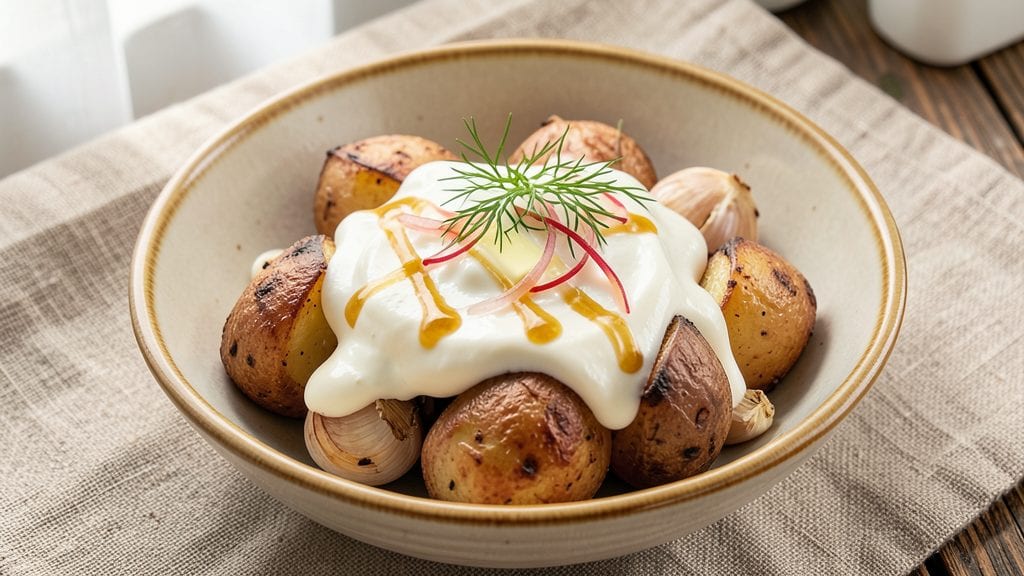
This potato sour cream recipe transforms humble potatoes into a velvety, restaurant-quality mash with a rich tang that elevates every bite.
The secret lies in blending perfectly cooked potatoes with high-quality sour cream and a touch of butter, creating a texture that's impossibly smooth yet still hearty enough to stand up as a main dish. I developed this method after years of testing—no lumps, no graininess, just pure, velvety comfort.
The process begins with sautéing onions and garlic to build flavor before boiling the potatoes until fork-tender. This ensures they break down smoothly when mashed, while the sour cream adds that signature tangy richness without overpowering the potato's natural sweetness.
The result is a creamy, foolproof side that pairs perfectly with roasted meats or stands alone as a satisfying dish.
What makes this recipe truly special is how it balances simplicity with professional results. No fancy techniques—just precise steps that guarantee creamy, lump-free perfection every time.
The sour cream's acidity cuts through the richness, creating a harmonious flavor that's both comforting and refined. Once you try this version, store-bought mashed potatoes won't compare.
Serve this velvety mash alongside your favorite entrees or as a standalone dish for a cozy meal. The technique scales easily for crowds, making it ideal for holidays or family gatherings. Let's get started on creating this creamy, tangy masterpiece that will become your new go-to side dish.
Ingredients for potato sour cream
Nine simple ingredients transform basic potatoes into velvety, tangy perfection that beats store-bought every time.
| Ingredient | Amount | Notes |
|---|---|---|
| Russet Potatoes 🥔 | 2 lbs | Peeled, cut into even chunks |
| Yellow Onion 🧅 | 1 whole | Medium size, finely diced |
| Garlic Cloves 🧄 | 3 cloves | Peeled, minced for depth |
| Unsalted Butter 🧈 | ½ cup | Cold, cut into small cubes |
| Full-Fat Sour Cream 🥛 | 1 cup | Room temperature, high quality |
| Heavy Cream 🥛 | ¼ cup | For extra richness |
| Diamond Crystal Kosher Salt 🧂 | 1 ½ tsp | Adjust to taste |
| Freshly Ground Black Pepper 🌶️ | ½ tsp | For finishing touch |
| Extra-Virgin Olive Oil 🫒 | 1 tbsp | For sautéing onions |
| Fresh Chives 🌿 | 2 tbsp | Chopped, for garnish |
| Whole Milk 🥛 | ¼ cup | Optional, for creaminess |
The potatoes are non-negotiable—Russets break down perfectly for that creamy texture. Grab a 2-pound bag from the grocery store's produce section, but skip the pre-washed kind (they dry out faster). For the sour cream, full-fat is key—it gives that signature tang without curdling. I always reach for Trader Joe's organic because it's consistently rich, but any high-quality brand works. The butter should be cold when you add it—this keeps the mash from getting too warm and separating. If you're feeling fancy, European-style butter like Plugrá adds a nutty depth.
No sour cream? Greek yogurt works in a pinch, but it'll be tangier—balance with extra milk. Short on butter? Olive oil at half the amount keeps things creamy, though the flavor shifts slightly. The onions and garlic are flavor anchors—don't skip the sautéing. If you're in a rush, microwave the diced onion for 2 minutes first to soften it faster. The chives? Fresh is best, but dried chives at one-third the amount will do if you're out. For extra decadence, add a splash of cream cheese with the sour cream—it melts right in.
This mash reheats beautifully—just warm with a splash of milk or cream over low heat. Keeps 3-4 days in the fridge, though it's best fresh. For leftovers, cover with plastic wrap pressed directly on the surface to prevent a skin from forming. Freezes for up to 3 months if you portion it into airtight containers. Pro tip: Add a pinch of salt to the boiling water—it helps the potatoes cook faster and keeps them from turning gluey. The extra-virgin olive oil? Use the good stuff—California or Italian varieties add a fruity note that pairs perfectly with the sour cream's tang.
Why You'll Love This Recipe
- One-Pot Magic: I swear by this recipe when I’m too tired to wash extra dishes—just peel, dice, and roast. The onions caramelize right in the pan while the potatoes soften, and by the time you stir in that cool, tangy sour cream, you’ve got a creamy, dreamy side with zero cleanup.
- Creamy Crisp Contrast: That crispy potato edge with the ultra-smooth sour cream center? It’s the best of both worlds. The butter and garlic melt into the potatoes, while the sour cream adds a bright, velvety finish that makes every bite feel like a little comfort hug.
- Leftovers That Beg for Seconds: Between us, this dish tastes better the next day. The flavors meld even more, and it’s perfect for meal prep—just reheat and serve. I’ve sent this to potlucks, game days, and even my mom’s dinner table, and it’s always the first to disappear.
- Budget-Friendly Luxury: Russets and onions are cheap, but this tastes like a fancy restaurant side. Full-fat sour cream makes it rich without breaking the bank, and a single batch stretches across breakfasts (as a loaded potato bowl) or dinners (as a creamy mash) for days.
Step-by-step instructions for potato sour cream mash
This technique delivers restaurant-quality creaminess with a perfect tangy finish.
Parboil the Potatoes for Fluffy Texture
Place the 2 lbs russet potatoes in a large pot and cover with cold water by 2 inches. Add 1½ tsp diamond crystal kosher salt and bring to a rolling boil over high heat. Once boiling, reduce to medium-high and cook for exactly 12 minutes. You'll see the potatoes float to the surface when they're ready.
This short cooking time preserves their shape while partially cooking them through. Drain immediately and return them to the pot. Here's the thing—don't skip this parboiling step. It prevents the potatoes from turning gummy and ensures that final velvety consistency we're after.
Sauté Aromatics for Depth of Flavor
While the potatoes steam, heat 1 tbsp extra-virgin olive oil in a large skillet over medium heat. Add the finely diced 1 whole yellow onion and cook for 5 minutes until softened and translucent. Add the 3 minced garlic cloves and cook for another 30 seconds until fragrant but not browned.
This aromatic base forms the flavor foundation of your mash. The onions should be completely tender but not caramelized—you want them to disappear into the potatoes rather than dominate the dish. Keep the heat steady to prevent burning the garlic, which would make the whole dish bitter.
Mash Potatoes with Butter and Cream
Using a potato masher or ricer, break up the parboiled potatoes in their pot. Add the ½ cup cold unsalted butter cut into small cubes and the ¼ cup heavy cream. Mash until completely smooth, scraping the bottom of the pot frequently to incorporate any dry bits. The mixture should be thick but still have some body.
This is where the magic happens—the butter and cream create that luxurious, creamy texture we're aiming for. Don't overwork the potatoes or they'll turn gluey. You want a smooth, velvety consistency that still has some resistance when pressed. If it looks too thick, add the ¼ cup whole milk 1 tablespoon at a time until you reach the perfect creaminess.
Fold in Sour Cream for Tangy Richness
Remove the pot from heat and gently fold in the 1 cup room-temperature full-fat sour cream using a wooden spoon. The heat from the potatoes will warm the sour cream slightly, creating a perfect marriage of creamy and tangy flavors. Add the sautéed onion and garlic mixture and stir to combine completely.
Here's the crucial part—folding gently prevents the sour cream from curdling. You'll know it's perfect when the mash has that signature velvety sheen and just a hint of tang. Taste and adjust seasoning with additional salt or pepper if needed. The mash should be rich but not overly salty—you want the flavors to complement rather than overpower each other.
Finish and Garnish for Presentation
Transfer the mash to a serving bowl and let it sit for 2-3 minutes to thicken slightly. This resting period allows the flavors to meld completely. Garnish with the 2 tbsp chopped fresh chives just before serving to add a fresh, bright contrast to the rich potatoes.
The final product should be luxuriously creamy with just the right amount of tang from the sour cream. Each bite should deliver that perfect balance of buttery richness, creamy texture, and subtle onion-garlic depth. Serve immediately while hot—this dish doesn't wait for leftovers.
Pro Tips For Making Potato Sour Cream
- CUT POTATOES EVENLY: Russets are stubborn—uneven slices mean some burn, others turn to mush. Use a mandoline (or a sharp knife + cutting board guide) for ¼-inch slices. I learned this the hard way after pulling out one perfect side and three sad, lumpy ones.
- SWEAT ONIONS LOW: Don’t rush the onions—cook them on medium-low with a splash of water for 8–10 minutes until translucent. High heat caramelizes them too fast, and you’ll taste bitterness in every bite. (Yes, even if you’re impatient like me.)
- MASH POTATOES DRY: Drain the potatoes completely after boiling, then let them sit in a colander for 2–3 minutes. No one likes gummy mashed potatoes, and excess moisture turns your creamy sour cream sauce into a sad, watery glop.
- TEMPER THE SOUR CREAM: Warm the sour cream slowly—just a tablespoon at a time mixed into the hot potatoes. Dumping cold sour cream into hot spuds curdles it faster than you can say “disaster.” (I’ve seen it happen.)
Serving suggestions for this dish
Protein Pairings
This velvety mash pairs beautifully with hearty proteins that stand up to its rich tang. I love serving it alongside slow-cooked pot roast—the deep, savory flavors cut through the creaminess perfectly. For a lighter option, grilled chicken breast with lemon-herb marinade balances the dish without overpowering it. 💛
Vegetable Sides
Bright, crisp vegetables balance the richness of the sour cream mash. Roasted asparagus with lemon zest and sautéed green beans with garlic add freshness. For a heartier option, creamed spinach with a touch of nutmeg complements the tangy notes beautifully. Serve these alongside to create a well-rounded plate.
Bread Pairings
Crusty bread is essential for soaking up any extra sauce. A freshly baked baguette with herb butter is my go-to—just slice it warm and let guests spread it with the mash.
For a more decadent option, garlic bread with melted mozzarella adds a cheesy contrast that pairs wonderfully with the tangy potatoes.
Dinner Party Elevations
For special occasions, elevate this dish with crispy fried shallots scattered on top before serving. A drizzle of truffle oil (just ½ teaspoon) adds a luxurious touch that impresses guests. Garnish with edible flowers or microgreens for a restaurant-worthy presentation that keeps the focus on the creamy, tangy mash.
Breakfast Adaptations
This mash isn’t just for dinner—it’s perfect for breakfast too! Serve it with crispy bacon and scrambled eggs for a hearty weekend brunch. The tangy flavor balances the richness of the eggs, while the bacon adds a smoky contrast.
Top with chopped chives and a sprinkle of fresh dill for a fresh, bright finish.
Holiday Serving Ideas
For holiday gatherings, serve this mash in a preheated cast-iron skillet and let guests help themselves. Pair it with roasted turkey, honey-glazed ham, or beef tenderloin for a showstopping centerpiece. Garnish with pumpkin seeds or crushed pistachios for a festive touch that adds texture and crunch. ✨
Nutrition facts
Frequently asked questions
Why does this recipe use parboiling instead of boiling potatoes whole?
Parboiling for just 12 minutes creates the perfect texture—it keeps the potatoes firm enough to mash smoothly while preventing that gluey, overcooked consistency. This method also helps the skin slip off easily if you're not peeling. The short cook time preserves starches that create that velvety finish when mashed with butter and cream.
Can I make this recipe ahead of time for a dinner party?
Yes! Prepare the mash up to 2 days ahead and refrigerate in an airtight container. Reheat gently with a splash of milk or cream over low heat until warmed through. For best results, add a dollop of extra sour cream when reheating to restore that tangy richness. The flavors actually develop better overnight!
What if my mash turns out too thick or too thin?
For thick mash, stir in 1 tablespoon warm milk at a time until creamy. If too thin, mash in an extra 1 tablespoon cold butter (cut into small cubes) to bind it. The key is working with room-temperature sour cream and butter—they blend better than cold ingredients. Never add flour or cornstarch to this recipe!
How do I prevent the sour cream from curdling?
Always fold in the sour cream off the heat using a wooden spoon. The potatoes should be warm (not hot) when mixing, and the sour cream must be room temperature. Never microwave the sour cream—this breaks down its proteins and causes separation. If you accidentally add hot mash, stir in a bit of cold butter to stabilize it.
What's the best way to reheat leftovers?
Transfer portions to a microwave-safe bowl and cover loosely with a damp paper towel. Heat on 50% power for 1-2 minutes, stirring halfway. For stovetop reheating, warm in a saucepan with 2 tablespoons milk or cream over low heat, stirring constantly until creamy. Avoid high heat—it can make the mash dry out.