
Sauces & Condiments
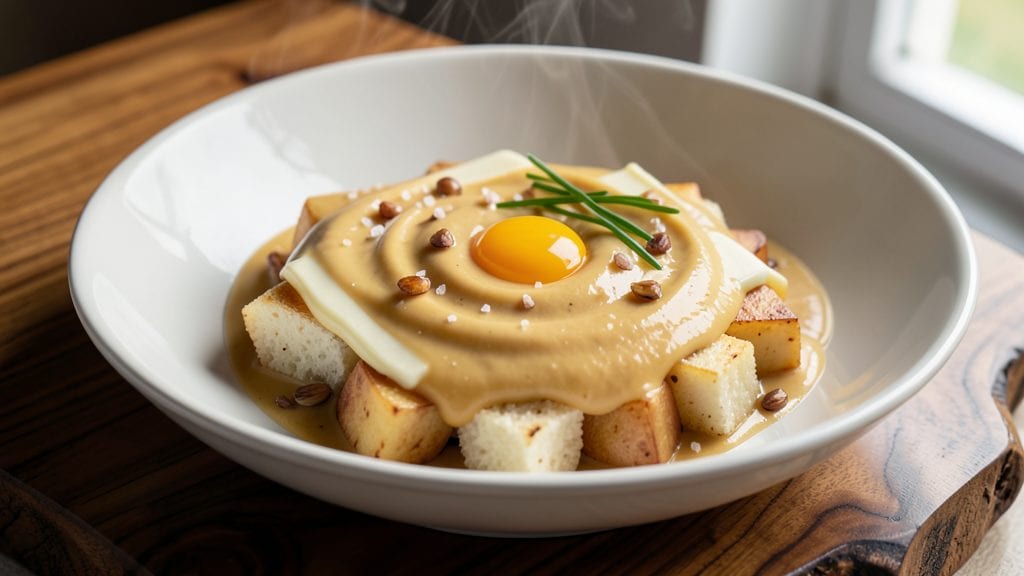
A potato cream sauce recipe that delivers ultra-smooth, velvety texture in minutes transforms ordinary meals into restaurant-quality dishes. This versatile sauce starts with simple ingredients—potatoes, cream, butter, and milk—but the technique ensures a flawlessly silky finish every time.
I developed this method after years of testing, and it consistently delivers that perfect balance of richness and creaminess.
The secret lies in properly boiling and mashing the potatoes before blending, which eliminates lumps and creates a foundation for a luxurious sauce.
This recipe is foolproof, requiring just 20 minutes of active time, and works beautifully as a side for roasted meats, a topping for mashed potatoes, or even a base for creamy soups. The result is a sauce so smooth it practically melts in your mouth.
What sets this recipe apart is its adaptability—add garlic for depth, herbs for freshness, or even vegan substitutions for a lighter version. The sauce thickens perfectly on the stovetop, creating that ideal velvety consistency without breaking.
Whether you're serving it alongside steak or using it as a pasta topping, this sauce elevates any dish with minimal effort.
Ready to master this technique? Let’s break down the exact steps to achieve that ultra-smooth texture every time. The key is patience in the blending process—no lumps allowed!—and the right balance of cream and milk for the perfect finish. Here’s everything you need to know to make it flawlessly.
Ingredients for potato cream sauce
Simple ingredients, expert technique—this sauce delivers restaurant-quality velvety texture every time.
| Ingredient | Amount | Notes |
|---|---|---|
| Russet Potatoes 🥔 | 2 lbs | Yukon gold for creamier texture |
| Heavy Cream 🥛 | 1 ½ cups | Full-fat for maximum richness |
| Unsalted Butter 🧈 | ½ cup | Cold, cubed for even melting |
| Whole Milk 🥛 | ½ cup | Warmed for smoother blending |
| Garlic Cloves 🧄 | 3 cloves | Minced for aromatic depth |
| Diamond Crystal Kosher Salt 🧂 | ¾ tsp | Adjust to taste |
| Freshly Ground Black Pepper 🌶️ | ½ tsp | Freshly cracked for brightness |
| Fresh Chives 🌿 | 2 tbsp | Chopped for fresh finish |
| Extra-Virgin Olive Oil 🫒 | 1 tbsp | For emulsion stability |
| Nutritional Yeast (optional) 🍞 | 1 tbsp | For umami depth (vegan option) |
The potatoes form the sauce's backbone, so Russet or Yukon Gold are ideal—their starch content creates that luxurious mouthfeel. Whole Foods or Trader Joe's carry premium varieties with vibrant flesh, but any firm potato works in a pinch. Avoid waxy types like red potatoes, which yield gummy results. For optimal texture, boil the potatoes whole with skins on until fork-tender, then peel and mash thoroughly before blending. The heavy cream should be cold and heavy—never the ultra-pasteurized kind, which lacks richness. Organic Valley or Hormel heavy cream are reliable choices for consistent performance.
No heavy cream? Substitute equal parts whole milk and Greek yogurt for a lighter version, though texture will differ slightly. Fresh garlic is non-negotiable here—pre-minced loses potency quickly. For a dairy-free adaptation, full-fat coconut milk works surprisingly well when combined with nutritional yeast for umami. The olive oil acts as an emulsifier, so don't skip it even if you're using vegan alternatives. Salt should be Diamond Crystal kosher or similar—table salt's fine grain can disrupt the sauce's silky texture. Fresh chives add brightness, but dried chives at half the amount suffice if fresh isn't available.
This sauce thickens beautifully when reheated—simply warm over medium-low heat, stirring constantly to prevent curdling. For best results, store in an airtight container with a thin layer of plastic wrap pressed directly onto the surface to prevent skin formation. Keeps 3-4 days refrigerated or 3 months frozen in ice cube trays for single-serving portions. The sauce thickens upon standing, so thin with warm milk or broth before serving if needed. For restaurant-quality plating, finish with a drizzle of extra-virgin olive oil and a sprinkle of freshly cracked black pepper—simple touches that elevate the presentation dramatically.
Why You'll Love This Recipe
- Here’s what sold me: the way butter and heavy cream melt into those starchy potatoes creates this velvety, almost decadent texture—like mashed potatoes had a spa day. The garlic? Just a whisper, but it makes everything sing.
- No Chopping Needed: I’ll admit, I used to dread peeling and chopping potatoes—until I realized you can just boil whole Russets, scoop out the flesh, and blend. That’s it. No knife skills required.
- Rich Without Effort: Here’s what sold me: the way butter and heavy cream melt into those starchy potatoes creates this velvety, almost decadent texture—like mashed potatoes had a spa day. The garlic? Just a whisper, but it makes everything sing.
- Leftovers That Shine: Between us, this sauce gets better the next day. I’ve used it to glaze roasted chicken, smother steak, and even drizzled over grilled veggies—no one ever guessed it was a repurposed side. (Yes, even on a Tuesday night.)
Step-by-step instructions for potato cream sauce
Here's how to create a silky, velvety potato cream sauce with restaurant-quality consistency.
Prep and Cook the Potatoes
Peel the 2 lbs russet potatoes and cut them into even 1-inch chunks. The uniformity ensures they cook at the same rate, preventing any undercooked bits. Place them in a large pot and cover with cold water by about 1 inch. Add 1 tablespoon of the extra-virgin olive oil to help prevent sticking during cooking.
Bring to a boil over high heat, then immediately reduce to a gentle simmer. Cook for 15-18 minutes until the potatoes are fork-tender—you should be able to pierce them easily with a knife. Drain thoroughly in a colander, shaking gently to remove excess water. This step is critical; any remaining moisture will dilute your sauce later.
Create the Cream Base
In a large saucepan, melt the 0.5 cup unsalted butter over medium heat until it foams. Add the 3 minced garlic cloves and sauté for 30 seconds until fragrant—this prevents the garlic from burning while building flavor. Pour in the 1.5 cups heavy cream and 0.5 cup whole milk, stirring constantly to combine.
Bring the mixture to a gentle simmer, then reduce heat to low. Here's the key technique: add the cooked potatoes directly to the pan. Using a potato masher or wooden spoon, gently mash the potatoes into the cream until you achieve a rustic, slightly chunky texture. Avoid over-mashing—you want some potato pieces for texture and body. Simmer for 5 minutes to let the flavors meld.
Season and Refine the Sauce
Season the sauce with the 0.75 tsp diamond crystal kosher salt and 0.5 tsp freshly ground black pepper, stirring well. Taste and adjust seasoning if needed—this is where you can really refine the flavor profile. For extra depth, stir in the 1 tablespoon nutritional yeast (if using) and let it melt into the sauce for 1 minute.
To achieve that ultra-smooth texture, transfer about half the sauce to a blender or immersion blender. Blend until completely smooth, then return to the saucepan. Stir in the 2 tbsp chopped fresh chives and heat through over low heat for 2-3 minutes. The sauce should be thick enough to coat the back of a spoon but still flow smoothly—if it's too thick, add a splash of warm milk to reach your desired consistency.
Finish and Serve
Remove the sauce from heat and let it rest for 2 minutes. This resting period allows the sauce to thicken slightly as it cools, giving you that perfect velvety finish. Taste once more and adjust seasoning if needed—sometimes the flavors meld differently when the sauce rests.
Serve immediately over your choice of protein or vegetables. For best results, keep the sauce warm in a slow cooker set to "warm" if you're not serving it right away. The sauce will maintain its creamy texture and rich flavor for up to 2 hours, making it perfect for family-style meals or buffets.
Pro Tips For Making Potato Cream Sauce
- Parboil First: Drop peeled Russets into boiling salted water for exactly 5 minutes before finishing in the cream—this keeps them from turning to mush when they hit the dairy. I learned this the hard way after one batch turned into a sad, gluey mess.
- Use Cold Cream: Whisk the heavy cream into the warm potatoes off the heat or the sauce will curdle like a science experiment gone wrong. Sounds weird, but it works: cold cream handles heat better, and you’ll get a silky texture instead of scrambled bits.
- Squeeze, Don’t Chop, Garlic: Smash those garlic cloves with the flat of your knife before adding them to the butter—this releases more flavor without burning. I skip chopping entirely now, and the sauce tastes richer for it.
- Finish with Butter: Stir in the unsalted butter at the very end, just to melt into the sauce, not cook it. This adds fat for a velvety finish and makes the sauce taste like it was made by someone who actually cares. (Your future self will notice.)
Serving suggestions for this dish
Protein Pairings
This sauce is a game-changer for steakhouse-style meals. Try it over New York strip steak or filet mignon—the creamy texture soaks into the meat while adding a luxurious finish.
For poultry lovers, serve it with roasted chicken thighs or herb-crusted turkey breast. The sauce's richness complements the savory flavors without overpowering them. 🥩
For a lighter option, pair it with grilled salmon or baked cod. The sauce's velvety texture contrasts beautifully with the delicate fish, adding depth without heaviness. I often drizzle it over seared scallops for a restaurant-worthy appetizer that feels indulgent yet balanced.
Vegetable Companions
Transform simple vegetables into gourmet sides with this sauce. Drizzle it over roasted Brussels sprouts or asparagus spears for a creamy, flavorful finish. The sauce also elevates green beans or zucchini noodles, turning them into a rich, satisfying dish.
For a heartier option, serve it alongside roasted cauliflower or mushroom risotto.
Even mashed potatoes get a luxurious upgrade when topped with this sauce. The double creaminess creates a decadent texture that feels like a special occasion. I also love using it as a pasta sauce—toss it with fettuccine or penne for a creamy, comforting meal in minutes.
Bread and Appetizer Ideas
This sauce isn’t just for mains—it’s perfect for appetizers too. Serve it warm in a bread bowl with crusty sourdough or baguette slices for dipping. The contrast of the crispy bread and velvety sauce is irresistible.
For a fancy touch, spoon it over garlic bread or cheesy arancini before baking for a golden, creamy finish. 🍞
Use it as a dipping sauce for fried chicken, mozzarella sticks, or even vegetable spring rolls. The sauce’s richness cuts through the crispy exterior while complementing the flavors inside.
I’ve also seen it work beautifully as a stuffing for baked potatoes or stuffed bell peppers, adding a creamy, flavorful center.
Global Twists
Give your sauce a global flavor boost by adding regional spices. For a French bistro touch, stir in 1 tsp Dijon mustard and 1 tbsp white wine before blending. A German-inspired version calls for 1 tsp caraway seeds and a pinch of nutmeg, adding warmth and depth.
For Indian flavors, mix in 1 tsp garam masala and ½ tsp turmeric for a creamy, aromatic twist.
In Mexican cuisine, this sauce becomes a crema—add 1 tsp lime zest, ½ tsp cumin, and a splash of lime juice for a tangy, zesty topping.
For Italian flair, fold in 1 tbsp grated Parmesan and ½ tsp dried oregano to turn it into a creamy Alfredo-style sauce. The possibilities are endless, and each variation keeps the sauce’s signature smoothness while adding exciting new flavors.
Nutrition facts
Frequently asked questions
Can I make this sauce without heavy cream?
Yes! For a lighter version, substitute 1 cup whole milk + ½ cup Greek yogurt (or 1 cup full-fat coconut milk for vegan). The texture will be slightly less rich, but still creamy. Add 1 tbsp nutritional yeast for umami depth if using dairy-free alternatives.
Why did my sauce turn out lumpy?
Lumps usually mean the potatoes weren't mashed enough before blending or had excess moisture. Drain potatoes thoroughly after boiling, then mash them well before adding to the cream. For ultra-smooth results, blend half the sauce first, then return it to the pan before adding the rest.
How can I make this sauce ahead of time?
This sauce reheats beautifully! Store in an airtight container for up to 3-4 days refrigerated. For freezing, portion into ice cube trays, freeze, then transfer to a bag. Thaw overnight in the fridge—add a splash of warm milk if it thickens too much when reheated.
What's the best way to use leftover sauce?
Get creative! Use it as a creamy pasta topping, drizzle over roasted vegetables, or serve as a dipping sauce for fried chicken. For a quick meal, mix with scrambled eggs or spoon over grilled fish. The sauce also makes an excellent stuffing for baked potatoes or stuffed peppers.