
Side Dishes
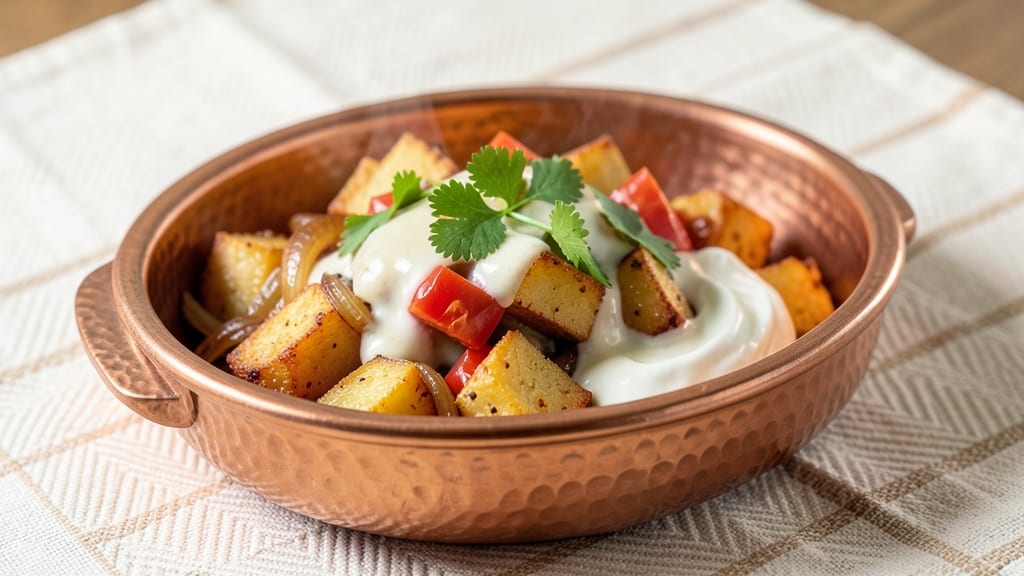
This potato kurma recipe brings the rich, velvety comfort of South Asian cuisine to your dinner table with every spoonful of spiced coconut milk and tender potatoes.
The aromatic blend of cumin, cardamom, and cinnamon transforms simple ingredients into a dish that feels like a warm embrace—perfect for pairing with rice or naan. I've refined this recipe over years of cooking, ensuring the gravy remains lusciously thick while keeping the potatoes perfectly soft yet intact.
The foundation of great potato kurma lies in slow-cooked onions and tomatoes, which form the flavorful base for the coconut milk sauce. Traditional techniques like toasting whole spices and simmering the mixture low and slow create depth that store-bought versions simply can't match.
What sets this apart is the balance—sweet from coconut milk, warmth from spices, and subtle tang from yogurt, all coming together in a harmonious symphony of flavors.
By the time you serve this dish, your kitchen will smell like a bustling South Asian restaurant, and every bite will deliver that velvety delight—creamy yet not overly rich, with potatoes that soak up the aromatic sauce without falling apart.
The dish stays warm for hours, making it ideal for gatherings or meal prep. Garnish with crispy fried onions or fresh cilantro for that restaurant-quality finish.
This recipe delivers professional results without requiring advanced techniques—just patience and attention to detail. The key is letting the spices bloom properly and simmering the sauce until it thickens naturally.
Whether you're serving it as a side or making it the star of the meal, this potato kurma will become a staple in your cooking rotation. Let's get started on creating this comforting classic.
Ingredients for potato kurma
Simple ingredients that transform into velvety, aromatic potato kurma perfection.
| Ingredient | Amount | Notes |
|---|---|---|
| Russet Potatoes 🥔 | 1 ½ lb | Medium size, peeled and cubed |
| Onions 🧅 | 1 whole | Yellow, finely chopped |
| Tomatoes 🍅 | 4 whole | Ripe, crushed by hand |
| Coconut Milk 🥥 | 1 can (13.5 oz) | Full-fat for creaminess |
| Plain Yogurt 🥛 | ½ cup | Full-fat preferred |
| Ghee 🧈 | 3 tbsp | Or substitute butter |
| Cumin Seeds 🌿 | 1 tsp | Toasted lightly |
| Cardamom Pods 🌿 | 4 whole | Lightly crushed |
| Cinnamon Sticks 🌿 | 2 whole | Broken into pieces |
| Ground Turmeric 🌶️ | ½ tsp | Freshly ground preferred |
| Ground Coriander 🌿 | 1 tsp | Freshly ground preferred |
| Salt 🧂 | 1 tsp | Adjust to taste |
| Fresh Cilantro 🌿 | ¼ cup | Chopped for garnish |
| Fried Onions 🧅 | ¼ cup | For garnish (optional) |
| Water 💧 | 1 cup | For simmering |
The potatoes are the star here, so pick firm, medium-sized russets—they hold their shape beautifully. For the onions and tomatoes, fresh is non-negotiable. Hit up the produce section early in the week when they're at their peak. The coconut milk? Full-fat canned is best—the cheaper versions with water mixed in just don't cut it. I grab mine from Trader Joe's or Costco for the best quality. As for spices, whole cardamom and cinnamon give that authentic restaurant aroma—don't use ground versions here. Toast your cumin seeds in a dry pan for 30 seconds until fragrant; that little step makes all the difference.
No fresh cilantro? Dried oregano at half the amount works in a pinch, though it won't be the same. Running low on coconut milk? Substitute with heavy cream plus 1 tbsp sugar, but the texture will be lighter. The yogurt adds that perfect tang—Greek yogurt works too if you're avoiding dairy. For the tomatoes, if you can't find ripe ones, roasted tomatoes from a jar save the day. The fried onions? I make mine by thinly slicing onions and frying in ghee until crispy—about 10 minutes. No time? Store-bought works fine, just skip the extra salt in the recipe since they're already seasoned.
This kurma tastes even better the next day as the flavors meld. Store leftovers in an airtight container in the fridge for 4-5 days. For longer storage, freeze portions for up to 3 months. The sauce thickens as it cools, so add a splash of water when reheating if it seems too stiff. I like to make a double batch—it disappears fast at family gatherings. Garnish with those crispy fried onions right before serving; they add that restaurant-quality crunch that makes it feel special.
Why You'll Love This Recipe
- One-Pot Wonder: I swear by this recipe—just toss everything in one pot, and the coconut milk and yogurt do all the work while you stir. No fancy techniques, no last-minute grocery runs; the russets soften perfectly without falling apart.
- Creamy Without Guilt: That velvety coconut-yogurt sauce? It’s rich but light, thanks to the tomatoes and onions caramelizing first. Honestly, it’s the kind of comfort food that feels indulgent but won’t leave you sluggish afterward.
- Leftover Hero: Between us, this dish begs to be made in bulk. The flavors actually deepen overnight, and reheating it the next day? Still creamy, still delicious—just add a splash of water if it’s too thick. My lunchbox’s new best friend.
- Budget Stretch: Russets are cheap, coconut milk is a pantry staple, and onions/tomatoes last forever. I’ll be real: this feeds four for under $8, and the leftovers stretch into a second dinner or a lazy weekend brunch. No waste, all flavor.
Step-by-step instructions for potato kurma recipe
Here's how to make this creamy, spiced potato dish that's rich with coconut milk and aromatic spices.
Prepare the Potatoes and Aromatics
Start by peeling and cutting the 1.5 lb russet potatoes into even 1-inch cubes. The smaller and more uniform the pieces, the faster and more evenly they'll cook. Place them in a large pot with the 1 cup water and bring to a boil over medium-high heat. Cook for about 8-10 minutes until the potatoes are fork-tender but not falling apart.
While the potatoes cook, finely chop the 1 whole onion. Crush the 4 whole cardamom pods and break the 2 whole cinnamon sticks into 1-inch pieces. These whole spices will infuse the dish with their warm, aromatic flavors without needing to be removed later. Keep them handy—they'll go in next.
Toast the Spices and Build the Base
In a large, heavy-bottomed pot, heat the 3 tbsp ghee over medium heat until it shimmers. Add the 1 tsp cumin seeds and toast for 30 seconds until they begin to sizzle and release their aroma. This step is crucial—it deepens the flavor of the dish.
Add the chopped onions and cook for 5-6 minutes until they turn golden brown and soft. You'll see the onions release their moisture and caramelize, creating a rich base for the curry. Now add the crushed cardamom and cinnamon sticks, stirring for 30 seconds to toast them lightly and release their essential oils.
Add Tomatoes and Spices
Pour in the crushed 4 whole tomatoes and cook for 5-6 minutes until they soften and break down into the onion mixture. This step develops the base flavor of the curry. Stir in the 0.5 tsp ground turmeric, 1 tsp ground coriander, and 1 tsp salt, mixing well to distribute the spices evenly.
Cook for another 2-3 minutes until the raw smell of the spices disappears and the mixture becomes fragrant. This is your signal that the spices are properly toasted and ready to meld with the other ingredients. The mixture should be thick and oil-rich at this point.
Combine and Simmer
Drain the cooked potatoes and add them to the spiced onion-tomato mixture. Pour in the 1 can (13.5 oz) coconut milk and the 0.5 cup plain yogurt, stirring gently to combine. The yogurt will help balance the richness of the coconut milk and add a subtle tang.
Bring the mixture to a gentle simmer over medium-low heat. Let it cook uncovered for 15-20 minutes, stirring occasionally, until the potatoes are fully tender and the sauce has thickened to a velvety consistency. You'll know it's ready when the sauce coats the back of a spoon and the potatoes are completely cooked through.
Finish and Garnish
Once the curry reaches the perfect consistency, remove it from heat. Taste and adjust the seasoning with additional salt if needed. The dish should be rich, aromatic, and well-balanced with a hint of spice.
Garnish with the 0.25 cup chopped fresh cilantro and, if using, the 0.25 cup fried onions. Serve the potato kurma hot with steamed basmati rice or warm naan bread. The fried onions add a delightful crunch that contrasts beautifully with the creamy curry.
Pro Tips For Making Potato Kurma
- Parboil Potatoes First: Russets break like overcooked pasta if you toss them straight into the kurma. Boil them whole in salted water for 5 minutes—just until a knife slips in easily—then peel and slice. This keeps them from turning to mush when the coconut milk gets heavy.
- Sauté Onions Until Golden: I used to rush this step, and the dish always tasted flat. Cook the onions on medium-low heat for 10-12 minutes until they’re deep golden, almost caramelized. That’s where the flavor lives—don’t skimp.
- Temper Yogurt Slowly: Dumping cold yogurt into hot oil will curdle it faster than you can say "disaster." Warm the yogurt slightly (just until it’s room temp) before adding it to the pan. Stir constantly—this keeps the sauce creamy, not lumpy.
- Simmer Low and Long: Potato kurma isn’t a race. After adding coconut milk, reduce heat to the lowest setting and let it bubble gently for at least 20 minutes. This lets the flavors meld and the potatoes absorb the sauce without falling apart. (Yes, even if you’re impatient like me.)
Flavor customization for this dish
Spice Level Control
Adjust the heat to your preference by controlling the spices. For a mild version, reduce the ground coriander to ½ tsp and omit the red chili powder entirely. If you love heat, add ½ tsp cayenne pepper or 1 tsp Kashmiri chili powder—it adds color too!
I like toasting ½ tsp mustard seeds with the cumin for a subtle kick without overpowering the dish. 🌶️
Sweet-Tangy Balance
Add a sweet note by stirring in 1 tbsp honey or 1 tsp jaggery during the final simmer. For tang, increase the yogurt to ¾ cup or add 1 tbsp lemon juice at the end.
I once added ½ tsp tamarind paste for a complex depth that elevated the dish—it’s a secret weapon in South Indian cooking.
Creamy Variations
For a lighter version, replace half the coconut milk with cashew cream (blend ½ cup soaked cashews with ½ cup water). For extra richness, stir in 2 tbsp heavy cream at the end.
I’ve also swapped coconut milk for almond milk in a pinch, though the flavor shifts slightly—it’s still delicious but less authentic. 🥥
Protein Boost
Turn this into a one-pot meal by adding 1 cup cooked chickpeas or ½ lb shredded chicken during the final simmer. For a vegetarian twist, fold in ½ cup paneer cubes in the last 5 minutes so they melt slightly.
I’ve also added ½ cup lentils (like moong dal) for extra heartiness—just cook them separately first.
Herb Infusions
Brighten the dish with fresh herbs. Stir in 2 tbsp chopped mint or 1 tbsp fenugreek leaves (kasuri methi) at the end for an authentic touch. For a modern twist, add 1 tbsp fresh basil or thyme—they pair surprisingly well with the coconut and spices.
I keep a small pot of fresh cilantro and mint on hand just for this purpose.
Texture Contrast
Add crunch with toasted coconut flakes or crushed peanuts as garnish. For a smoky flavor, sprinkle ½ tsp smoked paprika over the top before serving. I once added crispy fried shallots instead of onions—they brought a whole new dimension to the dish. 💡
Nutrition facts
Frequently asked questions about potato kurma
Can I make potato kurma without coconut milk?
The traditional version relies on coconut milk for its creamy texture and richness, but you can substitute with 1 cup heavy cream plus 1 tbsp sugar for a similar consistency. For a lighter option, try cashew cream (blend ½ cup soaked cashews with ½ cup water)—it adds a nutty depth while keeping the dish vegetarian-friendly. The flavor will shift slightly but still deliver that comforting, velvety quality.
Why does my potato kurma turn out watery?
Watery kurma usually happens when the sauce isn't reduced enough or the potatoes release too much moisture. Simmer uncovered for 15-20 minutes on low heat to thicken the sauce naturally. If it's still thin, remove the lid and cook 5 more minutes, stirring occasionally. For extra thickness, mix 1 tbsp cornstarch with 2 tbsp water and stir it in at the end—just don't overdo it, or the sauce may become gluey.
What's the best way to store leftover potato kurma?
Store in an airtight container in the fridge for 4-5 days, where the flavors actually deepen and improve. For longer storage, freeze portions for up to 3 months. When reheating, add a splash of water or coconut milk to restore creaminess—microwaving in 30-second bursts prevents the sauce from breaking. The dish reheats beautifully, making it perfect for meal prep!
Can I use frozen potatoes instead of fresh?
Fresh potatoes are ideal because they hold their shape better, but frozen will work in a pinch. Thaw them first, then pat dry thoroughly to prevent excess moisture from diluting your sauce. For best results, parboil them for 5 minutes less than fresh potatoes (about 6-8 minutes) since they're already partially cooked. The texture won't be identical, but it'll still be delicious with that rich, spiced gravy.
How do I make this dish spicier?
Boost the heat by adding ½ tsp cayenne pepper or 1 tsp Kashmiri chili powder (which also adds vibrant color) when toasting the spices. For a smoky kick, include ½ tsp smoked paprika in the final garnish. Pro tip: Toast ½ tsp mustard seeds with the cumin—they add a subtle, complex heat that pairs perfectly with the coconut milk. Always taste as you go to avoid overpowering the dish.