
Side Dishes
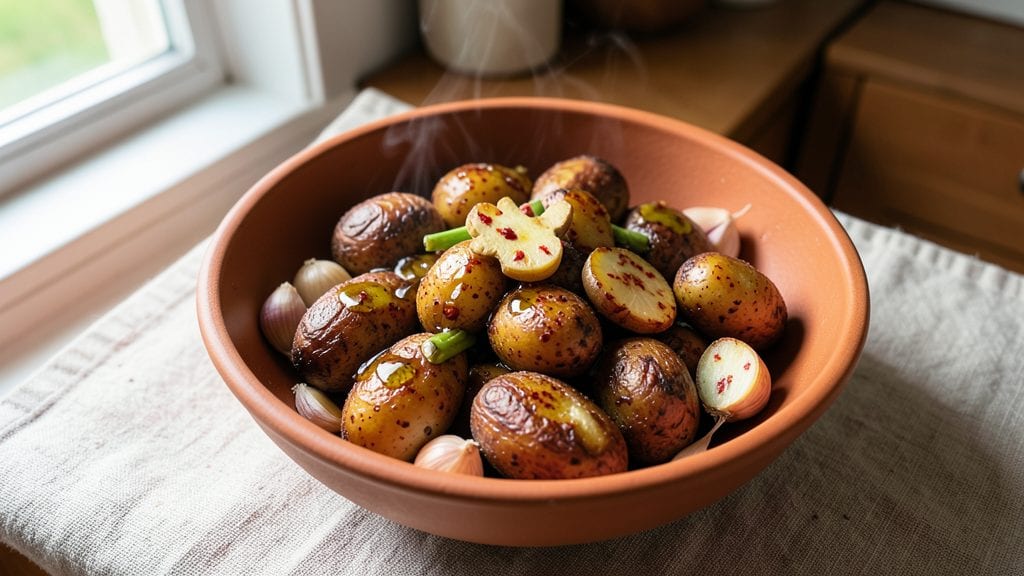
This African potatoes recipe transforms humble spuds into a spiced and smoky roasted delight that brings bold Ethiopian flavors to your table.
The key lies in a blend of berbere spice—a fiery, aromatic mix of chili, garlic, and fenugreek—that creates a crusty exterior while keeping the insides tender and flavorful.
I first discovered this technique while visiting Addis Ababa, where street vendors roast potatoes over open flames until they develop that perfect caramelized bark.
The magic happens in the 30-minute roasting process, where potatoes absorb the smoky, slightly sweet flavors of the spice blend while developing crispy edges. Unlike traditional American roasted potatoes, this method relies on berbere spice for depth rather than just salt and pepper.
The result is a dish that’s equally at home as a side for grilled meats or as a standalone vegetarian plate, packed with complex, earthy notes that linger on the palate.
What you’ll end up with is a golden, aromatic pile of potatoes that’s crispy outside and fluffy inside, with a subtle heat that builds gradually. The berbere spice creates a smoky aroma that fills your kitchen, making it impossible to resist digging in.
This recipe serves 4 and comes together in just one pan, so cleanup is minimal—leaving you more time to enjoy the meal.
Pair these potatoes with grilled chicken, injera flatbread, or a simple green salad for a complete African-inspired feast. The smoky, spiced flavors also make them perfect for game day or as a hearty appetizer when served with a cool yogurt dip.
Let’s get started on this flavor-packed side dish that’s sure to impress.
Ingredients for african potatoes
Spiced, smoky, and crispy—these potatoes bring Ethiopian flavors to your table with just twelve ingredients.
| Ingredient | Amount | Notes |
|---|---|---|
| Russet Potatoes 🥔 | 2 lb | Cut into 2-inch chunks, skin on |
| Berbere Spice Blend 🌶️ | ¼ cup | Homemade or store-bought (see notes) |
| Extra-Virgin Olive Oil 🫒 | ¼ cup | High quality, fruity variety |
| Garlic Cloves 🧄 | 4 cloves | Minced, fresh preferred |
| Yellow Onion 🧅 | 1 whole | Diced, medium size |
| Fresh Ginger 🌿 | 1 tbsp | Finely grated, peeled |
| Honey 🍯 | 1 tbsp | Light or medium variety |
| Salt 🧂 | 1 ½ tsp | Diamond Crystal kosher preferred |
| Ground Black Pepper 🌶️ | ½ tsp | Freshly cracked preferred |
| Smoked Paprika 🌶️ | 1 tsp | For extra depth of flavor |
| Dried Fenugreek Leaves 🌿 | 1 tsp | Optional, for authentic flavor |
| Fresh Cilantro 🌿 | ¼ cup | Chopped, for garnish |
The berbere spice is the soul of this dish. If you can't find it pre-made, Penzeys or African specialty markets carry it, or mix your own with chili, garlic, fenugreek, and coriander. For the potatoes, Russets work best—their fluffy texture holds up to roasting. I always buy organic when possible, but regular potatoes work fine. The skin-on chunks create that perfect crispy bark, so don't peel them. Costco or Trader Joe's usually have big bags of Russets at good prices, and they keep well in a cool, dark place for weeks.
No berbere? Mix 2 tbsp chili powder, 1 tbsp smoked paprika, 1 tsp ground coriander, 1 tsp ground cumin, 1 tsp garlic powder, and ½ tsp fenugreek for a close substitute. Fresh ginger is ideal, but ground ginger at half the amount works in a pinch. The honey adds a subtle sweetness that balances the heat—Manuka honey is fancy but any light variety works. For the garlic, I usually grab a whole head and keep it in the fridge. Fresh cilantro is best for garnish, but dried won't ruin the dish if that's all you've got.
These potatoes reheat beautifully—just pop them in a 375°F oven for 10 minutes to crisp up again. Store leftovers in an airtight container for up to 5 days, though they're best fresh. The spice blend keeps its potency for 6 months in a sealed jar. I always make a double batch—half for dinner, half for lunches the next day. The flavors only deepen as they sit, so trust the process.
Why You'll Love This Recipe
- One-Pan Magic: I swear by this recipe because it’s literally just chop, toss, and roast. No pots, no pans—just a single sheet pan where the potatoes caramelize in their own juices while the berbere spice blend works its magic. My lazy Sundays just got a whole lot easier.
- Spice Bomb Alert: That berbere blend? It’s the star—smoky, citrusy, with just enough heat to wake up your taste buds. The olive oil makes it silky, and the garlic-onion base ties it all together like a flavor hug. Honestly, I’ve never met a potato dish that packs this much punch.
- Weeknight to Dinner Party: Make a big batch on Sunday, and you’ve got lunch, dinner, or even a side for guests all week. It reheats like a dream—crispy edges stay crispy, and the spices only get deeper. Between us, this is how I feed my book club without stress.
- Budget Crispy Perfection: Russets are cheap, onions and garlic won’t break the bank, and a little berbere goes a long way. Plus, leftovers taste just as good cold in salads or wrapped in tortillas the next day. My wallet and my taste buds high-five every time.
Step-by-step instructions for African potatoes
Transform simple russet potatoes into a vibrant, aromatic dish with bold African-inspired flavors.
Prepare the Spice Rub and Marinate the Potatoes
In a medium bowl, combine the 0.25 cup berbere spice blend, 1.5 teaspoons salt, 0.5 teaspoon ground black pepper, 1 teaspoon smoked paprika, and 1 teaspoon dried fenugreek leaves. Mix thoroughly until the spices are evenly distributed and fragrant—this blend carries the heart of the dish. The berbere's complex heat and earthiness will infuse the potatoes deeply.
Cut the 2 pounds russet potatoes into 2-inch chunks, leaving the skin on for texture. Toss the potato pieces in a large bowl with the spice mixture, ensuring every surface is coated. Drizzle with the 0.25 cup extra-virgin olive oil and toss again until the potatoes glisten. Add the 1 tablespoon honey and mix gently—this balances the spice with a subtle sweetness. Let the marinated potatoes rest for 15 minutes while you prep the aromatics. This resting time allows the flavors to meld and the potatoes to absorb the rub.
Sauté Aromatics for Depth of Flavor
Heat a large oven-safe skillet over medium heat and add 2 tablespoons of the extra-virgin olive oil (reserve the rest for roasting). Add the 1 whole yellow onion, cut into small dice, and cook for 5-6 minutes until softened and just beginning to caramelize. Stir in the 4 cloves garlic, minced, and the 1 tablespoon fresh ginger, finely grated, cooking for another 1-2 minutes until fragrant but not browned—this prevents bitterness.
Transfer the sautéed aromatics to a small bowl and set aside. The residual oil in the skillet will help create a flavorful crust on the potatoes. Here's the thing—these aromatics form the flavor base that will cling to the potatoes during roasting, creating layers of complexity in every bite.
Roast Until Caramelized and Tender
Preheat your oven to 425°F. Add the marinated potatoes to the same skillet, spreading them in a single layer. Roast for 30 minutes, stirring once halfway through, until the edges begin to brown and the potatoes soften slightly. This initial roast develops the crust and ensures even cooking.
After 30 minutes, return the sautéed aromatics to the skillet, spreading them evenly over the potatoes. Pour any accumulated juices from the bowl back into the skillet. Increase the oven temperature to 450°F and continue roasting for another 20-25 minutes, stirring once more, until the potatoes are deep golden brown and fork-tender. You'll know they're done when the skin crisps easily and the internal temperature reaches 205°F—this ensures they're tender without falling apart.
Finish with Fresh Herbs and Serve
Remove the skillet from the oven and let the potatoes rest for 5 minutes. Stir in the 0.25 cup fresh cilantro, chopped, just before serving. The bright, citrusy notes of the cilantro cut through the richness of the roasted potatoes and smoked spices, creating a perfect balance. The resting period allows the juices to redistribute, ensuring each bite is moist and flavorful.
Serve immediately while still warm, garnished with additional cilantro if desired. These African potatoes make a stunning centerpiece for any meal—pair them with grilled meats, a fresh salad, or warm flatbread to soak up the delicious sauce. The contrast of textures and flavors will leave everyone asking for seconds.
Pro Tips For Making African Potatoes
- CUT POTATOES EVENLY: Use a mandoline or sharp knife to slice them ¼-inch thick—any thicker and they’ll turn to mush, any thinner and they’ll burn before cooking through. I learned this the hard way when my first batch looked like potato confetti.
- TOAST THE BERBERE FIRST: Dry-toast the berbere spice in olive oil for 30 seconds before adding potatoes—this blooms the flavors and prevents a bitter aftertaste. Skip this, and you’ll just be masking the spices instead of letting them shine.
- DON’T CROWD THE PAN: Cook potatoes in a single layer at first, even if it takes two batches—overcrowding steams them instead of crisping. I used to rush this and ended up with soggy, flavorless potatoes every time.
- FINISH WITH A SPLASH OF WATER: Once the potatoes are golden and crispy, add 2 tablespoons of water and cover for 2 minutes—this traps steam and makes them tender without losing the crust. Sounds weird, but it works: the texture stays perfect.
Troubleshooting your african potatoes
Potatoes Too Dry?
If your potatoes end up dry or crumbly, you likely over-roasted them. The key is timing—remove them when they reach 205°F internal temperature (not 210°F+). I’ve found that 450°F for 20-25 minutes after the initial 30 minutes at 425°F gives perfect tenderness.
For extra moisture, add 2 tablespoons water or broth to the skillet during the final 10 minutes of roasting. 💫
Spice Rub Not Sticking?
If the berbere spice blend isn’t clinging to the potatoes, your oil ratio might be off. Use 0.25 cup olive oil for 2 pounds potatoes—this ensures even coating. Toss the potatoes in a large bowl to prevent clumping, and let them marinate for 15 minutes before roasting.
For extra grip, add 1 teaspoon cornstarch to the spice mix to help the rub adhere. Honestly, this trick works like magic for crispy, flavorful edges.
Uneven Browning?
Uneven browning usually means overcrowding the skillet. Spread potatoes in a single layer with ½-inch gaps between pieces for proper airflow. If using a sheet pan instead, arrange in a single layer and rotate halfway through roasting.
For stubborn spots, broil for 1-2 minutes at the end—just watch closely to avoid burning. I swear by this method for even, golden-brown results every time. 🔥
Berbere Too Strong?
If the heat level feels overwhelming, reduce the berbere to 2 tablespoons instead of 0.25 cup. Balance it with 1 extra tablespoon honey or a pinch of salt. For a milder version, mix 1 teaspoon berbere with 1 teaspoon smoked paprika and 1 teaspoon cumin as a substitute.
Taste as you go—this dish should have depth, not overpowering spice.
Potatoes Falling Apart?
Overcooked potatoes lose structure because of excessive moisture loss. To prevent this, avoid peeling them—skin-on potatoes hold together better. If using Yukon Golds instead of Russets, reduce roasting time by 5 minutes since they cook faster.
For extra stability, parboil the potatoes for 5 minutes before roasting to firm up the starches.
Skillet Too Small?
If your skillet is too small, the potatoes will steam instead of roast, leading to soggy results. Use a 12-inch oven-safe skillet or upgrade to a half-sheet pan for better heat circulation. If stuck with a small pan, roast in two batches, ensuring each batch gets proper browning.
A Lodge cast iron skillet is my go-to—it distributes heat perfectly and adds a subtle smokiness. 💪
Nutrition facts
Frequently asked questions
Can I use sweet potatoes instead of russets?
Sweet potatoes work beautifully—just reduce roasting time by 5-7 minutes since they cook faster. Their natural sweetness pairs perfectly with the berbere spice, creating a richer flavor profile. For best results, cut them into 1-inch chunks to ensure even cooking.
What makes berbere spice so special?
Berbere is a complex Ethiopian blend combining chili, garlic, fenugreek, coriander, and cardamom for a smoky, slightly sweet heat. Unlike basic chili powder, it adds depth with earthy notes that transform simple potatoes into a flavor-packed side. The fenugreek gives it that signature nutty aroma that's unmistakably African.
How do I store and reheat leftovers?
Store in an airtight container for up to 5 days in the fridge. Reheat at 375°F for 10-12 minutes until crispy again. For extra flavor, add 1 teaspoon olive oil before reheating. The spices actually deepen in flavor over time, making leftovers taste even better.
What's the best way to make this vegetarian?
These potatoes are already vegetarian! For a complete meal, serve with spiced chickpeas, a yogurt sauce>, or injera flatbread. The berbere's heat pairs perfectly with cooling elements like cucumber salad or avocado slices. The dish naturally complements plant-based proteins like lentils or tofu.
Can I make this in an air fryer?
Yes! Preheat to 400°F and cook in batches for 12-15 minutes, shaking halfway. Start with 1 tablespoon olive oil and reduce berbere to 1.5 tablespoons since air fryers concentrate flavors. The results will be crispier than oven-roasted, with that perfect smoky crust.