
Side Dishes
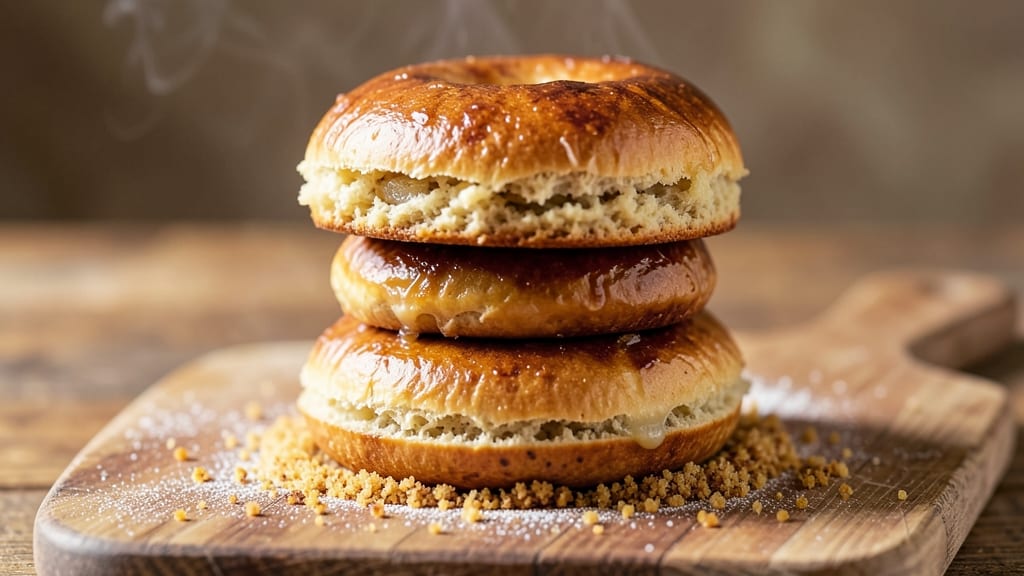
This potato hamburger buns recipe transforms humble potatoes into pillowy, golden buns with a buttery cornmeal crunch—perfect for elevating any burger, from classic beef to veggie patties. The secret lies in blending cooked potatoes with warm dough, creating a tender crumb that holds up to juicy fillings without falling apart.
I developed this recipe after years of experimenting with potato-based breads, and the difference in texture and flavor is undeniable.
The process is straightforward but requires patience: boiled potatoes are mashed and mixed with flour, yeast, and a touch of cornmeal for that signature crunch. Shaping the buns into classic rounds ensures they bake evenly, developing a crisp exterior and soft interior.
This method works equally well with traditional or plant-based burgers, making it a versatile addition to any meal.
By the time these buns emerge from the oven, you’ll have golden, aromatic buns with a delicate balance of buttery richness and subtle cornmeal bite. They’re ideal for sandwiches, sliders, or even toasted into crispy croutons.
The recipe scales easily, so you can make a batch for a crowd or freeze extras for later.
For an extra touch, brush the warm buns with melted butter or a sprinkle of flaky salt before serving. Pair them with your favorite burger toppings—lettuce, tomato, pickles, or even a drizzle of special sauce—for a meal that feels both comforting and refined. Let’s get baking!
Ingredients for potato hamburger buns
Potatoes, flour, and yeast—simple ingredients for buns with restaurant-style crunch.
| Ingredient | Amount | Notes |
|---|---|---|
| Russet Potatoes 🥔 | 3 lbs | Medium size, peeled and cubed |
| All-Purpose Flour 🌾 | 4 cups | Unbleached for best texture |
| Instant Yeast 🍞 | 2 ½ tsp | Single-use packet preferred |
| Granulated Sugar 🍚 | 1 tbsp | For yeast activation |
| Unsalted Butter 🧈 | ½ cup | Cold, cubed for dough |
| Cornmeal 🌽 | ¼ cup | Fine grind for crunch |
| Large Eggs 🥚 | 2 whole | Room temperature |
| Milk 🥛 | ½ cup | Warm, not hot |
| Salt 🧂 | 1 ½ tsp | Kosher or sea salt |
| Vegetable Oil 🫒 | 2 tbsp | For greasing buns |
| Flaky Sea Salt 🧂 | 1 tsp | For finishing |
The potatoes are the star here. Russet potatoes break down perfectly when boiled, giving that signature tender crumb. Buy them fresh—avoid those sprouting eyes in the back of the bin. I always grab mine from Whole Foods or Trader Joe's since they're usually the most consistent. Peeled and cubed evenly, they'll cook through without turning mushy. The cornmeal? Bob's Red Mill is my go-to—it's fine enough to get that perfect crunch without being too gritty. Don't skip the cold butter cubes in the dough; they create pockets that make these buns extra pillowy.
No cornmeal? Crushed cornflakes work in a pinch, but they won't give the same texture. Running short on butter? Vegan butter or coconut oil keeps it vegetarian-friendly. The yeast packet is non-negotiable—RapidRise or Fleischmann's both work great. For the milk, warm it to about 110°F (like a warm bath) to activate the yeast without killing it. The dough will be sticky, but that's normal—just don't overwork it or the buns will turn tough. If you're making these ahead, the dough can actually rest overnight in the fridge for even better flavor.
These buns are best fresh out of the oven, but they'll keep for 2 days in an airtight container at room temperature. For longer storage, freeze them unfrosted—they'll last 3 months. To reheat, wrap them in foil and warm in a 350°F oven for 5-10 minutes. Pro tip: brush the warm buns with melted butter right after baking—trust me on this. They're perfect for sliders, toasted into croutons, or even as a side for breakfast with jam. The leftovers? Toss them in a toaster for crispy croutons in seconds.
Why You'll Love This Recipe
- No Yeast Stress: I just toss in instant yeast and let it sit while I boil the potatoes—no waiting around for dough to rise. The potatoes handle all the heavy lifting, so you’re not stuck measuring flour to the gram or kneading until your arms give out.
- Taste Like a Bakery: That buttery, slightly crispy exterior with a soft, potato-infused center? It’s the kind of bun that makes you pause mid-bite. The flour gives structure, but the Russets add a subtle sweetness that keeps it from tasting like plain white bread.
- Tailored for Picnics: They’re sturdy enough to handle messy burgers or sandwiches without falling apart, yet light enough for a picnic basket. I’ve packed these in a cooler for tailgates, and they stayed fresh—no soggy bottoms in sight.
- Budget-Friendly Staple: Russets are cheap, and you only need a handful of other basics. I make a double batch, freeze half, and pull them out whenever I need a quick, filling side. They’re my go-to for stretching meals without breaking the bank.
Step-by-step instructions for soft potato hamburger buns
Here's how to make buns that'll make your burgers taste like they came from a classic diner.
Cook the Potato Base Until Tender
Start by boiling the 3 lbs of peeled and cubed russet potatoes in a pot of salted water until they're fork-tender, about 15-20 minutes. You'll know they're done when a knife slides in easily and the edges are just starting to break down.
Drain the potatoes well and let them cool slightly before transferring them to a food processor. This step is crucial because we want the potatoes to mash smoothly without turning into glue. I like to pulse them a few times until they're broken down into rough chunks—don't over-process or they'll turn to potato paste.
Mix the Dough with Warm Ingredients
In a large mixing bowl, combine the 4 cups of all-purpose flour, 2.5 teaspoons of instant yeast, 1 tablespoon of granulated sugar, and 1.5 teaspoons of salt. Whisk everything together to break up any lumps in the flour.
In a separate bowl, melt the 0.5 cup of unsalted butter and warm the 0.5 cup of milk until it's about 110°F—just warm to the touch but not hot. Add these to the dry ingredients along with the mashed potatoes and the 2 whole large eggs. Mix until you have a shaggy, sticky dough that comes together when pressed.
Knead and Add Cornmeal for Texture
Turn the dough out onto a lightly floured surface and knead for about 5-7 minutes until it's smooth and elastic. If the dough feels too sticky, wet your hands slightly to prevent sticking. The goal is to develop the gluten just enough to give the buns structure without making them tough.
Once the dough is smooth, sprinkle 0.25 cup of cornmeal onto the surface and divide the dough into 12 equal pieces, rolling each into a smooth ball. The cornmeal will add that signature crunchy texture to the outside of the buns. Place the balls on a greased baking sheet, cover with a clean kitchen towel, and let them rise in a warm place for 1 hour or until they've nearly doubled in size.
Shape and Proof the Buns
After the first rise, gently punch down each ball of dough to release any air bubbles, then reshape them into smooth, round buns. Place them on a baking sheet lined with parchment paper, brush the tops with a little vegetable oil, and let them proof again for 30-45 minutes until they've puffed up noticeably. This second rise is key for that light, airy texture.
Preheat your oven to 375°F while the buns are proofing. Just before baking, brush the tops with a little more oil and sprinkle with 1 teaspoon of flaky sea salt for that classic diner finish. The salt will melt slightly during baking, creating little flavor bursts in every bite.
Bake to Golden Perfection
Bake the buns for 18-22 minutes until they're golden brown all over. You'll know they're done when they sound hollow when tapped on the bottom. Let them cool on a wire rack for at least 10 minutes before serving—this helps them set and prevents them from falling apart when you toast them.
For the best results, store any leftovers in an airtight container at room temperature for up to 2 days. If you're not using them right away, you can freeze the buns for up to 3 months—just thaw them at room temperature before toasting. These buns are worth the effort, and they'll make your burgers taste like they came from a classic American diner.
Pro Tips For Making Potato Hamburger Buns
- RICE THE POTATOES RIGHT: Use a food processor to shred the Russets—no knife needed. The finer the shreds, the smoother the dough, and the less gummy your buns will be. (I tried grating by hand once; it took 20 minutes and still left uneven bits.)
- LET THE DOUGH CHILL: After shaping, refrigerate the buns for at least 30 minutes before baking. This prevents them from expanding too quickly and cracking open. (Yes, even if you’re eager to pop them in the oven.)
- DON’T SKIP THE BUTTER: Use cold, cubed butter—not melted—when mixing it into the dough. This creates flaky layers that make the buns tender and slightly crispy. (I learned this the hard way when I used softened butter and ended up with dense buns.)
- BAKE AT 375°F: Too hot, and the outsides burn before the centers cook; too low, and they’ll stay doughy. 375°F is the sweet spot for even browning and a soft interior. (A meat thermometer set to 190°F is your best friend here.)
Flavor customization for this dish
Sweet & Spicy Twist
Add 1 tablespoon of brown sugar and ½ teaspoon of smoked paprika to the dough for a caramelized sweetness with a smoky kick. Brush the baked buns with a mixture of 1 tablespoon honey and 1 teaspoon hot sauce right out of the oven.
This combo works especially well with pulled pork or barbecue burgers. 🌶️
Herb-Infused Variations
For a fresh take, mix 2 tablespoons of finely chopped fresh rosemary or thyme into the dough. The herbs add an earthy aroma that pairs beautifully with grilled meats or veggie patties.
I like to sprinkle extra herbs on top before baking for a fragrant finish. Store-bought dried herbs work too—just use 1 teaspoon since they’re more concentrated.
Cheesy Potato Buns
Fold ½ cup of shredded sharp cheddar or mozzarella into the dough before shaping the buns. The cheese melts during baking, creating pockets of gooey goodness. For extra richness, add 1 tablespoon of sour cream to the dough. These cheesy buns are perfect for breakfast sandwiches or loaded burgers. 🧀
Everything Bagel Seasoning
Sprinkle the tops of the buns with 1 tablespoon of everything bagel seasoning before baking for a savory, sesame-studded finish. This variation is a crowd-pleaser and works well with any burger—especially those with creamy sauces like garlic aioli. Store the seasoning in an airtight container to keep it fresh.
Garlic & Parmesan
Infuse the dough with 1 minced garlic clove and ¼ cup grated Parmesan cheese for a savory, umami-rich flavor. Brush the baked buns with garlic butter (melted butter + minced garlic) for extra depth. This version pairs perfectly with Italian-style burgers or mushroom patties. 🧄
Gluten-Free Adaptation
Replace the all-purpose flour with a 1:1 gluten-free flour blend (like Bob’s Red Mill) and add 1 extra egg to bind the dough. The texture will be slightly denser but still delicious.
These buns work well with gluten-free burgers or as a side for tacos. Always check the blend’s instructions for best results. 🌾
Nutrition facts
Frequently asked questions
Can I make these potato hamburger buns without cornmeal?
Yes! If you don't have cornmeal, substitute with ½ cup crushed cornflakes or ¼ cup fine breadcrumbs for texture. Just know the crunch won't be identical. For a gluten-free option, use almond flour instead. The cornmeal adds that signature crunch, but these alternatives work in a pinch.
Why do my potato buns turn out dense instead of soft?
Dense buns usually mean over-kneading or underproofing. The dough should be kneaded just until smooth (5-7 minutes), not tough. Also, ensure your yeast is fresh and the milk is warm (110°F). Let the buns proof until nearly doubled in size—rushing this step is a common mistake. For extra softness, brush with melted butter after baking.
How do I store and reheat these buns?
Keep buns in an airtight container at room temperature for up to 2 days. For longer storage, freeze them unfrosted for 3 months. To reheat, wrap in foil and warm at 350°F for 5-10 minutes. For extra crispiness, toast in a toaster or skillet over medium heat for 1-2 minutes per side.
Can I make these buns vegan?
Replace the eggs with 2 tablespoons flaxseed meal + 6 tablespoons water (let sit for 5 minutes). Use vegan butter and plant-based milk. For binding, add 1 tablespoon psyllium husk powder to the dough. The texture will be slightly denser but still delicious. These vegan buns pair perfectly with plant-based burgers.
What's the best way to shape the buns for even baking?
Roll each dough ball into a smooth, round shape about 2 inches in diameter. Place them 2 inches apart on the baking sheet to allow airflow. For a classic burger bun shape, flatten slightly before proofing. If making sliders, keep them smaller (1.5 inches). Always use parchment paper to prevent sticking and ensure even browning.