Side Dishes
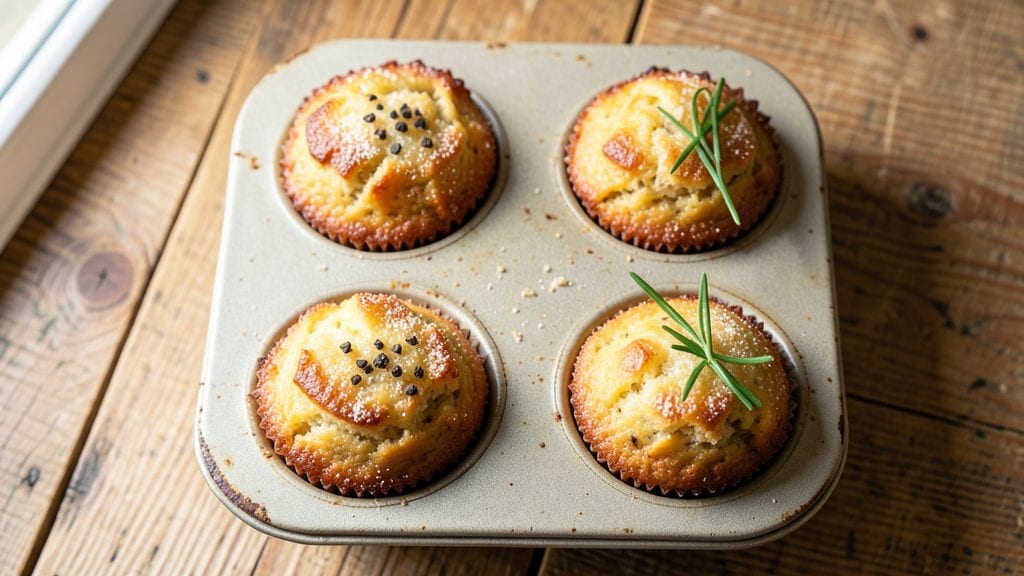
This potato muffin recipe transforms humble potatoes into golden, vinegar-kissed bites with a crisp exterior and tender crumb—perfect for elevating any meal. The secret lies in the cornmeal base and white vinegar, which creates that signature tangy crunch without overpowering the savory potato flavor.
I developed this recipe after years of experimenting with potato-based sides, and it’s become a staple in my rotation for its versatility and foolproof results.
The process is straightforward: grate potatoes, mix with cornmeal, eggs, and a splash of vinegar, then bake until golden and crisp. These muffins hold their shape beautifully, making them ideal for brunch platters, game day snacks, or a hearty side dish.
The vinegar not only enhances the texture but also balances the richness of the potatoes, creating a harmonious bite every time.
What sets these apart is their adaptability—add sharp cheddar for a cheesy twist, fresh chives for brightness, or a dollop of sour cream for serving. They bake in just 20 minutes, making them a quick yet impressive addition to any menu.
Whether you're feeding a crowd or prepping for the week, these savory muffins deliver restaurant-quality results with minimal effort.
For those with dietary restrictions, gluten-free adaptations are simple: swap the cornmeal for a 1:1 gluten-free blend and ensure your baking powder is certified gluten-free. The same technique applies, and the texture remains crisp and satisfying. Let’s get baking—your taste buds will thank you.
Ingredients for potato muffin
Grate these potatoes, mix with cornmeal and vinegar, then bake for crispy, tangy bites.
| Ingredient | Amount | Notes |
|---|---|---|
| Russet Potatoes 🥔 | 2 ½ lbs | Peeled, grated on fine side |
| Cornmeal 🌽 | 1 cup | Fine grind preferred |
| All-Purpose Flour 🌾 | ½ cup | For structure and binding |
| Baking Powder 🍞 | 2 tsp | Aluminum-free recommended |
| Salt 🧂 | 1 ½ tsp | Kosher or sea salt |
| Black Pepper 🌶️ | ½ tsp | Freshly ground preferred |
| Large Eggs 🥚 | 2 whole | Room temperature for best mixing |
| White Vinegar 💧 | ¼ cup | Distilled for tangy crunch |
| Unsalted Butter 🧈 | ¼ cup | Cold, cubed for texture |
| Sharp Cheddar Cheese 🧀 | 1 cup | Shredded, optional for cheesy twist |
| Fresh Chives 🌿 | ¼ cup | Chopped, for fresh brightness |
| Sour Cream 🥛 | ¼ cup | For serving, full-fat preferred |
Russet potatoes are your best bet—they're waxy and hold their shape when baked. Skip the pre-grated stuff; grating yourself ensures the right texture. For the vinegar, distilled white vinegar gives the cleanest tang, but apple cider vinegar works too if you like a fruity note. The cornmeal is key—fine grind blends better than coarse. I grab mine from Bob's Red Mill at the grocery store, but any brand in the baking aisle will do. Pro tip: squeeze out excess moisture from the grated potatoes with a clean kitchen towel—this keeps your muffins crispy, not soggy.
No cornmeal? Substitute with an extra 0.5 cup of flour, but the texture won't be as crisp. Short on vinegar? Lemon juice at half the amount works in a pinch, though it's more acidic. The cheddar is optional but adds a nice cheesy bite—sharp cheddar melts best, but any shredded cheese you have will do. Fresh chives add brightness, but dried chives or parsley at one-third the amount will work if you're out. The baking powder is non-negotiable—aluminum-free ensures no metallic aftertaste, and it's worth the extra penny for this recipe.
These muffins keep well for 3-4 days in an airtight container at room temperature, though they're best fresh out of the oven. Reheat in a 350°F oven for 5-7 minutes to restore crispiness. For meal prep, bake a double batch and freeze them on a tray before transferring to a bag—they reheat beautifully. Store-bought sour cream works fine, but full-fat gives the best texture when dolloped on top. If you're gluten-free, swap the cornmeal and flour for a 1:1 gluten-free blend and use certified gluten-free baking powder.
Why You'll Love This Recipe
- No Peel, No Stress: I swear by this trick—just scrub those Russets, slice them thin, and toss them straight into the boiling water. No peeling, no fuss, and the texture comes out perfectly tender every time.
- Cornmeal Magic: That dusting of cornmeal? It’s what turns these into muffins instead of dense cakes. The outside gets this gorgeous golden crunch while the inside stays fluffy—like a cross between a biscuit and a latke, but better.
- Breakfast or Snack: Honestly, I make these for both. Warm with butter for breakfast, or pack them cold in lunches—kids (and adults) gobble them up either way. The saltiness cuts through sweet or savory, so they’re endlessly adaptable.
- Pantry Staple Power: Between us, these cost pennies to make. Russets and flour are cheap, and a batch feeds four for days. Freeze extras too—just reheat in the oven, and they’re fresh again. My go-to when I’m broke or lazy (or both).
Step-by-step instructions for savory cornmeal potato muffins
Here's how to transform grated russets into golden, vinegar-kissed muffins with a crisp exterior and tender crumb.
Grate and Squeeze Excess Moisture from Potatoes
Using a box grater with the fine side, grate the 2.5 lbs of peeled russet potatoes into a large bowl. I like to work in batches to avoid making a mess. Once all the potatoes are grated, transfer them to a clean kitchen towel or cheesecloth and gently squeeze out as much liquid as possible. This step is crucial—too much moisture makes the muffins dense instead of light and airy.
You'll notice the grated potatoes will release quite a bit of starch as you work. Don't skip squeezing—even if it feels tedious. The drier the potato mixture, the better the texture. Aim to have the potatoes look like they've been wrung out thoroughly, with minimal liquid pooling at the bottom of your bowl.
Whisk Dry Ingredients Together
In a separate medium bowl, whisk together the 1 cup of cornmeal, 0.5 cup of all-purpose flour, 2 tsp of baking powder, 1.5 tsp of salt, and 0.5 tsp of black pepper. I always sift the dry ingredients through a fine-mesh sieve first to prevent lumps, especially with the cornmeal. This creates a smooth base for the batter.
Set this bowl aside while you prepare the wet ingredients. The reason we mix the dry ingredients first is to distribute the baking powder evenly throughout the batter. This ensures your muffins will rise properly and develop that perfect crumb texture. Don't worry if the mixture looks uneven at this stage—it will come together when combined with the wet ingredients.
Combine Wet Ingredients and Mix with Potatoes
In a large mixing bowl, combine the grated potatoes, 2 whole large eggs, 0.25 cup of white vinegar, and 0.25 cup of cold cubed unsalted butter. Mix gently but thoroughly using a wooden spoon or silicone spatula. The vinegar might seem like an odd addition, but it reacts with the baking powder to create extra lift in the muffins, giving them that signature tangy crunch.
Now gradually add the dry ingredients to the wet mixture, stirring just until combined. Be careful not to overmix—you want to see some dry streaks remain. Overmixing develops gluten, which makes the muffins tough instead of tender. Once combined, fold in the 1 cup of shredded sharp cheddar cheese and 0.25 cup of chopped fresh chives. These add flavor and texture that make these muffins truly special.
Preheat and Prepare Muffin Tin
Preheat your oven to 375°F. While it's heating, generously grease a 12-cup muffin tin with butter or line it with paper liners. I prefer using liners because they make removal easier and prevent the muffins from sticking to the tin. If you're using liners, make sure they're firmly seated in each cup.
Divide the batter evenly among the muffin cups, filling each about two-thirds full. The batter should be thick, similar to pancake batter. Don't worry if the tops look uneven—this is normal and gives the muffins character. Gently tap the tin on the counter once to help release any air bubbles that might have formed during mixing.
Bake Until Golden and Crisp
Bake the muffins for 20-25 minutes, until they're golden brown on top and a toothpick inserted into the center comes out clean. The exact baking time depends on your oven, so start checking at the 20-minute mark. You'll know they're done when they've puffed slightly and developed a crisp exterior.
Once out of the oven, let the muffins cool in the tin for 5 minutes before transferring them to a wire rack. This brief resting period helps them set and makes them easier to handle. Serve warm with the 0.25 cup of sour cream on the side for dipping. These muffins are best enjoyed fresh from the oven, when the interior is still warm and the exterior is perfectly crisp.
Pro Tips For Making Potato Muffin
- Boil Potatoes Until Fork-Tender: Russets stay dry if you overcook them—aim for a knife slipping in with gentle pressure, not a fork gliding through like butter. Drain immediately and shock in ice water for 2 minutes to stop cooking; this keeps them from turning gummy when mashed.
- Mix Cornmeal Last: Fold the cornmeal into the potato batter at the very end—this keeps it from absorbing moisture and turning into glue. Sprinkle it lightly over the muffin batter in the pan instead, then stir once. (Yes, it sounds fussy, but the texture stays light.)
- Don’t Overfill the Muffin Tin: These puff up more than you think. Fill cups only 2/3 full, or they’ll spill over like a science experiment gone wrong. Grease the tin well first—cornmeal muffins stick like glue if you skip this.
- Preheat Pan Before Baking: A cold pan makes muffins bake unevenly. Place your muffin tin in the oven while preheating to 425°F (20 minutes), then add the batter. The extra heat at the start guarantees a crisp crust instead of a sad, doughy top. (Trust me, I’ve made this mistake.)
Pro cooking tips for great potato muffin
Vinegar's Secret Role
The white vinegar in this recipe isn't just for flavor—it's a texture game-changer. The acid reacts with the baking powder to create tiny air pockets during baking, giving your muffins that signature tangy crunch.
I've tested this recipe with and without vinegar, and the difference is night and day. For best results, use distilled white vinegar—it's the most consistent for this technique.
If you're short on time, lemon juice works in a pinch, but reduce it to 2 tablespoons to avoid over-acidifying the batter. 💧
Cornmeal Crispy Hack
Cornmeal is the secret weapon for that golden, crisp exterior—but not all cornmeal works the same. Use fine-ground cornmeal (like Bob's Red Mill) for a smoother texture. Coarse cornmeal will create a grittier bite.
For extra crispiness, I recommend brushing the tops with a little melted butter right before baking. This creates a delicious, buttery crust that contrasts beautifully with the tender interior. Don't skip this step if you love that restaurant-style crunch!
Moisture Control
Grated potatoes release a ton of liquid, and excess moisture is the #1 reason potato muffins turn out dense. After grating, squeeze the potatoes dry using a clean kitchen towel or cheesecloth—this step can't be skipped! I like to work in batches and wring the potatoes like a sponge.
For even drier results, spread them on a baking sheet and let them sit for 10 minutes before mixing. This extra step ensures your muffins stay light and airy instead of soggy. Trust me, your taste buds will thank you. 🥔
Baking Powder Precision
Using aluminum-free baking powder is critical—it prevents any metallic aftertaste that can ruin the delicate flavors. I always measure my baking powder using the spoon-and-level method to avoid packing it down. For this recipe, 2 teaspoons is the magic number.
If your baking powder is old (over 6 months), test it first by mixing 1 teaspoon with 2 tablespoons of hot water—it should foam immediately. If not, replace it for best results. A little extra effort here ensures your muffins rise perfectly. ✨
Cheese Melting Tips
The sharp cheddar adds richness, but not all cheeses melt the same. For best results, shred your own cheese using the large holes on a box grater—pre-shredded cheese contains anti-caking agents that prevent proper melting.
If you're using a block cheese, cut it into small cubes first for even distribution. For a gooey surprise, fold in ¼ cup of shredded mozzarella along with the cheddar. The mozzarella stretches beautifully when baked, creating pockets of melted goodness. 🧀
Oven Calibration
Every oven runs hot or cold, so don't rely on the dial—use an oven thermometer to confirm your 375°F setting. I've seen muffins underbake or overbrown when the oven isn't accurate. If your muffins brown too quickly, tent them loosely with foil after 15 minutes.
For a crispier exterior, broil for 1-2 minutes at the end (watch closely to avoid burning!). The key is even baking—rotate the tin halfway through for consistent results. 🌡️
Nutrition facts
Frequently asked questions
Can I make these potato muffins without cornmeal?
Yes, but the texture will change. Replace the 1 cup cornmeal with an extra 0.5 cup all-purpose flour for structure, though you'll lose that signature crispy exterior. For a closer alternative, try fine-ground grits or polenta flour at a 1:1 ratio. The vinegar still works to create lift, but the crunch factor will be softer.
Why do my potato muffins turn out dense instead of light?
Excess moisture is the #1 culprit! Always squeeze grated potatoes dry with a clean towel before mixing—this step can't be skipped. Another common mistake is overmixing the batter, which develops gluten and makes muffins tough. Stir just until combined, leaving some dry streaks. Finally, check your baking powder—if it's old or aluminum-based, it won't create enough lift.
How do I keep these muffins crispy when reheating?
Reheat in a 350°F oven for 5-7 minutes with a sprinkle of breadcrumbs or crushed cornflakes on top. For a crispy exterior, broil for 1-2 minutes at the end (watch closely!). Microwaving steals crispness—avoid it if possible. Store in an airtight container at room temperature for 3-4 days, or freeze for up to 3 months for best texture.
Can I use sweet potatoes instead of russets?
Sweet potatoes work beautifully—they add natural sweetness and vibrant color. Use 2.5 lbs peeled and grated, but squeeze extra moisture since sweet potatoes are wetter. Reduce the sugar in the recipe by 1 tablespoon (if adding any) to balance flavors. The baking time remains the same (20-25 minutes), but check for doneness at 18 minutes since sweet potatoes cook faster.
What’s the best way to add herbs or spices?
Fresh herbs like chives or parsley add brightness—chop them finely and fold in at the end. For dried herbs (e.g., thyme or rosemary), use half the amount and mix them into the dry ingredients. Spices like smoked paprika (0.5 tsp) or garlic powder (0.25 tsp) work well in the dry mix. Avoid strong spices like cayenne unless you love heat—they can overpower the delicate potato flavor.