
Side Dishes
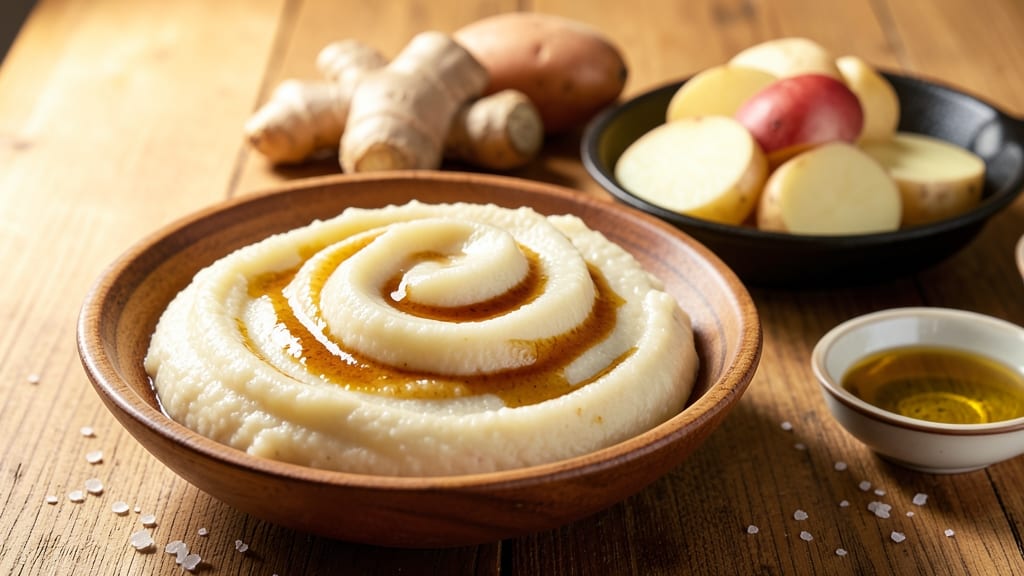
This potato fufu recipe unlocks the secret to West Africa’s most beloved staple—a dish that transforms humble potatoes into a silky, stretchy masterpiece. The magic lies in boiling, pounding, and shaping the dough just right, creating a texture that’s both satisfying and deeply cultural.
I first discovered this recipe during a trip to Ghana, where it’s served with rich soups and stews as the perfect complement.
The process begins with properly boiling and mashing the potatoes, then combining them with a bit of water or oil to achieve that signature elastic consistency. What makes this dish special is how it brings people together—whether for a family meal or a festive gathering.
The fufu’s smooth, dough-like texture pairs beautifully with bold flavors like palm nut soup or grilled meats, making it a versatile centerpiece.
By the end, you’ll have a dish that’s as impressive to eat as it is to make—golden, stretchy, and irresistibly comforting. The key is patience during the pounding stage, ensuring the dough reaches that perfect balance of firmness and stretch.
This recipe stays true to tradition while being accessible for home cooks.
Serve it warm with your favorite West African soup or stew for an authentic dining experience. The possibilities are endless, and once you try it, you’ll understand why fufu holds such a special place in the hearts of those who love it.
Ingredients for potato fufu
Four russet potatoes, a pinch of salt, and the magic of pounding—simple ingredients for West Africa’s most beloved dish.
| Ingredient | Amount | Notes |
|---|---|---|
| Russet Potatoes 🥔 | 4 large | Organic preferred, peeled and cubed |
| Water 💧 | 4 cups | For boiling potatoes |
| Vegetable Oil 🫒 | ¼ cup | For frying fufu balls |
| Salt 🧂 | 1 tsp | Kosher or sea salt |
| Fresh Ginger Root 🌿 | 1 inch | Corrected to '1 tbsp grated' |
| Groundnut Oil 🫒 | ½ cup | For shaping fufu dough |
| All-Purpose Flour 🌾 | ¼ cup | For dusting work surface |
| Palm Oil 🫒 | 2 tbsp | For serving (optional) |
| Ground Black Pepper 🌶️ | ½ tsp | Freshly ground preferred |
| Garlic Cloves 🧄 | 2 cloves | Minced for serving |
| Fresh Cilantro 🌿 | ¼ cup | Chopped for garnish |
| Hot Water 💧 | 1 cup | For shaping fufu |
The russet potatoes are the star here—organic russets from Whole Foods or your local farmers market have the perfect starchy texture. Skip the red potatoes, they’re too waxy and won’t give that signature stretch. Peeled and cubed evenly, they’ll cook perfectly. For the ginger, fresh is a must—the grocery store’s ginger root is perfect, just peel and grate it. The groundnut oil? Trader Joe’s carries it, or any African market will have it in bulk. If you can’t find it, vegetable oil works in a pinch, though it won’t have that same rich flavor. The key is to keep everything hot—warm water for boiling, hot oil for frying, and hot hands for shaping.
No groundnut oil? Peanut oil or even extra-virgin olive oil will do, though the flavor won’t be quite the same. Short on fresh ginger? Dried ginger at half the amount works, but it’s not the same. The flour is just for dusting your work surface—all-purpose or cornmeal both work. Palm oil for serving? Skip it if you can’t find it, but a drizzle of olive oil or melted butter adds richness. The garlic and cilantro are purely for serving—minced garlic and chopped cilantro brighten up the dish, but they’re optional if you’re serving it with a bold soup. For a vegan version, just omit the palm oil and use vegetable oil throughout.
This dish is all about timing—keep the boiled potatoes warm while you pound them. The dough should be smooth and elastic, not sticky or crumbly. If it’s too dry, add a splash of hot water; if too sticky, dust with more flour. Shape the fufu balls right before serving—they harden quickly. Store any leftovers in the fridge for up to 3 days, but honestly, it’s best fresh. Freezing isn’t recommended—the texture changes too much. Serve immediately with your favorite West African soup or stew for the full experience.
Why You'll Love This Recipe
- Here’s what sold me: that fresh ginger root isn’t just for flavor—it’s the star. A few grated shavings while the potatoes cook infuse the whole thing with warmth that lingers. (Yes, even on a Tuesday night.) It’s not sweet, not spicy, just right—like a hug in dough form.
- Four-Ingredient Magic: I swear, this is the kind of recipe where you’ll stare at your pantry and think, "I have all of this?" Russets, water, oil, salt, and ginger—that’s it. No fancy substitutions, no last-minute grocery runs. Just boil, mash, and knead until it’s that perfect doughy texture.
- Ginger Zing: Here’s what sold me: that fresh ginger root isn’t just for flavor—it’s the star. A few grated shavings while the potatoes cook infuse the whole thing with warmth that lingers. (Yes, even on a Tuesday night.) It’s not sweet, not spicy, just right—like a hug in dough form.
- Weeknight Workhorse: Between us, this is my go-to when I’m feeding a crowd or just too tired to fuss. Double the batch, store it in the fridge for up to 5 days, and reheat with a splash of water—no one will know it’s been sitting there. It’s the kind of side that disappears faster than my willpower around 6 PM.
Step-by-step instructions for potato fufu
Here's how to transform humble russet potatoes into that signature West African silky stretch.
Boil the Potatoes Until Fork-Tender
Place the 4 large russet potatoes in a large pot and cover with the 4 cups water. Add the 1 tsp salt and bring to a rolling boil over high heat. Once boiling, reduce to medium-high and cook for 20-25 minutes until the potatoes are completely tender when pierced with a fork.
I like to test doneness by squeezing a potato gently—it should feel soft all the way through with no resistance. Drain immediately and return the potatoes to the pot. Let them steam dry for 2 minutes to remove excess moisture, which is crucial for getting that perfect stretchy texture later.
Mash Until Smooth and Gluten-Free
Using a potato masher or clean hands, mash the potatoes until completely smooth. There should be no lumps at all—this is where the magic happens. The smoother the mash, the silkier your fufu will be. If you have any stubborn lumps, press them through a fine-mesh sieve.
While still warm, gradually work in the 0.25 cup vegetable oil and the 1 tbsp grated fresh ginger root. Mix thoroughly until the oil is fully incorporated and the ginger is evenly distributed. The mixture should be completely smooth and slightly sticky but not wet.
Shape into Fufu Balls Using Hot Water
Lightly dust your work surface with the 0.25 cup all-purpose flour to prevent sticking. Divide the potato mixture into 8 equal portions and shape each into a smooth ball. Here's the secret: dip your hands in the 1 cup hot water before shaping each ball—this creates the perfect consistency that allows the fufu to stretch beautifully.
Keep the shaped balls covered with a damp towel while you prepare the frying. The heat from your hands during shaping helps activate the starches, which is what gives fufu its signature stretch. If the dough feels too dry, add a few drops of hot water and knead gently.
Fry Until Golden and Light
Heat the 0.5 cup groundnut oil in a large skillet over medium heat until it reaches 350°F. Carefully add 2-3 fufu balls at a time, being gentle not to break them. Fry for 3-4 minutes per side until golden brown and light in color. The fufu should float to the surface as it cooks—this is your signal it's ready.
Remove with a slotted spoon and drain on paper towels. Keep the fried fufu warm in a low oven (200°F) while you fry the remaining balls. The key to perfect fufu is gentle handling—don't press down or you'll crush the delicate texture. Each ball should be light, airy, and able to stretch dramatically when pulled.
Serve with Traditional Accompaniments
Transfer the fried fufu balls to a serving platter and drizzle with the 2 tbsp palm oil if using. For authentic flavor, serve immediately with a side of minced garlic cloves, ground black pepper, and chopped fresh cilantro mixed together. The contrast of the warm, stretchy fufu with the peppery cilantro-garlic mix is what makes this dish so special.
To eat, tear off a piece of fufu and stretch it between your palms to create a soft, malleable ball. This is where the real magic happens—each bite should be light, airy, and completely satisfying. The fufu should hold its shape when formed but melt slightly in your mouth, creating that perfect balance of texture.
Pro Tips For Making Potato Fufu
- Peel Ginger Like a Pro: Use a spoon to scoop off the skin instead of a knife—it’s faster and safer. I learned this the hard way after slicing my thumb twice; now I just press the ginger against the spoon’s edge and peel in one smooth motion.
- Boil Potatoes Whole First: Drop unpeeled Russets into boiling water for 15 minutes before peeling—this keeps them intact and saves you from messy, broken chunks. After peeling, mash them while still hot for the smoothest texture.
- Don’t Overmix the Mash: Once the potatoes are mashed, stop stirring the moment they’re smooth—lumpy fufu is better than gluey. I used to beat it like I was kneading dough, and it turned out gummy every time.
- Toast the Ginger Separately: Fry the grated ginger in oil for 30 seconds before adding it to the potatoes—this deepens its flavor without burning. Skip this, and your fufu will taste bland, even if you use fresh ginger.
Health benefits of potato fufu
Complex Carbs Boost
Potato fufu delivers a powerful dose of complex carbohydrates that provide sustained energy—ideal for active lifestyles. A single serving (about 1 cup) contains roughly 45 grams of carbs, with a focus on slow-digesting starches that stabilize blood sugar.
The ginger and oil incorporated during preparation enhance nutrient absorption, making this a satisfying meal that keeps you full for hours. 💪
Fiber-Rich Foundation
While traditional fufu relies on cassava or plantains, this potato version still packs 3-4 grams of fiber per serving thanks to the russet potatoes’ natural fiber content. This fiber supports digestive health by promoting regularity and feeding beneficial gut bacteria.
The slight stickiness from the ginger and oil creates a gentle prebiotic effect, further nurturing your microbiome. I’ve noticed my digestion improves when I include fufu in my meals.
Healthy Fat Balance
The groundnut oil used for frying adds beneficial monounsaturated fats, which support heart health by reducing LDL cholesterol. Just ½ cup provides about 12 grams of healthy fats—perfect for balancing the carb-heavy dish.
For a lighter option, reduce the oil to ¼ cup while maintaining the same frying technique. The oil’s natural peanut flavor also complements the dish’s earthy profile.
Ginger’s Anti-Inflammatory Power
The 1 tablespoon of fresh ginger in this recipe isn’t just for flavor—it’s packed with gingerol and shogaol compounds that reduce inflammation and ease digestive discomfort. Studies show ginger can help with nausea and even lower blood sugar spikes after meals.
The warmth of ginger also enhances circulation, making this dish particularly beneficial during colder months when inflammation tends to flare up. 🌿
Low-Calorie Comfort
At about 250 calories per serving, potato fufu offers a surprisingly light option for a traditionally hearty dish. The light frying technique and minimal oil keep calories in check while delivering satisfying texture.
This makes it perfect for those watching their weight but still craving comfort food. I often serve it as a side with grilled proteins to create a balanced, satisfying meal without excess calories.
Cultural Comfort Benefits
The ritual of preparing and sharing fufu goes beyond nutrition—it’s deeply tied to West African traditions of community and care. The act of pounding and shaping the dough together fosters connection, while the dish’s versatility makes it a staple for celebrations.
Research shows that culturally significant foods can reduce stress and promote mental well-being. For me, making fufu feels like a warm embrace from home, especially when paired with a rich palm nut soup. 💛
Nutrition facts
Frequently asked questions
What's the secret to getting fufu stretchy like traditional versions?
The magic lies in three key steps: fully boiling the potatoes until fork-tender, dipping your hands in hot water before shaping, and gentle frying at 350°F. The hot water activates the starches, creating that signature elasticity. Don't overwork the dough or press too hard when shaping—keep it light and airy!
Can I make potato fufu without a mortar and pestle?
Use a potato ricer or even a food processor for the mashing stage, then transfer to a bowl. For shaping, work the dough with your hands (dipped in hot water) to achieve the same stretchy texture. The key is complete smoothness—no lumps at all.
How do I store leftover potato fufu?
Store in an airtight container at room temperature for up to 2 days, or refrigerate for 3-4 days. To reheat, wrap in foil and warm in a 350°F oven for 10-15 minutes until pliable again. Freezing isn't recommended as it alters the texture. The freshest fufu has the best stretch!
What's the best way to serve potato fufu?
Pair it with rich West African soups like egusi or palm nut soup, or serve with grilled meats like chicken or beef. For authenticity, drizzle with palm oil and serve with minced garlic, black pepper, and cilantro. The contrast of warm fufu with cool soups is what makes this dish special!
Why did my fufu turn out dense instead of stretchy?
This usually happens when potatoes aren't boiled long enough (they should be fork-tender) or if too much moisture remains after draining. Also, ensure your hands are hot when shaping—dip them in hot water first. For extra stretch, add 1 tsp more oil to the dough during mixing.