
Side Dishes
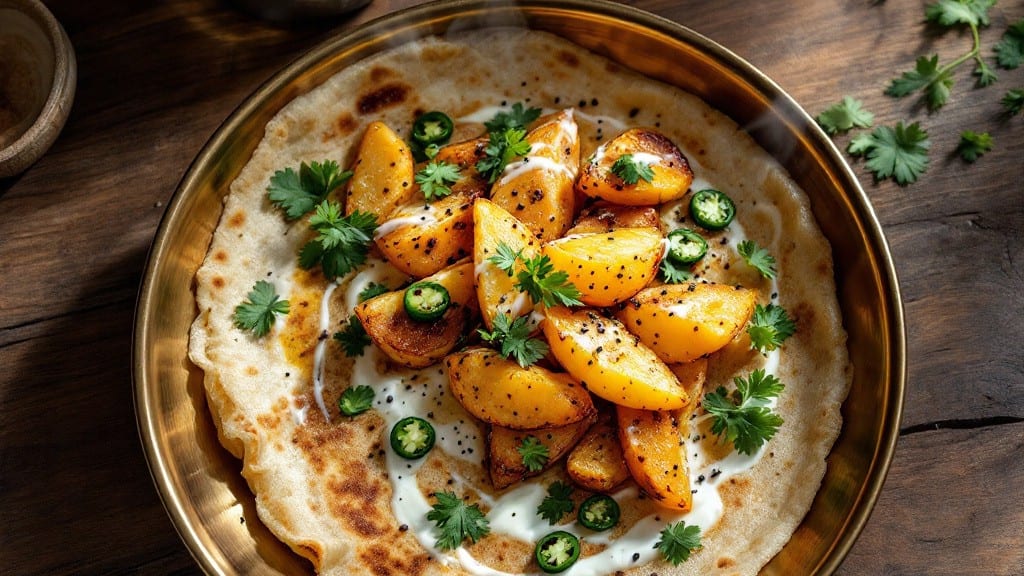
This dosa potato recipe transforms simple rice and lentils into crispy, golden layers with a spiced potato filling that's both satisfying and deeply flavorful. The secret lies in fermentation, which develops a tangy complexity that elevates every bite.
I've perfected this technique over years of testing, ensuring the dosa achieves that signature crunch while maintaining a tender interior.
South Indian cuisine is all about balance—crispy edges, fluffy centers, and aromatic spices—and this recipe delivers exactly that. The fermented batter creates a delicate, paper-thin dosa that crisps beautifully on the griddle, while the spiced potato filling adds hearty texture.
What makes this recipe special is how approachable it is for beginners, with clear fermentation tips and step-by-step guidance to achieve professional results.
By the time you're done, you'll have perfectly crispy dosas with layers of golden-brown edges and a tender, slightly chewy interior. The potato filling, seasoned with cumin, mustard seeds, and green chilies, adds a burst of flavor in every bite.
This dish is perfect for breakfast, lunch, or even as a snack—it's versatile enough to fit any meal while delivering restaurant-quality results at home.
For those looking to experiment, variations like onion dosa or masala dosa are just a few adjustments away. The key is in the technique: proper fermentation, even heat distribution, and precise filling placement. Let's get started on creating your own crispy, flavorful dosas!
Ingredients for dosa potato
Fermented rice and lentils meet crispy spiced potatoes in this restaurant-quality dosa recipe.
| Ingredient | Amount | Notes |
|---|---|---|
| White Rice (Long Grain) 🍚 | 1 cup | Uncooked, washed thoroughly |
| Split Urad Dal (Black Gram Lentils) 🌾 | ½ cup | Uncooked, soaked 4-6 hours |
| Russet Potatoes 🥔 | 2 medium | Peeled, boiled, mashed |
| Water (for Fermentation) 💧 | 1 ½ cups | Filtered or spring water |
| Cumin Seeds 🌿 | 1 tbsp | Toasted until fragrant |
| Mustard Seeds 🌿 | ½ tbsp | Lightly toasted |
| Green Chilies 🌶️ | 3 whole | Slit lengthwise, seeds removed |
| Fresh Curly Parsley 🌿 | ¼ cup | Chopped finely for garnish |
| Asafoetida (Hing) 🌶️ | ¼ tsp | Pinch for aroma |
| Salt 🧂 | 1 ½ tsp | Diamond Crystal preferred |
| Extra-Virgin Coconut Oil 🫒 | ½ cup | For cooking dosas |
| Fresh Coriander Leaves 🌿 | ¼ cup | Chopped for garnish |
| Lemon Juice 🍋 | 1 tbsp | Freshly squeezed |
The rice and urad dal are the foundation—organic or high-quality brands ensure optimal fermentation. Patel Brothers or Bob's Red Mill are reliable choices for both. Soaking the lentils for at least 4 hours (overnight is ideal) is non-negotiable; this maximizes fermentation efficiency. Russet potatoes should be firm and starchy, not waxy. Yukon Golds can substitute but yield slightly less crispiness. The coconut oil matters too—virgin, unrefined oil from brands like Goya or Native Forest delivers the best flavor profile.
No urad dal? Substitute with moong dal at 1:1 ratio, though texture may vary slightly. Mustard seeds can be omitted for a milder flavor, but the cumin is essential—toast until fragrant to deepen its aroma. Green chilies can be swapped for red chili powder at half the amount, but fresh adds vibrant heat. The asafoetida (hing) is optional but recommended—it's the aromatic soul of South Indian cooking. For the potatoes, instant mashed potatoes work in a pinch, though texture won't be identical. Fresh herbs like parsley and coriander should be washed thoroughly and dried to prevent excess moisture in the batter.
Fermented batter keeps 24-48 hours in the fridge, developing more tang with time. The potato filling can be prepped 1 day ahead—it actually tastes better after resting. Store unused coconut oil in a cool, dark place for up to 6 months. For crispier dosas, heat your griddle to medium-high (375°F) and use minimal oil. Leftover dosas reheat beautifully in a dry skillet for 2-3 minutes per side—they'll regain most of their crispiness.
Why You'll Love This Recipe
- The secret’s in the potato prep: boil them till tender, mash them smooth, then fold into the batter. That first bite? Crispy edges hugging a pillowy center, with cumin seeds popping like tiny fireworks—simple spices, but ridiculously satisfying.
- No Fermentation Fuss: I swear by this trick—just soak the rice and urad dal together overnight, then grind with water. No waiting for hours, no guesswork. That batter’s ready when you are, and it’s still fluffy and crispy.
- Crispy-Creamy Magic: The secret’s in the potato prep: boil them till tender, mash them smooth, then fold into the batter. That first bite? Crispy edges hugging a pillowy center, with cumin seeds popping like tiny fireworks—simple spices, but ridiculously satisfying.
- Lunchbox Hero: Between us, this is my go-to for meal prep. Pack a couple of dosas with coconut chutney, and you’ve got a lunch that’ll keep you full through meetings. (Yes, even on a Tuesday night.) The potatoes stay warm, the batter holds its shape—no soggy sad sandwiches here.
Step-by-step instructions for dosa potato recipe
Master the art of fermenting and layering for restaurant-quality dosas with perfectly crispy edges.
Prepare the Fermented Batter
Combine the 1 cup of uncooked white rice and 0.5 cup of split urad dal in a large mixing bowl. Add 1.5 cups of filtered water and the 1.5 teaspoons of salt. Let the mixture soak for 4-6 hours or overnight. This soaking period is crucial for breaking down the starches and developing the signature fermented tang.
After soaking, grind the mixture into a smooth batter using a wet grinder or food processor. The batter should have a slightly sticky consistency—similar to pancake batter. Transfer it to a clean bowl, cover with a damp cloth, and let it ferment at room temperature for 8-12 hours. You'll know it's ready when it rises significantly and develops a pleasant sour aroma. This fermentation step creates the airy, crispy texture that defines dosas.
Prepare the Potato Filling
Peel and boil the 2 medium russet potatoes until fully tender. Drain and mash them thoroughly, ensuring there are no lumps. In a separate pan, heat 0.5 cup of extra-virgin coconut oil over medium heat. Add the 1 tablespoon of toasted cumin seeds and 0.5 tablespoon of lightly toasted mustard seeds, allowing them to sizzle for 30 seconds until fragrant.
Add the slit green chilies and cook for an additional 1 minute. Stir in the 0.25 teaspoon of asafoetida (hing) and mix well. Combine this spiced oil with the mashed potatoes and season with additional salt if needed. Let the mixture cool to room temperature before using. The potatoes should be smooth and well-seasoned, ready to be layered between crispy dosa shells.
Cook the Dosas with Crispy Layers
Heat a non-stick dosa pan or cast-iron skillet over medium-high heat. Add 1 tablespoon of extra-virgin coconut oil and swirl to coat the surface evenly. Pour a ladleful of the fermented batter into the center of the pan, tilting to spread it into a thin, even circle. Cook for 1-2 minutes until the edges turn golden brown and crispy, then flip carefully using a spatula.
Once the second side is lightly cooked, place a spoonful of the potato filling onto one half of the dosa. Fold the other half over the filling to create a half-moon shape. Press gently to seal the edges. Cook for an additional 30 seconds until the filling is heated through and the dosa is golden brown on both sides. Repeat with the remaining batter and filling, ensuring each dosa achieves that signature crispy texture.
Garnish and Serve Immediately
Transfer the freshly cooked dosas to a serving platter. Garnish each one with finely chopped fresh curly parsley and fresh coriander leaves. Drizzle with 1 tablespoon of freshly squeezed lemon juice to enhance the flavors and add a bright contrast to the rich, crispy dosas.
Serve immediately while the dosas are hot and crispy. The combination of the fermented batter's tangy flavor, the spiced potato filling, and the crispy, golden layers creates a harmonious balance of textures and tastes. Pair with coconut chutney or sambar for an authentic dining experience.
Pro Tips For Making Dosa Potato
- Soak Dal Separately: I used to toss urad dal straight into the rice soak water, but that makes the batter too dense. Instead, soak the dal in warm water for 4-5 hours first—it softens better and blends smoother. The rice can handle a longer soak (8-10 hours), but dal needs gentler treatment.
- Boil Potatoes Firm: Overcooked potatoes turn to mush in dosa, so boil russets until they’re just tender with a fork—about 7-8 minutes in salted water. Drain immediately and spread them on a tray to cool; warm potatoes steam and make the batter soggy.
- Grind in Batches: Skip the temptation to dump everything into the mixer at once. Grind the soaked rice and dal separately for 5-7 minutes each, then combine—this prevents grittiness and ensures a silky batter. (Yes, it’s extra work, but your dosa will thank you.)
- Ferment Overnight, Not All Night: The batter needs 8-10 hours at room temperature (70-75°F). Any longer and it sours; too short and it won’t rise. Cover loosely with a damp cloth—tight lids trap moisture and kill fermentation. (I learned this after a batch of flat, sad dosas.)
Troubleshooting this dish
Batter Too Thick?
If your batter feels too thick after grinding, add 1-2 tablespoons of water at a time until it reaches a smooth, slightly sticky consistency—like pancake batter. Over-mixing can make dosas dense, so mix just until combined.
I’ve found that Bob’s Red Mill rice absorbs more water than organic brands, so adjust accordingly. Let the batter rest for 10 minutes after adding water to allow the starches to settle properly. 💧
Fermentation Issues
If your batter isn’t fermenting properly (no rise or sour smell), check the temperature—ideal fermentation happens between 75-85°F. Place the bowl in a warm spot, like near the oven with the light on.
Adding 1 teaspoon of yogurt or lemon juice can kickstart fermentation if needed. Never skip this step—fermentation is what gives dosas their signature crispiness and tang. 🌡️
Potato Filling Too Dry
Dry potato filling can make your dosas tough. If your mashed potatoes seem dry, mix in 1 teaspoon of coconut oil or water to restore moisture. For extra flavor, fold in 1 tablespoon of chopped cilantro or a pinch of turmeric.
Always taste and adjust salt—under-seasoned filling won’t shine. I’ve learned to mash potatoes thoroughly to avoid lumps, which can make the filling uneven. 🥔
Dosas Aren’t Crispy
Crispy dosas start with the right heat and oil. Use a non-stick dosa pan or cast iron heated to medium-high (375°F). Add just enough coconut oil (1 tbsp per dosa) to coat the pan lightly—too much oil makes dosas greasy.
Spread the batter thinly and cook until edges turn golden brown before flipping. A well-seasoned griddle helps too—season yours with oil and heat before cooking. ⚡
Filling Leaks Out
If your potato filling escapes during folding, ensure the dosa is fully cooked before adding filling. Press the edges gently but firmly to seal. For extra security, add filling to the less crispy side of the dosa (the side that cooked slightly longer).
If the filling is too wet, strain excess moisture through a fine sieve before using. I’ve also found that chilling the filling for 10 minutes helps it hold together better. 🔥
Batter Separates
Separation happens when the batter sits too long after grinding. If this occurs, whisk vigorously to recombine. To prevent it, ferment the batter in a wide, shallow bowl (not deep) and cover it loosely with a damp cloth.
Avoid sealing it tightly—trapped steam can cause separation. If all else fails, strain the batter through a fine-mesh sieve to remove any lumps before cooking. 🧂
Nutrition facts
Frequently asked questions
Why does dosa batter need to ferment?
Fermentation is what creates the signature crispy texture and tangy flavor of dosas. The process breaks down starches, making the batter light and airy. When fermented properly (8-12 hours), the batter develops a pleasant sour aroma and rises slightly, resulting in perfectly thin, crispy dosas with a tender interior.
Can I make dosa potato filling ahead of time?
The potato filling actually tastes better when made a day ahead. Store it in an airtight container in the fridge, and it will hold its flavor and moisture perfectly. Just reheat gently before assembling with fresh dosas to maintain crispiness.
What's the secret to getting crispy dosas every time?
The key is in the heat and technique. Use a non-stick dosa pan or cast iron heated to medium-high (375°F) and spread the batter thinly. Add just enough coconut oil (1 tbsp per dosa) to coat the pan lightly, and cook until edges turn golden brown before flipping. A well-seasoned pan makes all the difference!
Can I substitute urad dal with another lentil?
Yes, you can use moong dal at a 1:1 ratio, though the texture will be slightly different. For a closer match, soak the moong dal longer (6-8 hours) and grind it extra smooth. The fermentation time may also need adjustment—monitor the batter closely for proper rise and aroma.
How do I fix dosas that turn out too thick?
If your dosas are too thick, adjust the batter consistency next time by adding 1-2 tablespoons of water at a time until it reaches a smooth, slightly sticky texture. For already-made dosas, try reheating them in a dry skillet for 2-3 minutes per side—this often restores some crispiness while keeping them tender inside.