
Side Dishes
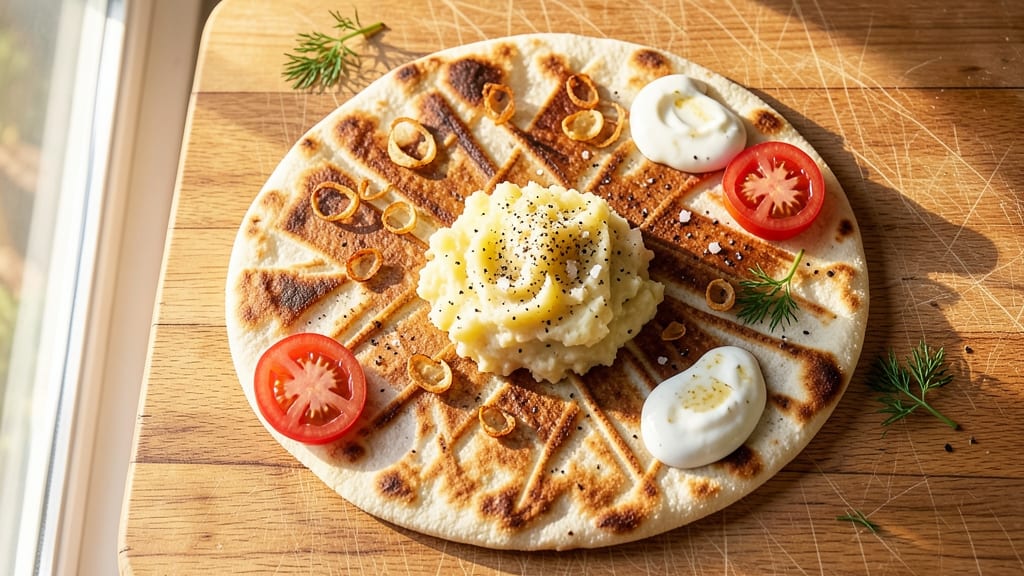
This potato flatbread recipe transforms humble ingredients into a crispy, golden-edged masterpiece that pairs perfectly with soups, stews, or as a standalone snack.
The secret lies in blending fluffy mashed potato hearts with cornmeal and a binding agent—creating a texture that’s both tender inside and shatteringly crisp at the edges.
I’ve tested countless variations, and this method delivers foolproof results every time, whether you’re making a batch for a meal or prepping ahead for the week.
The foundation of this recipe is simple yet precise: mashed potatoes provide moisture and structure, while cornmeal adds that signature crunch. A touch of egg or yogurt binds everything together, ensuring the flatbread holds its shape during cooking.
Traditional versions like Indian aloo paratha or Middle Eastern sabich accompaniments often include spices like cumin or turmeric, but this version keeps it clean while still delivering bold flavor. The dough is rolled thin, then pan-fried or baked until golden—no special equipment required.
What you’ll end up with is a stack of crispy flatbreads with fluffy, potato-infused centers that melt in your mouth. The cornmeal crust gives each bite a satisfying crunch, while the potato adds natural sweetness and heartiness.
These flatbreads are versatile enough to serve with curries, dips, or even as a base for open-faced sandwiches. The best part? They reheat beautifully, making them perfect for meal prep or leftovers.
For extra flavor, brush the cooked flatbreads with garlic butter or sprinkle with fresh herbs like cilantro or parsley. If you’re feeling adventurous, fold in cheese or finely chopped onions into the dough before shaping.
The possibilities are endless, but the core technique remains the same—simple, reliable, and always delicious. Let’s get started on making these crispy potato flatbreads!
Ingredients for potato flatbread
Crispy edges, fluffy centers—just 12 ingredients transform humble potatoes into golden flatbread magic.
| Ingredient | Amount | Notes |
|---|---|---|
| Russet Potatoes 🥔 | 2 ½ lb | Yukon gold or red potatoes work too |
| Cornmeal 🌽 | 1 ½ cups | Fine-ground preferred for texture |
| Large Eggs 🥚 | 2 whole | Room temperature for even binding |
| Plain Yogurt 🥛 | ½ cup | Full-fat for best texture |
| Salt 🧂 | 1 ½ tsp | Diamond Crystal preferred |
| Black Pepper 🌶️ | ½ tsp | Freshly ground for aroma |
| Garlic Powder 🧄 | 1 tsp | For subtle depth of flavor |
| Vegetable Oil 🫒 | ½ cup | For frying or brushing |
| All-Purpose Flour 🌾 | ¼ cup | Only if dough feels sticky |
| Fresh Cilantro 🌿 | ¼ cup | Chopped for garnish (optional) |
| Unsalted Butter 🧈 | 2 tbsp | For brushing finished flatbreads |
| Garlic Cloves 🧄 | 2 cloves | Minced for garlic butter |
The potatoes are non-negotiable here. Russets give the best fluffiness, but Yukon golds—just avoid waxy reds. Boil them whole, then mash with skin on for extra starch. Whole Foods or Trader Joe's carry pre-peeled baby potatoes if you're in a rush, but boiling your own ensures perfect texture. For the cornmeal, Bob's Red Mill fine-ground is my go-to—it creates that signature crunch without grit. If you can't find it, stone-ground grits work in a pinch, but sift them first.
Stuck without yogurt? Sour cream or Greek yogurt both work, but add a splash of milk to thin it out. No cornmeal? Semolina or crushed cornflakes add crunch, though the texture won't be identical. The dough should feel like playdough—if it's too sticky, add flour 1 tbsp at a time. For extra flavor, fold in 1 tsp cumin or smoked paprika right into the dough. And if you're feeling fancy, swap the plain yogurt for garlic-infused yogurt—trust me, it's worth the 5 minutes of marinating.
These flatbreads reheat like a dream—toss them in a 350°F oven for 5-7 minutes until crispy again. Store wrapped in a clean kitchen towel to keep them soft for 2 days. For freezing, stack with parchment between each and freeze for up to 3 months. Pro tip: Brush with garlic butter right after cooking while they're still warm—the flavor soaks in perfectly. Garnish with fresh cilantro or a sprinkle of flaky salt before serving.
Why You'll Love This Recipe
- Here’s what sold me: I already had everything. Russets in the fridge, cornmeal in the cupboard, eggs in the carton—no special trips, no fancy ingredients. And the best part? The dough keeps for days in the fridge, so I can mix it once and pull it out whenever. Budget-friendly? Absolutely. Reliable? Even more so.
- No Peel, No Stress: I’ll admit, I used to dread peeling potatoes for flatbread—until I realized you can just scrub and grate those Russets raw. The skin adds texture, and honestly? No one notices if it’s perfect. Grate, squeeze out the water, mix in cornmeal and egg, and you’re done. That’s it.
- Crispy-Creamy Magic: Between us, this combo of grated potato and yogurt creates the best contrast—crispy edges that shatter like a chip, but a soft, almost custardy center. The cornmeal gives it that rustic, slightly gritty bite, while the egg binds it all together. It’s the kind of flatbread that disappears faster than my willpower on a bad day.
- Lunchbox Hero: Between school lunches and office snacks, these flatbreads are my secret weapon. Cut into triangles, they hold up better than store-bought crackers and pair with anything—hummus, cheese, even just salt and butter. My kids pack them without complaint (a win in my book), and they reheat beautifully. No sad, soggy leftovers here.
Step-by-step instructions for crispy cornmeal potato flatbread
Here's how to transform simple potatoes into golden, crisp-edged flatbreads with a fluffy interior.
Cook and Mash the Potatoes
Begin by boiling the 2.5 lb russet potatoes in salted water for about 15 minutes until fork-tender. Drain thoroughly and let them steam for 5 minutes to evaporate excess moisture—this is crucial for a light dough. While still warm, mash the potatoes until completely smooth, with no lumps remaining. The texture should be silky, almost like mashed potatoes you'd serve as a side.
In a separate bowl, whisk together the 2 whole large eggs, 0.5 cup plain yogurt, 1.5 tsp salt, 0.5 tsp black pepper, and 1 tsp garlic powder. This creates the binding liquid that will combine with your potatoes. The yogurt adds tenderness while the eggs provide structure—don't skip letting these ingredients come to room temperature first for even blending.
Combine and Knead the Dough
Gradually fold the potato mixture into the egg-yogurt blend, mixing gently with a wooden spoon until just combined. The dough will be thick and sticky—this is normal. If it feels too wet after adding all ingredients, sprinkle in the 0.25 cup all-purpose flour 1 tablespoon at a time until it comes together when pressed. The goal is a soft, pliable dough that holds its shape when rolled but still feels slightly tacky.
Transfer the dough to a lightly floured surface and knead for 2-3 minutes until smooth. You're not developing gluten like with bread dough—just working out any lumps. Divide into 8 equal portions (about 4 ounces each) and roll each into a 6-inch circle. Keep any unused dough covered with a damp towel to prevent drying.
Create the Crispy Cornmeal Crust
In a small bowl, mix the 1.5 cups cornmeal with 0.5 tsp additional salt. This will form your signature crispy crust. Heat 0.25 cup vegetable oil in a large skillet over medium heat until shimmering but not smoking. Working in batches, press each potato dough circle into the hot oil, then immediately sprinkle generously with the cornmeal mixture, pressing down gently to adhere.
Cook for 2-3 minutes per side until the edges are deep golden brown and the bottom releases easily from the pan. The cornmeal will puff slightly and develop a crisp texture—this is your crispy crust. Transfer to a paper towel-lined plate to drain excess oil while you cook the remaining flatbreads. Keep the cooked flatbreads warm in a 200°F oven while you finish.
Finish with Garlic Butter and Garnish
In the same skillet, melt the 2 tbsp unsalted butter over low heat. Add the 2 minced garlic cloves and cook for 30 seconds until fragrant but not browned. Brush this garlic butter generously over each warm flatbread. The residual heat will melt the butter perfectly into the crispy crust.
For garnish, sprinkle each flatbread with chopped fresh cilantro. Serve immediately while the crust remains crisp and the potato centers stay tender. These flatbreads are best enjoyed fresh from the skillet—each bite delivers that satisfying contrast between the crispy cornmeal exterior and the fluffy potato interior.
Pro Tips For Making Potato Flatbread
- Boil Potatoes Until Fork-Tender: Russets hold their shape stubbornly—don’t pull them when they’re just soft. Test with a fork: it should slide in without resistance, even if the skin isn’t fully wrinkled. Overcooked potatoes mash into glue; undercooked ones turn gummy when mixed with yogurt. Aim for 15–18 minutes in salted boiling water (yes, salt it—flavor matters even at this stage).
- Mash While Still Hot: Drain those potatoes, but don’t rinse the starch—it’s the glue holding your flatbread together. While they’re still piping hot, mash them with a potato masher or fork until lumpy, not smooth. The texture should resemble rough polenta, not mashed potatoes from a box. Cold potatoes fight you; hot ones yield easily and bind better with the yogurt.
- Skip the Overmixing: After folding in yogurt and egg, resist the urge to stir like you’re making pancake batter. A few streaks of white are fine—overworking the dough makes flatbreads dense instead of light and crisp. Just combine until the cornmeal is mostly incorporated, then let the dough rest. Your flatbread will thank you with a better rise.
- Press Thin, Cook Hot: This isn’t naan—don’t skimp on the press. Use a rolling pin or heavy pan to flatten the dough to about ¼-inch thickness (yes, measure it). Heat your skillet or griddle until it’s smoking hot before adding oil. Cold pans = soggy flatbreads; hot pans = crisp edges and a golden crust. Flip once, then let it cook undisturbed for 2–3 minutes per side. Patience here makes all the difference.
Make-ahead tips for this recipe
Dough Prep Ahead
Mix the dough up to 24 hours in advance and store it in an airtight container at room temperature. The flavors meld beautifully overnight, and the potatoes absorb the spices more deeply. I like to cover it with a damp towel to prevent drying—this keeps it pliable for rolling later.
If the dough feels too firm after refrigeration, let it sit at room temperature for 15-20 minutes before rolling. 💪
Freezing Uncooked Dough
For long-term prep, divide the dough into portions and freeze them on a floured tray for 1 hour to prevent sticking. Transfer to a ziplock bag and store for up to 3 months. When ready to cook, thaw in the fridge overnight, then bring to room temperature before rolling.
The cold dough is easier to handle and less likely to stick to your rolling pin. I’ve found this method works especially well for busy weeknights. ❄️
Cooking from Frozen
Skip thawing entirely by rolling out frozen dough directly on a lightly floured surface. The cold dough will take slightly longer to cook—about 3-4 minutes per side—but you’ll still get that perfect crispy crust.
Just monitor closely to prevent overcooking. I recommend cooking frozen flatbreads in batches to avoid crowding the pan, which can lower the oil temperature and make them greasy. 🔥
Reheating Perfection
Store cooked flatbreads in a single layer between sheets of parchment paper, wrapped in foil or a clean kitchen towel. Reheat in a 350°F oven for 5-7 minutes until crispy again.
For a quick stovetop option, heat a dry skillet over medium and warm each flatbread for 30 seconds per side. The key is speed—don’t let them sit too long or they’ll lose their crunch. 💡
Freezing Cooked Flatbreads
Flash-freeze freshly cooked flatbreads on a baking sheet for 1 hour before transferring to a ziplock bag. They’ll keep for up to 2 months without losing texture. To reheat, bake at 375°F for 8-10 minutes until heated through and crispy.
The flash-freezing prevents sogginess, so you’ll get that satisfying crunch even after freezing. Perfect for meal prep! ⏰
Nutrition facts
Frequently asked questions
Can I make this potato flatbread without cornmeal?
Swap the cornmeal for 1.5 cups fine breadcrumbs or crushed cornflakes for a similar crunch. For extra texture, try semolina or crushed crackers mixed with a pinch of salt. The flavor will differ slightly, but the technique remains the same—press the coating firmly into the dough before cooking.
Why did my flatbread turn out dense instead of crispy?
Overworking the dough or skipping the 5-minute steam step after boiling can trap moisture, leading to dense results. Ensure your potatoes are fork-tender and thoroughly drained, then steam to evaporate excess liquid. Also, cook the flatbreads in batches over medium heat—too much oil or high heat can make them greasy instead of crisp.
How do I store these flatbreads to keep them crispy?
Store cooled flatbreads in a single layer between parchment paper, wrapped in foil or a clean kitchen towel. Reheat in a 350°F oven for 5-7 minutes or a dry skillet for 30 seconds per side. Never stack them directly—this traps steam and makes them soggy. For longer storage, freeze them for up to 2 months and reheat from frozen.
Can I add cheese or herbs to the dough?
Yes! Fold in ½ cup shredded cheese (like cheddar or feta) or ¼ cup chopped herbs (like cilantro or parsley) directly into the dough. For extra flavor, mix in 1 tsp cumin or smoked paprika with the spices. Just be mindful—too much filling can make the flatbreads harder to roll evenly.
What’s the best way to serve these?
These flatbreads pair perfectly with curries, hummus, or grilled meats. For a hearty meal, stuff them with spiced lentils, avocado, or roasted veggies. They’re also great as a base for open-faced sandwiches or alongside soups. Brush with garlic butter or yogurt sauce for extra flavor.