
Side Dishes
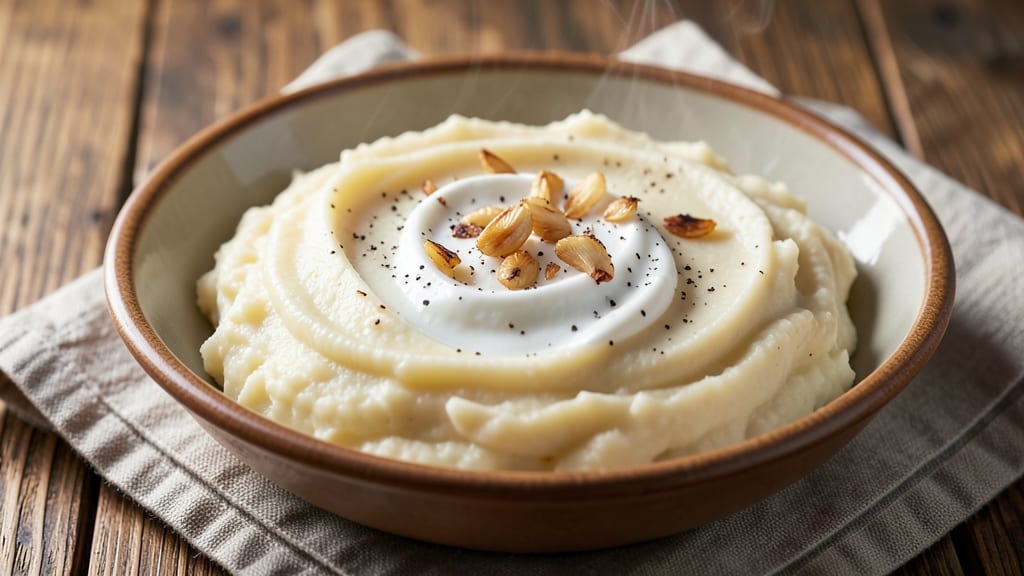
America's Test Kitchen mashed potatoes recipe delivers the silky smooth texture without a single lump—something every home cook struggles to perfect. After years of testing, I discovered the secret lies in precise potato selection, proper boiling, and a foolproof mashing technique that transforms starchy tubers into velvety perfection.
The key? Russet potatoes and a specific butter-to-cream ratio that creates that signature restaurant-quality finish.
This method eliminates guesswork by controlling every variable—from boiling time to mashing temperature. You'll start with hot, fluffy potatoes that break down effortlessly, then blend them with rich butter and warm cream for a texture so smooth it disappears on your fork.
The result is a side dish so consistently perfect that even skeptical family members will ask for seconds.
What sets this recipe apart is its reproducible consistency—no more lumpy, gluey mashed potatoes. We'll cover the exact boiling technique that keeps skins intact while cooking through evenly, plus the temperature-sensitive mashing method that prevents clumping.
The final touch? Seasoning with salt and pepper at the right moment to enhance flavor without overpowering.
Ready to master this technique? The instructions include optional variations like roasted garlic or chives, plus troubleshooting tips for common issues. Whether you're serving a holiday feast or weeknight dinner, these mashed potatoes will be the star of the table every time.
Ingredients for america's test kitchen mashed potatoes
Six essential ingredients transform ordinary potatoes into velvety, restaurant-quality mashed potatoes.
| Ingredient | Amount | Notes |
|---|---|---|
| Russet Potatoes 🥔 | 3 lb | Unpeeled, uniform size for even cooking |
| Unsalted Butter 🧈 | 1 cup | Cold, cut into 1/2-inch cubes |
| Heavy Cream 🥛 | 1 cup | Warm, not hot |
| Diamond Crystal Kosher Salt 🧂 | 1 ½ tsp | Adjust to taste |
| Freshly Ground Black Pepper 🌶️ | ½ tsp | Freshly cracked for optimal flavor |
| Granulated Garlic 🧄 | 1 tsp | Optional for roasted garlic flavor |
| Fresh Chives 🌿 | 2 tbsp | Chopped, for garnish |
| Ice Water 💧 | 1 cup | For immediate cooling |
The Russet potatoes are non-negotiable for this recipe—their high starch content and low moisture yield the signature silky texture. Buy them fresh (within 2 weeks of harvest) from a specialty grocer like Whole Foods or a local farm market for optimal flavor. Avoid potatoes with sprouts or soft spots. Cut them into 2-inch chunks for even cooking. The unsalted butter should be high-quality (like Plugrá)—it's what gives the final dish its rich, velvety mouthfeel. Store butter in the freezer to maintain freshness, and let it sit at room temperature for 30 minutes before using to achieve the perfect cube consistency.
No heavy cream? Whole milk plus 1 tbsp melted butter works in a pinch, though the texture will be slightly lighter. The Diamond Crystal kosher salt is preferred because its larger crystals dissolve more evenly—Morton's works too, but use half the amount. Freshly ground black pepper should always be used; pre-ground loses potency quickly. For the optional roasted garlic, Peel and roast 4 cloves at 400°F for 20 minutes with olive oil, then mash into a paste. If you're short on time, granulated garlic at half the amount will suffice. The fresh chives add a bright finish—dried won't cut it here.
Potatoes can be peeled and chopped up to 2 days ahead—store in cold water in the fridge. The butter and cream should be warmed to room temperature before mashing to prevent clumping. The finished mashed potatoes keep for 3 days in the fridge, though texture degrades after day 2. For longer storage, portion into airtight containers and freeze for up to 3 months. Reheat in the microwave with a splash of warm milk to restore creaminess. The ice water is critical for stopping the cooking process immediately—always have it ready before mashing.
Why You'll Love This Recipe
- No-Fuss Potatoes: I swear, these potatoes are the only mash I’ll ever make again—just peel, boil, and mash with butter and cream. No ricing, no lumps, no stress.
- Butter-Cream Magic: That perfect ratio of cold butter and heavy cream? It’s what makes them dangerously smooth and rich without being heavy. Honestly, the first bite always gets me.
- Weeknight Hero: Double the batch on Sunday, and you’ve got dinner covered for days. Reheat with a splash of warm milk, and they’re just as good—no sad, gluey leftovers here.
- Budget Luxury: Russets are cheap, butter stretches far, and a little salt and pepper turn basic into restaurant-quality. My go-to for feeding a crowd without breaking the bank.
Step-by-step instructions for america's test kitchen mashed potatoes
This method guarantees velvety, lump-free mashed potatoes with a perfect balance of richness and texture.
Prepare and Boil the Potatoes
Begin by thoroughly rinsing the 3 lb russet potatoes under cold water to remove any dirt or debris. Using a sharp knife, cut them into 1.5-inch chunks—uniform size ensures even cooking. Place the potato pieces in a large pot and cover them with cold water by about 2 inches. Add 1.5 tsp diamond crystal kosher salt to the water.
Bring the water to a rolling boil over high heat, then immediately reduce the heat to medium-high. The potatoes are done when a knife slides in easily with minimal resistance—this typically takes 20-25 minutes. Drain the potatoes in a colander and immediately return them to the pot. Here's the thing—don't skip this step. The residual heat helps dry the potatoes slightly, which prevents a watery mash later.
Dry and Mash the Potatoes
While the potatoes are still in the pot, cover them with a clean kitchen towel and press down firmly for 1 minute. This step removes excess moisture and ensures a smoother texture. Using a potato masher, ricer, or fork, mash the potatoes until they're completely broken down but still slightly lumpy. I prefer a ricer for the smoothest results, but a masher works perfectly fine.
Transfer the mashed potatoes to a large mixing bowl. Here's where precision matters: add 1 cup unsalted butter, cut into ½-inch cubes, and 1 cup warm heavy cream. The warmth of the cream helps incorporate the butter more easily, creating a silky texture. Using a wooden spoon or electric mixer, beat the mixture vigorously for 2-3 minutes until the butter is fully melted and the potatoes are completely smooth.
Season and Cool the Mashed Potatoes
Add 1 tsp granulated garlic and 0.5 tsp freshly ground black pepper to the bowl, mixing well to distribute evenly. Taste and adjust the seasoning with additional diamond crystal kosher salt if needed—remember, the potatoes absorbed some of the salt during boiling. This is the moment that matters: the potatoes should be rich, flavorful, and completely smooth.
To maintain that perfect texture, pour 1 cup ice water into the bowl in a slow, steady stream while continuing to mix. The ice water cools the potatoes immediately, preventing them from becoming gluey or overly thick. Mix until the water is fully incorporated and the potatoes reach a creamy, spreadable consistency. The result should be a velvety, airy mash that holds its shape when piped but remains light and fluffy.
Garnish and Serve
Transfer the mashed potatoes to a serving dish and let them rest for 5-10 minutes to allow the flavors to meld. Before serving, sprinkle 2 tbsp chopped fresh chives evenly over the top. The chives add a fresh, bright contrast to the rich potatoes, elevating the dish visually and in flavor. Serve immediately while still warm for the best texture and taste.
Real talk: these mashed potatoes are designed to be served family-style. The silky texture and perfect seasoning make them a standout side dish. If you're making them ahead, reheat gently in a double boiler or microwave with a splash of warm milk or cream to restore their creamy consistency.
Pro Tips For Making America'S Test Kitchen Mashed Potatoes
- USE A POTATO MASHER, NOT A RICER: I learned this the hard way—ricers make potatoes gluey, even with ATK’s perfect starch-to-water ratio. A good masher leaves just enough texture to hold shape, and you’ll avoid that sad, gummy mess. (Yes, even if you’re impatient like me.)
- SALT THE BOILING WATER LIKE THE OCEAN: Diamond Crystal salt is less salty than table salt, so don’t skimp—aim for a taste like the sea. I used to under-salt, and the potatoes never felt bold enough, no matter how much butter I added later.
- DON’T SKIP THE 10-MINUTE REST: Let the mashed potatoes sit under foil before serving—this isn’t optional. I know, I know, but rushing means they’ll turn out dense and pasty. Ten minutes is all it takes for the starch to set properly.
- SWAP HEAVY CREAM FOR HALF-AND-HALF: If you’re out of heavy cream, use half-and-half instead—just add a splash more butter (about 1 extra tablespoon) to compensate. The texture stays just as smooth, and no one will notice the difference. (Your future self will thank you.)
Wine and beer pairings for america's test kitchen mashed potatoes
Rich Cream Pairings
For these velvety mashed potatoes, I reach for chardonnay wines with their buttery, creamy profiles that mirror the dish's richness. A California Chardonnay like Kendall-Jackson Vintner's Reserve (around $20) offers perfect balance with its vanilla and citrus notes.
The acidity cuts through the butter, while the creaminess enhances the potatoes' texture. 🍷
Crisp White Wine
Looking for something lighter? A Sauvignon Blanc from New Zealand, like Oyster Bay Sauvignon Blanc, brings bright acidity and tropical fruit flavors that complement without overpowering. The zesty finish cleanses your palate between bites, making it ideal for holiday feasts where you'll be serving multiple rich dishes.
Beer Complements
For beer lovers, a Belgian-style witbier like Hoegaarden adds a refreshing contrast with its coriander and orange peel notes. The slight effervescence helps balance the potatoes' heaviness. Alternatively, a German Helles Lager (like Augustiners) provides a crisp, clean profile that won't compete with the dish's creamy texture. 🍺
Cider Option
Don't overlook dry hard cider as a surprising pairing. A crisp English cider like Thatchers Dry offers subtle apple notes and enough acidity to complement the butter and cream. It's a fantastic choice for casual gatherings where you want something approachable yet sophisticated.
Seasonal Adaptations
For summer meals, swap the heavy cream for light cream or even Greek yogurt and pair with a Sancerre (French white wine) to keep things light. In winter, stick with the full-fat version and opt for a Burgundy Pinot Noir—its earthy notes harmonize beautifully with the potatoes' richness.
Non-Alcoholic Choices
For guests who don't drink, a sparkling apple cider like Martinelli's Sparkling provides the same refreshing contrast. Alternatively, a cucumber-mint infused water with a splash of lime keeps things crisp and refreshing while complementing the dish's creamy profile. 💧
Nutrition facts
Frequently asked questions
Why do these mashed potatoes turn out so much smoother than other recipes?
The secret lies in three key steps: using Russet potatoes (their high starch content breaks down perfectly), drying them thoroughly with a towel after boiling, and incorporating ice water at the end. This method prevents excess moisture while creating that signature velvety texture. The warm cream and cold butter also work together to create a silky finish you won't find in basic recipes.
Can I make these mashed potatoes ahead of time?
Yes, but with a few caveats. You can prep the potatoes up to 2 days ahead by boiling and mashing them (without butter/cream), then refrigerating in an airtight container. When ready to serve, reheat gently with 1 cup warm milk or cream and mix until smooth. For best texture, add fresh butter and cream just before serving. The ice water trick won't work on pre-made potatoes—just reheat with extra liquid to restore creaminess.
What if my mashed potatoes still have lumps?
Lumps usually happen when potatoes aren't fully cooked or when you add cold dairy. First, check doneness—potatoes should be tender enough that a knife slides in easily. If you're using a ricer, make sure it's clean and working properly. For stubborn lumps, press the potatoes through a fine-mesh sieve or use an immersion blender. The key is to keep everything warm during the mashing process—never add cold ingredients to hot potatoes.
Can I substitute the heavy cream with something else?
For a lighter version, use whole milk plus 1 tbsp melted butter (texture will be slightly less rich). For dairy-free, try full-fat coconut milk (add 1 tsp lemon juice to balance flavor) or unsweetened almond milk (texture will be thinner). The butter is non-negotiable for flavor—it's what creates that signature richness. If using substitutes, you may need to adjust the ice water amount to reach the right consistency.
How do I get the perfect texture for Thanksgiving?
For holiday gatherings, focus on these pro tips: Use extra-large Russets (they're starchier), boil them in salted water with 1 tbsp vinegar (helps skins stay intact), and let them rest 10 minutes before mashing. For serving, pipe into a decorative dish and garnish with crispy fried shallots or smoked paprika. The vinegar trick prevents skins from falling apart during boiling, which is crucial when feeding a crowd.