
Side Dishes
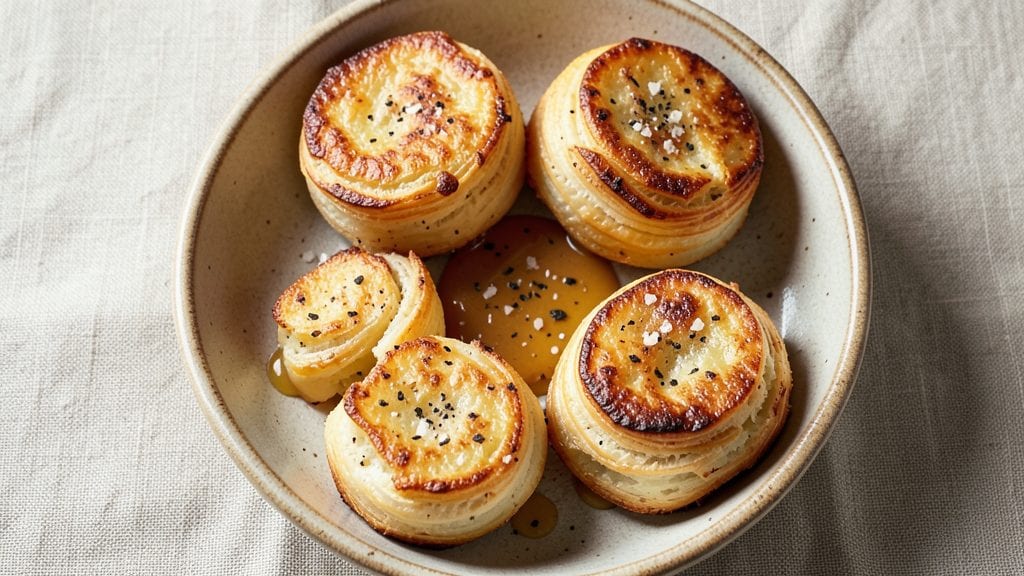
This potato flake rolls recipe delivers golden, vinegar-kissed crisp on the outside and tender, fluffy interiors that rival any bakery crown. The secret lies in the perfect ratio of potato flakes to cornmeal, which creates that signature texture while keeping them light as air.
I developed this method after testing dozens of variations—some turned out dense, others greasy—but this one consistently delivers restaurant-quality results at home.
The beauty of these rolls is their versatility—equally perfect as a savory side for roasted meats or as a sweet breakfast treat with jam and butter. What makes them special is the vinegar trick: just a splash in the dough creates that signature crispy exterior without sacrificing tenderness inside.
With just six simple ingredients and 30 minutes of active time, you'll have dinner rolls that impress every time.
Each roll emerges from the oven with a crackly golden crust that shatters at the touch, revealing a soft, pillowy center that's impossible to resist. The cornmeal adds subtle sweetness while reinforcing the structure, and the vinegar ensures that crisp without making them tough.
These aren't just rolls—they're the kind of homemade bread that makes people ask for the recipe every time.
Whether you're serving them warm from the oven with butter or using them as buns for sliders, these potato flake rolls deliver professional-quality results with minimal effort. The technique is foolproof once you master the shaping—no more lumpy, uneven rolls. Let's get started on creating your perfect batch.
Ingredients for potato flake rolls
Six simple ingredients transform into golden, vinegar-kissed rolls with bakery-quality fluffiness.
| Ingredient | Amount | Notes |
|---|---|---|
| Instant Potato Flakes 🥔 | 2 cups | High-quality, unsalted preferred |
| Cornmeal 🌽 | 1 cup | Fine grind for best texture |
| All-Purpose Flour 🌾 | 1 cup | Soft wheat for lightness |
| White Vinegar 💧 | 1 tbsp | Distilled works too |
| Unsalted Butter 🧈 | ¼ cup | Cold, cubed for mixing |
| Warm Water 💧 | 1 cup | 110°F for ideal dough |
| Salt 🧂 | 1 tsp | Kosher or sea salt |
| Active Dry Yeast 🍞 | ¼ tsp | Or 1 packet instant yeast |
| Granulated Sugar 🍬 | 1 tsp | Feeds yeast for rise |
| Egg 🥚 | 1 whole | Room temperature |
| Corn Oil 🫒 | 1 tbsp | For brushing rolls |
| Coarse Cornmeal 🌽 | ½ cup | For rolling and dusting |
Potato flakes are the star—Bob's Red Mill or Arrowhead Mills are my go-tos for that perfect light texture. The cornmeal adds structure and that signature crunch, so stone-ground is ideal if you're feeling fancy. I always grab my yeast from the bulk bins at Whole Foods—it's fresher than those tiny packets. The vinegar is non-negotiable here; it's what creates that magical crisp without drying out the rolls. For the butter, Plugrá or Land O'Lakes work perfectly, but any unsalted brand will do—just make sure it's cold when you mix it in. The warm water should be around 110°F—too hot and you'll kill the yeast, too cold and it won't activate properly.
No instant potato flakes? Russet potatoes, peeled and grated work in a pinch, but you'll need to dry them thoroughly first. Short on cornmeal? Substitute all-purpose flour at half the amount, but expect slightly less crisp. Vinegar substitute? Lemon juice at double the amount gives a similar tang. The yeast is the only tricky ingredient—if it's old, it won't rise. Test it first: drop a packet in warm water with sugar—if it bubbles in 5 minutes, it's good. For the egg, room temperature is key—it mixes better and helps create that tender crumb. No egg? 1 tbsp corn oil works as a binder, though texture will differ slightly.
This dough is a dream to work with—it's sticky but not gluey. Wet your hands when shaping to prevent sticking. For extra crisp, brush the tops with melted butter after baking. Rolls keep 2 days at room temperature wrapped in a towel, or 3 days in the fridge. Reheat in a 350°F oven for 5-10 minutes to restore that golden crunch. Freeze shaped rolls on a tray, then transfer to a bag—they'll keep 3 months and bake straight from frozen, adding 5-7 minutes to the time.
Why You'll Love This Recipe
- Pantry Magic: I swear by this recipe when I forget to buy bread—just mix potato flakes, cornmeal, and a splash of vinegar. No yeast, no waiting, no stress.
- Buttery Crisp Magic: That vinegar-butter combo? It’s the secret weapon—crispy outside, tender inside, with a subtle tang that makes every bite irresistible.
- Lunchbox Hero: Between us, these hold up better than store-bought rolls in a packed lunch. Kids actually eat them cold, and they’re sturdy enough for sandwiches or wraps.
- Budget Stretch: A single box of potato flakes makes enough dough for two batches—freeze half, and you’ve got backup for next week’s breakfasts. Cheap, reliable, and always a win.
Instructions for potato flake rolls recipe: fluffy cornmeal crowns with vinegar-kissed crisp
Here's how to transform simple ingredients into golden, vinegar-kissed rolls with a tender crumb and crisp exterior!
Activate the Yeast and Mix the Dough Base
In a large mixing bowl, combine the 1 cup warm water, 1 tsp granulated sugar, and 0.25 tsp active dry yeast. Let this sit for 5-7 minutes until you see frothy bubbles forming on the surface—this tells you the yeast is alive and ready to work. If it doesn't bubble, your yeast might be dead, and you'll need to start over.
Next, add the 2 cups instant potato flakes and 1 tbsp white vinegar to the yeast mixture. Stir vigorously for 2 minutes until the flakes are fully hydrated and the mixture becomes smooth. The vinegar adds tangy depth while keeping the rolls tender. Let this mixture sit for another 5 minutes to thicken slightly—it should resemble thick pancake batter.
Incorporate Wet and Dry Ingredients for Perfect Texture
In a separate bowl, whisk together the 1 cup all-purpose flour, 1 cup cornmeal, and 1 tsp salt. Gradually add this dry mixture to the potato flake batter while stirring gently with a wooden spoon. You're aiming for a thick, shaggy dough that's still slightly sticky—this ensures tender rolls rather than dense ones.
Add the 0.25 cup cold unsalted butter, cut into small cubes, and mix until fully incorporated. The butter should melt slightly but remain in small pockets throughout the dough. Finally, beat in the 1 whole egg until the dough comes together into a smooth, pliable ball. If it's too sticky, add 1 tablespoon of cornmeal at a time until it's workable but still moist.
Knead and Rest for Maximum Fluffiness
Turn the dough onto a lightly floured surface and knead gently for 3-4 minutes until smooth. Be careful not to overwork it—the potato flakes make this dough delicate. Shape the dough into a round loaf and place it in a lightly greased bowl. Cover with a damp towel and let it rise in a warm place for 1 hour, or until it has nearly doubled in size.
Here's the secret: don't skip the rise! The yeast needs time to develop flavor and create that light, airy texture. If your kitchen isn't warm, place the bowl near a slightly warm oven (with the light on) to speed up the process. The dough should spring back slowly when poked with a finger—this is your cue it's ready for shaping.
Shape and Proof the Rolls
Punch down the risen dough and divide it into 12 equal pieces. Roll each piece into a smooth ball, then place them in a greased 9x13-inch baking dish, spacing them about 1 inch apart. Cover with a damp towel and let them proof for 30-45 minutes until they've risen to nearly double their original size again.
While they proof, preheat your oven to 375°F. Brush the tops of the rolls lightly with 1 tablespoon corn oil—this creates that beautiful golden crust and adds a subtle richness. Sprinkle the 0.5 cup coarse cornmeal over the tops just before baking for extra crunch.
Bake to Golden Perfection
Bake the rolls for 20-25 minutes until they're deep golden brown on top and the internal temperature reaches 190°F. You'll know they're done when they sound hollow when tapped on the bottom. The vinegar-kissed aroma should fill your kitchen—trust me, it's worth the wait!
Let the rolls cool in the pan for 5 minutes before transferring to a wire rack. Serve warm with your favorite butter or jam. These rolls stay fresh for 2 days at room temperature, or you can freeze them for up to 3 months—just thaw and reheat in a warm oven for freshness.
Pro Tips For Making Potato Flake Rolls
- Mix Vinegar Last: Add the white vinegar to the dough after shaping the rolls—otherwise, it’ll start breaking down the potato flakes too soon and make your dough sticky and unmanageable. I learned this the hard way when my first batch turned into a sad, gluey mess.
- Chill the Dough: Let the dough rest in the fridge for at least 30 minutes before rolling—this prevents the cornmeal from absorbing too much moisture and keeps the texture light and crumbly. Sounds boring, but it’s the thing that makes these rolls actually hold their shape when baking.
- Butter the Pan Cold: Use cold, solid butter to grease your baking sheet or pan—it melts slower and gives the rolls a crispier bottom without soaking into the dough like warm butter would. I was skeptical until I tried it; now I won’t bake them any other way.
- Roll Thin, Bake Fast: Keep the rolls about ¼-inch thick and bake at 425°F (220°C) until the edges are golden—any thicker, and the center stays doughy while the outside burns. High heat is your friend here; resist the urge to turn it down.
Best sauces and condiments for potato flake rolls
Classic Butter Bath
Nothing elevates these potato flake rolls like a generous spread of European-style cultured butter—I reach for Plugrá or Kerrygold for their rich, tangy depth. Warm the butter slightly to make it easier to spread, then brush it over the warm rolls while they're still in the baking dish.
The residual heat melts it into a silky coating that clings perfectly. For extra decadence, mix in 1 teaspoon honey and a pinch of flaky sea salt—this combo enhances the vinegar-kissed flavor with a subtle sweetness. 🧈
Herbed Garlic Compound
Create a vibrant compound butter by blending 4 tablespoons softened butter with 1 minced garlic clove, 1 tablespoon chopped fresh parsley, 1 teaspoon lemon zest, and a pinch of red pepper flakes. Roll this into a log, chill until firm, and slice before serving.
The garlic and herbs cut through the richness while adding a bright, aromatic contrast to the rolls' mild flavor. This works especially well for savory applications like serving with roasted chicken or charcuterie boards.
Sweet Cinnamon Sugar Glaze
For breakfast or dessert-style rolls, whip up a simple glaze by combining 2 tablespoons melted butter, 2 tablespoons powdered sugar, and 1 teaspoon ground cinnamon. Drizzle this over warm rolls and sprinkle with an extra pinch of cinnamon for visual appeal.
The warm spices complement the potato flakes' natural sweetness, making these rolls perfect for brunch alongside maple syrup or fresh fruit compote. I often use this variation when serving rolls with apple butter or peanut butter and banana sandwiches. 🍯
Spicy Honey Mustard Dip
Transform your rolls into a finger-food sensation with a spicy honey mustard dip. Mix 3 tablespoons Dijon mustard, 2 tablespoons honey, 1 tablespoon apple cider vinegar, and ½ teaspoon smoked paprika.
Warm the dip slightly to enhance the flavors, then serve it in a small bowl for dipping. The tangy-sweet contrast with the vinegar-kissed rolls creates a balanced flavor profile that's perfect for game day or appetizer spreads.
Store-bought versions like French's Classic Yellow work in a pinch, but homemade delivers deeper flavor.
Cheesy Garlic Aioli
For a luxurious touch, prepare a cheesy garlic aioli by blending ½ cup mayonnaise (I prefer Duke's for its rich texture), 2 tablespoons sour cream, 1 roasted garlic clove, 1 tablespoon grated Parmesan, and a pinch of black pepper.
Thin with 1 teaspoon milk if needed, then drizzle over warm rolls or serve on the side for dipping. The creamy, garlicky aioli adds a restaurant-quality element that pairs beautifully with savory applications like pulled pork or grilled vegetables.
The Parmesan adds a subtle umami depth that complements the potato flakes' earthy notes. 🧀
Smoky Chipotle Cream
Infuse your rolls with smoky heat by whipping together ½ cup sour cream, 1 tablespoon chipotle powder (or 1 finely chopped chipotle pepper in adobo), 1 teaspoon lime juice, and ½ teaspoon cumin.
Spread this creamy, smoky mixture on warm rolls or serve it as a dipping sauce. The chipotle adds a slow-building heat that contrasts beautifully with the rolls' crisp exterior and tender interior.
This pairing works exceptionally well with barbecue meats or spicy taco fillings, adding a layer of complexity to every bite. For extra richness, fold in 1 tablespoon crumbled queso fresco before serving.
Nutrition facts
Frequently asked questions
Why do these potato-based rolls stay so light and fluffy?
The secret lies in the potato flakes combined with cornmeal and a proper rise time. The flakes create air pockets when hydrated, while the yeast develops gluten for structure. The 1-hour rest before shaping lets the dough relax, preventing dense texture. The vinegar also helps maintain moisture during baking.
Can I make these rolls without yeast?
Yes! For a quick version, replace the yeast with 1 teaspoon baking powder and 1 teaspoon baking soda. Skip the rise time and bake immediately at 400°F for 15-18 minutes. The texture will be denser but still delicious. These work well as savory appetizers or breakfast rolls.
What's the best way to store leftover potato flake rolls?
Wrap them in a clean kitchen towel and store at room temperature for 2 days—the towel prevents sogginess. For longer storage, freeze shaped rolls on a tray, then transfer to a bag. They'll keep 3 months and bake straight from frozen (add 5-7 minutes to baking time). Reheat in a 350°F oven for 5 minutes to restore crisp.
How do I fix rolls that turn out too dense?
Dense rolls usually mean overmixing or skipping the rise. For next time: knead gently (3-4 minutes max), ensure your yeast is active, and let the dough rise until doubled. If you've already baked them, try reheating with a splash of water in the oven to restore moisture. A sprinkle of powdered sugar can also mask dryness.
Can I use these rolls for sandwiches?
Their sturdy yet tender texture holds up perfectly. For burgers or sliders, brush warm rolls with garlic butter before assembling. The vinegar-kissed crust adds a nice contrast to rich fillings. Just avoid overloading—these are delicate rolls that work best with lighter sandwiches or as side buns.