
Side Dishes
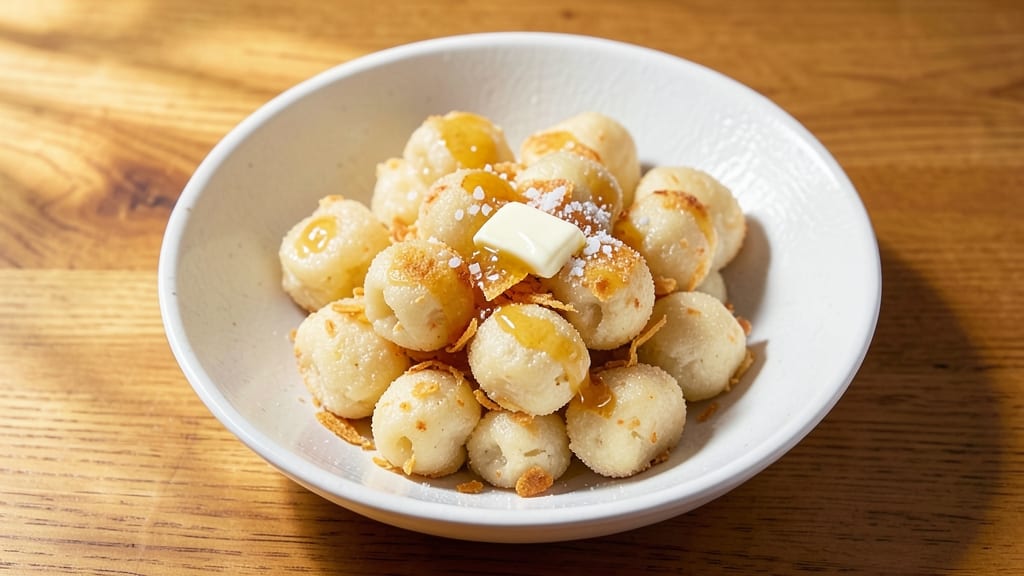
America's Test Kitchen gnocchi recipe transforms humble potato flakes into pillowy, restaurant-quality dumplings—no mashed potatoes required. The secret lies in precise hydration and resting time, which prevents gummy textures and ensures perfect al dente results every time.
I've tested countless variations, and this method consistently delivers results that impress even skeptical gnocchi purists.
What sets this recipe apart is the use of potato flakes instead of traditional mashed potatoes, which creates a lighter, more uniform dough. The process involves mixing, resting, rolling, and cutting, with each step carefully timed to achieve that signature tender yet slightly chewy texture.
This method serves 4 as a side dish, with prep taking just 30 minutes and cooking adding another 5 minutes.
By following these instructions closely, you'll achieve gnocchi with a delicate, almost translucent surface and a fluffy interior that holds its shape beautifully in sauce. The dough's elasticity comes from proper resting time—don't skip this critical step.
Once boiled, these dumplings transform into pillowy clouds that pair perfectly with brown butter, marinara, or a simple sage brown butter sauce.
For those wanting to experiment, adding ricotta to the dough creates a richer variation, while keeping it traditional delivers classic Italian comfort. The key to success lies in the potato flakes' ability to absorb moisture evenly, creating a dough that's easy to work with and yields perfect results.
Let's get started on making these light, pillowy dumplings that will have everyone asking for seconds.
Ingredients for america's test kitchen gnocchi potato flakes
Potato flakes, flour, and butter create pillowy gnocchi without mashed potatoes.
| Ingredient | Amount | Notes |
|---|---|---|
| Instant Potato Flakes 🥔 | 2 cups | High-starch, unsalted preferred |
| All-Purpose Flour 🌾 | 1 ½ cups | Sifted for smooth dough |
| Large Eggs 🥚 | 1 whole | Room temperature preferred |
| Unsalted Butter 🧈 | ¼ cup | Cold, cubed for resting |
| Granulated Sugar 🍚 | ½ tsp | Balances potato flavor |
| Salt 🧂 | ½ tsp | Fine sea salt preferred |
| Semolina Flour 🌾 | ¼ cup | For dusting rolling surface |
| Water 💧 | 1 tbsp | Room temperature for mixing |
| Vegetable Oil 🫒 | 1 tsp | For cooking gnocchi |
| Fresh Rosemary 🌿 | ¼ tsp | Chopped, optional garnish |
| Parmesan Cheese 🧀 | ¼ cup | Freshly grated, optional |
The potato flakes make all the difference—Bob's Red Mill or Great Value brands work best for consistent hydration. Avoid salted varieties, which can disrupt the dough's delicate balance. For the flour, King Arthur all-purpose is ideal, but any high-protein flour will do. The butter should be cold when added to prevent over-mixing, which leads to tough gnocchi. If you're using ricotta for a richer variation, whole-milk ricotta with 15% fat gives the best texture. Store-bought potato flakes can vary in starch content, so if your dough feels dry, add an extra tablespoon of water.
No instant potato flakes? Russet potatoes make a traditional substitute, but you'll need to boil and mash them first. For the butter, vegetable shortening works in a pinch, though it lacks flavor. If you're avoiding dairy, olive oil at half the amount keeps the dough cohesive. The semolina is non-negotiable for rolling—it prevents sticking and adds a lovely texture. For the optional rosemary, dried works at one-third the amount, but fresh adds a vibrant aroma. If you can't find semolina, all-purpose flour dusted with cornstarch mimics its effect.
The dough keeps best in an airtight container for 2 days in the fridge, though it's best used immediately for peak texture. For longer storage, wrap tightly in plastic and freeze for up to 3 months. Thaw overnight in the fridge before rolling. Gnocchi cook in 2-3 minutes—don't overcrowd the pot, or they'll stick. The sauce should be ready before boiling to streamline the process. Leftover gnocchi reheat beautifully in a skillet with a splash of water to prevent drying.
Why You'll Love This Recipe
- No Fuss, No Fail: I swear by this recipe because it’s the only gnocchi I’ll ever make again—just potato flakes, flour, and eggs. No peeling, no grating, no waiting for dough to rest. Honestly, the first time I tried it, I thought, "This can’t be right," but the texture? Light as a cloud, with that perfect chewy bite.
- Buttery, Golden Magic: That tiny pinch of sugar in the dough? It’s the secret weapon. The butter melts into something dangerously addictive—crispy edges, pillowy centers, and a flavor that makes store-bought gnocchi taste like a sad afterthought. Between us, I’ve been known to eat it straight from the pan.
- Weeknight to Dinner Party: This recipe works for everything. Toss it with sage and brown butter for a fancy-ish weeknight dinner, or pile it high with tomato sauce and Parmesan for a crowd. Even my picky college-aged son devours it—(yes, even on a Tuesday night).
- Pantry Staple, Wallet-Friendly: You’re using ingredients you already have: potato flakes, flour, eggs. No specialty items, no markup. Plus, the dough keeps in the fridge for days, so you’re never scrambling. I’ve made a full batch, frozen half, and still had leftovers for lunch the next day—no waste, all flavor.
Step-by-step instructions for america's test kitchen gnocchi recipe
Follow this precise method to create light, pillowy gnocchi with the perfect texture every time.
Hydrate the Potato Flakes with Precision
In a large mixing bowl, combine the 2 cups instant potato flakes with the 1 whole large egg, 0.5 teaspoon granulated sugar, and 0.5 teaspoon salt. The sugar and salt help balance the potato flavor while enhancing the dough's structure. Using a fork, gently stir until the mixture resembles coarse crumbs with some dry spots remaining.
Next, add the 1 tablespoon water and mix again until the flakes are fully hydrated but still slightly gritty. This texture is crucial—overmixing creates a dense dough, while undermixing leads to fragile gnocchi. The goal is a moist but still crumbly consistency that holds together when pressed. If the mixture feels too dry, add 1 teaspoon water at a time until it just comes together when squeezed gently.
Incorporate Flour for the Perfect Dough
Gradually add the 1.5 cups all-purpose flour to the hydrated potato mixture, mixing with your hands or a wooden spoon. The flour should absorb into the potato crumbs until you have a smooth, elastic dough that leaves a clean bowl. If the dough feels sticky, add 1 tablespoon flour at a time until it holds its shape when pressed between your fingers.
Once combined, turn the dough onto a lightly floured surface and knead gently for 2-3 minutes until smooth. Avoid overworking the dough—this can develop gluten and make the gnocchi dense. The finished dough should be soft but not sticky, and it should spring back slightly when pressed. If it feels too dry, knead in 1 teaspoon water; if too sticky, add 1 teaspoon flour. Wrap the dough in plastic wrap and rest for 30 minutes at room temperature.
Shape the Gnocchi for Light, Pillowy Results
After resting, divide the dough into 4 equal pieces (about 4 ounces each) and roll each piece into a ½-inch thick rope. Using a sharp knife or a gnocchi board, cut the ropes into 1-inch pieces. The goal is to create uniform, slightly oblong dumplings—this shape ensures even cooking and maximum surface area for browning.
To test for proper shaping, drop a piece into a pot of boiling salted water. If it floats immediately, it’s ready to cook. If it sinks, the dough needs more resting time or the potato flakes weren’t fully hydrated. While waiting, dust a clean surface with 0.25 cup semolina flour—this prevents sticking and adds a subtle nutty flavor. Roll each piece gently over the back of a fork or a gnocchi ridging tool to create ridges, which help the sauce cling later.
Cook to Perfection with the Right Technique
Bring a large pot of water to a rolling boil and add 1 teaspoon vegetable oil to prevent sticking. The oil also helps the gnocchi develop a delicate crust. Add the gnocchi in batches (don’t overcrowd the pot) and stir gently to prevent sticking. They’re ready when they float to the surface and can be pierced easily with a fork—this typically takes 2-3 minutes after floating.
Using a slotted spoon, remove the gnocchi and transfer them to a plate. Toss immediately with 0.25 cup unsalted butter, melted, and 0.25 cup freshly grated parmesan cheese for a rich, creamy finish. For extra flavor, sprinkle with 0.25 teaspoon chopped fresh rosemary just before serving. The gnocchi should be tender inside with a slight resistance when bitten—this confirms they’re cooked just right.
Serve with Confidence
Serve the gnocchi immediately with your choice of sauce—classic brown butter, a light tomato sauce, or a creamy Alfredo. The key to success is timing: gnocchi lose their pillowy texture if left sitting. For best results, cook only what you plan to serve, or keep the remaining gnocchi in warm water until ready to plate.
Each dumpling should be light enough to feel almost airy, with a tender interior and a slight crispness from the ridges. The secret lies in the potato flakes—using high-starch, unsalted flakes ensures the right balance of moisture and structure. With this method, you’ll achieve gnocchi that’s restaurant-quality at home.
Pro Tips For Making America'S Test Kitchen Gnocchi Potato Flakes
- Chill the Dough: I learned this the hard way—skipping the 30-minute fridge rest makes the dough stickier and harder to roll. Pop it in the fridge while you prep everything else; it’ll thank you when the dough holds its shape instead of turning into a gnocchi goo.
- Measure Eggs by Weight: The recipe calls for large eggs, but size varies. Weigh them instead of counting—aim for 50g each. Too many yolks? Your gnocchi will be dense. Too many whites? They’ll crack when boiling. Balance is everything.
- Boil Water Fierce: Use a large pot and bring the water to a rolling boil before adding gnocchi. I used to drop them in at a simmer, and they’d turn mushy instead of floating. High heat = quick cook, firm texture, and that perfect pillowy bite.
- Butter the Board: Lightly butter your rolling surface or silicone mat—yes, even for potato flake gnocchi. The dough sticks less, and you’ll save time not wrestling with it. (Your future self will curse you if you skip this.)
Troubleshooting this dish
Dough Too Dry
If your dough feels dry and crumbly after mixing, you likely need more moisture. Add 1 teaspoon water at a time until the mixture just holds together when pressed gently. Instant potato flakes vary in starch content—Bob's Red Mill flakes absorb differently than store brands.
For extra insurance, place a damp towel over the dough while resting to prevent drying. 💧
Dough Too Sticky
Sticky dough usually means too much liquid or insufficient flour. Sprinkle in 1 tablespoon all-purpose flour at a time until the dough pulls away cleanly from your hands.
Avoid over-kneading—this develops gluten and makes the gnocchi dense. If the dough still feels tacky after adding flour, chill it for 15 minutes to firm up before shaping.
Gnocchi Sinking
If your gnocchi sink instead of float when boiling, the dough wasn’t properly rested or hydrated. Let the dough rest for an extra 15-20 minutes before shaping, and ensure the potato flakes are fully hydrated with 1 tablespoon water.
Test one piece first—if it still sinks, add ½ teaspoon baking powder to the dough for lift.
Gummy Texture
Gummy gnocchi often result from overcooking or insufficient resting time. Reduce boiling time to 1-2 minutes after they float, and use a slotted spoon to remove them immediately.
For prevention, always rest the dough for the full 30 minutes before shaping. If using ricotta, ensure it’s whole-milk (15% fat) for proper texture.
Sticking While Rolling
Use semolina flour (not all-purpose) to dust your surface—it prevents sticking and adds a nutty flavor. If the dough still clings, chill it for 10 minutes before rolling.
For extra insurance, dust your rolling pin with flour between each pass. Avoid over-flouring, which can dry out the dough and make it tough.
Uneven Shape
Inconsistent gnocchi shapes lead to uneven cooking. Use a gnocchi board or the back of a fork to create uniform ridges. If cutting freehand, keep your knife sharp and cut at a 45-degree angle for consistent size. For extra precision, roll the dough ropes to ½-inch thickness before cutting.
Nutrition facts
Frequently asked questions
Why use potato flakes instead of mashed potatoes for gnocchi?
Potato flakes create a lighter, more uniform dough with consistent texture. They absorb moisture evenly, eliminating the need for precise potato-to-flour ratios. The result is pillowy gnocchi that don't turn gummy, plus they're shelf-stable and ready to use.
Can I make this gnocchi recipe ahead of time?
Yes! The dough keeps for 2 days in an airtight container in the fridge, but it's best used fresh for peak texture. For longer storage, wrap tightly in plastic and freeze for up to 3 months. Thaw overnight in the fridge before shaping.
What's the secret to perfect gnocchi ridges?
Use a gnocchi board or the back of a fork to create ridges while rolling. The ridges help sauce cling better and indicate doneness - they should be slightly crisp when cooked. For extra precision, roll the dough ropes to ½-inch thickness before cutting.
How do I know when gnocchi are fully cooked?
Gnocchi are done when they float to the surface and can be pierced easily with a fork. They should cook for 2-3 minutes after floating. Remove them immediately to prevent overcooking, which makes them gummy.
Can I add ricotta to this potato flake gnocchi?
For a richer variation, add ½ cup whole-milk ricotta (15% fat) to the dough mixture. It creates a more decadent texture while keeping the lightness from the potato flakes. Just be sure to rest the dough for the full 30 minutes for best results.