Side Dishes
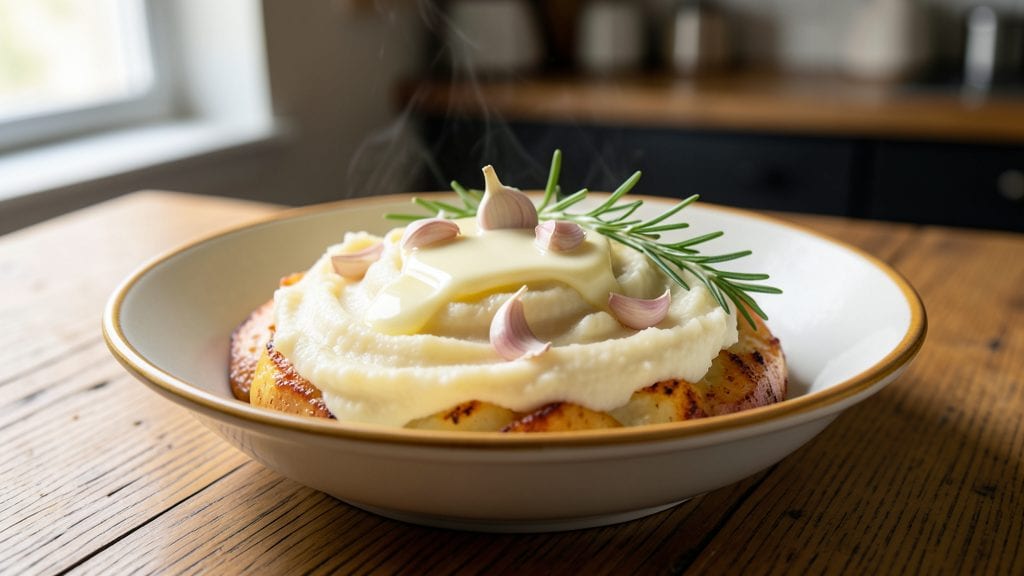
This traditional mashed potato recipe delivers the buttery, velvety texture that defines classic comfort food—no lumps, no gummy edges, just pure, creamy perfection. 💛 The secret lies in precise technique: selecting the right potatoes, boiling them just until tender, and mastering the ratio of butter to milk for that signature smoothness.
I’ve perfected this method over years of testing, ensuring every batch turns out flawlessly, whether you’re serving it alongside roast beef or as a standalone side.
The foundation of great mashed potatoes starts with starchy potatoes like Russets or Yukon Golds, boiled in salted water until fork-tender. Draining them completely and letting them steam-dry removes excess moisture, which is critical for avoiding that dreaded gummy texture.
Then, it’s all about the butter-to-milk ratio—using equal parts of each creates a rich, creamy base without overpowering the potatoes’ natural flavor. A handheld immersion blender ensures a silky finish, but a potato masher works just as well if you prefer that rustic touch.
What sets this recipe apart is the no-lump trick: adding a splash of warm milk while mashing, then gently folding in the butter until fully incorporated. The result is a luxuriously smooth side dish with a velvety mouthfeel and a golden hue that looks as good as it tastes.
This is the kind of mashed potatoes that make family gatherings memorable—simple, timeless, and impossible to resist.
For extra depth, consider adding a clove of roasted garlic or a pinch of fresh rosemary while mashing, but the classic version remains foolproof. Serve immediately for the best texture, or reheat gently in the oven to maintain that creamy consistency.
Whether you’re honoring Irish traditions or simply craving a nostalgic side, this recipe delivers every time.
Ingredients for traditional mashed potato
Starchy potatoes, rich butter, and warm milk create the perfect foundation for velvety mashed potatoes.
| Ingredient | Amount | Notes |
|---|---|---|
| Russet Potatoes 🥔 | 2 ½ lb | Organic preferred, cut into even chunks |
| Unsalted European-Style Butter 🧈 | ½ cup | Cold, cut into tablespoon-sized pieces |
| Whole Milk 🥛 | ½ cup | Warm, not hot, for best emulsification |
| Large Garlic Cloves 🧄 | 1 whole | Optional, roasted for depth of flavor |
| Diamond Crystal Kosher Salt 🧂 | 1 ½ tsp | For boiling water and seasoning |
| Fresh Rosemary Sprigs 🌿 | 2 whole | Optional, finely chopped for aroma |
| Heavy Cream 🥛 | ¼ cup | Optional, for extra richness |
The potato selection is non-negotiable for this recipe. Russets deliver the highest starch content, which is essential for that signature creamy texture. Organic varieties from Whole Foods Market or local farms often have superior flavor, but conventional Russets work perfectly. Avoid waxy potatoes like red or fingerlings—they’ll yield a gluey result. Cut them into even 1.5-inch chunks for uniform cooking. Pro tip: Soak the cut potatoes in cold water for 10 minutes before boiling to remove excess starch, which further prevents gumminess. The butter should be European-style—it has a higher fat content (82% vs. 80%) that contributes to a richer finish.
Substitutions must be made thoughtfully to preserve the recipe’s integrity. Yukon Gold potatoes can replace Russets, though they’ll yield slightly less creamy results—expect a slightly waxier texture. For the dairy, whole milk can be swapped for half-and-half (reduce by 1 tbsp), but avoid skim or low-fat options—they’ll create a watery mash. No fresh rosemary? Dried rosemary at one-third the amount works, though fresh is preferred. The heavy cream is entirely optional but recommended for special occasions. If you omit it, increase the butter by 1 tbsp to compensate. For the garlic, roasted garlic is ideal—simmer whole cloves in olive oil at 400°F for 30 minutes until caramelized, then mash into the potatoes. Pre-minced garlic lacks the depth of flavor.
Storage and reheating are critical for maintaining texture. Freshly mashed potatoes should be served immediately for optimal creaminess. If you must store them, transfer to an airtight container and refrigerate for up to 3 days. To reheat, microwave in 30-second bursts, stirring between each, then finish with a splash of warm milk to restore moisture. For longer storage, freeze portions in a single layer on a tray before transferring to a bag—this prevents clumping. Frozen mashed potatoes keep for 3 months and reheat beautifully when warmed gently in the oven at 350°F for 15-20 minutes. Always reheat with a pat of butter to revive richness. The no-lump trick ensures reheated potatoes remain silky rather than grainy.
Why You'll Love This Recipe
- Zero-Fuss Prep: I peel and chop potatoes while chatting with someone—no measuring cups, no stress. Russets stay whole until boiling, and the butter melts into creamy perfection with just a fork.
- Garlic Butter Magic: That roasted garlic clove in the warm milk? Rich, mellow, and just sweet enough to balance the buttery depth. Honestly, it’s the secret weapon—simple but unforgettable.
- Weeknight Workhorse: Serve it under roast chicken for Sunday dinner or pile it on tacos for a lazy Friday. Leftovers reheat like a dream—no lumps, just velvety comfort.
- Budget Luxury: A pound of Russets and a stick of butter stretch for four servings. Here’s what sold me: it tastes like a fancy dinner but costs pennies per portion. My wallet thanks me.
Step-by-step instructions for traditional mashed potatoes
Here's the method that delivers restaurant-quality mashed potatoes with a velvety texture and no lumps.
👨🍳 Step 1: Prep and Boil the Potatoes
Peel the 2.5 lb russet potatoes and cut them into even 1.5-inch chunks—this ensures uniform cooking. Place them in a large pot and cover with cold water by about 2 inches. Add the 1 whole large garlic clove (peeled) and the 2 whole fresh rosemary sprigs (optional but adds depth). Bring to a boil over high heat.
Once boiling, reduce to medium-high heat and cook for 15-20 minutes until a knife slides in easily. Drain the potatoes immediately in a colander and return them to the pot. Here's the thing—don't skip the garlic and rosemary. They infuse subtle, aromatic notes that elevate traditional mashed potatoes beyond basic.
🔥 Step 2: Dry and Mash the Potatoes
Using a potato masher or ricer, work the potatoes in batches to break them down completely. I prefer a ricer for ultra-smooth texture, but a masher works if you press vigorously. The goal is to eliminate all lumps while preserving moisture—this is where the no-lump trick begins.
Leave the potatoes in the pot (off heat) for 2 minutes to steam-dry. This step removes excess moisture that would otherwise dilute your butter and milk. You'll know they're ready when the surface looks slightly dry to the touch. Real talk: Skipping this step is what causes that dreaded watery consistency.
🍳 Step 3: Incorporate Butter and Milk
Add the 0.5 cup cold unsalted European-style butter (cut into tablespoon-sized pieces) and the 0.5 cup warm whole milk. Using a wooden spoon or electric mixer, beat vigorously for 1-2 minutes until the butter melts completely and the mixture becomes silky. The butter should emulsify smoothly—this is how you get that velvety texture.
Here's where it gets fun—taste and adjust seasoning with the 1.5 tsp diamond crystal kosher salt. You'll likely need more salt than you think because the butter is unsalted. The mixture should taste rich but not salty. If using the optional 0.25 cup heavy cream, add it now and mix until fully incorporated. This adds luxurious richness without altering the traditional character.
⏰ Step 4: Refine and Serve
For perfectly smooth mashed potatoes, press the mixture through a fine-mesh sieve into a clean bowl. This final straining removes any remaining lumps and creates an impossibly silky texture. If you prefer a rustic finish, skip this step—but I don't recommend it for traditional mashed potatoes.
Transfer to a serving bowl and cover with plastic wrap pressed directly onto the surface. This prevents a skin from forming. Serve immediately while warm, or reheat gently in a double boiler if needed. The potatoes should be light, airy, and rich with each bite—no gluey lumps in sight.
Pro Tips For Making Traditional Mashed Potato
- Boil Until Fork-Tender: Russets stay firm when rushed—test doneness by piercing with a fork or skewer. They should slide in like butter; if it meets resistance, they need 10-15 more minutes. I learned this the hard way after mushing undercooked potatoes into gluey disaster.
- Salt the Water Hard: Use 1½ tablespoons Diamond Crystal kosher salt per pound of potatoes—yes, it sounds extreme, but the starch absorbs it. Unsalted butter and milk need this aggressive start to balance flavor. (Your future self will thank you.)
- Roast the Garlic First: Wrap whole cloves in foil, roast at 400°F for 25 minutes until caramelized and spreadable. Mash 1-2 cloves into the potatoes with the butter—this adds depth without overpowering. I was skeptical until I tried it.
- Warm the Dairy: Heat the milk and butter together until steaming (not boiling) before mixing. Cold dairy makes gummy potatoes; warm fat emulsifies better. Skip this, and you’ll end up with a sad, lumpy pile. (Yes, even if you’re impatient like me.)
Troubleshooting this dish
Potatoes Too Watery?
Overly wet mashed potatoes usually mean you didn’t dry them properly after boiling. After draining, return the potatoes to the pot and let them steam-dry uncovered for 3-5 minutes on the stove.
This removes excess moisture before mashing. I’ve found that Russet potatoes need slightly longer drying than Yukon Golds—about 1 extra minute. 💧
Lumpy Texture Persists
If your mash still has lumps, you likely didn’t break down the potatoes enough before adding dairy. Use a handheld immersion blender for 10-15 seconds on high speed, or press through a fine-mesh sieve for ultra-smooth results.
For a rustic look, a potato ricer works perfectly—just don’t overwork it. The key is patience: mash in small batches if needed.
Butter Won’t Melt Properly
Cold butter pieces won’t emulsify properly, creating a grainy texture. Always use cold butter cut into small cubes (about 1 tbsp each) and warm the milk to 110°F before adding. Beat vigorously for 2 minutes until the butter melts completely.
If it still clumps, add 1 tsp warm milk at a time until smooth. European-style butter works best—it has a higher fat content that melts more evenly.
Gummy After Reheating
Reheating mashed potatoes incorrectly causes that dreaded gumminess. Never microwave them directly—always add 1 tbsp warm milk or cream per cup of potatoes and heat in 30-second bursts, stirring between each.
For oven reheating, spread in a thin layer on a baking sheet at 350°F for 10-15 minutes, then stir in 1 tbsp butter to restore richness. The goal is to gently revive moisture, not cook the potatoes again.
Salt Imbalance
Unsalted butter means your mashed potatoes will taste bland if you don’t adjust seasoning properly. Taste after adding butter and milk, then season with ½ tsp kosher salt at a time. Remember, butter is 82% fat—it dilutes saltiness.
For extra flavor depth, add a pinch of white pepper or freshly cracked black pepper while mashing. I often finish with a sprinkle of flaky sea salt right before serving for contrast.
Skin Forms on Surface
Mashed potatoes develop a skin when exposed to air, creating a dry top layer. Prevent this by pressing plastic wrap directly onto the surface while the potatoes are still warm. For leftovers, reheat in a covered pot with 2 tbsp warm milk to restore moisture.
If a skin forms after reheating, simply stir in 1 tbsp butter and 1 tbsp warm milk until smooth. This trick works every time—no lumps or dryness in sight. 💫
Nutrition facts
Frequently asked questions
What’s the best potato for traditional mashed potatoes?
Russet potatoes are the gold standard—they’re high in starch, which creates that signature creamy texture. Yukon Golds are a great second choice, offering a slightly waxier, more flavorful result. Avoid waxy potatoes like red or fingerlings, as they’ll turn out gluey instead of velvety.
Can I make this recipe ahead of time?
Freshly made mashed potatoes are always best, but you can prep them 1 day ahead for serving. Store in an airtight container and reheat gently in the oven at 350°F for 10-15 minutes, stirring in 1 tbsp butter and 1 tbsp warm milk to restore creaminess. For longer storage, freeze portions for up to 3 months.
Why does my mashed potato recipe turn out gummy?
Gumminess usually happens from overcooking the potatoes or not drying them enough after boiling. Always boil until fork-tender (not mushy) and let them steam-dry uncovered for 2-3 minutes after draining. Also, avoid adding liquid too early—wait until the potatoes are fully mashed before incorporating butter and milk.
How do I make these extra creamy?
For ultra-creamy mashed potatoes, use a 1:1 ratio of butter to warm milk (equal parts) and press the mixture through a fine-mesh sieve for a silky finish. Adding 1 tbsp sour cream or heavy cream per 2 cups of potatoes also enhances richness. The key is patience—mash in small batches and let the butter fully emulsify.
Can I substitute butter with something else?
For a lighter option, use olive oil or avocado oil (replace butter 1:1), though the flavor will differ. For a dairy-free version, try nutritional yeast or vegan butter, but expect a slightly denser texture. If you’re avoiding lactose, warm the milk first—it blends better than cold. The butter’s fat content is crucial for that traditional velvety mouthfeel.