Side Dishes
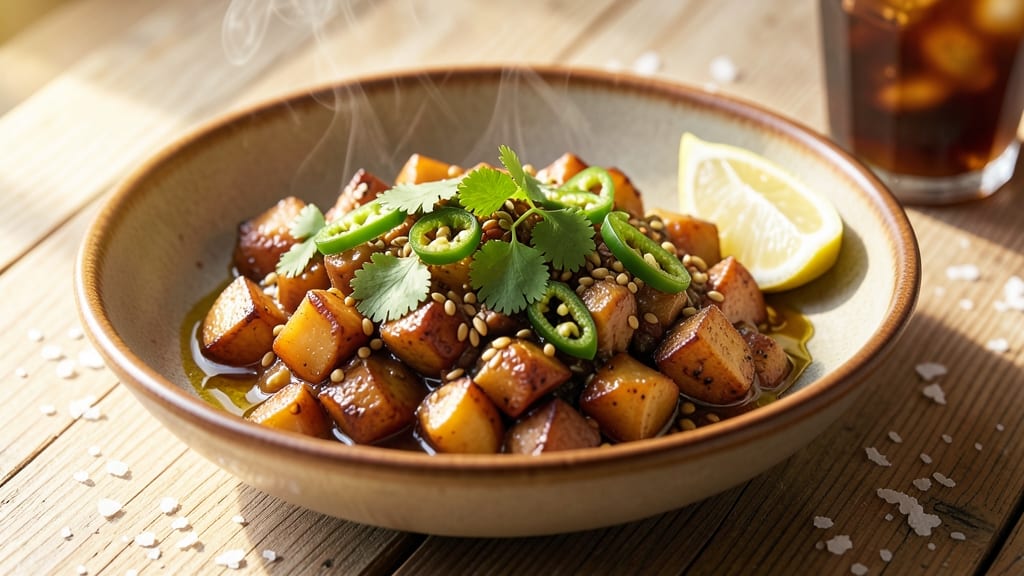
This potato chutney recipe transforms humble boiled potatoes into a vibrant, tangy spread that elevates every meal from breakfast to dinner. The secret lies in balancing spices like cumin and mustard seeds with fresh herbs and a bright lemon-tamarind base.
I developed this version after perfecting the texture—creamy yet chunky, with just enough bite to cut through rich dishes.
What makes this chutney special is its versatility—spread it on toast, mix it into rice, or serve it with dosas and idlis. The process is straightforward: boil and mash potatoes, temper spices in hot oil, then blend everything into a smooth yet textured consistency.
No special equipment needed beyond a blender or mortar and pestle.
By the time you finish blending, you'll have a chutney that's fragrant with cumin and cilantro, with a tangy kick from lemon juice and a subtle sweetness from tamarind. The spices bloom beautifully when tempered properly, creating layers of flavor that develop even better after resting for 30 minutes.
This is the kind of condiment that turns simple meals into memorable ones.
Store it in an airtight container in the refrigerator for up to 5 days, or freeze for longer shelf life. The flavors only deepen over time, making it perfect for meal prep. Let's make this chutney that works as hard as you do in the kitchen.
Ingredients for potato chutney
Ten simple ingredients create this vibrant, tangy potato chutney that works with everything.
| Ingredient | Amount | Notes |
|---|---|---|
| Russet Potatoes 🥔 | 2 lbs | Boiled until tender, peeled |
| Yellow Mustard Seeds 🌶️ | 1 tbsp | Whole, for tempering |
| Cumin Seeds 🌿 | 1 tbsp | Toasted for aroma |
| Fresh Cilantro Leaves 🌿 | ½ cup | Stems removed, packed |
| Green Chilies 🌶️ | 2 whole | Fresh, seeded, chopped |
| Lemon Juice 🍋 | ¼ cup | Freshly squeezed |
| Tamarind Paste 🍯 | 2 tbsp | Adjust for tanginess |
| Extra-Virgin Olive Oil 🫒 | ½ cup | For tempering spices |
| Salt 🧂 | 1 tsp | Adjust to taste |
| Asafoetida Powder 🌶️ | ¼ tsp | Optional, for depth |
Russet potatoes are your best bet for this chutney—they mash smooth and absorb flavors well. Buy organic if you can, or at least look for firm, unblemished potatoes. The mustard seeds and cumin should be whole and toasted for that authentic bloom. Trader Joe's or Indian grocery stores usually have great spice options, but the regular grocery store works too. Fresh cilantro is key—it adds that bright, herbal note that makes this chutney special. If you're short on time, dried cilantro works, but it won't be the same.
No mustard seeds? Substitute with 1 tsp ground mustard, but you'll lose that satisfying pop. Fresh green chilies can be swapped for red chili powder (1/2 tsp), but go easy—this chutney is supposed to be tangy, not spicy. For tamarind paste, lemon juice or vinegar will work in a pinch, but the flavor won't be quite the same. The olive oil matters here—use something fruity and high-quality. The asafoetida is optional, but if you love that umami depth, it's worth adding. Just a pinch goes a long way.
This chutney tastes even better the next day as the flavors meld. Store it in an airtight container in the fridge for up to 5 days. For longer storage, freeze in ice cube trays—just thaw and blend again before using. The texture might thicken slightly after refrigeration, so add a splash of water or lemon juice to loosen it up. It's perfect for meal prep—make a big batch and keep it on hand for quick meals.
Why You'll Love This Recipe
- No-Chop Shortcut: I swear, this is the only chutney where I actually skip dicing potatoes—just boil, mash, and blend. The mustard seeds and cumin sizzle in oil while I’m still wiping my hands, and by the time the chilies hit, the whole thing’s ready.
- Tangy Crunch Magic: That first bite? Creamy potatoes meet bright cilantro and a kick from green chilies—like a hug for your taste buds. Honestly, the mustard seeds add this deep, toasty warmth that makes it ridiculously hard to stop eating.
- Lunchbox Hero: Pack it with roti or flatbread for a school lunch, or slather it on sandwiches when you’re too tired to cook. My kids ask for it every week, and it’s the only thing that survives their backpacks without getting squished.
- Pantry Goldmine: Russets are cheap, spices last forever, and a big batch keeps for days. I make this when I’m broke or lazy—same result. Plus, the leftovers taste even better the next day, like some kind of chutney alchemy.
Step-by-step instructions for potato chutney
This spiced, tangy spread comes together with just a few simple techniques and bold flavors.
Boil and Mash the Potatoes
Place the 2 lbs russet potatoes in a pot and cover with cold water. Add 1 tsp salt and bring to a boil over medium-high heat. Once boiling, reduce heat to medium and cook for 15-20 minutes until the potatoes are fork-tender and easily pierced with a knife.
Drain the potatoes thoroughly and let them cool slightly. Then, peel away the skins and transfer the potatoes to a clean mixing bowl. Use a potato masher or fork to mash until completely smooth. You want a texture that's free of lumps—this ensures your chutney will be silky and spreadable. Real talk: if you leave any lumps, they'll be noticeable in every bite.
Prepare the Spice Tempering
Heat 0.5 cup extra-virgin olive oil in a small saucepan over medium heat. Add 1 tbsp yellow mustard seeds and 1 tbsp cumin seeds. Let them sizzle for 1-2 minutes until they begin to pop and turn golden brown. This is where the magic happens—the seeds release their nutty, earthy aromas that form the chutney's flavor base.
Immediately remove the pan from heat and stir in 0.25 tsp asafoetida powder. This ingredient adds a savory depth that's subtle but unmistakable. Let the mixture cool for 5 minutes, then pour it over the mashed potatoes. The warm oil will help emulsify the chutney as you blend everything together.
Add Tangy and Fresh Elements
To the warm potato mixture, add 2 tbsp tamarind paste, 0.25 cup lemon juice, 2 chopped green chilies, and 0.5 cup chopped fresh cilantro leaves. Mix everything together thoroughly with a spoon until well combined. The tamarind and lemon juice will create that signature tangy kick, while the chilies and cilantro bring fresh, bright notes to balance the richness.
Taste the mixture and adjust the seasoning. If it needs more salt, add a pinch at a time—you can always add more, but you can't take it away. For extra tang, add a splash more lemon juice. The chutney should be vibrant in color with a balance of sweet, spicy, tangy, and savory flavors. Here's the thing—this is where you can really customize it to your taste.
Blend to Perfection
Transfer the mixture to a blender or food processor. Blend until completely smooth, scraping down the sides as needed. If the chutney is too thick, add 1-2 tablespoons of water at a time until it reaches a spreadable consistency. You're aiming for a texture that's smooth but still clings slightly—this ensures it'll stick to your sandwiches or wraps beautifully.
Taste again and make any final adjustments. The chutney should be vibrant green with a glossy sheen from the olive oil. Let it cool completely before serving. I know it's tempting to eat it right away, but giving it 30 minutes to settle allows all the flavors to meld together perfectly. This patience pays off with every bite.
Pro Tips For Making Potato Chutney
- Boil Potatoes Firm: Russets break down fast—test doneness with a knife after 10 minutes in boiling water. You want resistance, not mush, so aim for just under "fork-tender" (about 12-15 minutes total). Overcooked potatoes turn your chutney into glue.
- Toast Seeds Low: Yellow mustard and cumin seeds burn faster than you think. Start on medium heat, then immediately drop to the lowest setting once they pop. I learned this the hard way—charred seeds ruin the whole dish.
- Pulse Chilies Coarse: Skip the food processor for green chilies—chop them roughly with a knife. Too-fine blending makes the chutney bitter and watery. Big chunks distribute heat evenly and keep texture intact.
- Reserve Cilantro Last: Add fresh cilantro leaves only at the very end, off the heat. They wilt instantly if cooked, and their bright flavor fades. Toss them in after blending—this is the thing that matters most for freshness.
Storing and reheating your leftovers
Refrigerator Storage
Store your potato chutney in an airtight glass container—I recommend Mason jars or glass Pyrex bowls with tight-sealing lids. Keep it refrigerated at 40°F or below for up to 5 days.
The flavors actually deepen overnight as the spices and acids meld together beautifully. Honestly, the second day is when this chutney really shines—it's like a flavor upgrade! 💫
Freezer Preservation
For longer storage, portion the chutney into ice cube trays or small freezer-safe containers. Freeze for up to 3 months—this works especially well if you make large batches. When ready to use, thaw overnight in the fridge, then give it a quick stir.
If it thickens slightly, add 1-2 teaspoons of water or lemon juice to restore that perfect spreadable consistency.
Reviving Texture
After refrigeration, your chutney might thicken slightly. No worries! Simply stir in 1-2 teaspoons of water or lemon juice to loosen it up. For extra creaminess, add a splash of extra-virgin olive oil—just 1 teaspoon does the trick.
I've found that blending again briefly helps restore that silky texture if it separates. The key is to adjust gradually—you don't want to dilute the flavors completely.
Reheating Methods
There's no need to reheat potato chutney—it's best served at room temperature. Simply remove it from the fridge and let it sit for 15-20 minutes before serving. If you've frozen it, the thawing process in the fridge will bring it back to perfect consistency.
The warm oil in the chutney helps maintain its texture, so no stovetop reheating is necessary. Just give it a good stir before serving to redistribute any settled ingredients.
Portioning Tips
When storing, divide the chutney into 2-ounce portions for easy use. This makes it perfect for meal prep—just grab what you need without dealing with leftovers. I like to use small glass jars or silicone molds that stack neatly in the fridge.
Label them with the date so you can track freshness. The smaller portions also help prevent waste—no more forgotten chutney at the back of your fridge! 💡
Nutrition facts
Frequently asked questions
Can I make this potato chutney without a blender?
For a traditional approach, grind the boiled potatoes with a mortar and pestle until smooth, then mix all ingredients by hand. If you prefer a chunkier texture, lightly mash the potatoes and chop the cilantro and chilies finely before combining. The tempered spices can be crushed lightly with a spoon to release their flavors.
How do I adjust the spice level for kids or sensitive palates?
Remove the seeds from the green chilies before chopping to reduce heat, or omit them entirely. For extra mildness, reduce the cumin seeds to 0.5 tbsp and skip the asafoetida. Taste before blending and add more tamarind paste or lemon juice to balance any remaining sharpness with tanginess.
What's the best way to use up leftover chutney?
Spread it on toast with scrambled eggs, mix it into rice or quinoa bowls, or use it as a dip for veggie sticks. Try swirling it into hummus or yogurt dip for extra flavor. It also works as a marinade for grilled chicken or paneer—just thin it slightly with water if needed.
Why did my chutney turn out too thick?
This usually happens if the potatoes weren't mashed smooth enough or if you skipped adding water during blending. Next time, ensure the potatoes are completely smooth before blending, and add 1-2 tbsp water while blending if needed. For a quick fix, stir in 1 tsp lemon juice or olive oil to loosen the texture.
Can I substitute tamarind with something else?
Yes! Use lemon juice or vinegar (apple cider works well) at a 1:1 ratio, but the flavor will be sharper. For a closer tamarind taste, mix 1 tbsp vinegar + 1 tsp sugar per 2 tbsp tamarind paste. If you're vegetarian, check that your tamarind paste doesn't contain fish-based additives.