Side Dishes
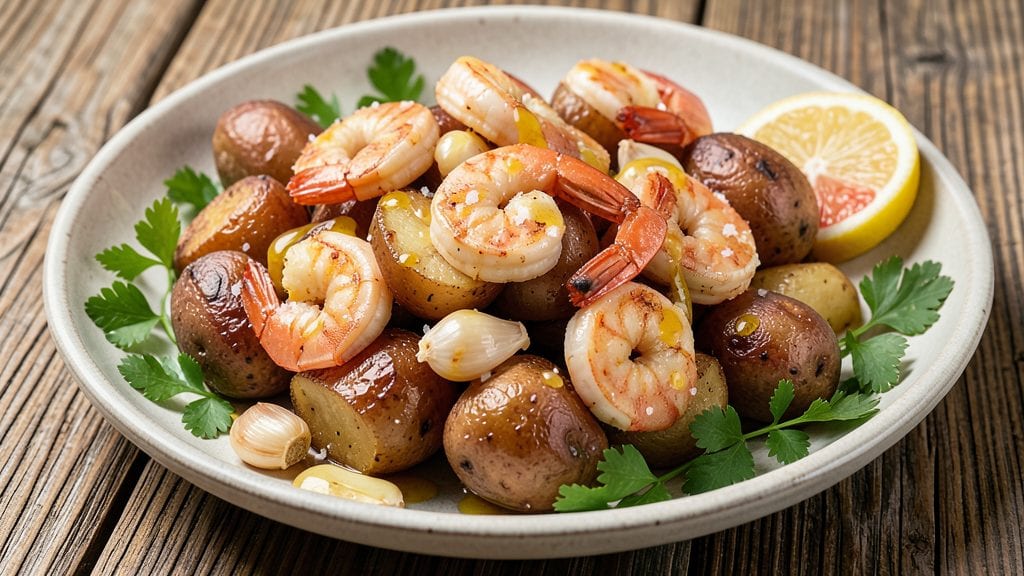
Deanie's seafood boiled potatoes recipe transforms simple boiled potatoes into a flaky, buttery masterpiece that pairs perfectly with shrimp, fish, or shellfish.
The secret lies in a vinegar-kissed brine that keeps the potatoes tender yet crisp at the edges, while a final toss in garlic butter creates those irresistible flaky layers.
I first discovered this technique while cooking for a seafood boil in Charleston, where the salty air and fresh catch made every bite unforgettable.
This recipe combines two beloved Southern traditions—buttery boiled potatoes and seafood feasts—into one harmonious dish. The potatoes absorb just enough vinegar to brighten their flavor without overpowering, while the garlic butter adds richness that makes them impossible to resist.
The seafood cooks alongside, steaming in the same pot for maximum flavor infusion, so you end up with a complete meal in one pan.
What you’ll achieve is a dish where flaky potato layers melt in your mouth, the seafood is perfectly tender, and every bite carries the briny, buttery essence of a coastal seafood boil.
The vinegar brine ensures crisp edges while keeping the centers creamy, and the garlic butter ties everything together with a savory finish. This is comfort food at its finest—simple yet elevated, just like Deanie’s original recipe.
The best part? This recipe scales effortlessly for gatherings or family dinners, and the leftovers reheat beautifully. Whether you're serving it at a summer picnic or a cozy weeknight meal, the combination of flaky potatoes and succulent seafood will leave everyone asking for seconds. Let’s get cooking!
Ingredients for deanie's seafood boiled potatoes
Simple ingredients that transform into a briny, buttery seafood boil masterpiece.
| Ingredient | Amount | Notes |
|---|---|---|
| Russet Potatoes 🥔 | 3 lb | Cut into 1-inch chunks, skin on |
| White Vinegar 🍶 | ½ cup | Distilled for consistent flavor |
| Sea Salt 🧂 | 2 tbsp | Kosher or coarse preferred |
| Unsalted Butter 🧈 | ½ cup | Cold, cubed for flaky layers |
| Garlic Cloves 🧄 | 6 cloves | Minced for garlic butter |
| Fresh Lemon Juice 🍋 | 2 tbsp | Brightens the final toss |
| Fresh Parsley 🌿 | ¼ cup | Chopped, for garnish |
| Shrimp 🦐 | 1 ½ lb | Large, peeled, deveined |
| Bay Leaves 🌿 | 2 whole | Fresh for subtle flavor |
| Black Peppercorns 🌶️ | 1 tsp | Freshly cracked for heat |
| Lemon Slices 🍋 | 4 whole | For aroma during cooking |
| Old Bay Seasoning 🌶️ | 1 tbsp | Optional for seafood depth |
| Melted Butter 🧈 | ¼ cup | For final seafood toss |
The potatoes are the foundation, so Russet potatoes are non-negotiable—their waxy texture holds up perfectly to boiling. Local farmers markets or grocery store organic sections carry the best quality, often with thicker skins that stay intact during boiling. For the vinegar, distilled white vinegar is the standard in Southern seafood boils—it’s consistent and won’t overpower the delicate flavors. The sea salt should be kosher or coarse; table salt is too fine and can make the potatoes waterlogged. If you're sourcing shrimp, frozen works perfectly—just thaw overnight in the fridge for even cooking. The Old Bay seasoning is optional but adds that signature coastal flavor; McCormick or Penzeys brands are reliable for consistent quality.
No white vinegar on hand? Apple cider vinegar or lemon juice at double the amount will work in a pinch, though the flavor profile shifts slightly. Swapping shrimp for mussels or clams requires no adjustments—just add them to the pot during the last 5 minutes of cooking. For the garlic butter, European-style unsalted butter melts cleaner and adds more richness; Plugrá or President brands are excellent choices. If you’re short on parsley, chives or tarragon can substitute, though parsley’s bright flavor is ideal. The bay leaves should be fresh if possible—they infuse subtle earthy notes that dried leaves can’t match.
The potatoes and seafood reheat beautifully—just toss with a splash of water and a pat of butter to revive the crisp edges. Store leftovers in the fridge for up to 3 days, though the texture starts to soften after day two. For longer storage, freeze the potatoes and seafood separately for up to 2 months—thaw overnight in the fridge before reheating. The garlic butter can be made ahead and stored in the fridge for up to 1 week, though it’s best used fresh for maximum flavor impact. This dish is perfect for meal prep; portion into containers with a sprinkle of parsley to keep everything fresh.
Why You'll Love This Recipe
- No-Peel Hassle: I swear by this trick—just scrub the Russets, no chopping, no fuss. The vinegar bath handles the dirt while boiling, so I’m not scrubbing my nails raw.
- Garlic Butter Magic: That crispy butter and minced garlic? It turns simple boiled potatoes into something ridiculously good. One bite and you’ll forget they’re just boiled.
- Tailgate Ready: Between us, this is my go-to for game days. Cold or warm, it’s hearty enough for a crowd but simple enough I’m not stuck in the kitchen.
- Budget-Friendly Feast: A pound of Russets and a head of garlic stretch to feed four. The vinegar keeps costs low, and leftovers reheat like a dream—no soggy mess.
Step-by-step instructions for Deanie's seafood boiled potatoes
Here's the method for achieving buttery, vinegar-kissed potatoes with flaky layers and perfectly cooked seafood.
Prepare and Parboil the Potatoes
Cut the 3 lb russet potatoes into 1-inch chunks, leaving the skin on for texture. In a large stockpot, combine the potatoes with the 0.5 cup white vinegar and 2 tbsp sea salt. Add enough cold water to cover the potatoes by 2 inches.
Bring to a boil over high heat, then immediately reduce to a gentle simmer. Cook for 12-15 minutes until the potatoes are tender when pierced with a fork but still hold their shape. Drain thoroughly in a colander, shaking gently to remove excess water. This parboiling step prevents the potatoes from becoming mushy during the final cooking.
Create the Garlic Butter and Season the Potatoes
In a large skillet, melt the 0.5 cup unsalted butter over medium heat. Add the 6 minced garlic cloves and cook for 30-60 seconds until fragrant but not browned. Remove from heat and stir in the 1 tbsp Old Bay seasoning and 1 tsp freshly cracked black peppercorns.
Return the drained potatoes to the skillet and toss gently to coat them evenly with the garlic butter mixture. The potatoes should be fully coated but not soggy—this layer will create those signature flaky textures. Add the 4 lemon slices and 2 bay leaves to the skillet, then cover and let sit for 5 minutes to infuse the flavors.
Cook the Shrimp and Final Toss
Increase heat to medium-high and add the 1.5 lb shrimp to the skillet with the potatoes. Cook for 2-3 minutes per side until the shrimp turn pink and opaque, curling slightly at the edges. The shrimp should cook quickly in the residual heat from the potatoes.
Remove the shrimp from the skillet and set aside. Stir the 2 tbsp fresh lemon juice into the potatoes and shrimp mixture, tossing gently to combine. The acidity brightens the flavors and helps create that signature tangy crunch. Sprinkle with the 0.25 cup chopped fresh parsley just before serving for a pop of color and freshness.
Serve Immediately with Melted Butter
Return the shrimp to the skillet and toss everything together one final time. Drizzle with the 0.25 cup melted butter and toss again to create those signature flaky layers between the buttery potatoes and seafood.
Serve immediately while the potatoes are still hot and the shrimp is fresh. The combination of vinegar-kissed potatoes, buttery shrimp, and bright lemon creates a dish that's both comforting and elegant. For best results, serve directly from the skillet so the flavors continue to meld together.
Pro Tips For Making Deanie'S Seafood Boiled Potatoes
- BOIL POTATOES IN COLD WATER: I learned this the hard way—dumping raw Russets into boiling water always leaves me with uneven cooking and a few rock-hard centers. Fill your pot with cold water, add salt, then bring to a boil with the potatoes. This ensures they cook through evenly and don’t fall apart when you add the vinegar later.
- PEEL GARLIC AFTER SMASHING: My grandmother swore by this, and she was right: smash those garlic cloves with the flat side of your knife before peeling. The skins slide off easier, and you avoid the mess of clinging bits when you’re trying to toss them into the hot butter. (Yes, even if you’re impatient like me.)
- ADD VINEGAR AT THE END: The vinegar is what makes this dish sing, but timing matters. If you add it too early, the potatoes turn limp and absorb too much acid. Wait until the potatoes are tender but still holding their shape—then pour in that vinegar. The last 2 minutes of cooking will brighten the flavor without turning them to mush.
- MELT BUTTER LOW AND SLOW: I used to rush this part and wondered why the butter always separated or tasted greasy. Melt the butter over low heat with the smashed garlic, stirring constantly until it’s just liquid but not browned. The butter should coat the potatoes evenly when you toss them—no lumps, no drama.
Serving suggestions for this dish
Coastal Seafood Pairings
This dish shines when paired with classic Southern seafood sides. Serve with grilled corn on the cob brushed with garlic butter and sprinkled with flaky sea salt—the smoky char complements the buttery potatoes perfectly.
I love adding steamed collard greens tossed with lemon juice and red pepper flakes to balance the richness. For a complete spread, include shrimp po' boy rolls or fried oysters on the side. 🦞
Bread Service Essentials
No seafood boil is complete without fresh crusty bread for soaking up those buttery juices. I recommend honey wheat bread or sourdough from your local bakery—their open crumbs catch every drop of garlic butter and shrimp flavor.
For extra flair, serve warm cornbread with a honey drizzle, especially if you're feeding a crowd. A simple garlic butter spread on the bread adds another layer of richness that guests will devour. 🥖
Lemon and Herb Garnishes
Brighten the dish with zesty lemon wedges on the side for squeezing over individual servings. Fresh chopped chives or tarragon add a delicate anise-like aroma that pairs beautifully with the seafood.
For a showstopper presentation, create a herb garnish by mixing parsley, chives, and dill with a splash of ice water—this keeps the herbs crisp and vibrant. A sprinkle of toasted breadcrumbs adds crunch to the final plate. 🍋
Drink Pairings
Cool off the spicy, buttery flavors with a Southern-style sweet tea—just 2 tbsp sugar per 8 oz of brewed tea, served over ice. For an adult touch, serve bourbon-infused lemonade (mix 2 oz bourbon with lemonade and ice).
A crisp Sauvignon Blanc or Pinot Grigio also complements the dish beautifully, cutting through the richness with their bright acidity. 🍷
Make-Ahead Serving Tips
If prepping ahead, store the buttered potatoes and cooked shrimp separately in airtight containers. Reheat the potatoes in a skillet with 1 tbsp butter over medium heat for 3-4 minutes, then toss with the shrimp and a splash of lemon juice.
For a crowd, serve family-style in a large cast-iron skillet or wooden bowl—it keeps everything warm and makes the dish feel like a true feast. 🍽️
Kid-Friendly Adaptations
For picky eaters, serve the shrimp separately with a dipping sauce of mayonnaise and lemon juice. Let kids assemble their own plates with buttered potatoes and corn on the cob.
For extra fun, arrange the dish on a wooden board with colorful paper straws for drinks—it makes the meal feel like a special occasion. 🧒
Nutrition facts
Frequently asked questions
Why does the recipe use vinegar in the potato water?
The vinegar creates a subtle tang that brightens the potatoes while preventing them from turning gray during boiling. It also helps maintain crisp edges when tossed with butter later. This is a classic Southern technique that keeps the potatoes tender yet satisfyingly firm.
Can I substitute shrimp for another type of seafood?
Mussels, clams, or even fish fillets work beautifully. For shellfish, add them during the last 5 minutes of cooking. Fish should be added when the shrimp goes in and cooked for 3-4 minutes per side. The vinegar brine enhances all seafood flavors.
What if my potatoes turn out mushy?
Mushy potatoes usually happen from overcooking or not draining properly. For next time, parboil them for exactly 12-15 minutes and shake them vigorously in a colander to remove all excess water. The garlic butter toss should be done over medium heat to maintain texture.
How do I make this recipe gluten-free?
Simply omit the Old Bay seasoning (which may contain wheat) and use certified gluten-free sea salt. For serving, choose naturally gluten-free bread options like cornbread made with cornmeal flour. The potatoes and shrimp remain completely gluten-free in their preparation.
Can I prepare this ahead of time for a party?
Yes! Cook the potatoes and shrimp separately, then store in airtight containers. Reheat the potatoes in a skillet with 1 tbsp butter for 3-4 minutes, then toss with shrimp and a splash of lemon juice. Serve family-style in a large skillet or wooden bowl to keep everything warm.