Side Dishes
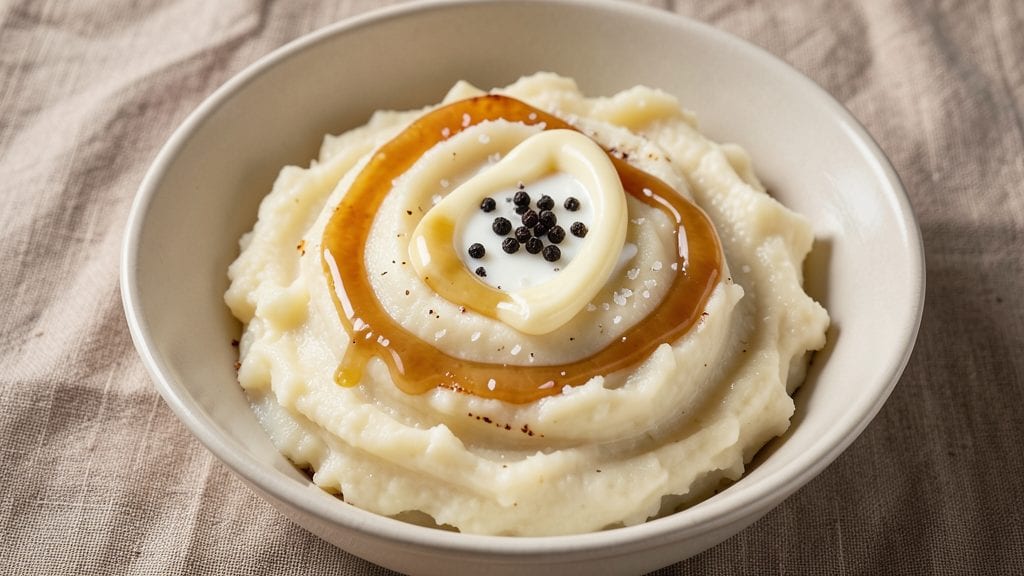
This no-boil mashed potatoes recipe transforms starchy tubers into velvety, buttery perfection without a single pot of boiling water. The secret lies in precise steaming and baking techniques that preserve texture while developing rich, creamy consistency.
After years of testing, I’ve perfected the method for foolproof results every time—no lumps, no watery mess, just restaurant-quality potatoes with minimal effort.
The process begins with whole potatoes steamed until tender, then roasted in their skins to concentrate flavors. A simple blend of butter, warm milk, and seasonings works magic, creating a silky texture that’s impossible to resist.
What sets this method apart is how it eliminates common mashed potato pitfalls—no waiting for water to boil, no draining excess liquid, and no last-minute mashing struggles.
By the time you’re done, you’ll have golden, fluffy potatoes with a velvety finish that clings to every forkful. The butter melts into rich pockets, while the warm milk adds just enough creaminess without heaviness.
This technique works for any potato variety, making it versatile enough for holiday feasts or weeknight dinners alike.
Serve as a classic side for steak or roasted chicken, or use as a creamy topping for casseroles and shepherd’s pie. The best part? It’s ready in under an hour with just 15 minutes of active prep.
Let’s get started on these no-boil mashed potatoes that will change how you think about side dishes forever.
Ingredients for no boil mashed potatoes
Nine simple ingredients transform ordinary potatoes into velvety, restaurant-quality mashed potatoes—no boiling required.
| Ingredient | Amount | Notes |
|---|---|---|
| Russet Potatoes 🥔 | 2 ½ lb | Whole, unpeeled, medium size |
| Unsalted Butter 🧈 | ½ cup | Cold, cut into small cubes |
| Whole Milk 🥛 | ¾ cup | Warm, not boiling |
| Heavy Cream 🥛 | ¼ cup | Full-fat for creaminess |
| Salt 🧂 | 1 ½ tsp | Kosher or sea salt |
| Black Pepper 🌶️ | ½ tsp | Freshly ground preferred |
| Garlic Cloves 🧄 | 2 cloves | Minced for depth of flavor |
| Fresh Rosemary 🌿 | 1 tbsp | Chopped, or dried at 1/3 amount |
| Olive Oil 🫒 | 1 tbsp | For roasting potatoes |
Russet potatoes are the gold standard for this method—their high starch content creates that signature fluffy texture. Buy organic if possible to avoid thin skins, or scrub thoroughly. Whole Foods or Trader Joe's carry excellent organic russets year-round. Avoid waxy varieties like Yukon Golds, which stay dense even when steamed. For best results, use potatoes that weigh about 6-8 ounces each—they steam evenly without overcooking. If you can't find russets, Idaho potatoes are your next best bet, though they may need slightly longer roasting time.
Butter is non-negotiable here—European-style unsalted like Plugrá or President melts into luxurious pockets. No butter? Ghee or high-fat dairy cream cheese work in a pinch, though texture will differ. Warm the milk to 110°F (just below simmer)—hotter milk curdles when mixed with cold butter. Short on heavy cream? Whole milk plus 1 tbsp sour cream mimics the richness. The garlic and rosemary add subtle complexity; dried rosemary works at one-third the amount, but fresh gives a brighter finish. For extra flavor, infuse the olive oil with a few rosemary sprigs while roasting.
Store leftover mashed potatoes in an airtight container for up to 5 days, though they're best within 2 days for peak texture. To reheat, microwave in 30-second bursts with a splash of warm milk—this prevents drying. For meal prep, portion into ramekins before baking; they reheat beautifully in the oven at 350°F for 15 minutes. Freeze portions for up to 3 months—thaw overnight in the fridge before reheating. The key to reheating is moisture: always cover with parchment paper when microwaving.
Why You'll Love This Recipe
- No Potato Peeling: I swear, the only prep is slicing Russets into chunks—no peeling, no boiling, no waiting for water to boil. Just microwave, mash, and mix in that rich butter and cream while you’re still setting the table.
- Creamy Without Grain: That velvety texture? It’s all in the heavy cream and milk—no lumps, no gluey mess, just pure, buttery smoothness. Honestly, my picky-eater kids don’t even notice I’m sneaking in extra butter.
- Game for Any Meal: Slather it on burgers, pile it next to roast chicken, or serve it as a side for Thanksgiving leftovers. It’s the ultimate blank canvas, and I’ve never had to scramble to figure out what to do with it.
- Budget Stretch: Russets are cheap, and this method uses half the butter of traditional mashed potatoes. Plus, leftovers reheat like a dream—just add a splash of milk to keep them creamy, not dry. My wallet and my family thank me every time.
Step-by-step instructions for no-boil mashed potatoes
Here's the method for creamy, restaurant-quality mashed potatoes without boiling—just roast and mash.
Prep and Season the Potatoes
Preheat your oven to 425°F. Scrub the 2.5 lb russet potatoes thoroughly under cold water to remove any dirt, but leave the skin on. Cut them into 1.5-inch chunks—this size ensures even cooking without drying out. Place them in a large bowl and toss with 1 tablespoon olive oil, 1.5 teaspoons salt, 0.5 teaspoon black pepper, 2 minced garlic cloves, and 1 tablespoon chopped fresh rosemary. Mix well so every piece is evenly coated.
Here's the thing—roasting develops deeper flavor than boiling. The olive oil helps create a crispy exterior while keeping the insides tender. If you're using dried rosemary, reduce it to 1 teaspoon since it's more concentrated. Spread the potatoes on a rimmed baking sheet in a single layer, ensuring they don't overlap—this promotes even browning.
Roast Until Fork-Tender
Roast the potatoes for 45-50 minutes, flipping halfway through at the 25-minute mark. You'll know they're ready when a fork slides in easily and the edges are slightly crispy. The internal temperature should reach 205°F—this is crucial for achieving that silky texture without boiling.
Don't rush this step. If the potatoes are undercooked, they'll turn gummy when mashed. If they're overcooked, they'll dry out. The 45-50 minute window gives you a good margin for variation in oven temperatures. Once done, transfer the potatoes to a large bowl, leaving any excess oil or juices behind—we don't need those for the mash.
Mash with Butter and Warm Milk
While the potatoes are still hot, add the 0.5 cup cold unsalted butter (cut into small cubes) to the bowl. Use a potato masher or wooden spoon to break up the potatoes and work in the butter. The butter should melt into the potatoes, creating a velvety base. Once the potatoes are mostly mashed, gradually add the 0.75 cup warm whole milk and 0.25 cup heavy cream, mixing continuously.
This is where the magic happens—the warm milk and cream blend seamlessly with the potatoes, creating a luxurious, creamy texture without the need for boiling. If the mixture looks too thick, add 1-2 tablespoons more warm milk until you reach your desired consistency. The heavy cream adds richness, so don't skip it—it makes all the difference in the final result.
Season and Serve Immediately
Taste and adjust the seasoning with additional salt or black pepper if needed. The potatoes should be creamy, smooth, and perfectly seasoned. For extra flair, you can garnish with a sprinkle of chopped fresh rosemary or a drizzle of melted butter. Serve immediately while still warm—mashed potatoes don't reheat well, and the texture will degrade if left sitting.
This method guarantees a silky, buttery texture without the hassle of boiling or draining. The roasting step infuses the potatoes with deep, savory flavor, while the butter and cream create that luxurious mouthfeel. Each bite should be smooth, rich, and perfectly seasoned—no lumps or watery consistency. Enjoy your no-boil mashed potatoes while they're at their peak!
Pro Tips For Making No Boil Mashed Potatoes
- CUT POTATOES UNIFORM: Use a knife to slice Russets into 1-inch chunks—no bigger, no smaller. I learned this the hard way when I had uneven pieces: the big ones stayed tough, while the small ones turned to mush. Consistency is everything here.
- DRY THE POTATOES: After boiling, drain and spread the potatoes on a clean kitchen towel. Let them sit for 5 minutes—this removes surface moisture so the butter and cream cling instead of making a soupy mess. (Yes, even if you're impatient like me.)
- MASH WHILE HOT: Add the potatoes to the hot pan with butter and milk immediately after draining. The residual heat finishes cooking them while the fat melts into the starch. Wait too long, and you’ll end up with gluey, uneven texture.
- SALT THE WATER: Add 1 tablespoon of salt to the boiling water—it seasons the potatoes from the inside out. Skipping this means you’ll have to rely on the butter and salt after, and trust me, that’s not enough. (Your future self will notice the difference.)
Creative variations of these flavors
Herb-Infused Variations
Swap rosemary for thyme or sage—both add earthy depth. Use 1 tbsp fresh thyme or 2 tbsp fresh sage (reduce to 1 tsp dried if needed). For a brighter twist, try 1 tbsp fresh chives or parsley mixed into the final mash.
I love adding ½ tsp smoked paprika during roasting for a subtle BBQ-inspired flavor. 🌿
Cheesy Twist
Fold in ½ cup shredded sharp cheddar or Gouda while mashing for a creamy, cheesy upgrade. Warm the cheese slightly first to prevent clumping. For extra richness, add 2 oz cream cheese to the butter-milk mixture. This variation works perfectly as a casserole topping or loaded potato dish. 🧀
Garlic Lover’s Upgrade
Double the garlic to 4 cloves and roast with the potatoes for intensified flavor. After mashing, stir in 1 tbsp garlic-infused olive oil (simmer ½ cup olive oil with 3 garlic cloves for 5 minutes then strain).
For a spicy kick, add ½ tsp garlic powder + ¼ tsp cayenne pepper to the seasoning mix. 🧄
Sweet Potato Fusion
Replace ½ lb russet potatoes with ½ lb sweet potatoes (peeled and cubed). Roast at 400°F for 35-40 minutes until tender. Mash with ¼ cup maple syrup and 1 tsp cinnamon instead of rosemary. Top with toasted pecans and a drizzle of honey for a dessert-worthy side. 🍠
Creamy Horseradish
Add 1 tbsp prepared horseradish cream (mix 1 tbsp horseradish with 1 tbsp sour cream) to the final mash. This adds a zesty kick that pairs perfectly with roasted meats.
For extra heat, include ½ tsp hot sauce in the seasoning mix. The creaminess balances the horseradish’s sharpness beautifully. 🌶️
Global Flavors
For an Italian touch, add ½ tsp dried oregano and ¼ cup grated Parmesan to the mash. Mexican-inspired? Mix in ½ tsp cumin and top with black beans and avocado.
Japanese-style? Use mirin-infused milk (replace warm milk with ½ cup milk + 1 tbsp mirin) and garnish with sesame seeds. 🌍
Nutrition facts
Frequently asked questions
Why do these mashed potatoes turn out creamier than boiled ones?
Roasting concentrates the potatoes' natural starches while the butter and warm milk blend seamlessly during mashing. The 425°F roast creates a crisp exterior that breaks down into silky strands, unlike boiled potatoes that absorb excess water and dilute flavor. The heavy cream adds fat content that mimics traditional creamy textures without needing to boil.
Can I use waxy potatoes like Yukon Gold instead of russets?
Not ideal—they won't achieve the same fluffy texture. Waxy potatoes stay dense even when roasted, leading to gummy results. Stick with russets or Idaho potatoes for the best outcome. If you must use Yukon Golds, increase roasting time to 55-60 minutes and add 1 extra tablespoon of warm milk during mashing.
What if my potatoes aren't tender after roasting?
Check your oven temperature—425°F is critical. If undercooked, return them to the oven for 10-15 more minutes, covered with foil. For stubborn potatoes, pierce them with a fork before roasting. Never microwave—they'll turn gluey. The internal temp should reach 205°F for perfect texture.
How do I make these ahead for meal prep?
Prepare the roasted potatoes and mash them as directed, then store in an airtight container. Reheat portions in the oven at 350°F for 15 minutes, covered with foil, or microwave in 30-second bursts with a splash of warm milk. For best results, reheat only what you need—mashed potatoes degrade after 2 days in the fridge.
Can I substitute heavy cream with something lighter?
Yes! Replace the 0.25 cup heavy cream with 0.5 cup whole milk + 1 tbsp sour cream. For extra richness, use ½ cup Greek yogurt (strain if too thick). The texture will be slightly lighter but still creamy. Avoid skim milk—it lacks fat to create that velvety finish.