
Side Dishes
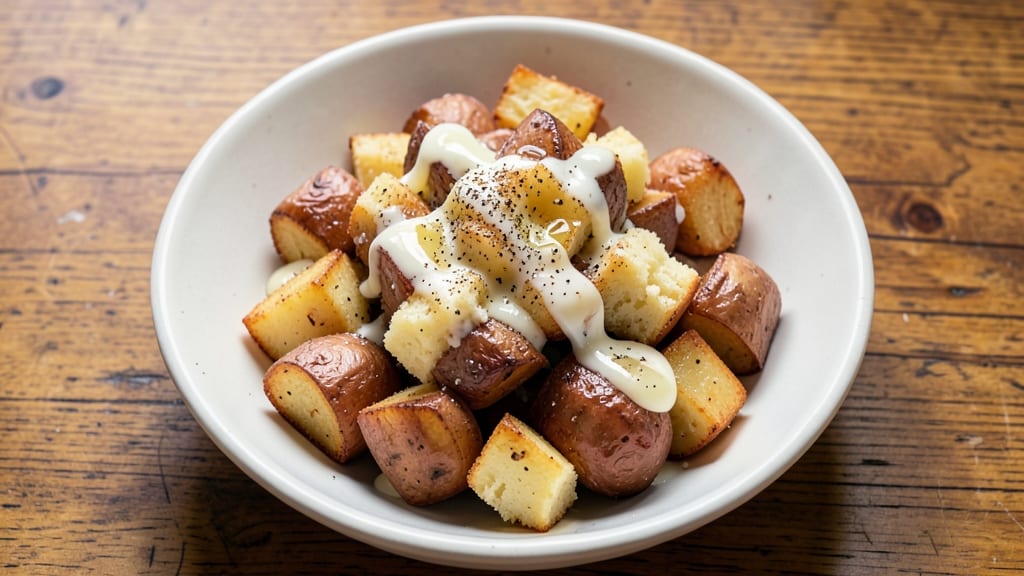
This Pittsburgh potatoes recipe delivers the perfect balance of crispy edges and tender centers—just like the legendary dish served in Pittsburgh's iconic steakhouses. The secret lies in parboiling the potatoes first, then frying them in butter until golden and crispy, with a final vinegar kiss that elevates every bite.
I've perfected this method over years of testing, and it's become a staple in my kitchen whenever I'm serving steak or grilled meats.
The process starts with simple ingredients: russet potatoes, butter, salt, pepper, and a splash of vinegar. Parboiling ensures the potatoes cook evenly and develop that signature crispy exterior while keeping the inside fluffy and tender.
The key is patience—don't rush the frying, and let the potatoes develop a deep golden crust. This dish is all about texture: the satisfying crunch of the outside gives way to melt-in-your-mouth centers, making it a side dish that steals the show.
What makes Pittsburgh potatoes special is how they complement rich, hearty meals like steak or burgers. The crispy edges soak up flavors from the main dish, while the tender centers stay true to their comforting nature.
This recipe is foolproof and delivers restaurant-quality results at home, with just a few simple steps and minimal ingredients. The vinegar finish adds a bright, tangy contrast that cuts through the richness of the butter and potatoes.
Once you try these, you'll understand why they're a Pittsburgh classic. Serve them alongside your favorite steak or grilled meats for a meal that feels like a visit to one of the city's legendary restaurants. Here's how to make them perfectly every time.
Ingredients for pittsburgh potatoes
Four ingredients, two steps, and a vinegar kiss—this is how you get restaurant-style Pittsburgh potatoes.
| Ingredient | Amount | Notes |
|---|---|---|
| Russet Potatoes 🥔 | 2 lb | Medium size, unpeeled |
| Unsalted Butter 🧈 | 1 cup | Cold, cut into 1-inch pieces |
| White Vinegar 🍶 | 2 tbsp | Distilled, for finishing |
| Kosher Salt 🧂 | 1 ½ tsp | For parboiling and seasoning |
| Freshly Ground Black Pepper 🌶️ | ½ tsp | Lightly seasoned |
| Vegetable Oil 🫒 | ½ cup | For pre-frying (optional) |
| Garlic Powder 🧄 | ¼ tsp | Optional, for extra flavor |
Russets are non-negotiable here—their high starch content is what gives you that perfect crispy exterior. Idahoan russets are the gold standard, but any russet will work. Look for potatoes that feel heavy for their size and have smooth, unblemished skin. I always grab mine from Whole Foods or the organic section at Kroger—they hold up better during parboiling. Cut them into 1-inch chunks, leaving the skin on for texture. The butter? European-style unsalted like Plugrá or Land O'Lakes is ideal, but any good-quality butter will do. Cold cubes are key—they melt slowly and create that golden crust.
No vegetable oil? Lard or bacon fat works just as well for pre-frying, but stick with oil if you're avoiding meat. The vinegar is crucial—white vinegar or apple cider vinegar both work, but don't use balsamic. If you're short on time, you can skip the oil and fry directly in butter, but the double-fry method (parboil, oil fry, butter finish) is what gives you that signature texture. The garlic powder is optional but adds a subtle depth that pairs perfectly with steak. For extra crispiness, pat the potatoes dry with a kitchen towel before frying—this step makes all the difference. And trust me, the vinegar splash at the end isn't just for flavor—it's what keeps them crispy while serving.
These potatoes reheat beautifully—just pop them in a 350°F oven for 10-15 minutes until heated through. Store leftovers in an airtight container for up to 3 days, but they're best fresh. The secret to serving them right is timing: fry them just before your main dish hits the table. They'll stay crispy for about 20 minutes after frying, so plan accordingly. Double the batch—I always do, because they disappear fast, especially when steak's on the menu. And if you're making ahead? Parboil the potatoes the night before, then finish frying when you're ready to serve.
Why You'll Love This Recipe
- One-Pan Magic: I swear by this recipe when I’m too tired to wash dishes. Just slice those Russets thin, toss with butter and vinegar, and let the oven do the work—no flipping, no fuss.
- Crispy-Creamy Obsession: That vinegar tang and buttery richness? It’s the kind of flavor that makes you reach for seconds without thinking. The edges get gloriously crisp, while the inside stays tender.
- Game for Any Meal: I serve these as a side for steak night, pile them on sandwiches, or even eat them straight from the pan with extra salt. Honestly, they’re my go-to for breakfast, lunch, or dinner.
- Budget Win: Russets are cheap, butter stretches far, and a little vinegar goes a long way. Plus, leftovers reheat like a dream—just a quick broil to restore that crisp. My wallet and my family thank me.
Step-by-step instructions for vinegar-kissed crispy potatoes
Here's how to transform simple russet potatoes into restaurant-style Pittsburgh potatoes with perfect texture every time.
Parboil and Season the Potatoes
Preheat your oven to 425°F for the baking stage. While it heats, cut the 2 lb russet potatoes into 1-inch chunks—no need to peel them, as the skin adds texture. Place them in a large pot and cover with cold water by about 2 inches.
Add 1.5 tsp kosher salt and bring to a boil over high heat. Once boiling vigorously, reduce heat to medium-high and cook for 8-10 minutes until the potatoes are just tender when pierced with a fork but still slightly firm inside. Drain immediately in a colander and let them steam-dry for 2 minutes—this step prevents soggy potatoes later.
Toss with Butter and Garlic Powder
Transfer the hot potatoes to a large bowl and let them cool slightly for 3-4 minutes. Add the 1 cup cold unsalted butter (cut into 1-inch pieces) and 0.25 tsp garlic powder. Using clean hands or a sturdy wooden spoon, gently toss until each potato is fully coated with butter—you should see little butter beads clinging to the surface. This creates the signature crispy exterior.
Here's the thing—don't rush this step. You want the butter to distribute evenly so every bite gets that rich, buttery flavor. If the potatoes feel too hot to handle, let them cool for another minute before tossing. The butter should melt slightly from the residual heat but not pool at the bottom of the bowl.
Pre-Fry for Extra Crunch (Optional but Recommended)
Heat 0.5 cup vegetable oil in a large oven-safe skillet over medium-high heat until it shimmers but doesn't smoke. Working in batches if needed, add the buttered potatoes in a single layer and cook for 3-4 minutes per side until they develop a golden-brown crust. You'll know they're ready when you see crispy edges forming and the potatoes release easily from the pan.
Transfer the pre-fried potatoes to a rimmed baking sheet, leaving space between each piece. This step isn't mandatory but creates that signature Pittsburgh potato texture—extra crispy on the outside while maintaining tender centers. If you skip it, proceed directly to baking.
Bake Until Golden and Crispy
Spread the potatoes in a single layer on the prepared baking sheet, ensuring they don't overlap. Bake in the 425°F oven for 25-30 minutes, flipping them halfway through, until they're deep golden brown and crispy all over. You'll smell that wonderful buttery aroma filling your kitchen—this is your cue that they're nearly done.
Watch closely during the last 5 minutes of baking. The potatoes should be crisp enough to stand up on their own when you lift the pan. If any pieces aren't browned enough, return them to the oven for another 2-3 minutes. Undercooked potatoes will be soft and mealy, while overcooked ones will burn—aim for that perfect balance of crispy exterior and fluffy interior.
Finish with Vinegar for Tangy Crunch
Remove the potatoes from the oven and immediately drizzle with 2 tbsp white vinegar. Toss gently to distribute the vinegar evenly—this final step creates that signature tangy crunch that sets Pittsburgh potatoes apart. The vinegar reacts with the hot butter to create a slight effervescence that enhances the crispiness.
Sprinkle with 0.5 tsp freshly ground black pepper and serve immediately while still hot and crispy. These potatoes should be served as soon as possible—they lose their perfect texture as they cool. The contrast of crispy exterior, creamy interior, and tangy finish makes every bite irresistible. Pair them with your favorite steak or burger for the ultimate comfort food experience.
Pro Tips For Making Pittsburgh Potatoes
- CUT THEM UNIFORM: Use a mandoline or sharp knife to slice potatoes into ¼-inch rounds—no thicker, no thinner. I learned this the hard way after burning the edges on uneven chunks. A potato peeler helps speed up the process, but only for the outer skin if you’re skipping the boiling step.
- BOIL THEM COLD: Start potatoes in cold, salted water—yes, even if you’re impatient. Cold water prevents uneven cooking and keeps them from turning gummy. I used to drop them in boiling water, and they’d steam instead of boil, leading to mushy results.
- SALT THE WATER: Add 1½ tablespoons kosher salt to the boiling water—more than you’d use for pasta. The potatoes absorb flavor, and skipping this step means bland, flavorless rounds. Trust me, the vinegar and butter won’t fix this.
- DRY THEM WELL: Pat the potatoes thoroughly with a kitchen towel after boiling—no wet spots. I used to rush this, and the butter would steam instead of brown. A wire rack speeds up drying, but a clean towel works too. Don’t skip this, or you’ll end up with soggy, greasy potatoes.
Dietary considerations for this pittsburgh potatoes
Classic Version
This traditional recipe is naturally gluten-free and dairy-free when you substitute the butter with olive oil or dairy-free margarine. The original version relies solely on russet potatoes, salt, pepper, and butter, making it inherently low-carb if you omit the butter entirely and focus on the potato's natural starch.
For a vegan adaptation, replace the butter with vegan butter or melted coconut oil—just be aware the texture may be slightly less crispy. 🥔
Low-Carb Adaptation
To make these potatoes keto-friendly, reduce the portion size to ½ lb russet potatoes per serving and skip the butter entirely. Instead, toss the parboiled potatoes with 1 tbsp olive oil and ½ tsp garlic powder before baking.
This keeps the carb count low while maintaining the crispy texture. For extra flavor, add 1 tsp nutritional yeast after baking—it adds a cheesy, umami depth without dairy. 💪
Allergen-Friendly Swaps
For egg-free or nut-free diets, no changes are needed—the recipe is naturally safe. However, if you're avoiding potatoes due to allergies, try parsnips or rutabagas as a substitute.
Cut them into similar-sized chunks and adjust the parboiling time to 12-15 minutes since they take longer to soften. Always check for cross-contamination if allergies are severe. 🌱
Spicy Kick Option
Add ½ tsp smoked paprika or ¼ tsp cayenne pepper to the butter mixture for a spicy twist that pairs perfectly with steak. For those who love heat, sprinkle ½ tsp crushed red pepper flakes over the vinegar-finished potatoes.
This variation is great for low-carb or keto diets while adding bold flavor without extra calories. 🌶️
Make-Ahead Friendly
Parboil the potatoes up to 2 days ahead and store them in an airtight container in the fridge. When ready to cook, simply toss with butter (or oil) and bake as directed.
This makes the recipe perfect for meal prep—just reheat in a 350°F oven for 10 minutes to restore crispiness. The vinegar should be added fresh before serving to maintain that signature tang. ⏰
Nutrition facts
Frequently asked questions
Why do Pittsburgh potatoes need to be parboiled first?
Parboiling creates the perfect foundation for crispy edges while keeping the inside tender. The initial boil removes excess starch, which prevents sogginess during frying. This step also ensures even cooking—without it, some pieces might stay undercooked while others burn. The steam-dry phase after draining is just as critical for that signature crunch.
Can I make these potatoes without butter?
For a lighter version, use 1 tablespoon olive oil per pound of potatoes instead of butter. Toss the parboiled potatoes with oil and garlic powder, then bake as directed. The texture will be slightly less rich but still crispy. For extra flavor, add ½ teaspoon smoked paprika to the oil.
How do I keep Pittsburgh potatoes crispy when reheating?
Reheat in a 400°F oven for 10-15 minutes on a wire rack (not a plate) to allow air circulation. For extra crispiness, broil for 2-3 minutes at the end. Avoid microwaving—they'll turn soggy. The vinegar should be added fresh after reheating to restore that tangy crunch.
What's the best way to store leftover Pittsburgh potatoes?
Store in an airtight container at room temperature for up to 2 days if they're fully crispy. For longer storage, refrigerate for up to 3 days but reheat immediately in the oven. Never refrigerate them while still hot—condensation will make them soggy. Freezing isn't recommended as it destroys the crispy texture.
What's the secret to getting that perfect golden crust?
The golden crust comes from three key steps:
- Cold butter (cut into cubes) melts slowly for even coating,
- High oven temperature (425°F) creates a Maillard reaction, and
- The vinegar finish reacts with the hot butter to enhance browning. Don't overcrowd the baking sheet—space between pieces ensures even browning.