
Side Dishes
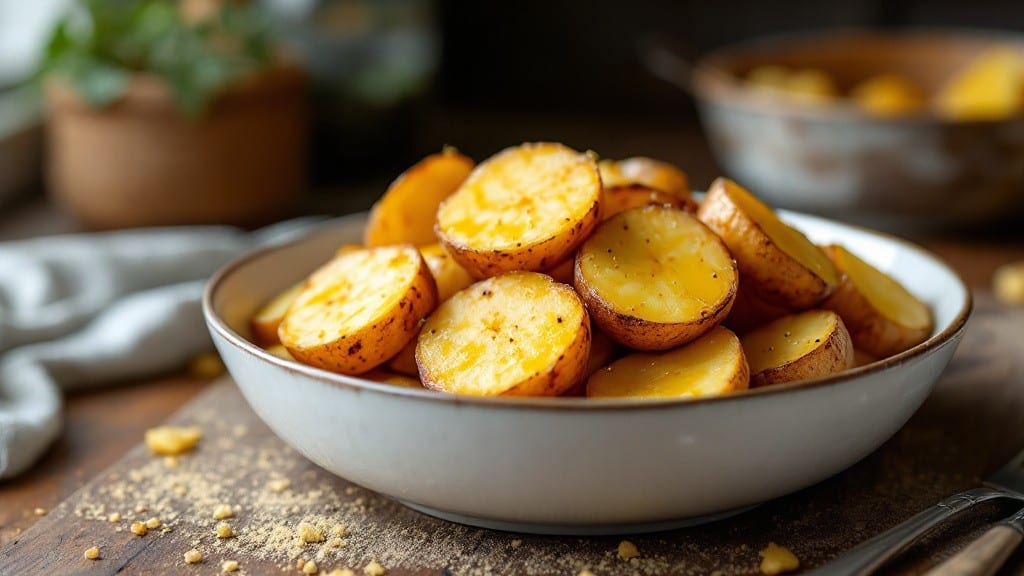
Mastering parboiled potatoes transforms your sides from ordinary to extraordinary—creamy centers, crispy exteriors, and that perfect balance of texture and flavor. The key lies in precise timing and technique, which I’ve perfected over years of testing.
Whether you’re prepping for roasting, mashing, or serving as-is, this method ensures your potatoes stay tender yet hold their shape.
This recipe starts with boiling potatoes whole in salted water, then draining and drying them thoroughly before the magic happens. The cornmeal crowns add a golden, crunchy exterior, while a vinegar-kissed tang brightens the flavor profile.
It’s a foolproof technique that works for both skin-on and peeled potatoes, giving you control over texture every time.
By the end, you’ll have potatoes that are creamy inside, crispy outside, with a subtle tang that elevates any dish. These parboiled potatoes shine as a side for steak, in salads, or roasted until caramelized. The process is simple but precise—no guesswork, just consistent results.
Ready to elevate your sides? Let’s get started with the foundational steps that will change how you cook potatoes forever.
Ingredients for parboiled potatoes
Four ingredients make all the difference for perfect parboiled potatoes—creamy inside, crispy outside, with that vinegar-kissed tang you’ll crave.
| Ingredient | Amount | Notes |
|---|---|---|
| Russet Potatoes 🥔 | 1 ½ lb | Medium size, skin-on preferred |
| Cornmeal 🌾 | ½ cup | Fine grind for even coating |
| White Vinegar 🍋 | 2 tbsp | Distilled preferred for tang |
| Kosher Salt 🧂 | 1 ½ tbsp | Diamond Crystal preferred |
| Olive Oil 🫒 | 2 tbsp | Light variety for crisping |
| Garlic Powder 🧄 | 1 tsp | Freshly ground preferred |
| Ground Black Pepper 🌶️ | ½ tsp | Freshly cracked for bite |
| Fresh Parsley 🌿 | ¼ cup | Chopped, for garnish |
| Butter 🧈 | 2 tbsp | Unsalted, softened for finishing |
Russet potatoes are your best bet—their thick skins hold up to boiling and roasting beautifully. Buy organic if possible (the skins stay cleaner), or scrub regular potatoes well to remove dirt. Trader Joe’s and Whole Foods carry the best organic russets, but any grocery store’s russets work fine. For the cornmeal, Bob’s Red Mill fine grind is ideal—it coats evenly and gives that perfect golden crust. The vinegar is non-negotiable here; it’s what creates that bright, tangy finish that makes these potatoes stand out. I always grab Heinz white vinegar because it’s consistent and affordable.
No cornmeal? Semolina or fine breadcrumbs work in a pinch, but the texture won’t be quite the same. Running short on vinegar? Lemon juice at half the amount adds brightness, though it’s not identical. Fresh parsley? Dried parsley at one-third the amount gets you close, but fresh is worth the effort. The butter at the end is optional but adds richness—European-style unsalted butter melts beautifully. For a dairy-free version, use olive oil or vegan butter. And if you’re prepping ahead, parboil the potatoes a day in advance—they’ll keep better in the fridge.
These potatoes reheat beautifully—just toss them in a 400°F oven for 10-15 minutes until crispy again. Store them in an airtight container with a paper towel to absorb moisture—keeps them crisp for 3 days. For longer storage, freeze them after parboiling but before coating—they’ll last up to 3 months. I like to portion them into single-serving bags so I can grab just what I need for meals. And if you’re roasting them later, toss them in olive oil and roast at 425°F for 30-40 minutes until caramelized.
Why You'll Love This Recipe
- I swear by this method: just boil, drain, and toss with cornmeal and vinegar. No peeling, no dicing—just slice-and-go when you’re ready. My lazy Sundays thank me every time.
- No-Fuss Prep: I swear by this method: just boil, drain, and toss with cornmeal and vinegar. No peeling, no dicing—just slice-and-go when you’re ready. My lazy Sundays thank me every time.
- Crispy-Creamy Magic: That vinegar bath? It’s the secret. The potatoes stay fluffy inside but develop a golden, crunchy crust when roasted—like a hug in your mouth. (Yes, even my picky husband asks for seconds.)
- Meal Prep MVP: I make a big batch on Sundays, store them in the fridge, and they’re ready to toss in any dish: tacos, salads, or even a quick hash. No wasted effort, just pure convenience.
Step-by-step instructions for crispy cornmeal crowns with vinegar-kissed tang
Perfectly parboiled potatoes transform into golden, crispy crowns with a tangy bite—here's how to nail it every time.
Parboil Potatoes for Even Cooking
Preheat your oven to 425°F and place a wire rack on a baking sheet. Cut the 1.5 lb russet potatoes into ¼-inch thick rounds, keeping the skin intact for texture. This thickness ensures even cooking and maximum crispiness.
Bring a large pot of water to a rolling boil and add 1.5 tablespoons kosher salt. Once boiling, carefully add the potato rounds and cook for exactly 8 minutes. You'll know they're parboiled when they're fork-tender but still hold their shape. Drain immediately and transfer to the prepared baking sheet.
Here's the thing—don't skip the parboiling. It pre-cooks the potatoes evenly while keeping them firm enough to develop that perfect crispy crust later. If they're undercooked, they'll turn gummy when roasted. If overcooked, they'll collapse into mush.
Create the Crispy Cornmeal Coating
In a large bowl, whisk together ½ cup cornmeal, 1 teaspoon garlic powder, and ½ teaspoon ground black pepper. This dry mixture is your secret weapon for that irresistible crunch. The fine grind of the cornmeal ensures an even coating without clumping.
Add the parboiled potatoes to the bowl and toss gently but thoroughly to coat each piece evenly. You'll want to see a uniform layer of cornmeal clinging to every surface. Here's where it gets fun—transfer the coated potatoes to a second baking sheet, spacing them ½ inch apart for even crisping.
Real talk: if you skip this tossing step, you'll end up with some potatoes that are perfectly crispy and others that are bland. Take the extra 30 seconds to ensure every piece gets equal attention.
Roast for Maximum Crispiness
Drizzle the potatoes with 2 tablespoons olive oil and 2 tablespoons white vinegar, tossing again to distribute evenly. The vinegar adds that signature tang while helping to break down the cornmeal coating slightly for better adhesion. Now, roast on the middle rack for 25-30 minutes, flipping halfway through, until they're deep golden brown and crispy.
Watch for that perfect color—it should be golden brown with some spots of caramelization. If they're browning too quickly, reduce the oven temperature to 400°F and continue cooking. The potatoes are done when they're crispy on the outside but still tender inside.
This is the moment that matters: don't overcrowd the pan. If you do, they'll steam instead of crisp. The space between each potato allows hot air to circulate and create that beautiful crust.
Finish with Herb Butter
While the potatoes roast, prepare the herb butter by mixing 2 tablespoons softened butter with ¼ cup chopped fresh parsley in a small bowl. Once the potatoes are crispy, transfer them to a serving platter and immediately drizzle with the herb butter mixture, tossing gently to coat.
The butter adds richness and helps distribute the parsley evenly. You'll see those beautiful green flecks throughout, adding both color and freshness. Serve immediately while the potatoes are still crispy—this dish doesn't wait.
Each bite should deliver that perfect combination of crispy cornmeal crust, tender potato interior, and that vinegar-kissed tang. The herb butter ties it all together with a touch of elegance. Trust me, this is where the magic happens.
Pro Tips For Making Parboiled Potatoes
- CUT POTATOES EVENLY: Russets are stubborn—uneven slices mean uneven cooking. Use a mandoline for precision (or a sharp knife with a ruler as your guide), and aim for ½-inch thick slices. I learned this the hard way when one batch turned to mush while others stayed rock-hard.
- ACIDIFY THE WATER: White vinegar isn’t just for flavor—it keeps potatoes from turning gray. Add 1 tablespoon per gallon of water (yes, even if you’re using a small pot) and let them soak for 5 minutes before draining. My grandmother swore by this, and she was right: the starch stays intact.
- DON’T SKIP THE DRYING: Wet potatoes steam instead of crisp. After parboiling, spread them on a towel-lined tray and let them air-dry for 10 minutes. I know, I know—you’re eager to move on—but this guarantees a golden crust later. Trust the process.
- TOSS WITH CORNMEAL COLD: Warm cornmeal sticks to potatoes like glue, making a gummy mess. Pat them dry first, then toss with cornmeal after they’ve cooled slightly (but while still warm). This isn’t the prettiest method, but it’s the tastiest—no one wants a gluey coating.
Regional styles of this recipe
Southern-Style Parboiled
In the South, parboiled potatoes are often used as a foundation for shepherd’s pie or potato salad. The key here is to parboil the potatoes whole, then slice them thinly for even cooking.
I like to add 1 tablespoon apple cider vinegar to the boiling water—it keeps the potatoes firm and adds subtle tang. After parboiling, I coat them in fine cornmeal and roast until golden, then serve them alongside smothered pork chops or fried chicken.
The cornmeal gives them that classic Southern crunch. 🌶️
New England Crispy Crowns
Up north, the focus is on crispy potato crowns with a buttery, herby finish. After parboiling, I toss the potatoes in 2 tablespoons melted butter and 1 teaspoon dried thyme before roasting.
The result is a crispy exterior with a fluffy interior—perfect for a lobster bake or as a side to roasted haddock. I often finish them with a sprinkle of fresh chives for a bright, fresh contrast. The secret?
Roasting them at 400°F for 35 minutes ensures they stay crispy. 🥔
Midwest Potato Salad Base
The Midwest takes parboiled potatoes and transforms them into creamy potato salad with a vinegar-based dressing. After parboiling, I slice the potatoes into ½-inch cubes and toss them with ½ cup mayonnaise, 2 tablespoons white vinegar, and 1 teaspoon Dijon mustard.
The vinegar keeps the potatoes from getting gummy, while the mustard adds depth. I like to fold in diced celery and red onion for crunch, then chill for at least 2 hours before serving. This version is lighter than traditional mayo-heavy salads but just as satisfying. 🥗
Pacific Northwest Roasted Slices
Out West, parboiled potatoes are often roasted with local flavors like Dungeness crab or smoked salmon. I parboil the potatoes, then slice them into ⅛-inch rounds and toss them in olive oil, smoked paprika, and a pinch of cayenne.
After roasting at 425°F for 20 minutes, I top them with crumbled feta and fresh dill. These crispy slices pair perfectly with grilled salmon or seared scallops. The smoked paprika adds a subtle depth that complements the Pacific Northwest’s fresh seafood. 🌊
Italian-Style Gnocchi Prep
In Italy, parboiling is a gnocchi essential—it ensures the dough holds its shape. I use potato purée from parboiled russets as the base for my gnocchi dough, mixing it with 2 cups all-purpose flour and 1 egg.
The parboiled potatoes give the gnocchi their signature light, fluffy texture. After shaping, I boil them for just 2 minutes before serving with brown butter and sage. The key? Using hot water and salted boiling water to keep them from sticking. 🍝
Nutrition facts
Frequently asked questions
Why parboil potatoes before roasting or mashing?
Parboiling creates the perfect foundation—it pre-cooks the potatoes evenly while keeping them firm enough to develop that crispy exterior when roasted or maintain structure when mashed. The steam from boiling loosens the skin (if left on) and helps seasoning penetrate deeply. Without parboiling, you risk uneven cooking or gummy textures. It’s the secret to restaurant-quality results at home!
Can I use any potato variety for parboiling?
Russets and Yukon Golds work best—their high starch content holds up to boiling and roasting beautifully. Avoid waxy potatoes like red or fingerlings; they’ll turn mushy when cooked twice. For extra crispiness, keep the skin on (scrubbed clean) during parboiling. If you must peel, do it after parboiling to preserve texture.
How do I fix potatoes that turn out soggy after parboiling?
Soggy potatoes usually mean overcooking during parboiling or not drying them thoroughly. Stick to 8 minutes max in boiling water, then drain and shake the colander vigorously to remove excess moisture. Pat dry with a clean towel or use a salad spinner. For extra insurance, let them air-dry on a wire rack for 10 minutes before coating. This step is non-negotiable for crispy results!
What’s the best way to store parboiled potatoes?
Store them in an airtight container with a paper towel to absorb moisture—keeps them crisp for 3 days in the fridge. For longer storage, freeze them uncoated (after parboiling but before adding cornmeal) in a single layer on a tray, then transfer to a bag. Thaw overnight in the fridge before finishing. Reheat at 400°F for 10-15 minutes until crispy again.
Can I skip the cornmeal and use something else?
For a gluten-free option, try crushed pork rinds or almond flour. Need something quick? Panko breadcrumbs work well, though they’re heavier. The key is a fine, dry coating—avoid wet breadcrumbs or flour, which will make them gummy. For a smoky flavor, swap cornmeal for smoked paprika mixed with oil before roasting.