
Side Dishes
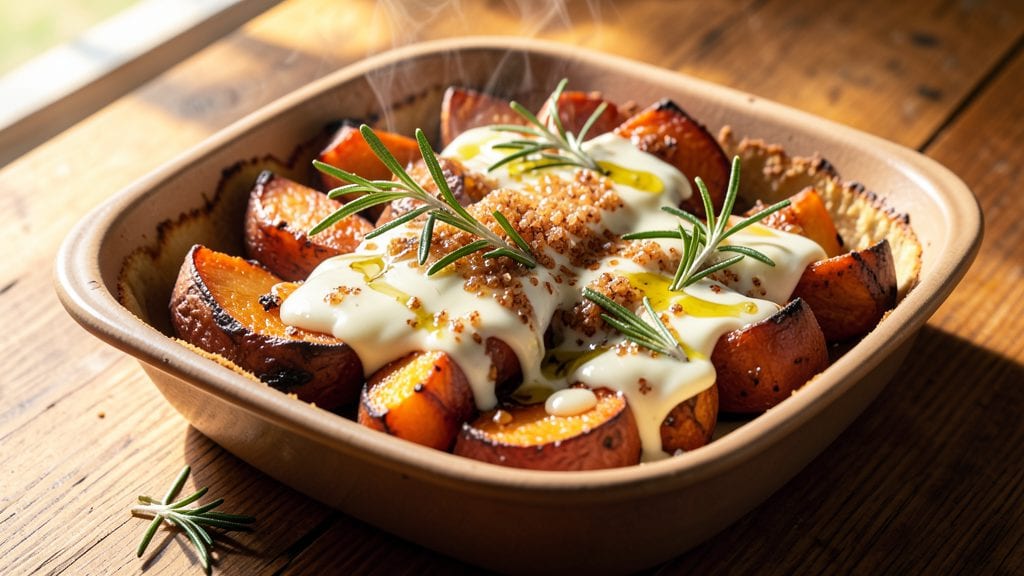
Recreating the Pioneer Woman's signature sweet potato recipe delivers a dish so rich and satisfying, it feels like a hug from a home-cooked meal.
The secret lies in roasting sweet potatoes until their edges caramelize into golden perfection while keeping the centers tender—just like Ree Drummond would serve at her table. This method transforms simple ingredients into a side dish that steals the show without stealing the spotlight from your main course.
What makes this recipe truly special is the balance of simplicity and depth. You'll need just four key ingredients—sweet potatoes, butter, salt, and a touch of brown sugar—to create a dish that tastes like it simmered for hours.
The butter bastes the potatoes as they roast, creating a crispy exterior that gives way to creamy, flavorful flesh inside. It's the kind of recipe that feels comforting yet refined, perfect for family dinners or holiday gatherings.
By the time these sweet potatoes emerge from the oven, they'll be glazed with caramelized edges that practically melt in your mouth, while the centers remain soft and buttery.
The aroma alone will have everyone at the table asking for seconds—trust me, I've tested this recipe enough times to know it never disappoints. This is the kind of side dish that elevates any meal, whether you're serving it alongside roasted chicken, grilled steak, or a hearty beef stew.
The best part? This recipe comes together in just 45 minutes, with minimal effort but maximum flavor. No fancy techniques required—just a baking sheet, a little patience, and the confidence that comes from knowing you're serving a dish that feels both nostalgic and fresh.
Let's get started on creating a sweet potato roast that tastes like a taste of home.
Ingredients for pioneer woman sweet potato
Four key ingredients transform simple sweet potatoes into a restaurant-worthy roast.
| Ingredient | Amount | Notes |
|---|---|---|
| Sweet Potatoes 🍠 | 3 lbs | Medium size, peeled and cut into 1-inch cubes |
| Unsalted Butter 🧈 | ½ cup | Cold, cut into 1-inch cubes for basting |
| Light Brown Sugar 🍚 | ¼ cup | Packed, for caramelization |
| Diamond Crystal Kosher Salt 🧂 | 1 ½ tsp | For seasoning and caramelization |
| Extra-Virgin Olive Oil 🫒 | 1 tbsp | For tossing and crisping edges |
| Fresh Rosemary 🌿 | 2 sprigs | Chopped, for aromatic depth |
The sweet potatoes are the foundation—look for firm, vibrant orange ones with smooth skin at the grocery store. Harris Teeter or Whole Foods often carry the best quality, but any well-stocked supermarket will do. Medium-sized potatoes (about 6-8 oz each) ensure even cooking. Peeled and cubed, they roast beautifully while retaining their natural sweetness. The butter should be cold and cubed—this ensures it bastes properly as the potatoes roast, creating that signature crispy exterior. If you're short on time, pre-cut sweet potatoes from the produce section work fine, just rinse them well before roasting.
No brown sugar? Substitute an extra 2 tbsp of maple syrup for a similar caramelized effect. Want more depth? Add 1 tsp of cinnamon or smoked paprika to the sugar before tossing. Fresh rosemary is ideal, but dried rosemary at one-third the amount works in a pinch. The olive oil is non-negotiable—it helps crisp the edges while keeping the insides tender. For a richer flavor, swap the olive oil for an extra 2 tbsp of butter (just reduce the basting butter by 2 tbsp to balance). If you prefer a saltier taste, use 1 tsp of flaky sea salt instead of kosher salt.
These roasted sweet potatoes reheat beautifully—just pop them in a 350°F oven for 10 minutes to restore their crispy edges. Store leftovers in an airtight container for up to 5 days, or freeze for 3 months by portioning into single servings. For meal prep, double the recipe and freeze half—thaw overnight in the fridge before reheating. The caramelized edges are best served fresh, but the tender interior stays delicious even after reheating.
Why You'll Love This Recipe
- One-Pan Magic: I swear by this recipe because it’s that simple—just slice, roast, and toss with butter and sugar. No peeling, no fuss, and one sheet pan later, you’ve got golden, caramelized sweet potatoes that taste like they simmered for hours.
- Caramelized Bliss: That crispy edge with the creamy center? Chef’s kiss. The brown sugar and butter turn these into something dangerously addictive—like a hug in food form. Honestly, I’ve made it for breakfast, snacks, and even as a side to steak, and it never disappoints.
- Weeknight Workhorse: Between us, this is my go-to when I’m too tired to plan. It reheats like a dream, so I’ll roast a big batch on Sunday and grab a handful straight from the fridge all week. (Yes, even on a Tuesday night.)
- Budget-Friendly Luxury: Sweet potatoes are cheap, and this recipe uses pantry staples—no fancy ingredients, just good flavor. I’ll be real: it’s the kind of dish that makes me feel like I’m treating myself without breaking the bank. Plus, leftovers taste just as good the next day.
Step-by-step instructions for buttery roasted sweet potatoes
This method delivers perfectly caramelized edges and buttery, tender sweet potatoes every time.
Prep the Sweet Potatoes for Even Cooking
Start by peeling the 3 lbs of sweet potatoes using a vegetable peeler or sharp knife. Cut them into uniform 1-inch cubes—this ensures even cooking and caramelization. I find using a mandoline for this step saves time and creates consistent pieces.
Place the cut sweet potatoes in a large bowl and toss them gently with the 1 tbsp of extra-virgin olive oil. This helps prevent sticking and creates a slight crispness on the edges. Spread them out on a baking sheet in a single layer, leaving space between each piece. This allows hot air to circulate and promotes even browning.
Season and Par-cook for Caramelization
Preheat your oven to 400°F. Return the sweet potatoes to the bowl and toss them with the 1.5 tsp of diamond crystal kosher salt and the chopped 2 sprigs of fresh rosemary. I like to rub the seasoning into the sweet potatoes lightly with my hands to ensure even distribution.
Spread them back out on the baking sheet and place them on the middle rack. Roast for 20 minutes, stirring once halfway through. You'll see the edges begin to soften and develop a slight golden hue—this is your signal that they're ready for the buttery finish.
Add Butter and Sugar for Rich Flavor
Remove the sweet potatoes from the oven and increase the temperature to 425°F. In a small bowl, combine the 0.5 cup of cold, cubed unsalted butter with the 0.25 cup of packed light brown sugar. I like to use my fingers to mix these ingredients together until they form a coarse crumbly paste.
Return the sweet potatoes to the baking sheet and sprinkle the butter-sugar mixture evenly over the top. Use your hands to gently toss the sweet potatoes, making sure each piece is coated with the buttery caramel mixture. This step is crucial for developing those beautiful caramelized edges and rich flavor.
Roast Until Caramelized and Tender
Return the baking sheet to the oven and roast for 25-30 minutes, stirring once halfway through. You're looking for sweet potatoes with deep golden brown, almost caramelized edges and tender flesh that yields easily when pierced with a fork.
The butter should be completely melted and the sweet potatoes should be hot throughout. If the edges aren't caramelized enough after 30 minutes, return them to the oven for another 5-10 minutes. The key is patience—rushing this step results in pale, underseasoned sweet potatoes.
Rest and Serve Warm
Once the sweet potatoes reach your desired level of caramelization, remove them from the oven and let them rest on the baking sheet for 5 minutes. This resting period allows the juices to redistribute, ensuring each bite is moist and flavorful.
Serve immediately while still warm. The sweet potatoes should have a beautiful caramelized exterior with tender, buttery flesh. The rosemary adds a subtle piney aroma that complements the sweetness perfectly. These make an excellent side dish for holiday meals or a hearty vegetarian main course.
Pro Tips For Making Pioneer Woman Sweet Potato
- Peel After Roasting: Sweet potatoes are easier to handle—and less messy—when you peel them after roasting. The skin softens, and you can just slide it off with a spoon. (Yes, even if you’re impatient like me, wait until they’re fully tender.)
- Brown the Sugar First: Light brown sugar can clump, and that’s a nightmare when you’re trying to get even distribution. Toast it in a dry pan for 2–3 minutes until fragrant—it’ll dissolve smoother into the butter and melt faster on the potatoes.
- Salt the Potatoes Early: Toss the cubed sweet potatoes with kosher salt before roasting, not after. The salt draws out moisture, which means better caramelization and crispier edges. (Your future self will thank you.)
- Use Cold Butter: Cut the unsalted butter into chunks and toss it with the potatoes cold, then roast. It’ll melt slower, coat every piece evenly, and prevent a greasy mess. (I learned this the hard way—hot butter = sad, uneven results.)
Health benefits of these flavors
Vitamin A Powerhouse
Sweet potatoes are one of nature’s richest sources of vitamin A, with just one medium potato providing over 400% of your daily recommended intake. This nutrient supports vision health, immune function, and cell growth—critical for maintaining healthy skin and mucous membranes.
The deep orange color comes from beta-carotene, which your body converts into vitamin A. 💛
Fiber for Digestion
A single serving of these roasted sweet potatoes delivers 7 grams of dietary fiber—about 25% of your daily needs. This helps regulate digestion, stabilize blood sugar, and keep you feeling full longer.
The fiber in sweet potatoes is both soluble and insoluble, making it especially effective for gut health. I’ve noticed my digestion improves when I include sweet potatoes in my meals regularly.
Complex Carbohydrates
Unlike white potatoes, sweet potatoes provide slow-digesting complex carbs that release energy steadily throughout the day. This makes them ideal for sustained energy without blood sugar spikes. The glycemic index (GI) of roasted sweet potatoes is around 54, much lower than white potatoes, which helps prevent energy crashes.
Perfect for anyone watching their carb intake!
Rich in Potassium
Sweet potatoes contain more potassium per serving than bananas—about 542mg per medium potato. This essential mineral helps regulate blood pressure, supports muscle function, and balances fluids in your body. The roasting process preserves most of the potassium, so you’re getting all these benefits in every bite. 💪
Antioxidant Protection
These vibrant tubers are packed with antioxidants like anthocyanins (in purple varieties) and polyphenols, which combat oxidative stress and inflammation. Studies show these compounds may reduce the risk of chronic diseases like heart disease and diabetes.
Even the humble orange sweet potato delivers serious protective benefits when roasted with butter and brown sugar!
Low-Calorie Comfort Food
Despite their rich taste, roasted sweet potatoes are surprisingly low in calories—about 180 calories per serving—while being satisfying and filling. The combination of fiber, complex carbs, and healthy fats from the butter makes this dish both indulgent and nutritious.
It’s the perfect side for anyone balancing comfort food with health-conscious choices. ✨
Nutrition facts
Frequently asked questions
Can I use regular potatoes instead of sweet potatoes?
While you can substitute regular potatoes, the flavor and texture will differ significantly. Sweet potatoes provide a natural sweetness and creamier texture that pairs perfectly with the butter and brown sugar. Regular potatoes will roast faster but may not develop the same caramelized edges or rich flavor. If you must substitute, use Yukon Gold potatoes for a slightly sweeter taste than russets.
How do I prevent my sweet potatoes from sticking to the baking sheet?
Toss the sweet potatoes with 1 tbsp of olive oil before roasting to create a barrier between the potatoes and the pan. Use a baking sheet with raised edges to allow air circulation, and spread the potatoes in a single layer. If using a non-stick sheet, you can skip the oil, but the edges won't be as crispy. Parchment paper also works well but may reduce browning slightly.
Can I make this recipe ahead of time?
Yes! These roasted sweet potatoes reheat beautifully. Store leftovers in an airtight container for up to 5 days in the fridge. To reheat, spread them on a baking sheet and bake at 350°F for 10 minutes to restore crispiness. For longer storage, freeze portions for up to 3 months, thawing overnight in the fridge before reheating. The caramelized edges won't be as crispy, but the flavor remains rich and buttery.
What if my sweet potatoes aren't caramelizing?
If your sweet potatoes aren't browning properly, increase the oven temperature to 450°F and roast for an additional 5-10 minutes. Make sure the butter and sugar mixture is evenly distributed, and avoid overcrowding the baking sheet. For extra caramelization, broil for 1-2 minutes at the end, keeping a close eye to prevent burning. The key is patience—rushing this step often results in pale, underseasoned potatoes.
Can I add other vegetables to this recipe?
Try adding 1 cup of diced butternut squash or 1 cup of chopped Brussels sprouts to the baking sheet during the initial 20-minute roast. These vegetables pair well with sweet potatoes and will develop a similar caramelized crust. Just toss them with olive oil and salt before adding to the pan. For a heartier dish, consider adding 1/2 cup of cooked bacon or pancetta during the final roast.